Home Blog Page 5

CCSVI remains controversial: SIR debate shows divergent views among interventionalists

0
CCSVI remains controversial: SIR debate shows divergent views among interventionalists

An SIR session titled “The Sterile Gloves Are Off” featured a heated debate on the proposition “The level of evidence linking chronic cerebrospinal venous insuffiency (CCSVI) and multiple sclerosis is inadequate and the clinical benefits of endovascular treatment are suspect”.

Jim Reekers argued for the motion and Gary Siskin against.


Reekers, professor of Interventional Radiology, University of Amsterdam Medical School, AMC, The Netherlands, began by stating that he had a commitment to “honesty, good evidence-based science and unbiased, non-commercialised medicine.” He used the historical example of Perkin’s tractors to set out his case. Reekers drew a parallel between what happened in the 18th century, when Elisha Perkins, a physician from the USA began to use metal rods to cure inflammation, rheumatism and pain in the head and the face. Perkins applied the pointed ends of the rod on the aching body part and passed them over the part for about 20 minutes. He claimed they could “draw off the noxious electrical fluid which lay at the root of suffering”.

Reekers told delegates that the Connecticut Medical Society condemned the tractors as “delusive quackery” and expelled Perkins from membership, yet he still managed to garner support from surgeons in Copenhagen and Denmark. Perkins talked about 5,000 cured cases,which were certified by professors, physicians and clergymen, noted Reekers, while criticism from other physicians was met with charges of elitism and professional arrogance. He said that in 1800 John Haygarth published a randomised, blinded study where patients derived the same effect from wooden rods.


“Have we learned anything in the last 200 years?,” asked Reekers. “Again criticism from physicians regarding the CCSVI hypothesis are met with charges of elitism and professional arrogance. We also hear the terms ‘pharmaceutical lobby’ and ‘being afraid to lose patients’ being bandied about.”


Referring to the widespread patient testimony about CCSVI, Reekers cautioned: “Remember even with Perkin’s tractors, patients felt better. This is placebo effect,” he said.


He called for a prospective randomised controlled trial, performed by unbiased physicians with one sham arm (with percutaneous transluminal angioplasty for the subclavian vein) which would have independent blinded follow-up in order to settle the issue.


On the issue of deferring a randomised controlled trial, Reekers told Interventional News: “Offering a non-proven treatment, without any objective parameters of success, which is mainly physician- and patient-driven carries a huge risk of damaging the reputation of interventional radiology as being a serious clinical specialty. With any future negative trial outcome, patients will have a strong case to go to court for deceit, and claim damages. Finally, all new introduced techniques in interventional radiology, like uterine fibroid embolization, had objective parameters of technical success which supported their introduction. The so-called abnormality, CCSVI, is completely unproven and is only a chimera.”

Siskin, who argued against the motion, said “as long as a reasonable percentage of patients are telling us that they are “feeling better” and are “satisfied” with their outcome after this procedure, we are going to continue offering it to our patients. It is our responsibility as physicians to do that.”


However, he acknowledged that there has not been enough research on CCSVI and that ongoing research would be critical to the understanding of CCSVI and the role of angioplasty in treating patients with multiple sclerosis.


 “It is an important responsibility for us to make sure that appropriate research is performed so that we can grow our understanding of CCSVI as an entity and to determine its influence on multiple sclerosis-related symptoms. It is important that we improve our understanding of the basic science behind CCSVI, validate previously reported data and perform a prospective randomised trial,” he said.


He also argued that “I do not remember any of the pioneers of many of our other procedures waiting until all the questions were answered before performing procedures such as subintimal angioplasty, chemoembolization, radioembolization and uterine fibroid embolization on patients.” He told delegates that his group was currently enrolling into a prospective randomised, blinded trial to evaluate angioplasty as a treatment for CCSVI in multiple sclerosis patients. “I am aware of several other trials getting underway,” he noted.


Gary Siskin told Interventional News: “Interventional radiology has achieved its success as a specialty by constantly looking for new solutions to old problems, and this newly described entity is just another example of that. Many prominent members of our specialty have found preliminary success with treating this condition, which has provided the basis and impetus for further research. The difficulty in finding objective parameters of success and the possibility of discovering that angioplasty is not bringing about the success that patients are looking for should not stop our specialty from performing well designed clinical trials to answer this question. Patients suffering with multiple sclerosis deserve this.”


Before the debate, 80% of the audience voted in favour of the proposition “The level of evidence linking chronic cerebrospinal venous insuffiency (CCSVI) and multiple sclerosis is inadequate and the clinical benefits of endovascular treatment are suspect” and 20% against. After the debate, 74% of the audience voted that they were for the proposition and 26% voted that they were against.

In memoriam: William A Cook (1931-2011)

0
In memoriam: William A Cook (1931-2011)
William A Cook
William A Cook
William A Cook

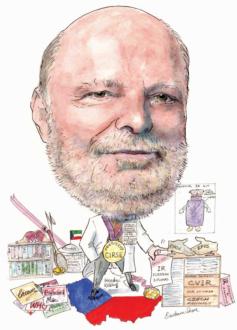
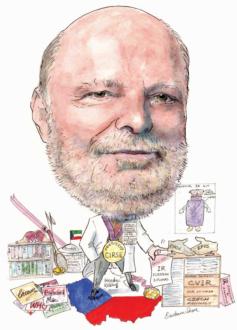
Bill Cook passed away at the age of 80 on 15 April 2011, after courageously fighting congestive heart failure for several years. With his passing the interventional community lost a great friend whose vision of interventional treatment contributed to the rapid growth and development of our field. Frederick S Keller, Dotter Institute, Oregon, USA, writes this tribute for Interventional News

In 1957, Bill’s cousin, a radiologist, told him that a new technique called angiography may be a good area to investigate for developing new medical tools. With US$1,500 of borrowed capital Bill and his wife, Gayle, started their new company, Cook Inc. Working closely with and recognising the needs of early angiographers, the company became the first to manufacture the three products that were necessary to practice the Seldinger technique of percutaneous arterial access—a needle, a guidewire and a catheter. At the RSNA in 1963, Bill met Charles Dotter. It was the beginning of a long and close friendship. This friendship resulted in a collaboration that produced many new interventional devices and ideas.


During the early years of angiography and interventional radiology, Bill Cook played a pivotal role in the development of the specialty. He was the first individual to establish close working relationships with pioneering interventionalists. His close cooperation with Charles Dotter in the development of percutaneous transluminal angioplasty is now history and has fundamentally changed the way medicine is practiced. Many other pioneers including Anders Lunderquist, Cesare Gianturco, Kurt Amplatz, Josef Rösch, Stan Cope, Sid Wallace and Rolf Gunther all benefitted from Bill’s close collaboration and support. He facilitated rapid progress in the development of new interventional tools and devices and introduction of new techniques including endourology and gastrointestinal and gynecologic interventions. Bill Cook would place his company’s resources behind any reasonable, new project that angiographers and interventional radiologists could conceive. While these efforts usually culminated in success, at that time it was a huge risk for him to be so aggressively accommodating and supportive.


Over the years his company has flourished and become a conglomerate, the Cook Group, with manufacturing facilities in the USA, Australia, Denmark and Ireland and a sales organisation that spans the globe. Despite tremendous growth and success in his business, Bill always stayed involved with interventional radiology. He was the first non-physician to receive the Gold Medal from the Society of Interventional Radiology and together with his friend, John Abele, the first non-physician to receive Gold Medal from CIRSE.


In addition to success in the medical field, Bill received numerous awards for his contributions to historic preservation. He and Gayle had a love for the character, history and beauty of historic building and have seen the positive impact historic preservation projects can have on a community and its population. In addition to many other projects, they restored the Courthouse Square in Bloomington, Indiana and historic hotels in French Lick and West Baden, Indiana. Both these communities were once struggling with poverty and unemployment and now, thanks to Bill and Gayle Cook’s efforts, are thriving. Bill was the sponsor of the Star of Indiana Drum and Bugle Corps, a travelling and performing group of young people that won a national championship. He also produced the Tony and Emmy award winning Broadway show “Blast” whose roots came from the drum and bugle corps.


Bill’s fierce independence and rejection of the corporate world allowed him to disregard a “bottom line” mentality and develop a company that was both compassionate and caring. He gave back millions to his community and to charitable organisations. To aid in the advancement of medical education and research, Cook companies provided significant financial support to universities, hospitals and physicians in the United States and throughout the world and have funded many endowed chairs. 

Throughout his 48 years in business, Bill Cook has consistently been a loyal friend and supporter of interventional radiology. Through his generosity over many years Bill has truly exemplified the ideal partner and benefactor to our profession. His history of “giving back” has established a precedent for others in industry to emulate.


Interventional radiology has lost a great friend and the world has lost a great man. Bill’s persona was bigger than life. Those who had the good fortune to have known Bill or have him as a friend were truly blessed.


When to say “no” to uterine artery embolization

0
When to say “no” to uterine artery embolization

For interventional radiologists carrying out uterine artery embolization, there is every reason to proclaim its benefits widely, share its proven success rates and take pride in the body of evidence that supports the use of this procedure. Uterine artery embolization is one of the few procedures in the interventional field which has been tested by many randomised trials and is backed by strong level I evidence. However, sometimes, it is equally important to be able to recognise that this procedure is not for everyone. It is good to know when to say “no”, Jafar Golzarian, professor of Radiology and Surgery and director of the Division of Interventional Radiology & Vascular Imaging, Minneapolis, USA, tells Interventional News

So when is uterine artery embolization absolutely contraindicated?


There are a few absolute contraindications including infection, any gynecological cancers and pregnancy.


What about relative contraindications?


These are more debatable. Endometritis is one of the relative contraindications. In my view, in such a situation, a patient needs antibiotics before considering uterine artery embolization. For patients with post-menopausal bleeding, which happens with persistent fibroids, one should first rule out malignancy before considering uterine artery embolization. It is important to remember that patients with additional diseases or conditions such as endometriosis, endometrial hyperplasia etc may need more workup before determining if they could benefit from uterine artery embolization. 


Are there some types of fibroids that do not respond well to uterine artery embolization? What is the evidence to back this?


We used to not offer uterine fibroid embolization to patients with narrow stalk or to patients with endocavitary fibroids. New reports show that embolization is effective in those patients. It seems that cervical fibroids do not respond well to embolization. In other types, such as infarcted fibroids, the expected benefit is also low as the goal of uterine artery embolization is precisely to provoke fibroid infarction. However, we have no strong evidence to back this, but this is based on personal experience and others’ experiences. 


Can you define the types of patient for whom you would say “no” to uterine artery embolization?


Two types of patients come to my mind. I would say “no” to embolization in a patient who has an intracavitary fibroid which is less than 3cm. Such a patient could benefit from a hysteroscopic removal. The second type is a patient with menorrhagia who has fibroids, but also a polyp. I would propose treating the polyp first and then re-evaluating the patient for the embolization if the patient is still symptomatic.


What is the current understanding on how uterine artery embolization impacts fertility?


There are now more studies demonstrating successful pregnancy after uterine artery embolization. A recent paper published by Pisco et al has shown the same outcome after uterine artery embolization and surgery in terms of the number of pregnancies. However, the only paper which can be classified as level one evidence, by Mara et al, favours myomectomy over embolization. 


The role of thrombolysis devices discussed at the CX Innovation Showcase

0
The role of thrombolysis devices discussed at the CX Innovation Showcase

A session on thrombolysis saw discussion on the characteristics of three different thrombectomy devices in the CX Innovation Showcase at this year’s CX Symposium.

Iris Baumgartner, Bern, Switzerland, spoke on the EkoSonic system (EKOS), Gerry O’Sullivan, Galway, Ireland, told delegates about his experience with the Trellis device (Trellis/Covidien), and Kim Hodgson, Springfield, USA, focused his presentation on the Angiojet system (Medrad Possis).


EkoSonic


“The problem we face is that anticoagulation therapy does not actively dissolve the clot and 40% of patients continue to propagate thrombus despite therapeutic levels of heparin. Anticoagulation therapy does not prevent long-term damage to the vein and valves, leading to high levels of post thrombotic syndrome, particularly iliofemoral, and we still have high mortality rates from pulmonary embolism despite anticoagulation,” Baumgartner said.


In 2008, for the first time a grade 2B recommendation for catheter directed thrombolysis was issued by the American College of Chest Physicians, she added. “In patients with extensive proximal deep vein thrombosis, meaning iliofemoral (symptoms


One possibility for the management of thrombus in patients with extensive iliofemoral thrombosis is the MicroSonic Accelerated Thrombolysis (EkoSonic), Baumgartner told delegates.


“This is a catheter system that is inserted mostly in extensive thrombosis via the popliteal vein all the way up to the cava. Ultrasonic energy causes fibrin strands to thin and loosen, exposing plasminogen receptor sites. With extensive thrombus with need high doses and with this system I can lower the dose. Thrombus permeability and lytic penetration are dramatically increased and the ultrasound pressure waves force the lytic agent deep into the clot. As compared to systemic thrombolysis I only need 10% of the dose and this is relevant for bleeding complications,” she described.


Baumgartner referred to a study from Francis et al which showed that thrombus exposed to ultrasound absorbed 48% more tissue plasminogen activator (tPA) in one hour, and 89% more tPA in four hours than thrombus not exposed to microsonic pressure.


“As compared to non-ultrasound accelerated catheter-directed thrombolysis, the overall lysis proportion with the EKOS system is higher and the time needed to resolve is significantly shorter. Major bleeding rates are also lower, although this is on the borderline of being statistically significant as compared to non-ultrasound accelerated thrombolysis.”


“A second field where we now have a grade 2B recommendation is in patients with pulmonary embolism who are not haemodynamically compromised where we have an indication for intravenous thrombolysis,” she pointed out.


Baumgartner added that the EkoSonic system consists of a three-lumen catheter with a wire support that is exchanged by the ultrasound system cooling the area around, and a third layer where we have the recombinant tPA infused, and it goes out directly into the thrombus.


“You can have these areas where you want to treat between 6 and 50cm in length. You can separate your treatment area by decision on which device you are using, 6, 12, 18, 30, 50cm,” she concluded. 


Trellis


“I need something which happens in a single session, so Trellis is what I use. You can look at deep vein thrombosis treatment in many ways, but for me single session vs. multisession is the way to look at it. That is the reason why I consider the use of Trellis and Angiojet devices,” O’Sullivan said.


The Trellis device is designed byThomas Fogarty and promotes targeted delivery of thrombolytic agents. The treatment area is isolated within occluding balloons, and there is mechanical dispersion of infused thrombolytic agents and aspiration following treatment.


It is an over-the-wire device, with an 8F sheath.


“You have balloons inflated at both ends of your treatment zone. The treatment zone is where you deliver the tPA or other thrombolysis drug that you choose to use. At the end of the treatment time, which takes 5–10 minutes, you aspirate the tPA out,” O’Sullivan said.


He presented four different scenarios where and how the Trellis device would be used:


  •  Type 1: Inferior vena cava clear/no pulmonary embolism, ilio-femoral deep vein thrombosis and patent popliteal vein. “This is the easiest and quickest case, with Trellis Peripheral Infusion System only,” he said
  •  Type 2: Inferior vena cava thrombus/pulmonary embolism and ilio-femoral (and not popliteal vein) deep vein thrombosis: There is need for an inferior vena cava filter but it is possible to treat the case in a single session with the Trellis Peripheral Infusion System.
  • Type 3: Inferior vena cava clear, all calf veins acutely thrombosed, deep vein thrombosis up to iliacs: Catheter-directed thrombolysis 48–72h or Trellis system in the popliteal vein upwards and catheter-directed thrombolysis for 24h afterwards.
  •  Type 4: Inferior vena cava to ankle venous thrombosis: “This is the most difficult case and will need an inferior vena cava filter, the Trellis Peripheral Infusion System and 24–48h catheter-directed thrombolysis,” noted O’Sullivan.


O’Sullivan said that, in the Galway experience of isolated pharmaco-mechanical thrombolysis with Trellis, performance of the device was technically successful. “Technical success with SIR Class 2/3 clearance of thrombus was achieved in 89 out of 91 patients, and primary and secondary patency rates were high. There were no access site haematoma, no bleed requiring transfusion, no gastro-intestinal or intracranial bleed. There was one minor nasal bleed. Overall pharmaco-mechanical thrombolysis is a safe technique with low risks,” he concluded.


Angiojet


Hodgson said that thrombolysis/ thrombectomy devices work in different ways – mechanical vs. pharmacological or vs. a combination of both. However, he said, “what really counts is clearance of the clot and re-establishment of flow but without damaging the thrombosed blood vessel, without damaging the access vessel or pathway to the thrombus, the downstream vessels, tissues or organs, or the bystander organs (brain or kidneys), and achieving thrombolysis rapidly enough to avoid tissue necrosis.”


He told delegates that in terms of successful outcomes, the devices are ‘good’ in chronic thrombi, ‘better’ in sub-acute thrombi and have their best results in fresh thrombi.


“But with increasing age comes increasing drug doses, devices passages and revascularisation times, as well as local and systemic complications and failure to achieve revascularisation. Any claims of superiority for one device over another in actual clinical practice are unsubstantiated,” he stated.


The Angiojet thrombectomy system, he said, is the only device that can work without the use of a lytic agent, it is the only device that has a purely mechanical mode. You can use this without fearing that your patients will develop cerebral haemorrhage, gastro-intestinal bleeding or other problems. It can be used when lytic agents are contraindicated. The system comes in 4–6F catheter diameters, 50–140cm shaft lengths, for 2–20mm vessel diameters.


Hodgson said that the Angiojet device can also be used as a high pressure drug delivery system with its Power-Pulse mode. It promoted deep penetration of lytic agent into the clot. “To varying degrees it extracts the lytic and prevents systemic lysis. But the degree to which this enhances overall efficacy is unquantified.”


Hodgson summarised the pros and cons of the Angiojet device. “The pros are that it is a purely mechanical lysis, or can be used in combination with a lytic drug, and you can treat a broad range of vessels, veins and arteries, and get a rapid restoration of flow,” he said. The cons are that there are some limited run-times, there are potential systemic effects, and the risk of iatrogenic haemorrhage, Hodgson concluded.

Tributes for William A Cook

0
Tributes for William A Cook
Barry Katzen, Matthew S Johnson and Jim Benenati

Interventional radiologists such as Barry Katzen, Matthew S Johnson and Jim Benenati, join senior staff from Cook including John Brumleve, and Joe Roberts to pay tribute to the well-respected entrepreneur, who died in April this year

“The passing of Bill Cook is a major milestone in the field of interventional radiology and all of less- invasive medicine.  Bill was a giant in our field, who was as passionate about the value and importance of interventional procedures and improving care as any practitioner in the field. More importantly, he supported the development of new technology when the pioneers of our field were creating new ideas about treating patients using image guidance, but had no tools or medical devices. His contributions to our field were recognised with Gold Medals from many professional societies including SIR and CIRSE, and he was awarded the Distinguished Career Recognition by ISET several years ago. No one practicing any aspect of interventional medicine and no patient undergoing an interventional procedure has not been affected and benefitted in some way from Bill’s accomplishments in developing Cook Medical and all of the other components of Cook Group. Bill and his family (which included his entire company), were extremely generous to our field though providing philanthropic support, to physicians, institutions, and societies who were trying to improve patient care through less-invasive therapies or multidisciplinary collaborative efforts. Bill was a giant of a man, who lived an incredibly modest and generous life, and never forgot where he came from. Those of us who met and knew him will have memories which will keep us smiling, and feel fortunate to have known one of the iconic figures in medical history. For those of us who have not, your lives and those of our patients have been enriched by his innumerable accomplishments. We will all miss him greatly.”

Barry Katzen, Baptist Cardiovascular Institute, Florida, USA.

“I met Bill Cook on his private jet about 16 years ago. He flew 15 or 20 Indiana University doctors and administrators and me, at that time a young interventional radiologist, fresh out of fellowship, down to Miami, to tour what is now the Baptist Cardiovascular Institute.  Bill thought that Barry Katzen’s practice was the paradigm of successful interdisciplinary cooperation, the perfect example of what could be possible for us.  I did not know then, but know now, that that unparalleled effort was typical of him. He was a tireless supporter of Indiana, of Indiana University, and of interventional radiology. He ran his company with integrity, and he ran it well. I know that he always held the best interests of interventional radiology in his heart, and I like to believe that he always had the best interests of Indiana there as well. It always seemed that way, anyway. All of us at Indiana University, in Indiana, and certainly in interventional radiology, will miss him.”

Matthew S Johnson, Indiana University School of Medicine, USA

“Bill will be sorely missed by all those in interventional radiology. Perhaps those who did not know him suffer the greatest loss. Bill was an innovator, a pioneer and a genuine friend and supporter to all those who have participated in the explosive growth in endovascular care over the past forty years. The Cook name and brand will remain ingrained in the minds of endovascular physicians, not just because of the quality products produced over a generation but because of the trust and loyalty that Bill fostered in the interventional community.”

James Benenati, Baptist Cardiovascular Institute, Florida, USA


“Bill Cook was as much a father figure to me as my own father was. Both were great men, but in very different ways. Bill Cook was an entrepreneur in its truest sense. He saw opportunities where other “business people” would not have thought to look. I can cite several medical procedures in which he, along with my colleagues, collaborated with physicians to develop new minimally invasive therapies. This in turn developed into hundreds of new medical procedures in-conjunction with over 42 different medical specialties. I can only guess how many patients we helped physicians and clinicians to treat over the past 48 years. 

 Another very important aspect is how he personally inspired each employee to strive to reach a higher level of performance than you thought possible. This always came with the statement of, “do the right thing” because a patient is to always benefit with the use of a product that we develop or manufacture.

 A final thought from Bill relates to an evening two years ago when I attended a local Historical Society event in Bloomington, Indiana, which featured Bill as a speaker. He commented that, “people look at me as a great genius because I have 50 separate companies but look at myself, I do not just reflect on the 50 or so current companies that I have started, I remember the other 95 companies that did not make it.” He dared to risk failure for the opportunity to achieve success. He was a generous, self-effacing man that made this world a better place to live in.”

John Brumleve, physician societies corporate liaison, Cook Medical


“When I began working for the company in 1979, Bill Cook took me out to shoot basketball followed by sharing a pizza. Little did I know that this man was creating what would become the largest private medical device company in the world. Thinking back on that night, I can see the uncommon man with the common touch which was part of everything he did. His commitment to every patient, physician, employee and every member of the international communities he touched was a consistency running through his life’s work. The last time I saw him he was eating lunch in the company cafeteria surrounded by people who had become part of his dream. That is how I always will remember him.”

Joe Roberts, vice president of corporate development, Cook Medical

Opinion: Toolbox for endovascular treatment of venous conditions is improving, but still incomplete

0
Opinion: Toolbox for endovascular treatment of venous conditions is improving, but still incomplete

Razavi_Main

The most common approach to interventional management of deep vein thrombosis is catheter-directed thrombolysis. Limitations of catheter-directed thrombolysis led to the development of percutaneous mechanical thrombectomy devices as well as lytic-assisted devices, writes Mahmood Razavi, director, Center for Clinical Trials and Research, Heart and Vascular Center, St Joseph Hospital, Orange, California, USA

Endovascular management of deep vein thrombosis is gaining more recognition among non-interventionalists and those who initially see and diagnose patients with this condition. Although only a small minority of such patients currently receive catheter-based therapy, the practice is widespread. Yet, there is no commonly accepted standardised technique.


The most common approach to interventional management of deep vein thrombosis is catheter-directed thrombolysis. Limitations of catheter-directed thrombolysis led to the development of percutaneous mechanical thrombectomy devices as well as lytic-assisted devices.


To date, there have been a large number of percutaneous mechanical thrombectomy devices introduced into the market. As a standalone technique and without the use adjunctive thrombolytic drugs, the efficacy of current generations of percutaneous mechanical thrombectomy devices has been disappointing in proximal deep vein thrombosis. These devices tend to work well removing hyper-acute clot and hence it is not a surprise that they fall short in patients with deep vein thrombosis who may have clots that are 2–3 weeks old.


The lytic-assisted devices, which include pharmacomechanical and sonically-enhanced thrombolysis are designed to augment the efficacy of thrombolytic drugs. The current popular approaches include the use of Trellis catheter (Covidien), EkoSonic Endovascular System (EKOS), and the combination of Angiojet (Medrad/Possis) and a thrombolytic drug employing the “power-pulse” technique.


Reporting the results of an industry-sponsored prospective survey of the use of Trellis-8 catheter, Hillman reported a high degree of clot lysis during single session treatments of patients with acute deep vein thrombosis (Hillman DE. JVIR 2008;19:377). As with catheter-directed thrombolysis, efficacy dropped as the clot age increased beyond 2–3 weeks. The important lesson learned was that an acute thrombus can be removed on the table without the need for overnight infusion of thrombolytic drugs. Furthermore, Hillman’s study showed lower resource utilisation when the Trellis-8 strategy was utilised as compared to catheter-directed thrombolysis.


The Ekosonic Endovascular system takes advantage of the ability of sonic waves to accelerate the process of thrombolysis. In the study by Parikh et al 70% of patients with acute deep vein thrombosis who underwent sonically-enhanced lysis had complete resolution of clot after an overnight infusion of thrombolytics (Parikh S et al. JVIR 2008;19:521). This is an overall improved result compared to that observed in the National Venous Registry (Mewissen MW, et al. Radiology 1999; 211:39–49), using catheter-directed thrombolysis alone.


Unpublished data from centres employing the “power-pulse” technique suggest that same-session clot removal can also be successful using the combination of Angiojet and thrombolytic drugs.


In the author’s experience, however, a single session strategy can be successful if the clot is limited to the femoral veins with adequate inflow from the popliteal vein, and unobstructed outflow through the ilio-caval segments. Involvement of larger venous structures such as the iliacs and inferior vena cava will often require use of adjunctive techniques such as catheter-directed thrombolysis and/or stenting.


Experience to date indicates that the toolbox for the treatment of various venous conditions, while improving, remains incomplete. Despite the progress in the past decade, the venous space is in dire need of innovative approaches in all aspects of its endovascular care.

Volcano to supply intravascular ultrasound technology to Covidien for integration with plaque excision systems

0
Volcano to supply intravascular ultrasound technology to Covidien for integration with plaque excision systems

Volcano announced the signing of a supply agreement with ev3, a Covidien company, under which Volcano will supply its proprietary intravascular ultrasound (IVUS) technology for use in ev3’s plaque excision systems. Utilising the digital IVUS transducer incorporated in Volcano’s market leading EagleEye catheter product line, this new product will be capable of running on Volcano’s global installed base of 5,000 systems.

Scott Huennekens, president and CEO of Volcano commented, “In addition to our internally developed image guided therapy products, such as the Vibe RX imaging balloon (commercially available in the EU only), we have looked to other medical device industry leaders to join us in differentiating therapeutic devices by adding integrated imaging capabilities. Covidien is an innovative company that recognises the value of onboard visualisation and is committed to bringing these new, more precise therapies to market to help improve patient outcomes. This agreement also exemplifies the value of our one system, many solutions strategy facilitated by our multi-modality platform.”


Plaque excision systems, also called atherectomy devices, are catheters that remove plaque that blocks arteries and interrupts blood flow. Instead of compressing plaque against the vessel wall‰Û¥as is the case with balloon and stent therapy alone‰Û¥plaque excision systems remove the obstruction from the vessel, thereby restoring blood flow, reducing damage to the vessel wall, and preserving future treatment options. IVUS integration offers advantages in immediate assessment of the plaque to better guide therapy.


Over 270,000 atherectomy procedures have been performed with ev3’s SilverHawk and TurboHawk directional atherectomy catheters, uniquely designed to direct the therapy specifically to the diseased portion of the vessel while avoiding healthy portions of the vessel. The latest generation of TurboHawk plaque excision catheters are designed to remove all plaque morphologies from diseased arteries, including calcified lesions.


“By partnering with Volcano, we continue to lead atherectomy therapy, enabling physicians to visualise the diseased portion of the artery for optimal plaque excision,” said Stacy Enxing Seng, president, Peripheral Vascular, Covidien. “This is particularly important as we believe preparing and treating the vessel for drug delivery, whether via drug coated balloon or stent, will create a breakthrough in treating lower extremity peripheral arterial disease.”

Spectranetics to initiate the EXCITE ISR study of laser treatment for peripheral artery disease

0
Spectranetics to initiate the EXCITE ISR study of laser treatment for peripheral artery disease

Spectranetics announced that it plans to initiate the EXCITE ISR (Excimer laser randomised controlled study for treatment of femoropopliteal in-stent restenosis) clinical trial following the recent conditional approval of the company’s investigational device exemption application by the FDA.

The study will compare the safety and efficacy of excimer laser atherectomy utilising the Spectranetics’ Turbo-Tandem and Turbo Elite products in conjunction with balloon angioplasty, with that of balloon angioplasty alone in a 2:1 fashion on patients with femoropopliteal in-stent restenosis, a condition caused by the development of scar tissue within a previously implanted stent.


EXCITE ISR will enrol up to 353 patients at up to 30 sites in the USA, with first patient enrolment expected within 30 days. The primary safety endpoint will measure major adverse events defined as death, major target limb amputation and target lesion revascularisation through 30 days following the procedure. The trial’s primary efficacy endpoint is freedom from clinically-driven target lesion revascularisation, which will be evaluated at six months following the procedure. These results will be included in a 510k filing with the FDA. The study will employ three separate independent core laboratories and an independent Data Safety and Monitoring Board.

“We are very pleased to be able to start the EXCITE ISR trial and plan to enrol the first patient within the next 30 days,” stated Shar Matin, senior vice president of operations, Product Development and International. “There is currently no medical device cleared by the FDA to treat patients with in-stent restenosis. Spectranetics is proud to be on the leading edge of clinical research to evaluate laser atherectomy for the treatment of peripheral artery disease.”

Eric Dippel, national principal investigator for the EXCITE ISR trial and interventional cardiologist at Trinity Regional Health System in Bettendorf, Iowa, USA commented, “Effective treatment for in-stent restenosis in upper leg interventions has yet to be proven in a scientifically rigorous randomised trial. The intent of this trial is to provide evidence for laser atherectomy in this difficult patient population, and I am looking forward to initiating this landmark clinical trial.”

Cordis launches Sleek OTW PTA catheter to be used in patients with lower limb ischaemia

0
Cordis launches Sleek OTW PTA catheter to be used in patients with lower limb ischaemia

Cordis announced the launch of Sleek OTW catheter, a new .014” percutaneous transluminal angioplasty (PTA) balloon catheter designed to help physicians save limbs and enhance patients’ lives. This new PTA balloon was first launched at LINC (Leipzig Interventional Course, Leipzig, Germany) and ISET (International Symposium on Endovascular Therapy, Miami, Florida) earlier this year.

Lower limb amputation is a last resort for many patients with end-stage peripheral arterial disease (PAD). It is estimated that as many as 160,000 lower limbs are amputated every year in the USA and 60-70% of these amputations are performed as the first-line therapy. These lower-limb amputations come with a mortality rate of as much as 70% at five years.


The Sleek OTW catheter has a unique balance of excellent pushability with a small crossing profile that helps physicians reach small arteries below-the-knee and into the foot to restore blood flow to the lower limb. A broad portfolio of sizes is also offered with PTA balloon diameters of 1.25mm to 5.0mm and lengths up to 220mm that allow physicians to treat diffuse disease with less inflation.


“The Sleek OTW catheter offers our most advanced technology designed to treat challenging below the knee disease,” said Campbell Rogers, chief scientific officer, Global Head R&D. “This addition to our lower extremity product portfolio underscores our commitment to providing solutions that help save limbs and improve the quality of life for patients with advanced peripheral vascular disease.”

SuperNOVA international clinical trial begins patient enrolment

0
SuperNOVA international clinical trial begins patient enrolment

Boston Scientific  announced the start of patient enrolment in the SuperNOVA clinical trial, an international, prospective, single-arm, non-randomised trial evaluating the safety and effectiveness of the Innova self-expanding bare-metal stent system in patients with stenosis of the superficial femoral artery (SFA) or proximal popliteal artery (PPA).

Enrolment is planned for up to 300 patients at 50 sites in the USA, Canada and Europe. The first patient was enrolled by Subhash Banerjee, associate professor of medicine and chief of Cardiology at the VA Medical Center in Dallas, Texas, USA.


The Innova stent system is designed to treat peripheral vascular lesions in arteries above the knee, specifically the SFA and PPA. It consists of a nitinol, self-expanding bare-metal stent loaded on an advanced low-profile delivery system. The innovative architecture features a closed cell design at each end of the stent for improved radial force and fracture resistance, and an open cell design along the stent body that does not compromise flexibility. Stent deliverability is enhanced with a tri-axial catheter shaft designed to provide added support and placement accuracy as well as dual deployment options and radiopaque markers to enhance ease of use. This stent is 6F compatible and ranges from 5mm to 8mm in diameter and 20mm to 200mm in length.

“Treating arteries above the knee is difficult because the challenging anatomy can lead to stent fractures and higher restenosis rates,” said Richard J Powell, section chief of Vascular Surgery at Dartmouth-Hitchcock Medical Center in Lebanon and global principal investigator of the trial. “I believe the Innova stent offers a unique design that provides excellent radial strength while remaining flexible and durable, which is critical to sustaining patency in treated SFA and PPA lesions.”

“The Innova stent is engineered to offer an advanced solution in treating blockages within these critical arteries,” said Joe Fitzgerald, senior vice president and president of Boston Scientific’s Endovascular Unit. “Its design is intended to improve blood flow and provide greater long-term stent durability, ultimately improving the overall quality of life for patients with peripheral artery disease.”

The Innova stent system received CE mark in March 2011, and the company plans to begin marketing the product in the EU and other countries in the second quarter of 2011. In the USA, it is an investigational device, limited by applicable law to investigational use only and not available for sale.

Pipeline embolization device receives FDA Premarket Approval

0
Pipeline embolization device receives FDA Premarket Approval

Covidien announced that it has received Premarket Approval (PMA) from the FDA for the Pipeline embolization device, indicated for the endovascular treatment of adults (22 years of age or older) with large or giant wide-necked intracranial aneurysms in the internal carotid artery from the petrous to the superior hypophyseal segments.

Pipeline is a new class of embolization device designed to divert blood flow away from the aneurysm in order to provide a complete and durable aneurysm embolization while maintaining patency of the parent vessel.


“The Pipeline embolization device is a breakthrough and life-saving endovascular treatment for large or giant wide-neck brain aneurysms,” said Joe Woody, president, Vascular Therapies, Covidien. “Pipeline now offers hope for those patients who have had no other options for treating this often debilitating and even fatal medical condition.”


The Pipeline embolization device PMA application was based on the results of the PUFS (Pipeline for uncoilable or failed aneurysms) clinical trial, a single-arm study of large and giant, wide-neck or fusiform aneurysms that included safety and efficacy data on 108 patients.


“Brain aneurysms are a silent killer because most show no symptoms over time,” said Christine Buckley, executive Director, The Brain Aneurysm Foundation. “The Pipeline embolization device now provides patients with a safe and effective treatment of large or giant, wide-neck aneurysms, which remained an unmet clinical need until now.”


The Pipeline embolization device has received CE mark approval in Europe and has been sold outside the United States since July 2009. The Pipeline device will be available at the existing clinical sites in the USA beginning this quarter.

Miniaturisation of EVAR heralds percutaneous era

0
Miniaturisation of EVAR heralds percutaneous era

An exciting opportunity awaits interventional radiologists with the miniaturisation of EVAR devices. The new-generation devices have shown a trend towards being lower in profile and some are designed for an entirely percutaneous approach.

In contrast, first-generation endografts had a large profile (24–27 outside diameter), were inflexible, cumbersome to deploy, worked sub-optimally in complex anatomy and had a high incidence of procedural complications. Over time, physicians have identified that with these first generation devices, there were frequent late complications such as device migration, modular component separation, high permeability and endotension, endoleaks and loss of structural integrity.


The concerns about durability of EVAR devices are based on the fact that most published trials reported significant re-intervention rates for complications such as endoleak and kinking. This weakness in durability also has an economic consideration, as the cost of re-intervention and post-procedural surveillance means that EVAR with older technology, is less cost-effective than open surgical repair.


Another challenge associated with EVAR is that only 50% of AAA patients were candidates for EVAR because half of the patients are excluded because of unfavourable neck anatomy and iliac anatomy.


“The two areas of opportunities in EVAR applicability are the proximal neck (with respect to conformability, accommodation and seal zone) and the iliac access (where profile, trackability and kink resistance come into play),” said Zvonimir Krajcer, programme director, Peripheral Vascular Interventions, Department of Cardiology, St Luke’s Episcopal Hospital and Texas Heart Institute, Houston, USA.


He told delegates at ISET in January 2011 that on the other hand newer generation devices offer ease of use, better accuracy in deployment, wider applications for challenging anatomy, low-profile delivery systems, more opportunities for non-surgical specialists and better durability. The question remains, how will device modification contribute to improved results?

EVAR moving to PEVAR era


“Learn and embrace totally percutaneous EVAR (PEVAR) techniques, or be left out,” Krajcer said at ISET.


Krajcer explained the goals of PEVAR: to reduce mortality and morbidity, hospital stay and offer a quicker return to normal lifestyle. The percutaneous approach also offers shorter procedure times and less blood loss.


“EVAR will be more frequently done in the cath lab and interventional radiology suite, due to the cost issues of operating room time, operating room personnel, equipment, anaesthesia and anaesthesiologist,” he predicted.


Krajcer noted that technological advances in EVAR delivery systems such as a reduction in profile and simplified delivery would facilitate a totally percutaneous approach. “A totally percutaneous approach to EVAR requires suitable closure devices, appropriate endovascular delivery systems, careful patient selection, expertise in technique, and proper facilities with ready access to surgical services. There is also definitely a learning curve associated with the procedure,” he said.


Krajcer clarified that not all commercially available devices are specifically designed for, or are suitable for percutaneous use. He mentioned that Endologix’s IntuiTrak, which has a contralateral percutaneous indication with a simple deployment mechanism, is “In Europe, 15% of EVAR procedures are performed in PEVAR fashion, but in Australia, 70% of the EVAR are performed in PEVAR fashion.”


Later, at the iCON meeting in Arizona, Krajcer said, “An entirely percutaneous approach to EVAR appears safe and feasible in patients with suitable anatomy. ”


He gave the results of the first multicentre, prospective, randomised controlled trial of this approach (the PEVAR trial) which was initiated in 2010 under an investigational device exemption in the USA to determine the technical effectiveness and clinical benefit of this approach. Krajcer reported the initial PEVAR trial roll-in phase results. “Enrolment has begun across the 20 participating centres and is expected to be completed this year,” he said.

Ipsilateral ‘pre-close’ percutaneous access was performed with the Abbott Vascular’s Prostar XL or ProGlide suture-mediated closure devices.


“The PEVAR procedures were performed using Endologix’s IntuiTrak Endovascular System. Using the integrated 19F introducer sheath, the bifurcated endograft was implanted in combination with proximal or limb extensions as per the patient’s anatomy. Contralaterally, vessels were either pre-closed if a limb extension was required, or closed using standard percutaneous technique. Procedural technical success, defined as successful common femoral access and closure, was evaluated, as were vascular and systemic adverse events. Post-procedural follow-up has been scheduled at one and six months.


“Among 33 patients enrolled in the roll-in phase, technical success rates of 97% (access) and 100% (endovascular repair) have been achieved, with no major adverse events observed. Patients were discharged from the hospital at an average of 1.4 days following the procedure,” said Krajcer.


Results


A total of 24 patients (96% men), mean age of 72±6.4 years were enrolled. Mean proximal neck and aneurysm sac diameters were 27±2.9mm and 5.3±0.4cm, respectively. Patients were maintained either under general (63%) or local (37%) anaesthesia, and were treated either by vascular surgeons or interventionalists with surgeons as a multidisciplinary team. All endovascular aneurysm repairs were performed successfully. Over a mean procedure time of 117 minutes, estimated blood loss was 206mL.


In-hospital complications were limited to two blood transfusions for anaemia and one surgical repair for contralateral scrotal haematoma in a patient who underwent standard percutaneous access with manual compression for closure. Ankle-brachial indices remained unchanged from the pre-operative values to the one-month values.


Patients were discharged from the hospital at a mean of 1.4 days postoperatively. Within one month, no deaths, ruptures, conversions to open repair, secondary procedures, renal complications, or other serious vascular events were observed.

Microembolization is the Achilles‰Ûª heel of carotid artery stenting

0
Microembolization is the Achilles‰Ûª heel of carotid artery stenting

Recent trials have shown carotid artery stenting to be equivalent to endarterectomy. However, stenting is linked to a higher microembolic burden. Sumaira Macdonald’s presentation examining the burden of microembolic signals for endarterectomy, carotid stenting with flow reversal and carotid stenting with filter protection showed interesting results.


“Carotid artery stenting is associated with a higher microembolic burden than carotid endarterectomy. The rate and procedural stage of highest risk depends on the embolic protection device used,” said Sumaira Macdonald, consultant vascular radiologist and honorary clinical senior lecturer, Newcastle, UK, at the annual iCON meeting in Phoenix, USA, in February.


She presented the results of a recent non-randomised comparison of carotid endarterectomy, filter-protected carotid artery stenting and carotid artery stenting with flow reversal utilising microembolic signals on transcranial Doppler as primary outcome event.


Results from the study (Gupta N, Corriere MA, Dodson TF et al. JVS Dec 1st 2010 [Epub]) showed that carotid endarterectomy had the fewest microembolic signals (largely in the post-protection phase). This was followed by flow reversal carotid artery stenting; in this case, signals detected were mostly in the pre-protection phase. Of the three procedures, filter-protected carotid artery stenting had the highest number of signals and these were mostly recorded during the protection phase.


“Clearly, there is room for improvement for carotid artery stenting,” Macdonald said. She told delegates that the patient is vulnerable pre-protection for proximal embolic protection devices and even during the protection phase when filters are used.


Does filter-protected carotid artery stenting have more microembolic signals than unprotected carotid artery stenting?


Filters are associated with significantly more microemboli compared with unprotected carotid artery stenting, said Macdonald based on DWMRI findings and procedural transcranial Doppler.


“Small randomised controlled trials (Macdonald S, Evans DH, Griffiths PD et al. Cerebrovascular Diseases 2010;29:282–289; and  Horowitz MB et al. J Vasc Surg. 2008 Apr;47(4):760–5. Epub 2008) demonstrate a significant increase in microembolic signals for filter-protected carotid artery stenting compared with unprotected carotid artery stenting and a substantial increase in hyperintensities on diffusion-weighted imaging for filter-protected compared with unprotected carotid artery stenting. In the trial evaluating both surrogate markers, periods of contrast injection were excluded from the final analysis as gaseous microemboli introduced during angiography would have constituted a major confounding variable. In a substudy of the International Carotid Stenting Study (Bonati L, Jongen LM, Haller S et al) comprising 231 patients, two of seven participating centres performed unprotected carotid stenting and the remaining five largely filter-protected carotid stenting. Sixty eight per cent of filter-protected cases and 35% of unprotected cases had new diffusion-weighted imaging lesions (odds ratio 3.28 [1.50–7.20], p=0.003),” Macdonald noted.


She also referred to a small randomised controlled trial (Montorsi P, Caouti L, Galli S et al, presented at TCT 2010) which reported a substantial reduction in diffusion-weighted imaging and a significant reduction in microembolic signals on transcranial Doppler for proximal protection compared with filters and a non-randomised evaluation of filters versus proximal protection (Schmidt A, Diederich KW, Scheinert S et al. J Am Coll Cardiol 2004;44:1966–9) showing significant reduction in microembolic signals during emboligenic stages (lesion crossing, stent deployment, post-dilatation). However, “establishment and retrieval of protection devices (both filter-type and proximal) are universally emboligenic stages,” Macdonald said, and catheterisation of the aortic arch and great vessel origins necessary for establishment of proximal protection explains the pre-protection microembolic penalty incurred during use of proximal protection systems.


Proximal embolic protection devices represent a significant improvement in the management of the microembolic burden associated with carotid stenting and there is the potential for important advances in terms of both access and stent design.


Are closed-cell stents better than open-cell stents?


Macdonald told delegates that a systematic review (Schnaudigel S, Gröshel K, Pilgram SM et al. Stroke 2008;39:1911–1919) comprising 32 studies (1,363 carotid stenting procedures) demonstrated that closed cell stents significantly reduced diffusion-weighted imaging hyperintensities compared with open cell stents. A small randomised controlled trial (Schillinger M, Dick P, Wiest G et al. J Endovasc Ther 2006;13:312–319) comparing the Wallstent and the ePTFE covered Symbiot stent (stopped early due to excessive restenosis in the covered stent limb) demonstrated significantly fewer microembolic signals on transcranial Doppler with the covered compared with the bare metal stent.


No level one evidence for benefit from embolic protection devices

Jos C van den Berg, Lugano, Switzerland, told delegates at iCON 2011 that currently there is no level one evidence establishing the benefit of embolic protection devices.


He suggested that carotid artery stenting can be performed at least as safely without distal embolic protection devices. “Carotid artery stenting without embolic protection has similar results to the procedure with protection. However, the use of embolic protection devices still does not protect from adverse events post-procedure, and they do not prevent hyperperfusion,” he said.


“A randomised comparison of protected and non-protected carotid stenting would require several thousands of patients. As such, there is no level one evidence. Several studies indicate that stenting can be performed without distal embolic with a risk comparable to protected stenting. “Importantly, carotid stenting with distal filter-type embolic protection devices lead to more embolic events (as demonstrated with transcranial Doppler and diffusion-weighted MRI), a large part of the procedure is unprotected anyway and adverse events related to embolic protection devices do occur,” noted van den Berg. “Experience with proximal protection devices is currently growing, and shows great promise,” he said.

Opinion: Management of postpartum haemorrhage

0
Opinion: Management of postpartum haemorrhage

By Ian Gillespie

Postpartum haemorrhage is a major cause of maternal death and morbidity. The Confidential Enquiry into Maternal and Child Health (CEMACH) report for 2003–2005 identified 132 maternal deaths in the UK of which 17 were caused by postpartum haemorrhage. In addition to these deaths, serious morbidity may result from massive transfusions, coagulopathy and emergency surgical intervention especially peripartum hysterectomy, and place demands on intensive care facilities.


Postpartum haemorrhage


Most cases which involve interventional radiology occur within 24 hours of delivery (primary postpartum haemorrhage) but haemorrhage may occur up to six weeks post delivery (secondary postpartum haemorrhage) and in this period is usually due to retained products of conception or endometritis. In clinical practice any mother who continues to bleed vaginally or internally (with evidence of expanding pelvic or abdominal haematoma) or becomes haemodynamically unstable should be assessed immediately to identify the site of bleeding and determine the best strategy for haemorrhage control. Early involvement of interventional radiology should be initiated before proceeding to more radical surgical intervention whenever possible.


The main causes of postpartum haemorrhage are:


  • Uterine atony after vaginal or caesarean delivery is the commonest cause
  • Uterine, cervical, vaginal lacerations
  • Retained products of conception
  • Post peripartum hysterectomy
  • Coagulopathy 


Resuscitation and initiation of the local major haemorrhage protocol is the first priority to maintain circulating blood volume and prevent coagulopathy whilst the cause is being assessed. Atony is diagnosed clinically and managed initially by uterine massage and uterotonic drugs. Intrauterine balloon tamponade is often effective but embolization should be considered as an alternative to more radical surgery (uterine B-Lynch brace suturing, surgical ligation of uterine or internal iliac arteries or hysterectomy). Embolization should also be considered early in the management of bleeding from genital tract trauma and post-hysterectomy.


Technical considerations


In atony, focal extravasation of contrast may not be visible but embolization of both uterine or anterior division of both internal iliac arteries is justified. For causes other than atony this author prefers to perform CTA en-route to the angiography suite as this will demonstrate the site of extravasation, vascular abnormalities such as pseudoaneurysm (which may be difficult to identify by subtraction angiography particularly in the presence of arterial spasm), and provide a route map to the site of bleeding. Sources other than internal iliac branches may be identified and procedure time shortened.


Selective embolisation is performed from a femoral route (contralateral is easiest) and gelatin sponge is the agent of choice. Polyvinyl alcohol particles may also be used but avoid less than 300 micron sized particles or liquid agents to minimise the risk of ischaemic complications. Coils are used less often in this clinical scenario and when positioned proximally may allow continued bleeding by distal collateral branches. Flush angiography should be performed prior to completion to ensure there is no bleeding from other arteries, especially if CTA has not been performed.


A recent meta-analysis of conservative treatment options for postpartum haemorrhage found a success rate of 90% for embolization and no significant difference compared to conservative surgical options.


Abnormal placental implantation


This condition results from a defect in the decidua basalis allowing invasion of placental villi into the myometrium. Placenta accreta (adherent to myometrium) accounts for 75% of cases but placenta percreta (invasion through serosa and sometimes into adjacent structures) which occurs in 5% is the most feared and may result in torrential bleeding. The incidence of this condition is increasing due to the rising rate of caesarean section and increasing maternal age. Whilst it may be diagnosed by colour Doppler ultrasound and MRI, its presence may be predicted by the presence of placenta praevia (it is rare in the absence of praevia) and a history of previous caesarean section. Previous sections confer a risk of 40% in one reported series. In the UK Obstetric Surveillance Survey placenta accreta accounted for 38% of peripartum hysterectomies which may result in damage to adjacent bladder, ureters, bowel, and blood vessels.


Traditionally, this condition has been treated by caesarean hysterectomy. However, other options include pre-caesarian insertion of balloon occlusion catheters into the anterior divisions of both internal iliac arteries. The balloons may be inflated immediately after delivery and embolisation may be performed through these if necessary allowing the possibility of conserving the uterus or reducing haemorrhage to improve the surgical field for safer hysterectomy. The placenta may be left in-situ in the absence of major bleeding and will involute over time although there is a risk of delayed haemorrhage and infection. Currently there is no clear evidence to support deployment of occlusion balloons and there are anecdotal reports of complications (hypoxic baby, iliac artery occlusion, distal leg emboli, and internal iliac artery rupture). Pending results of further research local protocols which include a role for interventional radiology should be in place to enable delivery under the most controlled conditions.


Conclusion


Pelvic embolisation for postpartum haemorrhage is a safe and effective alternative to radical surgery and interventional radiologists must rise to the challenge of how to provide a robust and readily available service to avoid needless morbidity and the tragedy of maternal deaths.


Ian Gillespie is a consultant interventional radiologist, Edinburgh Royal Infirmary, Edinburgh, UK


Source:‰ÛöEmbolisation UK, 28–30 March 2011, Birmingham, UK

Opinion: Interventionalists should know about the less common vascular diseases

0
Opinion: Interventionalists should know about the less common vascular diseases

By Joe F Lau and Jeffrey W Olin

Physicians who perform percutaneous endovascular procedures encounter a multitude of vascular diseases that may masquerade as obstructive atherosclerotic arterial disease. While atherosclerosis is clearly the most common condition seen, complex inflammatory, genetic or structural processes may either not be amenable to an endovascular approach or actually be harmful and thus lead to outcomes that are not satisfactory.


Inflammatory diseases


The vasculitides are a group of heterogeneous disorders characterised by inflammatory destruction of blood vessels, and are usually grouped by the vessel size affected and pathology. The inflammatory process may result in stenosis, occlusion, dissection, or aneurysm.


The most commonly encountered by the vascular specialist are the large artery vasculitides such as giant cell arteritis (GCA) and Takayasu arteritis. The histopathology is virtually identical in these two diseases. Giant cell arteritis typically affects patients older than 60 years old, whereas Takayasu arteritis afflicts individuals less than 40, and both predominate in women. The large arteries such as the subclavian, carotid, renal, and occasionally leg arteries may develop stenosis or occlusion that can lead to decreased peripheral pulses, discrepancy in blood pressures between the two arms, inability to measure blood pressure, hypertension (from renal artery involvement), claudication, transient ischaemic attack or stroke. The coronary arteries may be involved, producing angina or myocardial infarction.


The long, smooth-narrowing appearance of the arteries is a distinctive angiographic feature. About one-fifth of these patients may develop aneurysms. The interventionalist should be wary of intervening during the active phase of disease. Intervention under these circumstances may lead to early restenosis or abrupt closure of the vessel. The first-line treatment for both entities is immunosuppression initially with high dose corticosteroid therapy. When the inflammatory component is resolved, percutaneous or surgical revascularisation can be undertaken if clinically warranted. 


Thromboangiitis obliterans, also known as Buerger’s disease, is a non-atherosclerotic, non-inflammatory disease that typically affects small and medium-sized vessels. This vasculitis is differentiated from other vasculidites in that the vessel wall is relatively spared and there is a highly cellular thrombus. This is a disease that affects young men and women smokers. It is most often infrapopliteal and infrabrachial in distribution. Most patients present with critical limb ischaemia. There is a characteristic angiographic appearance of vessel occlusions, with normal vessels interspaced and the presence of corkscrew collaterals. The only effective therapy is complete tobacco cessation. Percutaneous therapy or surgical bypass almost always leads to failure due to the marked inflammation that is present in patients with active disease. Virtually all patients with thromb-oangiitis obliterans can be managed medically. 


Behcet’s disease is a rare vasculitis of unclear etiology. Patients may present with recurrent oral aphthous ulcers, genital ulcers, uveitis, and skin lesions. The most frequent vascular abnormalities are aneurysm formation, and arterial and venous thrombosis (including coronary involvement that may lead to myocardial infarction). Endovascular procedures (i.e. thrombectomy and stent placement such as in cases of iliofemoral deep vein thromboses) performed during the active phase of this disease often leads to early re-thrombosis even when appropriate anticoagulation is used. Treatment regimen includes corticosteroids and immunosuppressive medications. Aneurysms can be treated with covered stents or surgical resection.


Non-inflammatory diseases


Fibromuscular dysplasia is a non-inflammatory, non-atherosclerotic disease that affects small and medium-sized arteries. The most common type of fibromuscular dysplasia is medial fibroplasia which is characterised by the “string of beads” appearance of the involved artery. The renal and carotid arteries are most commonly involved, but fibromuscular dysplasia has been reported in almost every other artery in the body (except the aorta). Approximately 10% of patients with fibromuscular dysplasia may also have intracranial aneurysms or aneurysm in other locations.


All patients with carotid or vertebral fibromuscular dysplasia should be screened with brain CT or MR angiography. Patients with renal artery fibromuscular dysplasia and hypertension may undergo percutaneous angioplasty, with the goal of improvement or cure of hypertension, or improvement in blood pressure control. Patients with carotid artery involvement may experience headaches, tinnitus, amaurosis fugax, transient ischaemic attack, or stroke. Angioplasty is indicated in patients who present with focal neurological involvement (transient ischaemic attack or stroke). Stent implantation should be reserved to treat dissection which can be associated with fibromuscular dysplasia. Aneurysms can be treated with coil embolization, covered stent, or surgical resection.


Genetic diseases


Two inherited connective tissue diseases, Ehlers-Danlos syndrome and Loeys-Dietz syndrome should be considered in individuals who present with aneurysm and/or dissection, particularly in those with a family history of similar vascular problems. There are several known subtypes of Ehlers-Danlos syndrome, each caused by a different gene allele with variable phenotypes and penetrance. The type that primarily involves the blood vessels (type IV) has the COL3A1 gene mutation. Patients with this genetic abnormality have very fragile blood vessels and are prone to dissection or perforation with catheter manipulation, and therefore, extra care must be taken during endovascular procedures. Aneurysms can be treated with covered stents or surgical resection.


Patients with Loeys-Dietz syndrome also present with aneurysms and dissections. The aneurysms may be rapidly expanding and are prone to rupture at smaller sizes. There is often extreme arterial tortuosity present. These patients may have widely spaced eyes (hypertelorism), a cleft palate, and/or a bifid uvula. These patients have abnormalities in transforming growth factor beta (TGF-beta 1 and 2) receptor gene mutation. While there is no cure for this disease, aneurysms should be treated promptly and the patient should be referred for genetic counselling. Clinical trials are underway using the angiotensin receptor blocking agent losartan to slow the growth of aneurysms.


Compressive disease


Popliteal artery entrapment syndrome presents with claudication in young patients who otherwise do not have atherosclerotic risk factors. On physical exam, the foot pulses are normal, but may disappear upon passive foot dorsiflexion or active foot plantar flexion. Whereas in normal patients, in which the popliteal vessel courses between the medial and lateral heads of the gastrocnemius, the most common popliteal artery entrapment syndrome variant is the medial displacement of the popliteal artery, making it susceptible to extrinsic compression. Repeated compression and injury of the vessel may cause occlusion or aneurysm formation. Treatment involves resection of the aberrant muscle to relieve the compression, and a short surgical bypass of the occluded segment.


Cystic adventitial disease also causes claudication, particularly in young to middle-aged men. The claudication usually rapidly progresses over several months. On physical exam, the foot pulses may disappear on knee flexion (Ishikawa sign). Imaging by duplex ultrasound, CTA or MRA will demonstrate popliteal arterial stenosis cause by compression from the adventitial cyst. The disease process involves the formation of mucin-containing cysts within the adventitia of the popliteal artery wall. Initial treatment options include ultrasound or CT-guided needle aspiration of the cysts. Ultimately, because the cysts often reappear, surgical cyst excision, resection of the affected arterial segment, and placement of an interposition graft, may be necessary for severe cases. Angioplasty alone results in nearly 100% recurrence.


Joe F Lau has recently completed his cardiology fellowship and is currently the Hertzberg Fellow in Vascular Medicine and Imaging at the Mount Sinai School of Medicine, New York, USA. Jeffrey W Olin is professor of Medicine (Cardiology) and director of Vascular Medicine in the Zena and Michael A Wiener Cardiovascular Institute and the Marie-José and Henry R Kravis Center for Cardiovascular Health at the Mount Sinai Medical Center, New York, USA

Cook Group founder William A Cook dies at 80

0
Cook Group founder William A Cook dies at 80

William Alfred Cook, founder of the Cook Group global network of companies and a pioneer in the development of life-saving minimally invasive medical device technology, died on 15 April 2011 åÊin his Bloomington home of congestive heart failure. He was 80. Survivors include his wife Gayle Karch Cook, son Carl and daughter-in-law Marcy, and a granddaughter, Eleanor.

Started in the spare bedroom of his Bloomington apartment in 1963, the Cook family of businesses has grown into a global entity of 42 companies employing more than 10,000 people. The firms manufacture cardiovascular diagnostic and interventional products, antimicrobial catheters, vascular filters, bioengineered tissue grafts, extruded and injection-molded plastics, precision stainless steel tubing, urological equipment, OB/GYN devices and endoscopic instruments. In addition, other Cook Group corporations are involved in real estate, travel services, and aircraft service and maintenance.

åÊ

Company officials said that the business will continue as a privately held corporation with global headquarters in Bloomington, USA. Carl Cook, 49, has been named chief executive officer of Cook Group, with Steve Ferguson continuing as chairman and Kem Hawkins continuing as Cook Group president. 2010 annual global revenue for the company was approximately US$2 billion.

åÊ

‰ÛÏBill‰Ûªs many contributions to the medical industry are unprecedented, and his many contributions to the community and to charitable organisations are extraordinary,‰Û said Steve Ferguson, chairman of Cook Group.

åÊ

Cook was born 27 Jan 1931, in Mattoon, USA and grew up in nearby Canton. He earned a bachelor‰Ûªs degree in biology from Northwestern University in 1953 and pursued post-graduate work in physics at Trinity University in San Antonio, Texas.

åÊ

In 1963, he founded the Cook company in Bloomington on US$1,500 invested capital, with Bill and his wife Gayle as its only employees. The company‰Ûªs first products were a set of percutaneous wire guides, catheters and needles that helped popularise minimally invasive medical procedures that put an end to exploratory surgery. Cook innovations included firsts in coronary and peripheral stenting, endovascular treatment of aortic aneurysms, difficult airway management and other medical disciplines that helped shape modern medicine worldwide.

åÊ

Always believing he had a responsibility to use his wealth for good causes, Cook was instrumental in the restoration and reuse of many historic buildings in southern Indiana, including over forty properties on the National Register of Historic Places. He was founder of the Monroe County YMCA and sponsor of the Star of Indiana Drum and Bugle Corps, a traveling and performing group of young people.

åÊ

GE Healthcare and STERIS extend collaboration

0
GE Healthcare and STERIS extend collaboration

GE Healthcare has renewed its collaborative relationship with STERIS. This collaboration provides physicians with a unified system for imaging and surgical procedures in integrated and hybrid operating rooms.

The relationship brings together GE Healthcare’s best-in-class Innova imaging systems for single plane with custom‰Ûdesigned HD 360° Suites from STERIS featuring LED surgical grade lighting, video‰Ûswitching and visualisation systems, and equipment management solutions. The two companies will collaborate to facilitate room planning and installation for seamlessly integrated interventional suites tailored to the precise needs of each facility.


“STERIS and GE Healthcare are committed to helping healthcare providers optimise their capital investment and room utilisation while also prioritising quality and the safety of patients and staff,” said William O’Riordan, vice president and general manager, STERIS.


“By taking the specific needs of each facility into consideration during the planning and installation, we will be able to enhance workflow and increase productivity,” said Chantal Le Chat, general manager-Interventional Radiology, GE Healthcare.


Bolton Medical enrols first patient in the European ADVANCE clinical trial

0
Bolton Medical enrols first patient in the European ADVANCE clinical trial

Bolton Medical announced that it has enrolled the first patient in its ADVANCE clinical trial to study the safety and performance of the Treovance abdominal stent-graft with Navitel delivery system. The case was performed, on 30 March 2011, by Vicente Riambau, chief of Vascular Surgery at the Hospital Clinic, Barcelona, Spain. 


Treovance is offered with the Navitel delivery system, an intuitive low profile system with a mechanical advantage and a completely detachable sheath assembly. Navitel also includes the reliable proximal clasping system of Bolton Medical’s Relay thoracic stent-graft providing accurate deployment.


“The Treovance abdominal stent-graft performed very well,” said Vicente Riambau, “The stent-graft is highly conformable and offers superior fixation through suprarenal barbs and uniquely designed infrarenal barbs.” Regarding the delivery system, Riambau stated, “The low profile Navitel delivery system offers deployment precision due to its proximal stent clasping. The introducer sheath is detachable, offering significant clinical benefits such as less access vessel trauma and the ability to perform a percutaneous approach.”


The primary objective of the ADVANCE study is to assess the safety and performance of the device in subjects with infrarenal aortic aneurysms. Results of this study will support CE marking. Thirty patients will be enrolled at five institutions located in Germany, Italy, The Netherlands and Spain.


According to Bolton Medical, enrolment of the US clinical trial for Treovance is expected to start in May 2011. In the USA the study will be called BENEFIT.  


Straub Medical AG receives class-III CE mark approval for Rotarex S and Aspirex S endovascular catheter families

0
Straub Medical AG receives class-III CE mark approval for Rotarex S and Aspirex S endovascular catheter families

Straub Medical AG announced that it has received an upgraded CE mark approval for its Rotarex S and Aspirex S families of rotational endovascular catheters. These catheters restore blood flow in occluded blood vessels. 


The technically optimised S-series, representing the latest generation of Rotarex and Aspirex catheters, have been introduced to the market in mid 2010 with a class-II CE mark approval, which allowed for the treatment of occlusions of peripheral arteries. The recent regulatory upgrade to a CE class III product comes along with a notably enhanced indication: the catheters, in combination with the Straub Medical Drive System, are now intended and marketed for the percutaneous transluminal removal of material from occlusions of blood vessels outside the cardiopulmonary, coronary and cerebral circulations. Both Rotarex S and Aspirex S catheters are indicated for native blood vessels or vessels fitted with stents, stent grafts or native or artificial bypasses.


While Aspirex S catheters are intended to be used for the removal of fresh thrombotic or thromboembolic material, Rotarex S catheters are intended for removal of thrombotic, thromboembolic and atherothrombotic material from fresh, subacute and chronic occlusions.


“The successful upgrade to a CE class III product and the approval of the enhanced indication underline the safety and effectiveness of our devices”, stated Walter Mayerl, director Regulatory Affairs at Straub Medical. “We are glad that our devices can now be used to help an even wider range of patients suffering from vascular occlusive disease”, said Immanuel Straub, founder, chairman and president of Straub Medical AG.


“An important advantage of our technology is that it allows for rapid vessel reopening and immediate restoration of blood flow without the potential risks of bleeding when administering thrombolytics, or of inducing barotraumata or embolisations when dilating the lesion with a balloon, or of vessel trauma and neointima hyperplasia when implanting a stent”, illustrated Dirk Dreyer, director Global Sales & Marketing at Straub Medical. “And even if the occlusion occurs in a previously stented region of the blood vessel or in a bypass, our catheters can be used to safely reopen these segments again.”


Venous use


The enhanced indication includes the approval of venous use of the Aspirex S catheter family. “The enhanced approval together with the venous indication for Aspirex S greatly accelerate Straub Medical’s evolution as a leading provider of devices for the treatment of vascular occlusive disease,” explained Gido M Karges, Managing Director of Straub Medical AG. “Being established as one of the market leaders in the treatment of peripheral arterial occlusive disease, we now aim to widen the portfolio of both products and indications. One of our goals is to improve the physician’s ability to treat venous disease, e.g. DVT, with our new generation of catheters and a dedicated range of complementary devices designed specifically for venous use. With enhanced indications and products for arterial and venous use we hope to expand interventional treatment to patients who previously would not have had that treatment option.”


Antioxidant formula prior to radiation exposure may prevent DNA injury

0
Antioxidant formula prior to radiation exposure may prevent DNA injury

A unique formulation of antioxidants taken orally before imaging with ionising radiation minimises cell damage, noted researchers at the Society of Interventional Radiology’s 36th Annual Scientific Meeting in Chicago, USA. In what the researchers said is the first clinical trial of its kind, as much as a 50% reduction in DNA injury was observed after administering the formula prior to CT scans.

“In our initial small study, we found that pre-administering to patients a proprietary antioxidant formulation resulted in a notable dose-dependent reduction in DNA injury,” said Kieran J Murphy, professor and vice chair, director of research and deputy chief of radiology at the University of Toronto and University Health Network, Toronto, Ontario, Canada. “This could play an important role in protecting adults and children who require imaging or a screening study,” he added.


“Pre-administering this formula before a medical imaging exam may be one of the most important tools to provide radioprotection and especially important for patients in the getting CT scans,” said Murphy. The study’s data support the theory about a protective effect during these kinds of exposure, he explained.


“There is currently a great deal of controversy in determining the cancer risks associated with medical imaging exams. Although imaging techniques, such as CT scans and mammograms, provide crucial and often life-saving information to doctors and patients, they work by irradiating people with X-rays, and there is some evidence that these can, in the long run, cause cancer,” explained Murphy. The researchers responded to this patient need by exploring a way to protect individuals from these potentially harmful effects. This may be of importance to interventional and diagnostic radiologists and X-ray technologists who have occupational exposure also.


The small study showed that even though many antioxidants are poorly absorbed by the body, one particular mixture was effective in protecting against the specific type of injury caused by medical imaging exams. People are 70% water, and X-rays collide with water molecules to produce free radicals that can go on to do damage by direct ionisation of DNA and other cellular targets, noted Murphy. The research team evaluated whether a special combination of antioxidants have an ability to neutralise these free radicals before they can do damage.


“Our intent was to develop an effective proprietary formula of antioxidants to be taken orally prior to exposure that can protect a patient’s DNA against free radical mediated radiation injury, and we have applied to patent this formulation and a specific dose strategy,” said Murphy.


The experiments measured DNA damage as a surrogate marker for DNA injury. Blood was drawn from two study volunteers in duplicate, creating four individual tests per data point. DNA strand breaks are repaired by a big protein complex that binds to the site of the damage. The researchers labeled one of the proteins with a fluorescent tag. Then, under a powerful 3-D microscope, the DNA is examined for signs of repair. The more repair that is seen, the more DNA damage must have been done by the CT scan to initiate that repair. The experiments clearly showed a reduction of DNA repair in the treatment group, which means that there was less DNA injury as a result of pre-administering the antioxidant mixture, said Murphy.


The researchers concede that this is a small study and that a lot more research needs to be done; however, these initial results point toward a positive future for this kind of treatment. The group said the next step is a clinical trial in Toronto.

Therapeutic renal denervation takes blood pressure to new lows‰ÛÓand results last

0
Therapeutic renal denervation takes blood pressure to new lows‰ÛÓand results last

Interventional radiologists have completed the first human randomised controlled trial of therapeutic renal denervation, a procedure that uses a catheter-based probe inserted into the renal artery that emits high-frequency energy to deactivate the nerves near the kidneys (or in the renal artery) that are linked to high blood pressure. The researchers say these results confirm that renal denervation may be an effective therapy for reducing—and consistently controlling—resistant hypertension when current medications have failed. The results were presented at the Society of Interventional Radiology’s 36th Annual Scientific Meeting in Chicago, USA.


“Renal denervation, a minimally invasive, effective treatment, appears to be safe in the short term with a low incidence of local complications. Its efficacy to lower blood pressure in patients with resistant high blood pressure will be better evaluated with the results of a subsequent trial,” said Marc R Sapoval, professor of clinical radiology and chair of the cardiovascular radiology department at Hôpital Européen Georges-Pompidou in Paris, France.


“After six months, 39% of patients receiving the endovascular denervation treatment had reached the recommended blood pressure level and, overall, 50% of patients showed a measurable benefit of the intervention,” he added.


“It is estimated that one in every four American adults has high blood pressure. High blood pressure increases the risk of heart and/or kidney disease and stroke because it makes the heart work too hard,” Sapoval explained. “The renal sympathetic system, which are the small nerves that carry the signal from the brain to the kidney and back from the kidney to the brain, plays an important role in the regulation of blood pressure levels. The disruption of these nerve fibres has a positive effect on blood pressure levels,” he continued.


“Given its impact on the central sympathetic drive, endovascular renal denervation may have applicability in additional disease states such as heart failure, cardio-renal syndrome, hepato-renal syndrome, and in the prevention of progression of chronic kidney disease and hypertension in end-stage renal disease—with the added benefit of helping to raise public awareness on the dramatic burden of this disease,” said Sapoval.


This study targeted only patients with resistant essential hypertension. Sapoval said the causes of high blood pressure can be wideranging, such as a benign tumour in the adrenal gland, stenosis of the renal artery, the taking of certain prescription drugs or other factors.


By randomised assignment, 106 adult patients with uncontrolled hypertension received either oral medication or the renal denervation treatment. Six months after the intervention, systolic pressure fell an average of 32 mmHg and diastolic pressure fell an average of 12 mmHg. This initial cohort has been expanded to a multicenter randomised controlled trial at 24 international sites.


Sapoval conceded that this was a small study, that the work still experimental, and that renal denervation should be performed only by interventional radiologists on screened patients in strictly controlled academic and/or research settings. However, he noted that it shows great promise for those suffering from resistant hypertension. Sapoval remarked that the patients had a short hospital stay for safety reasons, but that the treatment might possibly be performed in an outpatient clinic in the future.


While the treatment’s efficacy to lower blood pressure in patients with resistant hypertension will be better evaluated with the results of future trials, the interventional radiologist said that some clinical findings (like hypertension in young patients, hypertension after child bearing, etc.) can also be used by doctors to determine if other specific diagnostic tests are needed to rule out potential causes of the hypertension.


Sapoval stated that the trial was funded by the catheter and specific generator manufacturer and that there is a huge need for more research in independent hands. To that end, there will be an upcoming nationwide U.S. Food and Drug Administration trial involving more than 100 US-based interventional radiology teams. He also stressed that the published results need confirmation by follow-up with the succeeding trial’s patients after one and two years. Sapoval hopes that new trials, conducted and funded by public entities, such as the National Institutes of Health in the United States; NICE (the National Institute for Clinical Excellence) in the United Kingdom and the Ministry of Health in France, for example, and similar agencies in other countries, will help researchers to move forward and discern which patients would benefit from this technique, possibly in addition to medication.


Pelvic arterial embolization for postpartum haemorrhage saves lives, preserves uterus

0
Pelvic arterial embolization for postpartum haemorrhage saves lives, preserves uterus

Pelvic arterial embolization, a minimally invasive therapy, is a safe and effective treatment for postpartum haemorrhage, said researchers at the Society of Interventional Radiology’s 36th Annual Scientific Meeting in Chicago, USA.

Between January 2000 and June 2010, researchers analised the outcomes of 225 patients (average age, 32 years), who underwent pelvic arterial embolization  for primary postpartum haemorrhage. The results showed cessation of bleeding following an initial session without the need for additional therapy or surgery.


“This large 225-patient study, in which 86% of the patients treated showed positive results illustrated that pelvic arterial embolization has the advantages of being a safe, rapid, economic and repeatable procedure—performed without general anesthesia,” said Ji Hoon Shin, associate professor with the radiology department, Asan Medical Center, University of Ulsan College of Medicine, Seoul, South Korea. “Moreover, pelvic arterial embolization preserves the uterus, allowing resumption of menstruation and preserving fertility.”


“Traditional surgical methods to stem postpartum haemorrhage, such as uterine artery ligation, uterine suturing and hysterectomy, involve the loss of fertility and risks from general anesthesia,” said Shin. “Many obstetricians and gynecologists know the usefulness of pelvic arterial embolization over surgery, yet there is not always a connection between them and the interventional radiologist,” explained Shin. “Collaboration with these doctors is imperative with the hope that they will begin to refer patients to an interventional radiologist for treatment, making pelvic arterial embolization a more popular alternative to surgery,” he added.


“All women who carry a pregnancy beyond 20 weeks’ gestation are at risk for postpartum haemorrhage, which remains one of the major causes of maternal morbidity and mortality throughout the world,” said Shin. “Many case studies have reported on pelvic arterial embolization’s usefulness for the control of postpartum haemorrhage, yet most of them involved fewer than 100 patients, this study had 225 patients with 86% showing positive results,” he added.


Shin notes that with repeat pelvic arterial embolization, the clinical success rate increased to 89%. “As is with many other interventional radiology procedures, this is a life-saving, minimally invasive treatment that preserves patient quality of life and speeds recovery,” stated Shin.


Once a baby is delivered, the uterus normally continues to contract expelling the placenta. After the placenta is delivered, these contractions help compress the bleeding vessels in the area where the placenta was attached. The most common cause of postpartum haemorrhage occurs if the uterus does not contract strongly enough and these blood vessels bleed freely, said Shin. Such excessive and rapid blood loss can cause a severe drop in the mother’s blood pressure and, if left untreated, may lead to shock and death.


For many years, hysterectomy has remained the only solution to controlling bleeding and arresting postpartum haemorrhage that was unresponsive to conservative medical management, said Shin. In surgery, to control the haemorrhage, a physician must open the lower abdomen and tie off bleeding arteries to the uterus, repair the uterus or remove it entirely.


With pelvic arterial embolization, an interventional radiologist makes a tiny nick in the skin in the groin and, using real-time imaging, guides a catheter into the arteries supplying the uterus and injects small particles that block the blood flow to the uterus and stop the bleeding.


While these results are promising, Shin stressed the necessity to explore the impact of the treatment on future fertility. Most patients referred for pelvic arterial embolization had stable blood pressure, noted Shin, so other studies will be forthcoming on the treatment’s role in a clinical setting where the patient’s condition may be more unstable.


AngioScore launches new longer AngioSculpt devices for treatment of peripheral artery disease

0
AngioScore launches new longer AngioSculpt devices for treatment of peripheral artery disease

AngioScore announced the launch of new, longer AngioSculpt PTA Scoring Balloon Catheters for the treatment of peripheral artery disease. The new devices have received FDA 510(k) clearance to market for the dilatation of lesions in the iliac, femoral, ilio-femoral, popliteal, and infra popliteal arteries, and for the treatment of obstructive lesions of native or synthetic arteriovenous dialysis fistulae.

These new peripheral artery disease catheters are not labeled for use in the coronary or neuro-vasculature.

The new AngioSculpt devices incorporate longer (40 mm) balloons and scoring elements in diameters 2.0, 2.5, 3.0 and 3.5mm. These new sizes are expected to be particularly useful in treating lesions typically encountered in the treatment of complex peripheral artery disease below the knee. Barry Weinstock, interventional cardiologist, Orlando Regional Medical Center, commented, “These new longer AngioSculpt devices represent a significant improvement over conventional angioplasty balloons for the treatment of complex lesions because of their ability to achieve more predictable luminal expansion and a lower rate of dissection, thereby minimising the need to perform adjunctive stenting. This advantage is particularly important when working below the knee as stenting in those vessels is generally undesirable.”

Thomas R Trotter, president and CEO of AngioScore, added, “The peripheral artery disease market is one of the rapidly growing segments of the overall interventional cardiovascular market worldwide. Over 1.5 million percutaneous peripheral procedures are now being performed annually worldwide, and the growth rate is accelerating due to improved diagnosis and the increasing incidence of important risk factors, such as adult-onset diabetes mellitus. We believe that the AngioSculpt line of scoring balloon catheters is particularly useful in treating this very challenging and serious disease.”

AngioSculpt represent the next generation in angioplasty balloon catheters for both coronary and peripheral artery disease. Their innovative nitinol scoring elements provide unique circumferential scoring of plaque, leading to precise and predictable luminal enlargement across a wide range of lesion types while avoiding “geographic miss” through their unique anti-slippage properties.


Interventional radiologists advance multiple sclerosis research: venous angioplasty treatment safe

0
Interventional radiologists advance multiple sclerosis research: venous angioplasty treatment safe

Understanding that venous angioplasty‰ÛÓa medical treatment used by interventional radiologists to widen the veins in the neck and chest to improve blood flow‰ÛÓis safe may encourage additional studies for its use as a treatment option for individuals with multiple sclerosis, said researchers at the Society of Interventional Radiology‰Ûªs 36th Annual Scientific Meeting in Chicago, USA.

åÊ

‰ÛÏOur study will provide researchers the confidence to study angioplasty as a multiple sclerosis treatment option for the future,‰Û said Kenneth Mandato, interventional radiologist, Albany Medical Center, Albany, USA. In a retrospective study, 231 multiple sclerosis patients (age range, 25 to 70 years old; 63.7% women, åÊ36.3%men) underwent this endovascular treatment of the internal jugular and azygos veins with or without placement of a stent. ‰ÛÏOur results show that such treatment is safe when performed in the hospital or on an outpatient basis‰ÛÓwith 97% treated without incident,‰Û Mandato noted.

åÊ

He added, ‰ÛÏOur study, while not specifically evaluating the outcomes of this endovascular treatment, has shown that it can be safely performed, with only a minimal risk of significant complication. It is our hope that future prospective studies are performed to further assess the safety of this procedure.‰Û Complications included abnormal heart rhythm in three patients and the immediate re-narrowing of treated veins in four patients. All but two of the patients were discharged within three hours of receiving this minimally invasive treatment.

åÊ

About 500,000 people in the United States have multiple sclerosis. ‰ÛÏThere are few treatment options that truly improve the quality of life of those with the disease, and some of the current drug treatment options for multiple sclerosis carry significant risk,‰Û said Mandato. In 2009, Paolo Zamboni, a doctor from Italy, published a study that suggested that chronic cerebrospinal venous insufficiency (CCSVI) might contribute to multiple sclerosis and its symptoms. The idea is that if these veins were widened, blood flow may be improved, which may help lessen the severity of multiple sclerosis-related symptoms.

åÊ

The Society of Interventional Radiology issued a position statement in Autumn 2010 supporting high-quality clinical research to determine the safety and effectiveness of interventional multiple sclerosis treatments, recognising that the role of CCSVI in multiple sclerosis and its endovascular treatment by an interventional radiologist via angioplasty could be transformative for patients. ‰ÛÏThis is an entirely new approach to the treatment of patients with neurologic conditions, such as multiple sclerosis. The idea that there may be a venous component that causes some symptoms in patients with multiple sclerorosis is a radical departure from current medical thinking,‰Û said Gary P Siskin, interventional radiologist and chair of the Radiology Department, Albany Medical Center and the co-chair of the SIR research consensus panel on multiple sclerosis held in October 2010.

åÊ

‰ÛÏIt is important to understand that this is a new approach to multiple sclerosis. As a result, there is a healthy level of skepticism in both the neurology and interventional radiology communities about the condition, the treatment and the outcomes,‰Û said Siskin. ‰ÛÏInterventional radiologists have been performing venous angioplasty for decades and have established themselves as pioneers in this area of vascular intervention.‰Û

åÊ

While the use of angioplasty and stents cannot be endorsed yet as a routine clinical treatment for multiple sclerosis, SIR agrees that the preliminary research is very promising and supports studies aimed at understanding the role of CCSVI in multiple sclerosis, at identifying methods to screen for the condition and at designing protocols for exploratory therapeutic trials. ‰ÛÏIf interventional therapy proves to be effective, multiple sclerosis patients should be treated by doctors who have specialised expertise and training in delivering image-guided venous treatments,‰Û said Siskin. Interventional radiologists pioneered angioplasty and stent placements and use those treatments on a daily basis in thousands of patients with diverse venous conditions.

åÊ

Mandato noted that research still needs to be done concerning patient selection, technique and the outcomes after this procedure, including improvement in symptoms and quality of life and the durability of the response.

åÊ

åÊ

No scalpel: minimally invasive breakthrough for men‰Ûªs enlarged prostates improves symptoms

0
No scalpel: minimally invasive breakthrough for men‰Ûªs enlarged prostates improves symptoms

 A new interventional radiology treatment that blocks blood supply to men’s enlarged prostate glands shows comparable clinical results to transurethral resection of the prostate (TURP), considered the most common treatment. However, this minimally invasive treatment—prostatic artery embolisation—has none of the risks associated with TURP, such as sexual dysfunction, urinary incontinence, blood loss and retrograde ejaculation, noted researchers at the Society of Interventional Radiology’s 36th Annual Scientific Meeting in Chicago.


“Benign prostatic hyperplasia (BPH) is so common that it has been said that all men will have an enlarged prostate if they live long enough. I believe that a minimally invasive interventional radiology treatment—prostatic artery embolisation (PAE)—will be the future treatment for benign prostatic hyperplasia or men’s noncancerous enlarged prostates,” noted João Martins Pisco, chief radiologist, Hospital Pulido Valente and director of interventional radiology at St. Louis Hospital, Lisbon, Portugal.


“Prostatic artery embolisation blocks blood supply to treat noncancerous benign prostatic hyperplasia. This study is significant because it shows comparable clinical results to transurethral resection of the prostate —without the risks of surgery, such as sexual dysfunction, urinary incontinence, blood loss and retrograde ejaculation,” added Pisco, professor at the Faculty of Medical Sciences, New University of Lisbon. “While the gold standard treatment for enlarged prostates has been TURP, minimally invasive prostatic artery embolisation is safe, performed under local anesthesia and has comparable clinical results—without TURP’s limitations and risks,” said Pisco.


The interventional radiologist indicated that prostatic artery embolisation patients experienced symptom improvement comparable to TURP; however, certain urodynamic results (such as flow rate of the urinary stream) did not improve as much as with TURP.


TURP can be performed only on prostates smaller than 60–80 cubic centimeters; there is no size limitation for prostatic artery embolisation treatment, said Pisco. “The best results are obtained on patients with prostates larger than 60 cubic centimeters and with very severe symptoms,” he added. “Pelvic arterial embolisation may be the only feasible and effective treatment for benign prostatic hyperplasia in those men who cannot have TURP due to the size of their prostate (80+ cubic centimeters) or because it is inadvisable for them to undergo general anaesthesia,” said Pisco.


An estimated 19 million men in USA have symptomatic benign prostatic hyperplasia, (14 million undiagnosed; 2 million diagnosed but untreated). Statistics show that a small amount of prostate enlargement is present in many men over age 40, as many as 50% experience symptoms of an enlarged prostate by age 60 and more than 90% of men over the age of 85 will report symptoms.


“The men who were treated with prostatic artery embolisation showed significant clinical improvement,” said Pisco. In this study, 84 men (ranging in ages from 52 to 85) with symptomatic benign prostatic hyperplasia underwent prostatic artery embolisation after failing other medical treatments for at least six months, said Pisco. The men were followed for more than nine months (on average), and prostatic artery embolisation was found to be technically successful in 98.5% of the patients—with 77 men showing “excellent” improvement, six men “slight improvement” (but needing no medications) and one experiencing no improvement (due to receiving an incomplete embolisation), he added. Two hours after prostatic artery embolisation, most men were passing urine less frequently. It was impossible to embolise both prostate arteries in the men showing “slight improvement” due to advanced atherosclerosis, said Pisco.

Interventional radiologists in the USA receive approval to serve as authorised users for Y90

0
Interventional radiologists in the USA receive approval to serve as authorised users for Y90

Interventional radiologists in the USA received approval to serve as authorised users for Y90 in February 2011. A course organised by the Society of Interventional Radiology from 10–13 February 2011 in Scottsdale, USA, ‘Y90: Are YoU Ready?’ offered a challenging, rigorous curriculum to attendees with testing and demonstrated competency. There was enthusiastic participation from over 106 interventional radiologists. Interventional News found out more from the participants…

The importance of authorised user status


Y90 therapy represents yet another tool we have to treat cancer in the liver. While the idea was not new, the delivery was complicated by side-effects related to non-target delivery, and complications related to surgical approaches to catheterisation. By applying interventional radiology “translational” thinking and advances in catheter/imaging technology and embolization, interventional radiologists have taken what was once an effective but high-risk surgical technique and translated it into a safe and effective outpatient procedure. 


Initial prospective series suggest that this therapy should play a central role in the management of both colorectal metastases and primary liver neoplasms. To deliver on this promise, we need to be able to deliver the therapy where the patients live. That means that hundreds, if not thousands, of interventional radiologists need to build on their existing skills and begin to deliver this new therapy.


In the USA, delivery of a therapeutic radioisotope is regulated by the States as well as the national Nuclear Regulatory Commission. The rules that govern who is allowed to order and manage a therapeutic radioisotope are periodically reviewed and updated. Those that applied to Y90 microparticles were written for a time before interventional radiologists assumed such a central role in these procedures and in some centres, the old rules were an impediment—either preventing interventional radiologists from therapy, or impeding efficient patient care. 


Since 2000, Riad Salem, professor of Radiology, Oncology and Surgery and director of Interventional Oncology at the Robert H Lurie Comprehensive Cancer Center at Northwestern University recognised the importance of modifying the rules to allow interventional radiologists to serve as authorised users for this specific isotope consistent with our new approach to treatment. “Interventional radiologists were at the forefront of research and development of this new technique. It was only rational that we could obtain authorised user status. I have been an authorised us since 2002,” said Salem.


Salem is a recognised leader in developing and validating interventional radiology’s approach to this therapy. In 2006, he approached the leaders of the American Board of Radiology, the Society of Interventional Radiology (SIR) and other groups to ask them to petition the regulatory agency to add interventional radiologists to the list of Y90 authorised users.


Representing the SIR, he has testified in front of federal agencies several times working towards a regulatory path for interventional radiologists to obtain authorised user status. 


Cognisant of the critical importance of ensuring that the treatment is delivered with consistency and expertise, he developed a rigorous 80-hour curriculum, an A to Z of this treatment, which was presented to the committee along with the application. 


In mid 2009, the committee entrusted with setting the rules for usership convened in Chicago which included Salem, Brian F Stainken, 2009–2010 president of the Society of Interventional Radiology, Matthew A Mauro, American Board of Radiology trustee and Gary J Becker, executive director of the American Board of Radiology. The proposed rules changes were discussed and a proposal submitted for review suggested that mastery of catheterisation and embolization were central to effective and safe delivery of this isotope.


When combined with existing training in radiation physics and radiation safety, recently trained board certified interventional radiologists could apply for Y90 authorised user status. As a result of these efforts, the changes were published in early February 2011. “This represents a great opportunity, but is also a significant responsibility. Authorised users are responsible for the safe dose calculation and delivery of this potent isotope, as well as the clinical management of patients. “We believe that it is our responsibility to ensure that involved with Y90 should be offered the opportunity to learn ‘from the ground up’ about arterial brachytherapy,” said the participants from the course.


Hence, with the support of key industry leaders, Salem and Stainken joined with Matthew S Johnson, professor of Radiology and Surgery and director of Interventional Oncology, Indiana University School of Medicine to organise this 3.5-day course held 10–13 February. Those who pass the exam will be awarded a certificate from SIR attesting to their accomplishment. This combined with board certification, experience and completion of device specific mentoring as needed, represents a very high standard for competency and proficiency which should suffice to justify endorsement as an authorised user which means that many more interventional radiologists will be offering the treatment and beginning at a much higher level of expertise. 


Trends from the meeting


The meeting demonstrated the need to view patients within the entire medical realm, the importance of understanding where Y90 fits into the therapeutic algorithm; understanding the importance of evaluation of a person’s complete medical history and condition as it relates to prognosis following therapy, especially following Y90.


  • Some challenges that need to be overcome
  • Standardisation of evaluation/technique
  • Ensuring the highest level of competence throughout the entire community
  • Demystifying radioembolization and its component parts
  • Garnering support from the medical oncologic community
  • Keeping up with interventional radiologists leading the development of this therapy


An article entitled “Research reporting standards for radioembolization of hepatic malignancies” was published in the March 2011 issue of the Journal of Vascular and Interventional Radiology.

Opinion: Off-label use of devices and drugs by interventional radiologists

0
Opinion: Off-label use of devices and drugs by interventional radiologists

By Tony Nicholson

Interventional radiologists, scientists and industry working together have produced real benefits for patients. Interventionists are great innovators themselves and have contributed by designing new equipment or modifying existing equipment for new and useful indications. Examples include:


  • Thrombin injection for pseudoaneurysms
  • Modification of wires and catheters for successful access
  • Using certain self-expanding arterial stents for venous access
  • Recombinant tissue plasminogen activator for dialysis fistulae
  • Certain thrombectomy devices for dialysis fistulae
  • Some types of super stiff wires for EVAR device delivery
  • Septostomy needles for crossing superior vena cava occlusions
  • Injecting particles, pushing coils or passing a microcatheter through certain diagnostic catheters
  • Use of and or reversal of EVAR limbs for iliac aneurysms of ruptures


Despite the fact that many of the above and more have a long history of safety and evidence-based effectiveness, all are actually off-label use of devices and materials. Many interventional radiologists are not aware of this. However off-label use can be a legal problem, depending on the legal system in each country. Basically, in many European countries it is a rule that if the product is not used according to the instructions for use, the doctor is responsible for the outcome. When everything goes well nobody will complain.


Companies might even use such off-label clinical success as an oblique marketing tool, but if there is a complication, the patient can pursue the doctor for misconduct and the company will take no responsibility. The first legal cases involving off-label use have occurred.


Malfunctioning devices used according to instructions for use have been excused censure because some other device used in their deployment was used off-label. A good example of this is the specific requirement in instructions for use for specific support wires. Use of a non-instructions for use recommended support wire may mean that the company accept no responsibility if the device malfunctions.


Why is the industry not making sure that proven indications are included in instructions for use, or being more generic in their advice regarding supplementary equipment? We can only guess but money and responsibility probably play a role here. Yet, it seems wrong for companies to accept the plaudits but deny any responsibility. Interventional radiologists could, of course, stop using any off-label devices and products, but that would not be in the interest of our patients. It is time the industry got together with physician leaders to sort this problem out.


Tony Nicholson is a consultant vascular and interventional radiologist at the Leeds Teaching Hospitals, NHS Trust, UK. He chaired a session on off-label usage at the BSIR 2010 meeting, Liverpool, UK.

When interventional radiology had no name

0
When interventional radiology had no name

Ernest J Ring, professor emeritus of Radiology, University of California, San Francisco, USA, and founder, SIR Foundation, is an admired leader in the field. A grant named after him is designed to provide research support to junior interventional radiology faculty members early in their academic careers. He spoke to Interventional News about receiving the ISET 2011 Career Achievement Award and more…

Moments that changed interventional radiology


The first key moment for me was about 3am on an October night in 1971 when as a second year resident I scrubbed in with Stan Baum and Art Waltman on the first use of transcatheter treatment for bleeding from pelvic trauma. The patient was a woman in her 60s who had been involved in a pedestrian vs. automobile accident. She had received dozens of blood transfusions and had undergone three unsuccessful surgical attempts to control the bleeding in her pelvis. Each operation failed to control the bleeding and released whatever tamponade had developed. The surgeon was aware of Stan’s early work localising gastrointestinal bleeding and controlling it with vasopressin infusions. He was sure that would not work for pelvic bleeding but saw no other alternative and asked if we could try something to save her life. A pelvic aortogram showed massive extravasation from the right obturator artery. Vasopressin was infused into the internal iliac artery but failed to control the extravasation from the bleeding branch. 


It was at this point that Stan Baum showed the kind of boldness and creativity that characterised many of the pioneers in our field. The patient would surely die if nothing were done. So, he decided to try to plug up the leaking vessel and deal later on with any tissue necrosis that might result. Clotted blood was the only material that any of us could think of for this purpose so he took 20cc of her blood and put it into a sterile stainless steel basin and waited for it to clot. After about 30 minutes we realised that blood from a patient who has had more than 60 transfusions does not clot and I, as the most junior person, got sent to the pharmacy to get a vial of thrombin. With thrombin added to the mixture clot began to form; Stan loaded a syringe and injected it into her internal iliac artery. Repeat angiography showed multiple branches of the internal iliac were occluded, including the obturator artery but the bleeding had stopped. What is more, no tissue necrosis ensued. That was the moment I decided my career would focus exclusively on performing angiographic and transcatheter procedures—interventional radiology had not been named yet.


Another moment that I was fortunate enough to participate in occurred in 1987 when the Society for Cardiovascular and Interventional Radiologists (now the Society of Interventional Radiology)  membership voted to change the organisation from a small clique of 70 or so academic physicians to a structure that included all practicing interventional radiologists. It was the real birth of the organisation that has represented our interests so well for more than two decades and continues to set standards to ensure continued clinical excellence through our services.


The most pressing research question in interventional radiology


The most pressing research question in interventional radiology right now is determining the value of treating venous stenoses (CCSVI) in patients with multiple sclerosis. On the one hand, if this procedure is proven to be of value it would be an exciting new treatment for a terrible disease and should be widely implemented. On the other hand, we have an urgent obligation to make sure that desperate patients are not exploited—so confirming research has to be done as soon as possible.


Growing the specialty


The kinds of procedures we traditionally think of as being within the specialty of interventional radiology are obviously doing quite well. Many of the interventions developed by radiologists have become the treatment of choice for a variety of clinical problems and interventional radiology is now a critical asset in hospitals throughout the world. These procedures have become so important in clinical medicine that competition over performing them was inevitable.


I have watched our specialty thrive and expand for almost 40 years despite the ongoing concern about competition; we still get the best and the brightest trainees so I see no reason to believe that it will not continue growing for the foreseeable future.


What does the ISET award mean to you?


The leadership of ISET has pioneered new educational methods in interventional radiology for many years and has been a major force in showing physicians throughout the world how to do things the right way. I am very proud to count them as friends and truly thank them for this honour.

The growing power of data

0
The growing power of data

Jeanne Laberge, San Francisco, USA, is an interventional radiologist of renown. She has been chosen to deliver SIR’s annual Charles T Dotter lecture on the topic “Data integration in interventional radiology—a pressing challenge for our time”.  She said…

Moments that changed interventional radiology


In tribute to Charles Dotter, it is his groundbreaking insights and techniques that provided the critical transformation of diagnostic angiography into therapeutic vascular interventions. His description of a technique for percutaneous angioplasty in 1964 led the way for all that followed.


In my own field of hepatobiliary interventions, I would say that the experimental work of Julio Palmaz in the late 1980s with application of the first expandable stent to bridge the transhepatic channel in transjugular intrahepatic portosystemic shunt (TIPS) was a transformative moment. His subsequent work with Goetz Richter and others in the clinical application of this technique led to a major transformation in the care of patients with complications of portal hypertension. In this respect, I would also like to give credit to Josef Roesch who worked alongside Charles Dotter and deserves considerable credit for making the TIPS procedure what it is today. His technical and clinical work are key to the ultimate adoption of this procedure as a standard of care for the management of patients with refractory variceal bleeding and ascites. But Roesch’s most significant contribution may have been his tireless enthusiasm and support for young investigators in the field.


The most pressing research question in interventional radiology


I have two: What is the proper role for retrievable inferior vena cava filters? With the current US FDA focus on complications from retrievable filters, it is important for interventional radiologists to take the lead in performing outcomes research defining the benefits of this technology.


The other—is chronic cerebrospinal venous insufficiency a clinically important factor in the development and progression of multiple sclerosis? And, does balloon angioplasty and/or stent placement provide durable improvement of symptoms in multiple sclerosis patients?


This is a fascinating topic with considerable potential for patient benefit but we will only know the answers through careful clinical research. The interventional radiology community is divided in their prediction of the outcome of such studies. It will be very interesting to see what the answer is.


Growing the specialty


Innovation has always been the life-blood of the specialty and will continue to be. We must continue to inspire, encourage and foster young innovators who bring new ideas to the field.

But the special challenge of our specialty today is to prove the value of interventional radiology through data. We must show that image-guided interventions are safer, more effective and more cost-efficient than alternative therapies. This is the way to compete in the turf battles of the new millennium.


What does the SIR award mean to you?


It is a singular honour to be selected for this award. As my partner at the University of California, Dr Bob Kerlan said—now I can retire.


Timothy P Murphy

0
Timothy P Murphy
Timothy P Murphy, previous president of the Society of Interventional Radiology.

The most interesting developments in interventional radiology at this moment are: the expanding role for interventional radiologists in acute stroke care, the opportunities afforded by miniaturised EVAR devices and potential services that can be offered in chronic cerebrospinal venous insufficiency, says Timothy P Murphy, incoming president of the Society of Interventional Radiology.

What drew you to interventional radiology?

When I was a second year medical student at Boston University, I was planning to go into surgery when in a pathophysiology course I attended a lecture by a noted interventional radiologist, Dr Alan Greenfield. At that lecture in 1984, he discussed some interventional radiology procedures including infusion of vasopressin for gastrointestinal haemorrhage, and renal artery embolisation for renal cell carcinoma. At that time, it was like a light bulb went off. I thought that those techniques were less invasive, less expensive and very elegant solutions to mechanical problems in the body. I immediately shifted focus from a career in surgery to a career in interventional radiology. I began to spend time in the interventional radiology section and took a rotation in interventional radiology with Dr Greenfield. It is a decision I have never altered or looked back on.

Who are the people who have influenced you the most?

After I did a rotation at Boston University, I was advised by Dr Greenfield to look at Brown University Medical School, and I did a rotation as a medical student in 1986 with Drs Gary Dorfman and John Cronan. I matched there for residency, and have been in Rhode Island ever since.

At the time of that rotation in Rhode Island in 1986, there was a case of a complication of an iliac artery angioplasty, iliac artery rupture. In October 1986 as a 23-year-old medical student I was encouraged to write it up as a case report. It was published in the Journal of Vascular Surgery in 1987. Based on that experience I was taken into the programme at Brown University and taken under the wing of Dr Dorfman. He and Dr Cronan encouraged and fostered my development academically. I was also influenced by articles that I read and presentations that I heard, mostly by leaders in the field at the time such as Drs Barry Katzen, Gary Becker, Arina Van Breda, and Bob White. They strongly influenced my development and philosophy about medicine and interventional radiology, and I continue to push through with my career along those lines clinically and academically since then.

Which innovations shaped your career?

Probably the one that had the most impact on my career was the development of intravascular stents. When I was a fellow in 1992–93, stents were just beginning to be approved. The large Palmaz stent was approved in 1981 and as a fellow, I researched the literature and gave a presentation on what was out there on stents. At that time, they were being used mostly for failed angioplasty. But it was apparent to me that stents were going to revolutionise the entire field of revascularisation therapy and I pursued procedures with stents vigourously. Time has shown that that was the right thing to do.

During my fellowship, I placed over 100 intra-arterial stents—that was an unusual volume at time but it gave us experience in what the stents could do, not just in cases of failed angioplasty but even for lesions not considered to be amenable to angioplasty like very long stenoses or chronic occlusions.

It was probably the development of stents and stent grafts that took interventional radiology from what was regarded as a boutique or niche service to something that was really mainstream, which has transformed medicine, surgery in particular. I think interventional radiologists were the leaders who have been instrumental in heralding the change from open surgery to minimally invasive procedures, and this has rippled throughout all of healthcare.

What do you hope to achieve as president of the SIR?

I have often distilled down the strategic objectives of this professional society into four things:

  • To develop or adapt new procedures so that we can better serve patients.
  • To validate those procedures so that we can show their value.
  • To ensure/obtain reimbursement for the new procedures and
  • To ensure that interventional radiologists are well-placed to provide those services.

In terms of the changing landscape of healthcare and the potential changes coming down the pipeline in reimbursement, we want to gather the data that validates interventional radiology services as better, faster, safer and less expensive than the alternatives. We have been doing that and will continue to do that, so that in a more risk-sharing type of reimbursement system, a capitated system or a global payment-based system, services which are less costly with a good outcome are supported and able to grow.

In the past, many of us who went into interventional radiology thought that we were on the leading edge of a field that was going to transform medicine because the procedures were effective, less expensive and less invasive. So everything seemed to be moving in the positive direction and it seemed that the market forces would naturally align to foster tremendous development in the field of interventional radiology. Unfortunately, in the managed economy of healthcare in the USA, the fee for service system, where bills are submitted for services, the cost saving of interventional radiology were not highly valued. In fact, in the hospital system in which most interventional radiologists practice, there is a drive towards top-line revenues and not so much towards cost-effectiveness. So interventional radiologists have not had as much of a prominent a role in the healthcare system as we thought we would.

With the explosion in healthcare costs that the fee for service system has engendered, which has obviously gotten out of control, it is obvious that things are going to be changed sometime in the future. For example, in Clayton Christensen’s book, The Innovator’s Prescription, interventional radiology is mentioned in three separate places as a model for affordable care. It is possible that we were ahead of our time, but the concept of better, safer, and less costly is still sound and if interventional radiology can demonstrate that, we are probably going to be very successful.

Can you describe the expanding role for interventional radiologists in neurointervention?

One of the strategic initiatives of the SIR has been to expand the role of interventional radiologists, who have tremendous and multi-faceted catheter and device experience and skills, into the neurointervention arena. We have seen that stroke therapy is probably one of the most rewarding things that can be done by interventional radiologists. There are a number of life-saving procedures that we do, but the swings in outcomes between an effective interventional procedure for stroke and no interventional procedure are probably as large a swing as for any of the procedures that we do. In stroke, you can have people come into the hospital with profound disabilities which can alter their lives forever for the worse, or kill them. Often a stroke can result in the loss of speech, the loss of the ability to communicate with their families and friends, the inability to move half their body. It is an outcome that is often rated on quality of life surveys as “worse than death.”

With some of the new techniques that have been developed like the new thrombectomy devices and thrombolytic procedures for stroke patients, interventional radiologists can take people who have extensive vascular occlusions, including total carotid occlusions and middle carotid artery occlusion in the dominant hemisphere, etc, and literally within minutes, clear them out and get blood flow back into the brain. In some of these cases, the difference in outcomes is extreme. People who would have to go for months of rehabilitation and never be normal again, would be discharged into their homes with normal or near-normal levels of function. Also, one of the most expensive outcomes a person can have is a stroke. We are trying to look at how we can promote the interventional treatment of stroke, by showing the lower cost to society by managing these patients interventionally rather than medically. In terms of delivery of this care, we believe that only interventional radiologists have the skills and the numbers to make an impact, and SIR is strongly encouraging its members to get involved in this field.

Which developing techniques and technologies are you watching closely for the future?

There are three things that we think are really on the cutting edge and we are encouraging all interventional radiologists to keep involved with to try to incorporate into their practice as they see fit. We believe these are tremendous strategic areas for the specialty, tremendous opportunities to improve public health and we strongly encourage our members to try to provide these types of services.

As I said, the first is acute stroke therapy. We have over 4,000 interventional radiologists who are members in the SIR, and that is a small army which is able and willing to go out and address this public health menace. There is no other specialty, including neurointerventional radiology, neurointerventional surgery, cardiology, vascular surgery, etc, that can meet this demand. We are the only specialty that can do it and we should do it.

The second is endovascular treatment of abdominal aortic aneurysms. The devices are becoming miniaturised year by year and the capability of vascular access closure devices to close even large accesses is improving as well. This is a procedure that is moving rapidly, if it has not already, to something that is purely a percutaneous procedure. Interventional radiologists are very well-qualified to offer endovascular aneurysm repair.

The third thing which has got a lot of press and attention is chronic cerebrospinal venous insufficiency for the treatment of multiple sclerosis. There is a lot of theoretical support for the aetiology of multiple sclerosis being partly, or in some patients at least a venous outflow occlusive disease and interventional radiologists should not be shy about getting involved with the care of these patients.

Yes, there is no level one evidence, i.e. no randomised controlled trials, at this point in time, but there are a lot of very severely disabled patients who are seeking care. Anecdotally, the outcomes look good. However, there are a lot of things that we do that do not have level I evidence and we do not want to be caught blindsided on this by taking five to 10 years to do an adequately powered, methodologically sound, randomised clinical trial, and then leave 10 years of disability in that population. I think we should do the procedures for those patients who seek them out, just as we would any other service that seems to work. Even though randomised trial data are not present yet, it is certainly reasonable, the risk is low, and the patients want it.

What is the current status of the CORAL and CLEVER trials?

We have no data yet from CORAL that describe any unblinded outcomes. The study has completed recruitment and is currently in follow-up. So far, there have been no safety issues raised by the Data Monitoring Committee which is pleased with the quality of the data and the outcomes that they are observing.

I cannot read into the tea leaves and make any predictions. All I can say is that the data that are out there are from studies that have methodological weaknesses and that we hope that CORAL will contribute to the dialogue in a meaningful way.

With regard to CLEVER, the trial has finished recruitment and is in the follow-up phase. The quality of data is excellent, we have good protocol adherence, very few crossovers and very few missing data. We do not know what the interim results are showing, but we do know that patients in all treatment groups have been satisfied. There are anecdotal reports from our sites of very good outcomes regardless of treatment groups.

What are some of your proudest achievements?

I do not spend a lot of time dwelling on that, but probably the highlights of my career so far have been my appointment to the executive council of the Society of Interventional Radiology­ (2002), my appointment to the board of editors of the Journal of Vascular and Interventional Radiology (1996), and my selection to be president of SIR 2011–2012. Also, successfully getting funding for two NIH-sponsored clinical trials is a definite highlight. I was co-principle investigator for CORAL which is a US$40m study and principle investigator of CLEVER which is a US$10m study. On a personal level, it is the patients that I have treated who have had good outcomes and who have appreciated my work who stand out. My proudest achievements are my three children, Madeleine, James, and John, who never cease to amaze and amuse me!

What are your interests outside of medicine?

My hobbies are music, woodworking and boats. I have an obsession with anything that floats—rafts, barges, motorboats, sailboats, you name it. In my life, I have owned around 10 boats, most of them under 15 feet long. I like to acquire old wooden boats, restore, and sail them. Probably the type of boating I like best is a small sail boat, made of wood, close to the water, so I can really appreciate the experience of being on the water, with the wind and the waves splashing in my face!

Fact File

Education

1991–1992 Chief resident

Department of Diagnostic Imaging, Rhode Island Hospital, Brown University School of Medicine.

1992–1993 Fellow

Vascular and Interventional Radiology, Department of Diagnostic Imaging, Rhode Island Hospital, Brown University School of Medicine.

Academic appointments

June 2005 Full professor

Research Track, Department of Diagnostic Imaging, Brown Medical School

Hospital appointments        

1996–2001 Director Division of Vascular and Interventional Radiology

Rhode Island Hospital, Providence, Rhode Island

2005 Founder and medical director

Rhode Island Hospital Vascular Disease Research Center

Honours and awards

2007  “Cambridge Who’s Who Among Executives and Professionals in Teaching and Education”, “Honors Edition”. Cambridge Whos Who, Uniondale, New York “America’s Top Radiologists”, Consumers’ Research Council of America, www.consumersresearchcncl.or www.consumersresearchcncl.org,Washington, DC

2009  Society of Interventional Radiology recognition for service on the Peripheral Artery Disease Coalition, Science Committee Chair

2010  “The Leading Physicians of The World”, International Association of HealthcCare Professionals, International Association of Radiologists  New York, New York

2011  “Best Doctor’s In America”, Boston, Massachusetts

2011  Marquis Who’s Who in America, 66th Edition, Marquis Who’s Who, New Providence, New Jersey

Membership in societies

1988–present       New England Roentgen Ray Society

1988–present       American College of Radiology

1990–present       American Roentgen Ray Society

1992–present       American Heart Association

2004–present       American Heart Association, Premium Professional Silver

                         Heart  Member (recognition for continued service)

1992–present       Society of Interventional Radiology

                         (formerly Society of Cardiovascular and Interventional Radiology)

2003                   Chair, Clinical Practice Task Force

2003                   SIR Executive Committee

2004                   Councilor-at-large, Executive   Council

2004–2005           Strategic Planning Committee

FDA clears Asap thrombus aspiration catheter

0
FDA clears Asap thrombus aspiration catheter

Merit Medical Systems announced that it has received 510(k) clearance from the FDA for its Asap thrombus aspiration catheter.

The Asap catheter is designed for the quick removal of fresh, soft emboli and thrombus from the arterial system. The catheter features large aspiration lumen to facilitate quick aspiration and tapered tip for smooth catheter transition.


Fred P Lampropoulos, Merit’s chairman and chief executive officer said, “We are pleased that the Asap, which we have been selling successfully in Europe, will now be available in the United States.”


Sales of the Asap will commence in the United States immediately.

Significant reduction in pain showed the Mynx Vascular Closure device compared to the Angio-Seal Evolution device

0
Significant reduction in pain showed the Mynx Vascular Closure device compared to the Angio-Seal Evolution device

AccessClosure announced results from the first study comparing the pain associated with deployment of different vascular closure devices as the primary endpoint, the study was published in the March edition of the Journal of NeuroInterventional Surgery.

The single-blinded, randomised, single-centre, controlled trial compared the discomfort associated with the Mynx 5F Vascular Closure device versus the Angio-Seal Evolution device. Both pain at closure and the pain increase from baseline to closure were significantly higher in patients undergoing closure with the Angio-Seal Evolution device (p=0.009 and 0.002, respectively). There was no difference in the rate of closure success or closure complications between the devices.


“This is an important study for physicians and patients,” said Gregory D. Casciaro, president and CEO of AccessClosure. “The study scientifically examined whether the Mynx device reduced the pain associated with arteriotomy closure seen with the Angio-Seal Evolution device and provides an evidence-based understanding that will help guide choice about vascular closure device options.”

The Institutional Review Board-approved study provided for enrolment of 128 patients based on power analyses with the intention of performing preliminary statistical analysis following enrolment of 64 patients (32 patients in each arm).


Patients, nurses administering a commonly utilised, well-validated visual analog scale to assess patient pain, and study coordinators were blinded to the vascular closure device treatment. The primary end point was defined as the change in pain from baseline (pre-closure) to post-closure, assessed by the vascular closure device. The patient’s reporting of the most painful part of the procedure from a multiple choice selection (1. Lidocaine injection and access, 2. contrast injection and 3. closure) was a secondary endpoint along with major and minor adverse events associated with vascular closure device and closure.

As pre-specified, enrolment was terminated following analysis of the first 64 patients enrolled because of the statistically significant difference in comfort detected.


The reduction in pain favoring the Mynx device compared to the Angio-Seal Evolution device was highly significant for both primary and secondary endpoints, which measured the pain at closure and the change in pain from baseline (pre-closure) to closure. Over twice as many patients undergoing closure by Angio-Seal closure as those undergoing Mynx closure reported the most painful part of the procedure to be vascular closure deployment (88% vs. 34%, p<0.001).


The large difference in pain experienced between Mynx and Angio-Seal patients was hypothesised to be secondary to the presence or absence of compression elements within the devices. No major or minor adverse events were reported in patients undergoing either Mynx or Angio-Seal closure procedures, although the study was not powered to detect a difference in adverse complications.

“Patient comfort is an important aspect in selecting a vascular closure device and every step taken to improve the patient’s experience is a step in the right direction,” said J Mocco, University of Florida College of Medicine, Gainesville, Florida, USA, co-author of the study.


About the Mynx Vascular Closure device

The Mynx device is indicated for use to seal femoral arterial access sites while reducing times to haemostasis and ambulation in patients who have undergone diagnostic or interventional endovascular procedures utilising a 5F, 6F or 7F procedural sheath. The Mynx device has not been approved for the reduction of pain in vascular closure procedures.


This device utilises an extravascular water-soluble polyethylene glycol (PEG) sealant that is gently deployed at the surface of the femoral artery. Following deployment, the sealant immediately expands sealing the common femoral artery and tissue tract. The sealant dissolves within 30 days, leaving nothing behind but a healed artery.


The Mynx received its first FDA approval in May 2007, has been used in over 750,000 procedures, and is available in two sizes for 5F and 6F/7F procedural sheaths.

Are drug-eluting stents showing a benefit in the periphery?

0
Are drug-eluting stents showing a benefit in the periphery?

Three trials presented recently have found that drug-eluting stents score over angioplasty, or bare metal stents, in the periphery. ACHILLES has shown better primary patency for Cordis’ Cypher stent in the infrapopliteal region over angioplasty, YUKON has shown a similar benefit for Translumina’s Yukon BTX stent below the knee over a bare metal stent, and Abbott Vascular has used the results of the DESTINY trial to obtain the CE mark for Xience V. Interventional News does a round-up.


Angiographic 12-month results with Cordis’ sirolimus-eluting stent are “very promising and have the potential to be considered a first-line therapy option for suitable infrapopliteal lesions.” Investigators say that Cypher Select is also suitable for use in diabetic patients.


ACHILLES is the first multicentre, randomised comparison of Cordis’ sirolimus-eluting stent to angioplasty in patients with claudication and critical limb ischaemia. The results were presented by Dierk Scheinert, Leipzig, Germany at the annual LINC meeting.


The 200-patient study compared the performance of the Cypher Select Plus sirolimus-eluting stent to balloon angioplasty in de novo and restenotic native infrapopliteal arterial lesions with follow-up at six weeks, six months and 12 months. The primary endpoint is in-segment binary restenosis at 12 months by quality assurance. Ninety nine patients received the Cypher Select Plus stent. Mean number of stents implanted were 1.8 and number of lesions was 113. Seventy four (74.7%) patients were available for 12 months follow-up. A hundred and one patients were scheduled for balloon angioplasty only. Of these, 93 received percutaneous balloon angioplasty alone. Eight patients crossed-over to the stent group. Eighty (79.2%) patients were available for 12 months follow-up.


“What is of note [in the patient demographics] is that 64% in both treatment arms were diabetic patients, which underlines the relevance of this for diabetes mellitus,” said Scheinert.


Referring to lesion characteristics, he noted, “The large number of patients were in Rutherford 4 and 5 (46% in the stent group and 42% in the angioplasty group) respectively. One-third of the patients in both groups had Rutherford 3 lesions.”

Pre-procedure stenosis was 68.8±19.3% in patients treated with Cypher and 74±19% in patients who received angioplasty (p=0.056). Post-procedure stenosis was 13.3±14.3% in the stent group and 25.9±15.2% in the angioplasty group (p 

“One year results with Cypher are promising in focal lesions. Complete one-year follow-up data including clinical endpoints and wound healing assessments will be presented at a later time point once analyses are complete,” he concluded.


YUKON-BTX final results


A polymer-free sirolimus-eluting stent achieved significantly higher primary and secondary patency rates at one year compared to bare metal stents, the final results of the YUKON-BTK have shown. Data of the randomised, double-blind study were presented by Thomas Zeller, Herz-Zentrum Bad Krozingen, Bad Krozingen, Germany, at the annual LINC meeting.


Zeller told delegates that the purpose of the study was to compare the effectiveness of the treatment with balloon-expandable Yukon-BTX drug-eluting stent over the treatment with Yukon-BTX uncoated stent in patients with ischaemic infrapopliteal arterial disease. Primary endpoint was one-year primary patency rate, defined as freedom from in-stent restenosis (≥50%) detected with angiography or, if appropriate, with duplex ultrasound. “We enrolled not only critical limb ischaemia patients but also claudicants with moderate to severe claudication. The lesion length was somewhat longer as compared to the DESTINY trial,” said Zeller.


One hundred and sixty one patients were enrolled and randomised to the sirolimus-eluting stent (82) or the bare metal stent (79). In the drug-eluting stent group, 12-month follow-up data were available for 62 patients, and, in the bare metal stent group, 12-month follow-up data were available for 63 patients.


The results showed that, at one year, the bare metal stent group had primary patency rate of 55.6% and secondary patency rate of 71.4%. The sirolimus-eluting stent group had primary patency rate of 80.6% (p=0.004) and secondary patency rate of 91.9% (p=0.005). A comparison of patients in each treatment group who were Rutherford class ≤2 (moderate or no claudication) at baseline, six and 12 months showed a significant difference in favour of the sirolimus-eluting stent. At baseline, the percentage of Rutherford class ≤2 patients was 9.9% for the sirolimus-eluting stent and 15.5% for the bare metal; at six months, it was 71.4% for drug-eluting stent and 66.1% for the bare metal stent; and at 12 months it was 78.8% for the sirolimus-eluting stent 63.9% for the bare metal stent (p=0.04).


Xience Prime update


Abbott has received the CE mark for its Xience Prime everolimus-eluting coronary stent system for the treatment of critical limb ischaemia or severe claudication of the lower leg. Data generated on Xience V drug-eluting stent from the DESTINY trial supported the CE mark application. DESTINY’s multicentre trial compared Xience to Abbott’s bare metal Multi-link Vision stent, in 140 patients with claudication of the lower leg, with lesion lengths less than 40mm.


The 12-month results from DESTINY demonstrated that Xience V had better patency compared to the bare metal stent at 12 months (85.2% Xience V versus 54.4% Multi-link Vision; p=0.0001). This difference was especially pronounced between six and 12 months, where the difference in patency rate significantly diverged, as the rate for the bare metal stent fell to nearly 50% while the rate for Xience V remained above 85%.


“The DESTINY trial demonstrates that everolimus eluting stents result in significantly better patency at 12 months compared to bare metal stents for patients with critical limb ischaemia of the lower leg, and the use of everolimus eluting stents can potentially provide significantly better outcomes for these patients,” said Marc Bosiers, head of the Department of Vascular Surgery at St. Blasius Hospital in Dendermonde, Belgium, and principal investigator of the DESTINY trial.

Expensive technologies should yield better patient-relevant outcomes

0
Expensive technologies should yield better patient-relevant outcomes

Krishna Rocha-Singh, Prairie Vascular Institute, Springfield, USA, questioned the clinical relevance of the DESTINY, ACHILLES and YUKON trial designs at the annual LINC meeting in Leipzig, Germany.

He told delegates, “Marc Bosiers, Thomas Zeller and Dierk Scheinert are to be congratulated for their excellent work demonstrating that…


  • Interventions using coronary drug-eluting stents below the knee in claudicants (Rutherford category 2 to 3) is a new, emerging study inclusion criteria
  • You can do trials in patients with ischaemic limbs while excluding Rutherford Category 6 patients
  • Coronary drug-eluting stents have superior binary patency rates compared to percutaneous transluminal angioplasty/bare metal stents in patients with so-called “ischaemic limbs” with mean lesion lengths less than 3cm.


“Was anyone in this audience really surprised that coronary drug-eluting stents would have a superior technical success rate compared to angioplasty? Or that the binary patency rates of coronary drug-eluting stents were going to be superior to angioplasty or bare metal stents? Or even that we continue to do below-the-knee drug-eluting stents studies which focus on stent patency as a primary endpoint, rather than “patient-centric” outcomes in patients with critical limb ischaemia?” Rocha-Singh asked.


Going beyond the coronary paradigm in study design


“How clinically relevant is six to 12-month index vessel patency? How does it translate into more ‘patient-centric’ surrogates such as limb preservation, pain control, maintenance of function and mobility and wound healing?” Rocha-Singh argued.


“Patients do not necessarily want to know whether the stent I have put in is patent or not. They want to know about their limb preservation, they want to know about their pain control, they want to know about their maintenance of mobility and function and they want to know about wound healing. At this stage I must acknowledge that Marc Bosiers did look at wound healing and my hope is that Dierk Scheinert in his primary manuscript will look deeper at that because I do think that it is essential. So I am suggesting here that all of us look beyond the coronary paradigm when we start dealing with below-the-knee study designs,” he said.


He also pointed out that there were patient vs. physician-centred outcomes and that lessons learned from the surgical literature had shown that graft patency is equated with a successful clinical outcome and amputation-free survival.


“However, graft patency and its association with other ‘patient-centric’ outcomes such as symptom relief, wound healing and mobility are poorly correlated and these are very complex patients,” he said.


Patency is only part of the answer, he said. Pointing to the literature, Rocha-Singh highlighted that in a 2007 study (Taylor et al, Journal of American College of Surgery) which set out to determine success after bypass for critical limb ischaemia, clinical success was defined as achieving all of the following: graft patency to the point of wound healing, limb salvage at one year, maintenance of ambulatory status at one year and survival for six months.


The results of this study which enrolled 331 patients with Rutherford class 3–6 lesion, showed that graft patency and limb salvage at three years was 73%, but the total clinical success when combining all four of the parameters was only 44%.


“For below-the-knee lesions, expensive technologies should yield better patient-relevant outcomes—perhaps an adequate percutaneous transluminal angioplasty result alone is sufficient. Although an important element, in the USA, payers will not reimburse for ‘stent patency’. We must challenge each other to promote rigorous trial designs to advance this field beyond technology-driven surrogates,” Rocha-Singh said.

Renal denervation reduces treatment-resistant hypertension, Symplicity HTN-2 trial shows

0
Renal denervation reduces treatment-resistant hypertension, Symplicity HTN-2 trial shows

New data presented at the American Heart Association Scientific Sessions show that renal denervation significantly reduces blood pressure in patients with treatment-resistant hypertension. Murray Esler, Baker IDI Heart and Diabetes Institute, Melbourne, Australia, presented results from the Symplicity HTN-2 trial. The results were simultaneously published online in The Lancet.

Elser told delegates that “Activation of renal sympathetic nerves is key to pathogenesis of essential hypertension.” The proprietary radiofrequency generator used in the procedure is automatic, operates on low power and has built-in safety algorithms.


Investigators set out to assess effectiveness and safety of catheter-based renal denervation for reduction of blood pressure in patients with treatment-resistant hypertension.


Symplicity HTN-2 is a multicentre, prospective, randomised trial. Between 9 June 2009 and 15 January 2010, Esler et al randomised 106 patients who had a baseline systolic blood pressure of 160mmHg or more (≥150mmHg for patients with type 2 diabetes), despite taking three or more antihypertensive drugs in a one-to-one ratio to undergo renal denervation (n=52) with previous treatment or to maintain previous treatment alone (control group, n=54) at 24 participating centres. The primary effectiveness endpoint was change in supine office-based measurement of systolic blood pressure at six months. Primary analysis included all patients remaining in follow-up at six months.


Forty nine (94%) of 52 patients who underwent renal denervation and 51 (94%) of 54 controls were assessed for the primary endpoint at six months. Investigators found that office-based blood pressure measurements in the renal denervation group decreased by 32/12mmHg (+/- 23/1mmHg, baseline of 178/96mmHg; p


Between-group differences in blood pressure at six months were 33/11mmHg (p

At six months, 84% of the subjects receiving renal denervation had a decrease in systolic blood pressure of 10mmHg or more versus 35% of 51 controls (pThere were no major procedure-related or device-related complications.


Dierk Scheinert, Leipzig, Germany, who presented these results at the LINC annual meeting noted that there were no serious device- or procedure-related adverse events in the 52 patients. There was one femoral artery pseudoaneurysm treated with manual compression; one post-procedural drop in blood pressure resulting in a reduction in medication; one urinary tract infection; one prolonged hospitalisation for evaluation of paraesthesias and one back pain treated with pain medications which resolved after one month.


“Six month renal imaging in 43 patients showed no vascular abnormality at any radiofrequency treatment site. One magnetic resonance angiography indicates possible progression of a pre-existing stenosis unrelated to radiofrequency treatment with no further therapy warranted,” he said.

There were no changes in measured renal function with denervation, which suggests that the procedure itself and associated haemodynamic changes have no deleterious effects on the kidneys.

Symplicity HTN-2 trial critiqued

0
Symplicity HTN-2 trial critiqued

The results from the Symplicity trial, a multicentre randomised trial which enrolled patients with treatment resistant essential hypertension, showed that catheter-based renal denervation resulted in significant reductions in blood pressure. Iris Baumgartner, angiologist, Bern, Switzerland, critiqued the trial at the annual LINC meeting, Leipzig, Germany.


“It is hard to criticise good science, but I am going to try. The trial demonstrates for the first time in humans that renal sympathetic denervation can reduce blood pressure in a safe way and that results are sustained long-term (24 months). However, several concerns remain and must be explored,” she said.


Blood pressure


Going to the primary endpoint, the office blood pressure change was -32mmHg vs. +1mmHg at six months (p


A second concern was whether the patient group enrolled had blood pressure that was truly resistant. “Although salt restriction and spironolactone treatment are effective in resistant hypertension, only 17% of participants received an aldosterone antagonist. So was it a truly resistant patient population that was treated?


“Only 20% of the patients who received renal sympathetic denervation had medication dose decreased,” she noted.


Renal arteries


“When it comes to the anatomy, there might be some potential radiofrequency-induced tissue damage that will accelerate atherosclerosis in the injury points. What is the long-term damage from this?” asked Baumgartner.


She also brought up the issue of anatomical problems such as the existence of multiple renal arteries. “In such cases, are all renal arteries to be treated?” she asked.


Other issues


Baumgartner noted that renal sympathetic efferent nerves may re-grow after injury raising the possibility of finite time limits on the physiological effects of the procedure. “We need a longer-term follow-up to assess this aspect,” Baumgartner said.


With regard to the indications, she noted that predictors of blood pressure response have not yet been identified. “We have the data on resistant severe hypertension. Can the results of this study be generalised to a larger hypertensive population?


“The cost-effectiveness also needs to be examined, if renal sympathetic denervation is to be performed in milder forms of hypertensions and consequently in larger numbers of patients,” she said.


Baumgartner added that chronic renal disease was associated with sympathetic overactivity, and said patients with renal failure may be appropriate candidates for renal sympathetic denervation.


“If renal denervation is performed early in the process of disease, it might prevent development of target organ damage and detrimental consequences of hypertension. But we do not know yet, we do not have these endpoint,” said Baumgartner.


“The interventional renal denervation approach may offer the opportunity of a build-in therapy with benefits throughout patients’ lifetimes,” she concluded.

Overview of Interventional Radiology in India

0
Overview of Interventional Radiology in India

Interventional News speaks to Sanjiv Sharma, professor and head of the Department of Cardiac Radiology, All India Institute of Medical Sciences, New Delhi, India.


Can you give a brief outline on the situation of interventional radiology in India?


The practice of interventional radiology in India began in the early 1970s. It has grown from 19 interventional radiology specialists in nine institutions performing around 2,000 procedures in 1999, to 363 members of the Indian Society of Vascular and Interventional Radiology (ISVIR) from 56 institutions reporting over 50,000 procedures last year. This practice is still restricted to large metro cities and has tremendous potential for expansion to the interiors. Interventional radiology is at a crossroads in India today. Most products are still imported, the prices are steep and not matched to the average per capita income of the Indian households. The indigenisation of the hardware technology and their local production is essential to bridge the above gap. We face turf issues with various other subspecialties. Despite these issues, there is a tremendous scope for the practice of interventional radiology in India. Interventionists perform all state-of-the-art techniques available anywhere in the world and participate in cutting edge experimental and clinical research. Some key areas of recent individual and collaborative research include gene therapy in vascular disease, stem cell therapy in various disease states, experimental work on tagged stem cell homing by MRI and synthetic valves among others. Interventional radiology is strategically poised for growth.


ISVIR was launched in 1997 and has over 350 members. It performs many activities including monthly local, quarterly zonal and annual national scientific meetings, publishing a quarterly newsletter, engaging organising public awareness programs in different regions on locally relevant subjects, conducting short-term postgraduate training fellowships, and providing assistance to its members for participating in meetings. It also maintains an interactive website. It is the only national society in the world to conduct a web-based comprehensive annual national registry of vascular and interventional radiological procedures since 1999.


What aspects of practicing interventional radiology in India are similar to the West and what aspects are unique to India?

The disease states and devices and techniques used to treat them are similar in many ways. The devices have similar approval states, such as FDA and CE marks. The interventional radiology specialists practicing in India are often trained with similar backgrounds and share similar levels of expertise in handling devices and techniques. There are no language barriers. The specialists are well trained in research methods and in the designing and implementation of clinical and experimental projects and trials. We have the same turf issues! As elsewhere, there are many more non-radiologists practicing interventional radiology than the trained interventional radiologists in India.


Specific issues unique to the practice of interventional radiology in India include certain specific disease states that have a predilection for this subcontinent with resultant implications for interventional radiology device technology development and technique usages; issues related to device availability, mismatch of sizes and cost; cost factors that often preclude the use of interventional radiology techniques in favour of surgery as the latter turns out cheaper in the immediate term; lack of interventional radiology specialists − most practice diagnostic as well as bits of whole body interventional radiology, there are very few dedicated interventional radiology specialists and even fewer who subspecialise to specific body systems for interventional radiology practice; sparse industry support for the growth of interventional radiology in India; inadequate regular updates in knowledge and techniques; and lack of insurance cover for interventional radiology procedures.


Can you name the most influential papers on interventional radiology to come from India in the recent past?


The role of autologous stem cell therapy in the management of critical limb ischaemia; long term outcomes of interventional radiological treatment of hepatocellular carcinoma; outcomes of bronchial artery embolization in the management of hemoptysis: comparisons between those caused by inflammatory lung disease and cyanotic congenital heart diseases; chromosomal abnormalities induced by CT angiography− a multicentre study.


What should interventional radiologists in India do in order to grow the field?

What can we do to improve interventional radiology practice in India? Increase the number of centres providing interventional radiology care and induct more interventional radiology specialists for this practice. This can be implemented only if more training opportunities become available for those wanting a career in interventional radiology and can happen if interventional radiology is included as a separate subject in the undergraduate and postgraduate teaching in medicine. Exposure to interventional radiology along with training in pertinent aspects of clinical medicine as relevant to the practice of interventional radiology with postings in outpatient clinics, wards and emergency medicine must become an essential part of the medical programme of radiology.


Dedicated specialty teaching programmes in interventional radiology should be started in tertiary care teaching institutes in the form of certified courses and fellowships in this subject.


The interventional radiology society in India should create guidelines for performing and interpreting various interventional radiology techniques and device usages in various organ systems with mandated experiences in different forms of diagnostic radiology with a focus on image acquisition and diagnosis, radiation protection and rotation in clinics and wards; handling of emergencies; and the performance of minimum specified interventional radiology techniques under supervision and independently. Those who are certified should have cleared an objective examination.


There should be an implementation of a legislation to limit the practice of interventional radiology to certified trained subspecialists as per the above requirements and a creation of awareness programmes to introduce the scope of interventional radiology to the physicians, surgeons and other specialists and the public. The practice of interventional radiology must move beyond the metro cities to the interior towns and districts to make an impact on overall improvements in the delivery of healthcare to the population at large. Media resources should be utilised to spread this message to those who are the ultimate beneficiaries of interventional radiology techniques. 


What is your key message to your interventional radiology colleagues in the West?

Join hands to promote interventional radiology in this subcontinent, help innovate and reduce the cost of devices and procedures and bring about better integration of societies, individuals and industry to help improve the quality of healthcare delivery. Create collaborative programmes and campaigns for qualitative and quantitative improvement in teaching and research. The opportunities for collaboration could work at various levels − individual, institutional and societal. We have similar disease states, infrastructure, trained manpower and no language barriers. There is tremendous potential to contribute in various research programmes, trials and registries which has yet to be tapped into.


Is there anything you would like to highlight regarding the integration of interventional radiology in India into the worldwide community?


The global interventional radiology community is faced with similar issues and needs to integrate and produce a calibrated and optimally designed approach to ensure judicious utilisation of interventional radiology procedures and curb the growth of non- or quasi-trained doctors without imaging backgrounds practicing interventional radiology procedures. The global interventional radiology community should also work towards creating legislations to curb this proliferation. The creation of unified guidelines for the practice of interventional radiology procedures jointly endorsed by all the societies will go a long way in doing so. We also need to join hands to bring down the costs of the devices to ensure their gainful utilisation in the wider perspective. 


Overview of Interventional Radiology in China

0
Overview of Interventional Radiology in China

Interventional News speaks to Gao-Jun Teng, professor and chair of the Department of Radiology at Zhong-Da Hospital, Southeast University, Nanjing, China.


With around 3000 full-time and 2000 part-time interventional radiologists, China is a very important player in the interventional radiology world. Can you provide a brief outline on the situation of interventional radiology in China?


Interventional radiology was introduced to China during the 1980s in conjunction with China’s Open and Reform Policy. Although the practice of interventional radiology started relatively late in China compared with the Western world, it spread rapidly. The specialty was immediately accepted and welcomed by most radiologists after its introduction and the Chinese Society of Interventional Radiology (CSIR) was founded in 1990. Currently, there are around 5,000 full-time and part-time interventional radiologists in China and over a million procedures performed annually.China has benefited from the rapid development of economy; thousands of the state-of-art interventional radiology modalities such as digital angiography machine and open MRI are employed in more than a thousand of hospitals. However, we realise that there a lot of things we need to learn, including setting interventional radiology as a specialty, establishing a national criteria for interventional radiology and a national registry for interventional radiology procedures. In spite of that, interventional radiology seems promising in terms of the number of interventional radiologists in China.


What aspects of practicing interventional radiology in China are similar to the West and in what aspects is it unique in China?


In China, interventional radiology was introduced from the West, early from Europe, Japan, USA, and later from all over the world. Therefore, interventional radiology in China is quite similar to the West. However, it has grown in the specific soil of China and it has something special, in respect to the structure and management of interventional radiology. Over 50% of interventional radiology service (whether in the department of radiology or an independent department) has its own dedicated inpatient wards, and around one third of interventional radiologists are set up as an independent department (separated from diagnostic radiology). Interventional radiologists seem to be more proud of being full clinicians in China.


You have previously said that neurologists have become the most aggressive pursuers of interventional radiology practice in China… why and how?


In the past 10 years, neuro-interventional procedures for ischaemic carotid and intracranial arteries have dramatically increased in China. One of the reasons for such growth is because of great enthusiasm from neurologists, which may be different compared to the West for cardiologists. However, in my observation, such enthusiasm from neurologists has lessened recently. I believe another important reason for there being less competition for interventional radiologists may be due to insufficient training of clinical neurology and non-subspecialised neuroradiology in China.


What should interventional radiologists in China do in order to grow the field?


There are a lot of ways we should do in order to grow continuously in interventional radiologists in my country. In my opinion, the growth speed of interventional radiologists in China was good enough for the past 20 years. The major tasks for us are to ensure the quality of the interventional radiology services. We should have national criteria for the registry of interventional radiologists, national guidelines for interventional procedures, and a national registry network for interventional procedures. We need a national strong interventional society which is supposed to be a regular and more professional organisation like the Society of Interventional Radiology (SIR) or the Cardiovascular and Interventional Radiological Society of Europe (CIRSE). Also, we need to make interventional radiology more popular, “We should let every Chinese know about interventional radiology”, said former CSIR president Xiangsheng Xiao.


Who was the greatest Chinese interventional radiologist who influenced you and what did you learn from him?


The late Zi-Jiang Liu, who was professor and chair of the department of radiology and Guiyang Medical College and Zhejiang Provincial Hospital. Professor Liu was a pioneer of interventional radiology in China and served as CSIR president from 1994−1997. He trained the first generation of interventional radiologists in China in the 1980s. Although I was trained by him for only two months in the summer of 1987, I have been deeply influenced by his great enthusiasm and professional spirit for interventional radiology. He is still well respected by people today even though he passed away seven years ago.


How popular is the vision of an inpatient interventional radiology ward in China?


I have the data from 2007 when 51% of interventional radiology services had dedicated inpatient wards all over the country. The number should have increased to 10–20% today. Chinese interventional radiologists believe that the inpatient interventional radiology ward is very important to win the turf battle with other specialties. In some aspects the medical service in China is different from the West. For example, most patients at the medical centre come directly from outpatient wards in China, while these may be referred by primary practice physicians in the West. Therefore, the dedicated inpatient interventional radiology service has been developed and CSIR strongly supports such a structure of interventional radiology.


What is your key message to your colleagues in the West?


Interventional radiology in China is a relatively young specialty or subspecialty. It has become the largest one in the world in terms of the number of interventional radiologists. We are part of the interventional radiology family of the world and should contribute to it. CSIR and its members are happy to see more and more international connections between CSIR and other societies such as SIR and CIRSE. We are delighted to join in international affairs such as signing the “Global Statement Defining Interventional Radiology”. Personally, I have been happy to be one of the editors of CardioVascular and Interventional Radiology since 2009.


ContextVision introduces new mammography and interventional radiology systems at ECR 2011

0
ContextVision introduces new mammography and interventional radiology systems at ECR 2011

ContextVision has introduced two innovative solutions at the 2011 European Congress of Radiology (ECR) in Vienna, Austria. The Mammo PlusView addresses current limitations of x-ray image diagnosis for the detection of breast cancer, while the GOPView iRV helps achieve superior, real-time images with the ability for dose reduction during interventional fluoroscopy procedures.

The Mammo PlusView is the only product available on the market to provide a configurable and cost-effective mammography viewing workstation with computer-aided detection functionality. It can be set up as a stand-alone system or integrated with a picture archiving and communications system, analyses images and generates computer-aided detection marks to highlight suspicious areas, such as microcalcification clusters and masses. The C-CAD by ContextVision is easily integrated into various picture archiving and communications systems from other vendors, providing diversified solutions for physicians.


“Mammography images can be difficult to read at times, and radiologists struggle not to overlook breast cancers. The integrated computer-aided detection technology in the Mammo PlusView provides radiologists with a second set of eyes before they make their decision, alerting them to areas that may require more attention and therefore ensuring any abnormalities in breast tissue are evaluated appropriately,” said Anita Tollstadius, chief executive officer of ContextVision.


The GOPView iRV is able to accurately define the movements between the images to quickly find structures and orientation for interventional procedures in real time and without time gaps, resulting in enhanced low-dose images that offer superior clarity and higher contrast, regardless of the detector solution used.

Angiodynamics launches DuraMax chronic dialysis catheter

0
Angiodynamics launches DuraMax chronic dialysis catheter

Angiodynamics has announced the launch of the next generation DuraMax stepped tip chronic dialysis catheter. This 15.5 French, high flow/high performance design features proprietary “curved tip catheter technology”. The catheter tip is designed to reduce arterial insufficiency, provide superior over the wire performance, and improve ease of use during catheter insertion.

A dedicated guidewire lumen securely centers the guidewire at the leading edge of the venous tip. Approximately 30% to 50% of chronic catheter placements are exchange procedures performed over a guidewire, and an increasing number of de novo catheter placements are placed over a wire due to the advantages of reduced tissue trauma. This catheter provides a significant advantage in ease of use for all chronic catheter placements. 


The curved tip profile helps prevent arterial insufficiency, and maintains flows in the event of vessel wall apposition. Clinical blood flow rates of 400mL/min at modest arterial pressures have been reported by initial users at 30 days. The innovative lumen profile provides a large inner diameter to support high flow rates and improved kink resistance to ensure optimal clinical outcomes in tortuous vessels. 


Numerous additional features combine to maximise the innovative value of the DuraMax catheter:

  • Highly robust luer fittings constructed of thermoplastic polyurethane combine chemical resistance and superior dimensional stability. 
  • A rotating suture wing allows for patient comfort and provides flexibility to position the catheter tips. 
  • A robust  polyester cuff material allows optimal tissue in growth and catheter securement. 

The DuraMax catheter is available in a full range of catheter lengths, including a 48cm length, in both basic kit and catheter only configurations.

FDA approves Renegade HI-FLO Fathom Pre-Loaded system for peripheral embolization procedures

0
FDA approves Renegade HI-FLO Fathom Pre-Loaded system for peripheral embolization procedures

Boston Scientific announced that the FDA has approved its Renegade HI-FLO Fathom Pre-Loaded system for selective access and delivery of diagnostic, embolic and therapeutic materials into the peripheral vasculature. The system will primarily be used by interventional radiologists for minimally invasive procedures to treat uterine fibroids and liver cancer.

“The excellent deliverability, torque transmission and flow capacity of the Renegade HI-FLO Fathom Pre-Loaded system provides physicians with the performance they need to efficiently access tortuous vessels across many types of interventional oncology procedures,” said Jeff Geschwind, director of Vascular and Interventional Radiology at the Johns Hopkins University School of Medicine, Maryland, USA. “Having the Fathom-16 Guidewire pre-loaded in the Renegade HI-FLO Microcatheter will reduce my procedural preparation time and the number of devices that my staff must manage.”

The Renegade HI-FLO Fathom Pre-Loaded system combines the turn-for-turn torque response, flexibility and high visibility of the Fathom-16 Steerable Guidewire with the clinically proven performance of the Renegade HI-FLO Microcatheter, pre-loaded in a single convenient platform. The system will be available in eight configurations to suit a broad range of peripheral embolization procedures.


“Adding the pre-loaded system to our product offerings demonstrates Boston Scientific’s commitment to providing a comprehensive suite of less-invasive solutions for interventional radiologists and their patients,” said Joe Fitzgerald, senior vice president and president of Boston Scientific’s Endovascular Unit. “We will continue to bring additional technologies to market that advance the various therapies performed by specialists in vascular and interventional radiology.”

FDA approves Renegade HI-FLO Fathom Pre-Loaded system for peripheral embolization procedures

0
FDA approves Renegade HI-FLO Fathom Pre-Loaded system for peripheral embolization procedures

Boston Scientific announced that the FDA has approved its Renegade HI-FLO Fathom Pre-Loaded system for selective access and delivery of diagnostic, embolic and therapeutic materials into the peripheral vasculature. The system will primarily be used by interventional radiologists for minimally invasive procedures to treat uterine fibroids and liver cancer.

“The excellent deliverability, torque transmission and flow capacity of the Renegade HI-FLO Fathom Pre-Loaded system provides physicians with the performance they need to efficiently access tortuous vessels across many types of interventional oncology procedures,” said Jeff Geschwind, director of Vascular and Interventional Radiology at the Johns Hopkins University School of Medicine, Maryland, USA. “Having the Fathom-16 Guidewire pre-loaded in the Renegade HI-FLO Microcatheter will reduce my procedural preparation time and the number of devices that my staff must manage.”

The Renegade HI-FLO Fathom Pre-Loaded system combines the turn-for-turn torque response, flexibility and high visibility of the Fathom-16 Steerable Guidewire with the clinically proven performance of the Renegade HI-FLO Microcatheter, pre-loaded in a single convenient platform. The system will be available in eight configurations to suit a broad range of peripheral embolization procedures.


“Adding the pre-loaded system to our product offerings demonstrates Boston Scientific’s commitment to providing a comprehensive suite of less-invasive solutions for interventional radiologists and their patients,” said Joe Fitzgerald, senior vice president and president of Boston Scientific’s Endovascular Unit. “We will continue to bring additional technologies to market that advance the various therapies performed by specialists in vascular and interventional radiology.”

Favorable clinical results of Nellix technology for EVAR

0
Favorable clinical results of Nellix technology for EVAR

Endologix, developer of minimally invasive treatments for aortic disorders, announced the publication of favorable clinical results of the Nellix technology for the endovascular repair of abdominal aortic aneurysm (EVAR). The peer-reviewed article, published in the February issue of the Journal of Vascular Surgery (JVS), reported initial results from the international multicentre clinical trial, with successful aneurysm exclusion in all patients, and no late aneurysm or device-related adverse events or secondary procedures.

Carlos E. Donayre, lead author and scientific advisor, Harbor-UCLA Medical Center, Torrance, USA, commented: “The Nellix technology was designed to address the limitations of currently available EVAR devices and to expand the therapy to more patients. By filling the aneurysm sac, the Nellix device may reduce the incidence of endoleaks, secondary interventions and the need for annual CT scan follow-up.”


The Nellix endoprosthesis consists of dual balloon-expandable endoframes surrounded by polymer-filled endobags designed to obliterate the aneurysm sac and maintain endograft position, features that help to address the anatomic restrictions and limitations of current endografts.

The study, entitled “Initial clinical experience with a sac anchoring endoprosthesis for aortic aneurysm repair,” examined the initial and one year outcomes of 21 patients treated at four international centres. An independent core laboratory analysed pre-operative and post-procedural computed tomography scans to determine aneurysm exclusion and device stability over time.

John McDermott, president and CEO, Endologix, said, “We believe the Nellix technology represents the next generation in endovascular repair of abdominal aortic aneurysms. Since completing the acquisition in December 2010, we are delighted that initial results of the international trial are now published by a peer review journal and we look forward to providing the clinical community with updates as more data is available. In addition to Nellix, our Ventana fenestrated stent graft and AFX system continue to advance on schedule. We believe this robust new product pipeline will enable us to expand the EVAR market.”


Results:


The endograft was successfully deployed in 21 patients with infrarenal aortic aneurysms measuring 5.7 ± 0.7 cm (range, 4.3-7.4 cm). Two patients with common iliac aneurysms were treated with sac-anchoring extenders that maintained patency of the internal iliac artery. Infusion of 71 ± 37mL of polymer (range, 19-158mL) into the aortic endobags resulted in complete aneurysm exclusion in all patients.


Mean implant time was 76 ± 35 minutes, with 33 ± 17 minutes of fluoroscopy time and 180 ± 81mL of contrast; estimated blood loss was 174 ± 116mL. One patient died during the postoperative period (30-day mortality, 4.8%), and one died at 10 months from non-device-related causes. During a mean follow-up of 8.7 ± 3.1 months and a median of 6.3 months, there were no late aneurysm-or device-related adverse events and no secondary procedures. CT imaging studies at 6 months and 1 year revealed no increase in aneurysm size, no device migration, and no new endoleaks. One patient had a limited proximal type I endoleak at 30 days that resolved at 60 days and remained sealed. One patient has an ongoing distal type I endoleak near the iliac bifurcation, with no change in aneurysm size at 12 months.

Novel three-in-one angioplasty balloon achieves first commercial deployment successfully

0
Novel three-in-one angioplasty balloon achieves first commercial deployment successfully

Hotspur Technologies announced that Guy Mayeda, interventional cardiologist at Good Samaritan Hospital in Los Angeles, California, USA, performed the first commercial deployment of its IQCath Balloon Dilatation Catheter. This new device enables, for the first time, performance of three complex vascular procedures with one single catheter, potentially reducing procedure time and expense for both patients and medical professionals.

“The IQCath brings much needed efficiency and innovation to dialysis graft revascularisation procedures. The ability to perform balloon angioplasty, embolectomy, local drug delivery, and angiography with a single device should shorten procedure times, as well as reduce radiation exposure to both the operator and patients,” said Mayeda.


The IQCath is a three-in-one device that allows physicians to perform high-pressure angioplasty, inject fluids such as contrast, and perform embolectomy while maintaining guidewire position.


During this procedure, Mayeda brought the 5mm balloon to its RBP of 16 atmospheres ten times and performed five intermittent contrast injections while utilising the same catheter. In the past, in these types of medical procedures, physicians typically have had to use multiple catheters to open the blood vessels, which can be time-consuming and expensive. Hotspur’s products enable insertion of only one catheter for the entire procedure.


The IQCath is one of Hotspur’s first three devices that have received 510(k) clearance from the FDA. These three new Hotspur devices are focused on solving some of the key challenges associated with restoring blood flow to blocked or low flow dialysis access grafts and fistulaes and peripheral vessels.


“We have heard from physicians that they need devices that are purpose-designed for the many peripheral access procedures they perform regularly, rather than having to repurpose a variety of legacy devices designed for other procedures,” said Gwen Watanabe, president and CEO of Hotspur. “We are committed to responding to this need and bringing high quality and efficient

devices to a very broad and currently underserved market.”


Watanabe indicated that, based on the company’s analysis, there are as many of 800,000 procedures performed annually that could benefit from this multi-purpose approach to catheter design for the peripheral access market.


In addition to the IQCath, Hotspur has also gained 510(k) clearance for two additional innovative balloon technologies. The GPSCath Balloon Dilatation Catheter follows the lead of the IQCath as a specialty two-in-one device that allows the physician to conduct angioplasty and inject fluid while maintaining guidewire position. Also, the Keeper Embolectomy Catheter is another two-in-one device which integrates an embolectomy balloon with the ability to inject physician-specified fluids while maintaining guidewire position.


These products are commercially available in the USA.


Journal of Vascular and Interventional Radiology gets new look to reflect global impact

0
Journal of Vascular and Interventional Radiology gets new look to reflect global impact

The Journal of Vascular and Interventional Radiology (JVIR)—the monthly, peer-reviewed flagship publication of the Society of Interventional Radiology—announced several major changes for 2011—all directed at highlighting the global impact of this minimally invasive medical specialty and its lead journal.

JVIR, which has been published since 1989, focuses on critical and cutting-edge medical, minimally invasive, radiological, pathological and socioeconomic issues of importance to vascular and interventional radiologists.


“Changes have been made to further enhance the Journal of Vascular and Interventional Radiology’s core strengths, particularly to streamline its editorial process. My target goal is 30 days for time to first decision for new manuscripts,” said new editor-in-chief Ziv J Haskal.


JVIR is a vigorous engine for rapid peer review and delivery of the most novel and impactful, global, cutting-edge, basic science research, clinical reports and evidence-based medicine—JVIR aims to build on that legacy,” explained Haskal, who is also professor of radiology and surgery at the University of Maryland School of Medicine and vice chair of strategic development and chief of vascular and interventional radiology, image-guided therapy and interventional oncology at the University of Maryland Medical Center, both in Baltimore, USA.


JVIR’s new look includes a cover design that incorporates the title’s bold new logo, contemporary graphics and abstract angiographic images, while changes to the publication’s text style, image treatments and layout combine to provide enhanced readability.


“At a time when there is a growing demand for high-quality, evidenced-based work, JVIR delivers,” said James F Benenati, president of the Society of Interventional Radiology, interventional radiologist and medical director for the Noninvasive Vascular Laboratory at Baptist Cardiac & Vascular Institute in Miami, USA. “As interventional radiology expands globally, the time is right for new initiatives that will leverage the tools, technology and experience of SIR members,” Benenati continued.


“The combined expertise of the newly reconfigured JVIR editorial board—a smaller group of renowned associate editors—including a new deputy editor Tony P Smith—will ensure uniformity, fairness and efficiency in manuscript handling, comments and revisions,” said Haskal. Smith is a professor of radiology and division chief of peripheral and neurological radiology at the Duke University Medical Center in Durham, USA.


In keeping with JVIR’s vision for a stronger international focus, the new board includes interventional radiologists from the United States, Canada, India, Japan and Korea.

Cook Medical releases REFORM clinical trial data

0
Cook Medical releases REFORM clinical trial data

Study investigators have reported initial data from Cook Medical’s REFORM clinical trial that is aimed at assessing the safety and effectiveness of the company’s balloon-expandable renal stent for the treatment of renal artery stenosis. The data, presented by Robert Bersin, Seattle, USA, at ISET 2011, reveal a nine-month primary patency rate of 89.5% and a 97% rate of successful delivery and deployment of the stent.

“The data for the REFORM clinical trial reflect the clinical performance and patency of this dedicated renal stent platform,” said Bersin, the study’s principal investigator and medical director of endovascular services at Seattle Cardiology and Swedish Medical Center. “These initial data indicate the balloon-expandable stent may offer a new treatment option for patients suffering from renal artery blockages.”


One hundred patients were enrolled at seven investigative sites throughout the United States.  Initial data were compiled at nine months post-procedure and benchmarked against well-established performance data.


“We are pleased with the clinical data associated with this balloon-expandable renal stent,” said Rob Lyles, vice president and global leader of Cook Medical’s peripheral intervention division. “Cook will continue to pursue clinical improvements in peripheral stenting as part of our long-term mission to expand peripheral intervention to new classes of patients.”


High power microwave tissue ablation technology at ECR 2011

0
High power microwave tissue ablation technology at ECR 2011

Microsulis Medical Ltd will exhibit its Accu2i percutaneous microwave tissue ablation (pMTA) system for the first time at the forthcoming annual European Congress of Radiology in Vienna, Austria. From 4 to 7 March 2011, Microsulis will feature case studies from key centres using the system.

The Accu2i pMTA system, which is cleared for use in Europe, the United States and Canada, combines extreme ease of use with the widest range of clinical applications for rapid, precise coagulation of unwanted tissue masses, whilst avoiding the risks associated with longer, more invasive surgical interventions.


The device is a single high power high frequency 2.45GHz closed water-cooled microwave needle of 1.8mm diameter that can address tissue masses over 5cm in size in just six minutes, and is therefore between 3 to 10 times faster than other systems.  Its launch followed two years of extensive clinical use and evaluation in major centres around the world. Clinicians have used the device primarily in the treatment of liver and lung disease.


“Building on the momentum we have experienced in the first few weeks of 2011 with approval by Health Canada and the large order placed by our Italian distributor, MDH, we are looking forward to successfully demonstrating the Accu2i to an extensive range of European radiologists,” commented Stuart McIntyre, CEO of Microsulis.


“Increasing numbers of clinicians around the world are adopting the radically improved performance and ease of use of the Acculis system, moving away from older radiofrequency ablation systems.  With the successful use of the Accu2i pMTA system for the treatment of liver and lung disease worldwide, the device has been shown to be very versatile and able to address a wide range of soft tissue targets in the body.  Exhibiting at ECR will allow a broader audience to see the new Accu2i pMTA system and appreciate how the system sets a new benchmark, allowing them to treat more patients with more severe disease,” McIntyre added.

Flexible Stenting Solutions receives IDE approval for femoropopliteal study of FlexStent

0
Flexible Stenting Solutions receives IDE approval for femoropopliteal study of FlexStent

Flexible Stenting Solutions announced FDA investigational device exemption (IDE) approval for its FlexStent femoropopliteal self-expanding stent system on 2 February 2011.

The IDE allows Flexible Solutions to begin enrolment for the OPEN trial, a prospective, single-arm trial that will include up to 227 patients at up to 40 clinical sites in the United States. The study is scheduled to begin in the first quarter of 2011.


According to the company, the device is an atraumatic, highly durable, fatigue resistant stent with high radial strength. William A. Gray, principal investigator of OPEN, commented “This is a major milestone for the company and in combination with compelling early overseas data affords it the opportunity to further demonstrate the safety and efficacy of the product and ultimately lead to premarket approval here in the United States.”


Flexible Solutions previously announced that it has received FDA 510(k) clearance for the biliary FlexStent system.  In Europe, CE mark approval has been granted for the biliary and femoropopliteal FlexStent systems, which include the same stent delivery system to be used in the United States clinical study.

‰ÛÏInterpretation‰Û still colours data on carotid artery stenting

0
‰ÛÏInterpretation‰Û still colours data on carotid artery stenting

In a presentation titled “So what have I learned from the latest carotid trials?” Michael R Jaff, associate professor of Medicine Harvard Medical School, told delegates at the CX@LINC 2011 symposium that it never ceases to amaze him how physicians do not agree on the interpretation of results even when presented with the highest levels of scientific evidence, i.e., multicentre randomised clinical trials which have met their primary endpoint.

Jaff, who is also medical director, Vascular Center, Massachusetts General Hospital, Boston, Masachussets, USA, told delegates, “After all, CREST is a randomised multicentre trial done under the most stringent criteria with tremendous independent oversight, every step of the way. The predefined primary endpoint was agreed upon not only by the federal government in the USA and its steering committee, but by many national societies who care for patients with vascular disease. Before the first patient was enrolled, a vascular surgeon ran this trial. Ultimately, the primary endpoint was met. How could this be confusing? It should have settled the debate”, he insisted.

At the Leipzig Interventional Course 2011, Leipzig, Germany, Jaff told delegates that the current evidence showed that for a patient with carotid artery disease, carotid endarterectomy, when performed by skilled surgeons with an excellent track record, is an effective option, which may be more effective in older patients. Similarly, carotid artery stenting when performed by skilled interventionists is effective, and may be more effective in younger patients.” He also talked about a third option; medical therapy. “Medical therapy has not been tested specifically in the patients being considered for carotid revascularisation in a rigorous study. Comprehensive medical therapy must still be tested head-to-head with revascularisation, but the impact of medical therapy is likely improving,” he said.


Jaff pointed to the interim safety analysis of the International Carotid Stenting Study (ICSS) comparing carotid artery stenting with endarterectomy in patients with symptomatic carotid stenosis found that risks of any stroke (65 vs 35 events; HR 1·92, 1·27—2·89) and all-cause death (19 vs seven events; HR 2·76, 1·16–6·56) were higher in the stenting group than in the endarterectomy group. The ICSS safety analysis was published in The Lancet (March 2010) and investigators wrote in the interpretation that “Completion of long-term follow-up is needed to establish the efficacy of carotid artery stenting compared with endarterectomy. In the meantime, carotid endarterectomy should remain the treatment of choice for patients suitable for surgery.”


However, the Carotid Revascularization Endarterectomy versus Stenting Trial (CREST) results, published in May 2010 in NEJM, showed that on the composite primary end point of any stroke, myocardial infarction, or death during the periprocedural period or ipsilateral stroke on follow-up, stenting was associated with a 7.2% rate of these events vs. 6.8% with surgery, a non-significant difference.


So Jaff asked: “Why did CREST not settle the score?” He stated that the reason for this was that surgeons feel that carotid revascularisation is performed in order to prevent stroke. Carotid endarterectomy reduced the stroke risk more than carotid artery stenting did. Also, surgeons saw the excess myocardial infarction rate with carotid endarterectomy as “less of an issue”. On the other hand, Jaff pointed out that interventionists felt that CREST data showed that carotid artery stenting was performed as safely as carotid endarterectomy, and that the excess stroke risk was due to an increase in minor strokes only. They also felt that the myocardial infarction risk associated with carotid endarterectomy was important. Neurologists feel that although outcomes were low, medical therapy is more effective than any form of revascularisation.


The accompanying editorial in The New England Journal of Medicine published in May 2010 stated, “Though it appears that the increased risk of stroke with carotid-artery stenting is offset by an increased risk of myocardial infarction with carotid endarterectomy, stroke has greater long-term health consequences than myocardial infarction.” So, this is the issue, said Jaff.  Should myocardial infarction have been included as a component of the primary endpoint. Many physicians believe that the apparent equivalence of carotid artery stenting and carotid endarterectomy in the CREST results might be as a result of equating stroke with myocardial infarction  (both of which are in the composite primary end point) even though these may impact a patient’s life in very different ways.

Jaff also touched on the latest carotid artery stenting data available, which shed some light on the issue of operator experience which is critical to the success of either carotid artery stenting or carotid endarterectomy. “The major adverse events rate as shown by CASES PMS (Carotid Artery Stenting With Emboli Protection Surveillance–Post-Marketing Study) vs SAPPHIRE  shows that with short formalised training programmes, physicians with significant experience in carotid stenting can achieve similar short- and longer-term results to the highly experienced SAPPHIRE investigators. Published in the Journal of American College of Cardiology, this analysis shows that at one-year,  the results of carotid artery stenting with embolic protection carried out by operators of significant experience is equivalent to the results of carotid artery stenting carried out by experienced SAPPHIRE investigators and significantly better than outcomes with carotid endarterectomy.


“Can one actually predict the stroke risk in patients with asymptomatic carotid artery stenosis?” questioned Jaff. He referred to recent research which finds that for asymptomatic carotid disease, high-intensity transient signals (HITS) seen during transcranial Doppler assessment may be a significant marker of future stroke risk. Asymptomatic embolization for prediction of stroke in the Asymptomatic Carotid Emboli Study (ACES): a prospective observational study published in Lancet Neurology in 2010, shows that detection of embolic signals by transcranial doppler may identify groups of patients with asymptomatic carotid stenosis who are at high risk of future stroke. Authors report that this technique might be a useful risk predictor for identifying those patients who might benefit from intervention with carotid endarterectomy.


“I think what we have learned in the recent data is we have two excellent procedures to offer our patients with carotid disease. The debate should not be which one is necessarily better than the other, but rather which one is right for the individual patient now that we have this data,” he concluded.


UK pilot study finds reverse flow protection during carotid artery stenting effective

0
UK pilot study finds reverse flow protection during carotid artery stenting effective

Cerebral protection with a reverse flow system appears more effective at preventing brain injury than using filters or unprotected carotid artery stenting. The reverse flow system may offer a method of decreasing the frequency of minor strokes occurring during carotid artery stenting, research presented at the British Society of Interventional Radiology meeting found.

Stephen Goode, Sheffield Vascular Institute, Northern General Hospital, Sheffield, UK told delegates at the annual meeting of the British Society of Interventional Radiology in 2011 that following the recent publication of two large randomised clinical trials (ICSS and CREST), there is evidence to suggest that there is a higher risk of minor stroke following carotid artery stenting than endarterectomy, when predominantly filter protection is used.


“This increased risk may be due to increased embolization during the procedure. The aim of our pilot study was to assess the effectiveness of flow reversal as a means of cerebral protection in carotid artery stenting by looking at surrogate markers of brain injury.


Materials and methods:


The reverse flow system was used in 15 patients. MRI scans were performed pre- and three hours, 24 hours and 30 days post-intervention to assess for the presence and number of new ischameic lesions using diffusion weighted imaging. Transcranial Doppler recordings were made from the ipsilateral middler cerebral artery during the procedure to assess for microembolic signals. The data was analysed against a historical cohort of 15 unprotected and 15 filter protected patients, performed by the same operators.


Results:


There were less diffusion weighted imaging positive scans in patients undergoing reverse flow cerebral protection and a fewer diffusion weighted imaging lesions when compared to the filter protected and unprotected historical cohorts.


“We found fewer microembolic signals in patients undergoing reverse flow protected carotid artery stenting , and this was particularly noticeable during the stages of the procedure known to be prone to embolic events. There were 45 microembolic events with patients who had reverse flow protection, 80 microembolic events in the unprotected cohort and 138 events in the filter-protected group.


“The findings from this pilot study suggest that cerebral protection with a reverse flow system appears more effective than protection with a filter, or no protection at all, and we are planning a large, randomised trial comparing distal vs. proximal protection devices,” said Goode.

Two-year patency results reported for superficial femoral artery procedures showed zero stent fractures

0
Two-year patency results reported for superficial femoral artery procedures showed zero stent fractures

IDEV Technologies announced the release of two-year European data from the Leipzig Registry, which tracks patients treated with the Supera wire interwoven nitinol stent. The Supera stent is CE marked for biliary and peripheral vascular use in Europe. In the United States, this stent is currently being studied in an ongoing FDA approved IDE trial for treatment of peripheral arterial disease of the superficial femoral artery.

Results were presented by Sven Braunlich, Department of Angiology at Park Hospital and Heart Centre, Leipzig, Germany during the 2011 Leipzig Interventional Course (LINC). Key data points include a primary patency rate of 76% by duplex ultrasonography at two years with no stent fractures. The 12-month patency rate was 85%, and the 18-month patency rate was also 76%, showing stable patency from 18 to 24 months.

The single-centre registry includes data from 107 patients treated for peripheral arterial disease of the superficial femoral artery. Within the study population, about a third of the patients had occlusions, 17% were categorised as Rutherford 4 or 5, and another 82% were Rutherford 3. Additionally, half the treated lesions required placement of the Supera stent in the distal third of the femoral artery. These highly diseased patients, with severely calcified lesions, had an average treated lesion length of approximately 11 centimeters, nearly double that in other stent trials.

“The Supera stent has been shown in independent testing to be extremely crush and fracture resistant compared to standard nitinol stents. Combined with the flexibility of the interwoven design, it is very well suited for use in the challenging superficial femoral artery. X-ray screening, conducted at an average follow-up of 17 months, documented excellent durability of the stent in the superficial femoral artery, detecting zero fractures. In addition, there was statistically significant improvement in ankle brachial index and Rutherford scores at all follow-up time points. These represent important clinical benefits to patients, and may translate into fewer repeat procedures,” Braunlich said.

Kenneth Rosenfield, director of Cardiac and Vascular Invasive Services at Massachusetts General Hospital in Boston and co-principal investigator of the IDE trial commented, “The ongoing work at Leipzig, and the promising patency data reported in the Registry, helped establish the basis for the US superficial femoral artery trial. We are encouraged by the Registry results, and look forward to completing enrolment in the SUPERB clinical trial in the first half of 2011.”

Eric Dippel, from Cardiovascular Medicine, P.C. at Trinity Regional Health System in Davenport, Iowa observed during LINC, “This is the longest follow-up data available for a novel stent that shows sustained excellent results. I am very impressed with the durability in the 18- to 24-month window.”

The independent testing referenced by Braunlich reported zero stent fractures for any Supera stent tested after 10 million cycles of 120 degree flexion and extension and 20 million cycles of torsion. Additionally, compression testing demonstrated a minimum of four times the radial strength and 360% stronger crush resistance than standard nitinol stents. Throughout this testing, the stent completely resisted fracturing, kinking, crushing, and crimping. In comparison, all standard nitinol tubular stents tested fractured before 100 thousand cycles in the flexion and extension testing and before 1 million cycles in the compression load testing.

The Supera stent is currently indicated in the USA for the palliative treatment of biliary strictures produced by malignant neoplasms and in Europe for the treatment of biliary strictures produced by malignant neoplasms and for peripheral vascular use following failed percutaneous transluminal angioplasty.

Xience Prime receives CE mark for treatment of critical limb ischaemia in the lower leg

0
Xience Prime receives CE mark for treatment of critical limb ischaemia in the lower leg

Abbott announced that it has received CE mark for its Xience Prime everolimus eluting coronary stent system for the treatment of critical limb ischaemia or severe claudication of the lower leg. Data generated on Xience V drug eluting stent from the DESTINY trial supported the stent’s CE mark. DESTINY’s multicentre trial compared the Xience V drug eluting stent to Abbott’s bare metal stent, the Multi-link Vision, in 140 patients with claudication of the lower leg, with lesion lengths less than 40 mm.

“Treating a diseased vessel in the lower leg with an everolimus eluting stent has generated compelling clinical data compared to treatment with a bare metal stent, and we are confident that Xience Prime will become an important option for European physicians treating this critical disease.” said Robert Hance, senior vice president, Vascular, Abbott.


The 12-month results from DESTINY demonstrated that Xience V had significantly better patency compared to the Multi-link Vision bare metal stent at 12 months (85.2% Xience V versus 54.4% Multi-link Vision; p=0.0001). This difference was especially pronounced between six and 12 months, where the difference in patency rate significantly diverged, as the rate for the bare metal stent fell to nearly 50% while the rate for Xience V remained above 85%. These results demonstrated that there is a significant benefit from an everolimus eluting stent versus a bare metal stent. The data from DESTINY were presented at the Leipzig Interventional Course (LINC) held in Leipzig, Germany from 19 to 22 January 2011.


“The DESTINY trial demonstrates that everolimus eluting stents result in significantly better patency at 12 months compared to bare metal stents for patients with critical limb ischaemia of the lower leg, and the use of everolimus eluting stents can potentially provide significantly better outcomes for these patients,” said Marc Bosiers, head of the Department of Vascular Surgery at St. Blasius Hospital in Dendermonde, Belgium, and principal investigator of the DESTINY trial. “A drug eluting stent such as Xience Prime provides European physicians with another treatment option for patients with short lesions in the lower leg.”

Deadly lung cloths can be treated faster with a tiny ultrasound device

0
Deadly lung cloths can be treated faster with a tiny ultrasound device

A tiny ultrasound device that helps dissolve blood clots is showing promise in breaking up potentially deadly pulmonary embolisms. Research on the largest group of patients treated with this method was presented at the 23rd annual International Symposium on Endovascular Therapy (ISET) held in Miami from 16 to 18 January 2011.

“This method may revolutionise the way we treat patients with large pulmonary embolisms,” said Tod Engelhardt, chairman of the Cardiovascular and Thoracic Surgery Division at East Jefferson General Hospital, and assistant professor of Surgery at Tulane University School of Medicine in New Orleans. “These are patients who were saved and prevented from going into heart failure.”


In the study, 27 patients with significant pulmonary embolisms were treated at East Jefferson General Hospital in Metairie, Los Angeles, USA. All survived and each benefitted from a significant reduction in right heart chamber size. On average, the size of each clot was reduced by more than half. Four patients suffered from major bleeding and two from minor bleeding. There were no bleeding complications in patients who received a lower dose of clot-busting drugs.


In traditional therapy, clot-busting drugs are delivered to the blockage, but the method can take many hours or even days. In the ultrasound method, the device is advanced through blood vessels to the site of the blockage, where it emits sound waves that loosen the clot, allowing the clot-busting drugs to dissolve it faster. The method currently is used to treat deep vein thrombosis.

Stents help stroke victims when other treatments do not, research shows

0
Stents help stroke victims when other treatments do not, research shows

Stents can open up blocked brain arteries after other stroke treatments have failed, according to research being presented at the 23rd annual International Symposium on Endovascular Therapy (ISET) held in Miami from 16 to 18 January 2011.

In research conducted at the Baptist Cardiac & Vascular Institute in Miami, USA, stents were placed in the blocked brain arteries of 19 acute stroke patients who had not been helped by clot-busting drugs or clot-removal devices. The stents opened up the arteries in 18 of the 19 (95%) patients, and this resulted in 12 (63%) who had minimal or no deficits. Five patients (26%) died from major strokes.


“If stents had not been used to restore blood flow after these serious strokes, mortality or severe disability would have occurred in approximately 80 to 90% of patients,” said Italo Linfante, director of Endovascular Neurosurgery at the Institute. Currently, using stents to treat acute stroke is an experimental procedure of last resort, used when all other methods have failed. Approved treatments include breaking up the clot with drugs, removing it with a corkscrew-like device and vacuuming it out.


“FDA-approved treatments to restore blood flow in acute ischemic stroke work 40 to 60% of the time. If the artery remains blocked, the patient will suffer death or severe disability,” said Linfante. “Our findings suggest stents can work when clot busting-drugs and clot-removal devices do not, and are a safe and feasible option.”


Stents have long been used preventatively to open up clogged heart and neck arteries to thwart stroke and heart attack. Scientists have recently discovered that stents may also be used as a treatment device, meaning doctors place them in blocked arteries to treat heart attacks and strokes.

Multiple sclerosis treatment lessens fatigue

0
Multiple sclerosis treatment lessens fatigue

Multiple sclerosis patients may get some relief from severe fatigue from an experimental procedure to open blocked blood vessels in the chest and neck showed preliminary Stanford University research presented at the 23rd annual International Symposium on Endovascular Therapy (ISET) held in Miami from 16 to 18 January 2011.

A year after doctors used either angioplasty or stents to open blocked veins of 30 multiple sclerosis patients, they suffered about half the fatigue, on average, than they had before the treatment, according to data presented by Michael Dake, professor in the Department of Cardiovascular Surgery at Stanford University, School of Medicine, Stanford, USA. Patients with the most common type of multiple sclerosis— relapsing-remitting—benefitted most.


Treatment for chronic cerebrospinalvenous insufficiency is controversial, with some doctors doubting the existence of the condition. Stanford and the Baptist Cardiac & Vascular Institute in Miami, plan to begin a trial in 2011 to assess the condition and treatment with angioplasty. “If a person has multiple sclerosis and has a blood vessel obstruction, and if it is removed, we will look at whether we can we demonstrate objectively that there is improvement in blood flow,” Dake said.


The ISET meeting featured several presentations on chronic cerebrospinalvenous insufficiency. Among the speakers was Paolo Zamboni, University of Ferrara, Italy, a vascular surgeon who first proposed and is now testing the theory, also James F Benenati, president of the Society of Interventional Radiology.


Zamboni theorises that abnormal blood flow can damage the nervous system and lead to chronic cerebrospinalvenous insufficiency. He reported initial results in 2009, suggesting the existence of chronic cerebrospinalvenous insufficiency and that endovascular treatment relieved some multiple sclerosis symptoms and improved quality of life in certain patients.

Medtronic completes acquisition of Ardian

0
Medtronic completes acquisition of Ardian

Medtronic announced the complete acquisition of Ardian a developer of catheter-based therapies to treat hypertension and related conditions.

Under the terms of the agreement announced on 22 November 2010, the purchase price is US$800 million in cash up front, plus additional cash payments equal to annual revenue growth through the end of Medtronic’s fiscal year 2015.


Medtronic held an 11.3% ownership in Ardian, prior to completion of the acquisition, and expects to recognise gain on its ownership stake of approximately US$80 million, which will be partially off-set by one time transaction and acquisition costs in fiscal year 2011.


Acquiring Ardian offers Medtronic the opportunity to lead the development of renal denervation for the treatment of uncontrolled hypertension. The Symplicity catheter system, Ardian’s CE marked flagship product addresses this anomaly through renal denervation, or ablation of the nerves lining the renal arteries.


Ardian’s acquisition augments Medtronic’s existing interventional therapies and complements the company’s expertise in catheter design and ablation technologies.

Society of Interventional Radiology offers course on the treatment of liver tumors

0
Society of Interventional Radiology offers course on the treatment of liver tumors

Y90: Are You Ready? is an intensive course examining radiation biology, dosimetry, radiation safety, embolotherapy and clinical office management in the use of Yttrium-90 in the treatment of liver tumors. The course will be held from 10 to 13 February 2011 in Scottsdale, Arizona, and is organised by the Society of Interventional Radiology.

Participants will be able to explore the development of hepatic artery radioembolisation devices, compare and contrast current and future device platforms, determine trends in patient selection and outcome prediction, review information on the treatment algorithm and discuss the rationale for the two-stage delivery approach and describe best practice in Y90 radiation safety and dose management.


“Interventional radiologists have been at the forefront of the research and development of Y90; there is now clear rationale for a comprehensive course on this evolving therapy. IR trainees, researchers, medical and radiation oncologists and IR technologists/nurses will gain from this most in-depth and challenging curriculum available for clinical teams interested in initiating or enhancing their practice in this area of interventional radiology,” noted Riad Salem, professor of radiology, medicine and surgery, director of interventional oncology at Northwestern University, Chicago and programme co-ordinator.


Besides Salem, programme coordinators include Matthew S. Johnson, professor of radiology and surgery and director of Interventional Oncology at Indiana University, School of Medicine and Brian F. Stainken, adjunct professor at Boston University and chair of the Diagnostic Imaging department at Roger Williams Medical Center.


For more information and registration visit: www.sirweb.org/meetings/SIR_Y90.shtml or phone (703) 691-1805. The registration ends on 12 January 2011.

Boston Scientific completes enrolment in the ORION clinical trial evaluating the Epic stent to treat iliac artery disease

0
Boston Scientific completes enrolment in the ORION clinical trial evaluating the Epic stent to treat iliac artery disease

Boston Scientific announced on 10 January 2011 that it has completed enrolment in the ORION clinical trial, which is designed to evaluate the company’s Epic self-expanding nitinol stent system for the treatment of iliac artery disease. The trial will examine rates of device- and/or procedure-related major adverse events and patency rates at nine months in 125 patients at 28 sites in the USA.

“We are pleased to complete the enrolment phase of this important trial,” said Daniel Clair, chairman of the department of Vascular Surgery, The Cleveland Clinic Foundation, and principal investigator of the trial. “Peripheral stenting has become a recognised standard in the treatment of iliac artery disease, and the ORION trial will provide important data on the performance of the Epic Stent in treating these types of lesions,” explained Clair.


The next-generation Epic stent is a self-expanding nitinol stent designed to sustain vessel patency, while providing enhanced visibility and accuracy during placement. The ORION trial incorporates stent diameter ranges from six to 12mm and lengths up to 120mm. All stent sizes are compatible with 6F (2.1mm) sheaths, and the stent delivery system is compatible with 0.035 inch (0.89mm) guidewires.


“We are encouraged by the success of our Epic stent since its European approval and launch in early 2009, and we look forward to its approval in the USA based on results from this trial,” said Joe Fitzgerald, senior vice president and president of Boston Scientific’s Endovascular Unit.


The Epic nitinol stent system is an investigational device and is limited by applicable law to investigational use only and is not available for sale in the USA.

Interventional radiology event sheds light on how to improve quality of care

0
Interventional radiology event sheds light on how to improve quality of care

The workshop brought together 143 medical directors, Strategic Health Authority (SHA) and Primary Care Trust (PCT) commissioners and Trust radiology clinical directors and managers to discuss the uneven provision of interventional radiology services across the country. Sir Bruce and the expert faculty revealed findings on how services can be improved for patients through a new roadmap document for hospitals. “I hope that this conference proves a spur to action,” Sir Bruce said.

The event, hosted by NHS Improvement, saw the unveiling of the roadmap document Interventional Radiology: Improving quality and outcomes for patients – a report from the National Imaging Board’ which is available on the Department of Health website (www.dh.gov.uk). 


This follows on from a project launched by Sir Bruce and Sir David Nicholson, chief executive of the NHS in England and led by Erica Denton, national clinical director for Imaging, Department of Health, which explored barriers to the expansion of interventional radiology services and detailed recommendations on what actions commissioners and Trusts can take to overcome them.


The event was well received with further discussions now underway to move the project forward. Lesley Wright, director of Diagnostics at NHS Improvement, said: “NHS Improvement will be supporting this programme by working with a number of sites to improve their services and showcase their excellent practice.”


The next phase of work will continue in 2011 and includes a network of demonstration sites and service improvement projects with local Trusts, as well as further work to ensure that interventional radiology requirements are reflected in workforce and training improvements and the economic benefits realised.

Worldwide voluntary field removal of AngioScore‰Ûªs AngioSculpt PTA Scoring Balloon Catheter

0
Worldwide voluntary field removal of AngioScore‰Ûªs AngioSculpt PTA Scoring Balloon Catheter

On November 15, 2010 AngioScore initiated a worldwide recall of the AngioSculpt PTA Scoring Balloon Catheter, 0.018” over the wire with balloon sizes: 4.0x20mm, 5.0x20mm, and 6.0x20mm.

This recall was initiated because of a small number of reports from the field of distal bond failure which has resulted in peeling of the bond and/or detachment of the distal end of the scoring element, wherein the proximal end of the scoring element remains secured to the catheter.


 Retained device fragments or significant arterial injury due to device failure may occur which may lead to death, need for percutaneous catheter-based interventions to remove retained device fragments, increased exposure to anesthesia, and loss of limb. There have been no reported injuries related to this failure mode to date.


The company estimates that 14,775 affected products have been distributed in the United States and 2,907 affected products have been distributed outside the United States. FDA has classified this action as a Class I recall, meaning that FDA believes the use of this product may cause serious adverse health consequences or death.

This voluntary recall does not affect the AngioSculpt PTCA catheters, or any AngioSculpt PTA catheter balloon sizes (in millimeters): 0.014” over the wire, 2.0×10, 2.0×20, 2.5×20, 3.0×20, 3.5×20; and 0.018” over the wire, 4.0×40, 5.0×40, 6.0×40.

AngioScore has notified the hospitals that have received the recalled product and has instructed these hospitals to cease the use of affected product and return the affected product to AngioScore.

The firm voluntarily recalled the products after observing the failure modes during bench top testing. The FDA has been apprised of this action.

Adverse reactions or quality problems experienced with the use of this product may be reported to the FDA’s MedWatch Adverse Event Reporting program either online, by regular mail or by fax.

  • Online:www.fda.gov/medwatch/report.htm
  • Regular Mail: use postage-paid, pre-addressed Form FDA 3500 available at: www.fda.gov/MedWatch/getforms.htm. Mail to address on the pre-addressed form. Fax: 1-800-FDA-0178

Consumers with questions may contact AngioScore at 1-877-264-4692, Monday through Friday from 8:00 am to 5:00 pm pacific time.

Terumo launches Azur detachable 35 hydrocoil system

0
Terumo launches Azur detachable 35 hydrocoil system

Terumo Interventional Systems has announced the full commercial availability in the United States of the Azur Peripheral HydroCoil 35 platinum coil embolization system. The Azur is a detachable hydrogel polymer embolic device with 0.035-inch coils and is compatible with 0.038-inch lumen catheters.

According to the company, the detachable Azur 35 is intended to reduce or block the rate of blood flow in vessels of the peripheral vasculature. It is designed for use in the interventional management of arteriovenous malformations, arteriovenous fistulas, aneurysms, and other lesions of the peripheral vasculature. The device’s design provides greater filling capacity, packing density, and mechanical occlusion particularly in the treatment of high-flow and challenging blood vessels, vascular malformations, and aneurysms.


Terumo stated that the hydrogel coating undergoes limited expansion within the first three minutes, and fully expands within 20 minutes. The Azur deploys rapidly and provides flexibility to position and observe the behavior of the coil in the vasculature before detachment. The device can be retracted and repositioned until it is securely placed, reducing the risk of nontarget embolization and coil migration. The microporous expandable hydrogel is biologically inert and provides scaffolding for natural tissue proliferation, the company added.


“In our experience, the Azur detachable 35 is an excellent embolization system that is very capable of treating higher capacity lesions with fewer coils, while effectively minimising risk of coil migration,” commented Craig Greben. “The larger coil size is highly deliverable and provides us with added confidence in treating high-blood flow areas or particularly challenging anatomies.”

Korean court system finds Taeyeon kyphoplasty device infringes a Medtronic kyphoplasty patent

0
Korean court system finds Taeyeon kyphoplasty device infringes a Medtronic kyphoplasty patent

Court orders destruction of Taeyeon Medical kyphoplasty product stock and manufacturing equipment.

Medtronic has announced that the High Court in Seoul, Korea has found that the balloon kyphoplasty device made by Taeyeon Medical infringes a valid Medtronic patent and has ordered destruction of Taeyeon’s stock of the infringing device and related manufacturing equipment.


“We are pleased by the High Court’s ruling,” said Alex DiNello, vice president and general manager of the Kyphon Products Division of Medtronic, which markets Kyphon Balloon Kyphoplasty for the treatment of vertebral compression fractures.  “We have solid patents protecting our kyphoplasty products, and we are committed to vigorously defending our intellectual property.”


Taeyeon brands impacted by this legal decision are Typhoon and Balex. The product and manufacturing equipment destruction order was enforced on October 12, 2010 by bailiffs of the Korean court.Taeyeon is appealing the decision to the Korean Supreme Court.

Korean court system finds Taeyeon kyphoplasty device infringes a Medtronic kyphoplasty patent

0
Korean court system finds Taeyeon kyphoplasty device infringes a Medtronic kyphoplasty patent

Court orders destruction of Taeyeon Medical kyphoplasty product stock and manufacturing equipment.

Medtronic has announced that the High Court in Seoul, Korea has found that the balloon kyphoplasty device made by Taeyeon Medical infringes a valid Medtronic patent and has ordered destruction of Taeyeon’s stock of the infringing device and related manufacturing equipment.


“We are pleased by the High Court’s ruling,” said Alex DiNello, vice president and general manager of the Kyphon Products Division of Medtronic, which markets Kyphon Balloon Kyphoplasty for the treatment of vertebral compression fractures.  “We have solid patents protecting our kyphoplasty products, and we are committed to vigorously defending our intellectual property.”


Taeyeon brands impacted by this legal decision are Typhoon and Balex. The product and manufacturing equipment destruction order was enforced on October 12, 2010 by bailiffs of the Korean court.Taeyeon is appealing the decision to the Korean Supreme Court.

Medtronic announces new curette for treatment of vertebral compression fractures in Europe

0
Medtronic announces new curette for treatment of vertebral compression fractures in Europe

Medtronic has announced the European launch of the new Kyphon Express Curette for scraping or scoring bone in the spine, including during treatment of vertebral compression fractures with minimally invasive Kyphon balloon kyphoplasty.

The Kyphon Express Curette is designed to maximise control when scraping or scoring bone in the spine. This product is available in T-tip with a torque resetting device, which allows easy resetting of the device when the tip encounters excess torsion.  It is compatible with the Kyphon Express access tools offering. 


This new product is a continuation of the industry-leading advancements Medtronic has made over the past 10 years in the treatment of vertebral compression fractures – the most common osteoporotic fractures coming to clinical attention with an estimated 1,400,000 spinal fractures worldwide every year. Left unrepaired, spinal fractures can cause additional health problems that increase the risk of mortality.


“As the leader and inventor of Kyphon Balloon Kyphoplasty, Medtronic is committed to the continued advancement of this important and specialized treatment to ensure the best outcomes for patients who suffer from debilitating spinal fractures,” said Alex DiNello, vice president and general manager of the Kyphon Products Division. “Since we introduced balloon kyphoplasty in 2000, an estimated 800,000 fractures have been treated worldwide with Kyphon balloon kyphoplasty by approximately 14,500 trained spine specialists.”


The launch of the new Kyphon Express Curette comes two months after the introduction of the Kyphon Cement Delivery System  in Western Europe on September 15, 2010 at Eurospine.  This system allows for the controlled delivery of bone cement at a safer distance with a one‰Ûhanded operation, preserving some tactile feel during delivery with the ability to halt bone cement flow on demand with the quick‰Ûrelease button.


The Kyphon Express Curette was launched in the United States in October 2010.

GE Healthcare innovations for interventional procedures enable greater planning, guidance and assessment for treating vascular diseases

0
GE Healthcare innovations for interventional procedures enable greater planning, guidance and assessment for treating vascular diseases

Visitors to the Radiological Society of North America Annual Meeting in Chicago, Nov. 28-Dec. 2,  saw the company’s latest innovations designed to enhance visualisation and improve workflow and dose efficiency, enabling interventional radiologists to see their way clearly when performing procedures addressing vascular diseases.

According to the American Heart Association, peripheral arterial disease affects about 8 million Americans and is associated with significant morbidity and mortality. And based on current epidemiologic projections, 27 million people in Europe and North America have the disease.


The most common procedures performed to treat peripheral arterial disease involve inserting guidewires and catheters into the patient’s circulatory system for angioplasty and stenting. More and more, complex interventions such as aortic aneurysm are treated with endoscopic methods. Just a few years ago, these procedures were done almost exclusively with X-ray fluoroscopy alone, while the physician injected contrast materiel to see the vessel that was being treated.

Today, images of the vessels taken with CT or MR and processed into 3D image data can provide both precise measurements of the vessels for planning and a clear map of the vessel anatomy. Combined with new applications offered by interventional x-ray systems, this is having a profound impact on how vascular procedures are performed.


GE Healthcare Interventional Systems provide a portfolio of solutions to address the needs in the interventional vascular disease management. The solutions range from X-ray imaging systems to advanced applications tailored for the specific vascular disease state needs.


The Innova 4100IQ is a comprehensive X-ray imaging solution that gives interventional radiologists the tools they need to take image-based diagnosis and minimally invasive therapy to a higher level.  Well suited for a wide range of procedures including peripheral, oncological and neurological imaging, the systems are infused with advanced software applications that not only provide precise anatomical detail, but also help simplify and expedite even the most complex and challenging diagnostic and interventional procedures. Innova 4100IQ has one of the largest detectors in the industry, which is a key advantage for complex endovascular procedures. Innova’s inherently dose efficient technology, dose reduction features and dose management tools help protect patients and physicians from radiation exposure without compromising the image quality physicians need to make confident decisions during interventional procedures. Independent studies have shown that patient case doses using Innova systems were 22-34% lower compared to the other flat panel detector systems tested.


The GE Advantage Workstation VolumeShare is a multi-modality platform that takes image visualisation and analysis to a new level of understanding and efficiency. Its unique Integrated Registration feature, crucial for vascular procedures, registers and fuses 3D anatomical and functional images from Innova, CT, MR, PET and SPECT, providing complementary information to plan guide and assess interventional procedures. Processing, integration and image overlay are achieved on a single workstation, with a single convenient user interface.


Innova Vision is an advanced application that allows physicians to dynamically overlay 3D models from Innova, CT or MR on top of 2D fluoroscopic images. The fusion is automatically maintained whenever the physician moves the C-arm or the table, bringing procedure workflow and confidence to a new level. Dedicated rendering and fusion algorithms provide optimal simultaneous visualisation of both 2D X-ray and 3D information. Innova Vision is able to overlay multiple 3D models on the same fluoro image, which is of particular interest for complex Endovascular Aortic Repair procedures.


“Thanks to excellent visualisation of the 3D model in fluoro, we have a better understanding of the 3D anatomy and where we are going – we see exactly where we are at all times,” said  Thierry de Baere, Institut Gustave Roussy (IGR), Villejuif, France.


Innova Vision includes the patented BackView Display, which allows the users to visualise the vessels or structures that are occluded by other vessels or structures. Users can simply rotate the 3D images by 180° to visualise either the front view or the back view of vascular anatomy, instead of re-acquiring the image after 180 degree of C-arm rotation. It is particularly useful when navigating through complex arterial trees and is of particular relevance for complex stenting interventions.

Vessel Tracking on Innova 3D Volumes enables fast tracking of the vessels centerline and display of lumen, curved, and cross section views. These views are optimal for visualisation of plaque and for measurement of vessel length and diameter.

Results from CIRSE multicentre registry reinforce safety of St Jude Medical vascular closure device

0
Results from CIRSE multicentre registry reinforce safety of St Jude Medical vascular closure device

Registry results confirm the excellent sealing performance of Angio-Seal vascular closure devices in interventional radiology procedures.

St Jude Medical commends the efforts of the investigators in the CIRSE Vascular Closure Device Registry, the world’s first multicentre registry aimed at assessing the performance of vascular closure devices in interventional radiology procedures.

With more than 1,100 patients enrolled at 28 centres in 10 European countries, the CIRSE registry validated the routine use of Angio-Seal vascular closure devices in interventional radiology, with successful deployment achieved in approximately 97% of procedures. The registry was conducted under the leadership of principal investigator Jim A Reekers, professor of interventional radiology at the University of Amsterdam, The Netherlands, and confirmed that the use of Angio-Seal vascular closure devices in IR procedures is safe and effective with low incidence of serious complications.

“The CIRSE Vascular Closure Device Registry results provide physicians with an unbiased source of information that verifies the benefits of closure devices in interventional radiology procedures,” Reekers said. “The results offer strong clinical data that demonstrate the use of Angio-Seal vascular closure devices are safe and effective with outstanding deployment success rates.”

The Angio-Seal vascular closure device platform is designed to enable physicians to quickly and effectively seal femoral artery punctures made during minimally invasive catheter-based procedures.

Effectively sealing the puncture helps achieve haemostasis (cessation of bleeding) quickly, enabling the patient to walk and resume activities sooner than with manual compression.

Since its introduction to the market 15 years ago, more than 15 million Angio-Seal vascular closure devices have been utilised around the world. In addition, more than 325 studies have documented the potential benefits of Angio-Seal devices for physicians, patients and hospitals.

“This registry once again confirms the exceptional safety and efficacy profile of Angio-Seal, and adds to previous studies that have indicated increased lab efficiency, reduced procedural cost and improved patient outcomes as a result of the use of this technology,” said Frank Callaghan, president of the St Jude Medical Cardiovascular Division. “St Jude Medical is pleased to see the benefits of our Angio-Seal vascular closure device reinforced by the results from the CIRSE registry, and we anticipate that these results will encourage the use of our Angio-Seal vascular closure device platform in IR procedures.”

First US patient treated with the Accu2i percutaneous microwave tissue ablation device (pMTA)

0
First US patient treated with the Accu2i percutaneous microwave tissue ablation device (pMTA)

Microsulis Medical Limited has announced that the first patient from the USA was treated with the company’s Accu2i percutaneous microwave tissue ablation (pMTA) system. The Accu2i pMTA system, which is now in worldwide distribution, is indicated for the coagulation of soft tissue during surgical procedures and recently received US Food and Drug Administration (FDA) clearance.

The procedure involved a patient with hepatocellular carcinoma, or primary liver cancer, and was performed by N Joseph Espat, professor and chief, surgical hepatobiliary oncology at Roger Williams Medical Center, Boston University. During the procedure, Espat combined microwave ablation using the Accu2i pMTA system of one 3cm tumour with surgical resection of two additional tumours.

“The device performed beyond my expectations  it was faster and better than the previous MTA system,” said Joseph Espat, professor and chief, surgical hepatobiliary oncology at Roger Williams Medical Center, Boston University. “The pMTA system is easier to handle and the diameter of the antenna makes it very safe. The tumour ablation was more rapid and efficient as compared to any other monopolar RFA system I’ve used previously. I’m pleased that Roger Williams Medical Center continues to be a technology leader for the treatment of patients with complex liver tumours.”

“We are delighted to report the first pMTA case in the United States and consider it a milestone in providing a sophisticated, fast and effective method for ablating unwanted tissue masses,” said Stuart McIntyre, CEO of Microsulis Medical Limited. “Current RFA and microwave systems have proven to have certain limitations when it comes to treating large and numerous cancerous tumours. With the Accu2i, surgeons can now perform larger and faster ablations that are suitable and less invasive for a broader group of patients.”

Historically, treatment options for liver cancer have included one or a combination of treatments including surgical removal of the cancer, chemotherapy, radiofrequency ablation (RFA), or radiation therapy. Ablative therapies, which aim to destroy tumors in-situ, are limited by the number and size of the tumours that can be targeted, therefore eliminating them as an option in many cases due to the limited performance of existing RFA and microwave systems. However, the Acculis Accu2i pMTA system is the first high power 2.45 GHz system that enables larger and faster ablations to be performed. This means that ablative therapy will now be available as an option for many more patients.

IDEV Technologies announces first US procedure with Supera Veritas Transhepatic Biliary System

0
IDEV Technologies announces first US procedure with Supera Veritas Transhepatic Biliary System

IDEV Technologies, Incorporated (IDEV), an innovative leader in the development and commercialization of minimally invasive medical technologies, today announced the first procedure in the United States utilising the Supera Veritas Transhepatic Biliary System, which was recently cleared to market by the USA  Food and Drug Administration.

The Supera Veritas wire interwoven nitinol stent is currently cleared in the USA for palliative treatment of biliary strictures produced by malignant neoplasms. Biliary strictures involve a narrowing of the bile duct, the body’s transportation system for fluid that is an essential aid to the digestion of food. Stents are commonly used to re-open the bile duct and restore the natural flow of fluids.

Mark Garcia, chief of Interventional Radiology at Christiana Care Health System in Newark, Delaware, is the first physician in the USA to treat a patient’s biliary stricture with the new Supera Veritas system. “The Supera’s high radial strength is uniquely suited for treating biliary strictures. Because of its characteristics, I have deployed a number of Supera stents over the past year. This new delivery system worked flawlessly. The driving mechanism was smooth and very responsive. The post-procedure images revealed optimal stent placement with excellent cholangiographic results and patency. I am very pleased with the result.”

“We are thrilled to get positive feedback on the initial deployment of the Supera Veritas system in the USA,” said Christopher M Owens, president and CEO of IDEV. “The US experience mirrors that of our customers in Europe and Canada, where the Supera Veritas system has been in use for the past year. The stent’s radial strength and flexibility combine to produce extremely high fracture resistance, and may redefine how patients are treated.”

Full commercial launch of the Supera Veritas Transhepatic Biliary System is planned for the first quarter of 2011.

Medtronic signs agreement to acquire Ardian

0
Medtronic signs agreement to acquire Ardian

The agreement calls for Medtronic to make an upfront cash payment of $800 million, plus commercial milestones equal to the annual revenue growth through the end of Medtronic’s fiscal year 2015. Medtronic had previously invested in Ardian and currently holds an 11% ownership stake in the Company. Based in Mountain View, California, Ardian develops catheter-based therapies to treat hypertension and related conditions.

The agreement calls for Medtronic to make an upfront cash payment of $800 million, plus commercial milestones equal to the annual revenue growth through the end of Medtronic’s fiscal year 2015. Medtronic had previously invested in Ardian and currently holds an 11% ownership stake in the Company. Based in Mountain View, California. Ardian develops catheter-based therapies to treat hypertension and related conditions.

“Hypertension is the leading attributable cause of death worldwide. It is a significant, escalating global healthcare problem affecting approximately 1.2 billion people and is associated with an increased risk of heart attack, stroke, heart failure, kidney disease and death,” said Sean Salmon, vice president and general manager of the Coronary and Peripheral Business at Medtronic. “We view renal denervation for the treatment of uncontrolled hypertension as one of the most exciting growth markets in medical devices. Ardian’s investigational catheter-based treatment for uncontrolled hypertension through renal nerve denervation complements Medtronic’s expertise in catheter design and ablation technologies, and augments Medtronic’s interventional therapies.”

Data from a clinical study of Ardian’s flagship product, the Symplicity Catheter System, were recently released at the American Heart Association 2010 Scientific Sessions in Chicago and published in The Lancet. It was reported that patients treated with the Ardian device experienced a 33 mmHg greater reduction in systolic blood pressure at six months (p<0.0001) than the control group. The Symplicity Catheter System has received CE mark and Australia TGA listing, but is not approved for sale in the USA.

“Ardian brings to Medtronic the Symplicity Catheter System and a growing body of evidence to support its clinical use for patients whose hypertension remains uncontrolled despite optimal medical management,” said Andrew Cleeland, president and CEO of Ardian. “Our integration into Medtronic creates a tremendous opportunity to leverage Medtronic’s global scale and scope to advance the treatment of uncontrolled hypertension.”

The transaction is expected to close in Medtronic’s third fiscal quarter of 2011, and is subject to customary closing conditions, including USA and foreign regulatory clearances.


“Hypertension is the leading attributable cause of death worldwide. It is a significant, escalating global healthcare problem affecting approximately 1.2 billion people and is associated with an increased risk of heart attack, stroke, heart failure, kidney disease and death,” said Sean Salmon, vice president and general manager of the Coronary and Peripheral Business at Medtronic. “We view renal denervation for the treatment of uncontrolled hypertension as one of the most exciting growth markets in medical devices. Ardian’s investigational catheter-based treatment for uncontrolled hypertension through renal nerve denervation complements Medtronic’s expertise in catheter design and ablation technologies, and augments Medtronic’s interventional therapies.”

Data from a clinical study of Ardian’s flagship product, the Symplicity Catheter System, were recently released at the American Heart Association 2010 Scientific Sessions in Chicago and published in The Lancet. It was reported that patients treated with the Ardian device experienced a 33 mmHg greater reduction in systolic blood pressure at six months (p<0.0001) than the control group. The Symplicity Catheter System has received CE mark and Australia TGA listing, but is not approved for sale in the USA.

“Ardian brings to Medtronic the Symplicity Catheter System and a growing body of evidence to support its clinical use for patients whose hypertension remains uncontrolled despite optimal medical management,” said Andrew Cleeland, president and CEO of Ardian. “Our integration into Medtronic creates a tremendous opportunity to leverage Medtronic’s global scale and scope to advance the treatment of uncontrolled hypertension.”

The transaction is expected to close in Medtronic’s third fiscal quarter of 2011, and is subject to customary closing conditions, including USA and foreign regulatory clearances.

Eurocor launches drug-eluting balloon technology specifically designed for peripheral interventions

0
Eurocor launches drug-eluting balloon technology specifically designed for peripheral interventions

Eurocor GmbH announced have launched Freeway, the latest second-generation, percutaneous transluminal angioplasty (PTA) balloon technology designed for the treatment of critical limb ischaemia associated with peripheral arterial disease (PAD).

Primary amputation rates amongst patients with critical limb ischaemia can be as high as 40% [Norgren, 2007] and the addition of Freeway technology provides interventionalists with an option that avoids amputation and could save up to $50,000 per patient per year [Pharmiweb, 2004].


“The introduction of Freeway arms us with another vital tool in the fight against peripheral arterial disease. It opens a new window of opportunity to treat many patients who may otherwise lose a limb” said Karl-Ludwig Schulte of Evangelisches Krankenhaus Königin Elisabeth in Berlin, Germany. Drug-eluting balloon technology has advanced the treatment of acute coronary syndromes and coronary artery disease and the extension of the technology to peripheral interventions will help reduce the incidence of restenosis following treatment.


Freeway, the latest drug-eluting technology from Eurocor, uses the same technology as Eurocor’s Dior paclitaxel-coated coronary balloon but applies it to a new patient population – those with critical limb ischaemia as a result of PAD. Eurocor’s drug-eluting balloon technology utilises a shellac film impregnated with paclitaxel, which is released whenever the balloon is expanded. This inhibits the proliferation of smooth muscle cells, and may prevent restenosis by preventing microtubule formation and inhibiting cell division and migration.


Preclinical studies with Freeway have shown a reduction in neointimal injury and a uniform drug distribution within the arterial wall. Early clinical experiences suggest the technique reduces rates of restenosis in patients undergoing angioplasty of femoro-popliteal arteries, with no additional adverse events. Phase III trials evaluating the prevention of restenosis in patients with peripheral arterial occlusive disease are underway and will be reported soon.


Over 70 international interventionalists and investors gathered at the Crowne Plaza St James hotel in London to hear the latest data on Eurocor’s portfolio of stent technologies. Topics discussed included the application of DEBs for cardiovascular interventions and the opportunity for utilising drug-eluting balloons in peripheral applications. “This meeting has given us the opportunity to learn more about the practical application of our products and gives us the opportunity to learn directly from the clinicians who are using them. The relationship between Eurocor and clinicians is vital for the continuing development of innovative medical devices for coronary and peripheral interventions” said Katja Hausner, director of Business Affairs at Eurocor, Bonn, Germany.

Symplicity HTN-2 shows renal denervation reduces treatment-resistant hypertension

0
Symplicity HTN-2 shows renal denervation reduces treatment-resistant hypertension

New data presented at the American Heart Association scientific sessions show that renal denervation significantly reduces blood pressure in patients with treatment-resistant hypertension.

Murray Esler, Baker IDI Heart and Diabetes Institute, Melbourne, Australia, presented results from the Symplicity HTN-2 Trial. The results were simultaneously published online in The Lancet. 


Elser told delegates that “Activation of renal sympathetic nerves was key to the pathogenesis of essential hypertension.”


Investigators set out to assess effectiveness and safety of catheter-based renal denervation for reduction of blood pressure in patients with treatment-resistant hypertension.


Symplicity HTN-2 is a multicentre, prospective, randomised trial. Between June 9, 2009, and Jan 15, 2010, Elser et al randomised 106 patients who had a baseline systolic blood pressure of 160mmHg or more (≥150 mm Hg for patients with type 2 diabetes), despite taking three or more antihypertensive drugs in a one-to-one ratio to undergo renal denervation (n=52) with previous treatment or to maintain previous treatment alone (control group, n=54) at 24 participating centres. The primary effectiveness endpoint was change in supine office-based measurement of systolic blood pressure at six months. Primary analysis included all patients remaining in follow-up at six months.


Forty nine (94%) of 52 patients who underwent renal denervation and 51 (94%) of 54 controls were assessed for the primary endpoint at six months. Investigators found that office-based blood pressure measurements in the renal denervation group decreased by 32/12mmHg (+/- 23/1mmHg, baseline of 178/96mmHg; P <.0001) but did not differ from baseline values in the control group (change of 1/0mmHg [+/- 21/10], baseline of 178/97mmHg; P =.77 systolic and P =.83 diastolic).

Between-group differences in blood pressure at six months were 33/11 mm Hg (P <.0001).

At six months, 84% of the subjects receiving renal denervation had a decrease in systolic blood pressure of 10 mm Hg or more versus 35% of 51 controls (P <.0001).

There were no major procedure-related or device-related complications. One patient who had renal denervation had possible progression of an underlying atherosclerotic lesion, but required no treatment.


There were no changes in measured renal function with denervation, which suggests that the procedure itself and associated haemodynamic changes have no deleterious effects on the kidneys.

‰ÛÏRenal denervation is a huge door, just beginning to open for IRs‰Û

0
‰ÛÏRenal denervation is a huge door, just beginning to open for IRs‰Û

Jon G Moss, professor, Department of Radiology, North Glasgow University Hospitals, Glasgow, UK spoke to Interventional News on the opportunities that renal denervation might represent to practitioners of a specialty whose territory other specialties regular poach on.

The technique involves use of radiofrequency energy from within the renal artery to block conduction in the surrounding renal nerves, thereby counteracting chronic activation of the sympathetic nervous system. In addition to blood pressure reduction, this treatment has shown promising results for chronic kidney disease, insulin resistance and heart failure.


Why is there so much attention being paid to renal denervation?


Up to a third of the population is hypertensive. Uncontrolled or difficult to control hypertension represents about 10–15% of these. If this new treatment works, then a large number of patients could benefit. If this can be shown to reduce the number of major vascular events such as myocardial infarction and stroke, then we are certainly onto something big and important for healthcare systems in developed countries. Furthermore, a reduction in sympathetic nerve activity may have an impact on renal function, sodium retention, heart failure and other disease entities.


Why does this new procedure represent such an opportunity for interventional radiologists?


Interventional radiologists are the obvious players here. They have years of experience of catheterising renal arteries, and more recently using radiofrequency ablation in various organs such as the kidney and liver. Furthermore there is already a natural referral pathway between blood pressure physicians and interventional radiologists through renal artery stenosis and hypertension.


 Interventional radiology can sometimes feel under pressure with aggressive groups from other specialties “chewing at its underbelly”. This has resulted in several “doors” closing off in some countries, for example EVAR in Australia. Other doors might close because of a lack of evidence— or example, renal stenting for hypertension. However doors open as well as close, and I see renal denervation like a huge airport hanger door which has just started to open. Good quality trials will determine how wide it opens.


Medtronic signs agreement to acquire Ardian

0
Medtronic signs agreement to acquire Ardian

The agreement calls for Medtronic to make an upfront cash payment of $800 million, plus commercial milestones equal to the annual revenue growth through the end of Medtronic’s fiscal year 2015. Medtronic had previously invested in Ardian and currently holds an 11% ownership stake in the Company. Based in Mountain View, California, Ardian develops catheter-based therapies to treat hypertension and related conditions.

The agreement calls for Medtronic to make an upfront cash payment of $800 million, plus commercial milestones equal to the annual revenue growth through the end of Medtronic’s fiscal year 2015. Medtronic had previously invested in Ardian and currently holds an 11% ownership stake in the Company. Based in Mountain View, California. Ardian develops catheter-based therapies to treat hypertension and related conditions.

“Hypertension is the leading attributable cause of death worldwide. It is a significant, escalating global healthcare problem affecting approximately 1.2 billion people and is associated with an increased risk of heart attack, stroke, heart failure, kidney disease and death,” said Sean Salmon, vice president and general manager of the Coronary and Peripheral Business at Medtronic. “We view renal denervation for the treatment of uncontrolled hypertension as one of the most exciting growth markets in medical devices. Ardian’s investigational catheter-based treatment for uncontrolled hypertension through renal nerve denervation complements Medtronic’s expertise in catheter design and ablation technologies, and augments Medtronic’s interventional therapies.”

Data from a clinical study of Ardian’s flagship product, the Symplicity Catheter System, were recently released at the American Heart Association 2010 Scientific Sessions in Chicago and published in The Lancet. It was reported that patients treated with the Ardian device experienced a 33 mmHg greater reduction in systolic blood pressure at six months (p<0.0001) than the control group. The Symplicity Catheter System has received CE mark and Australia TGA listing, but is not approved for sale in the USA.

“Ardian brings to Medtronic the Symplicity Catheter System and a growing body of evidence to support its clinical use for patients whose hypertension remains uncontrolled despite optimal medical management,” said Andrew Cleeland, president and CEO of Ardian. “Our integration into Medtronic creates a tremendous opportunity to leverage Medtronic’s global scale and scope to advance the treatment of uncontrolled hypertension.”

The transaction is expected to close in Medtronic’s third fiscal quarter of 2011, and is subject to customary closing conditions, including USA and foreign regulatory clearances.


“Hypertension is the leading attributable cause of death worldwide. It is a significant, escalating global healthcare problem affecting approximately 1.2 billion people and is associated with an increased risk of heart attack, stroke, heart failure, kidney disease and death,” said Sean Salmon, vice president and general manager of the Coronary and Peripheral Business at Medtronic. “We view renal denervation for the treatment of uncontrolled hypertension as one of the most exciting growth markets in medical devices. Ardian’s investigational catheter-based treatment for uncontrolled hypertension through renal nerve denervation complements Medtronic’s expertise in catheter design and ablation technologies, and augments Medtronic’s interventional therapies.”

Data from a clinical study of Ardian’s flagship product, the Symplicity Catheter System, were recently released at the American Heart Association 2010 Scientific Sessions in Chicago and published in The Lancet. It was reported that patients treated with the Ardian device experienced a 33 mmHg greater reduction in systolic blood pressure at six months (p<0.0001) than the control group. The Symplicity Catheter System has received CE mark and Australia TGA listing, but is not approved for sale in the USA.

“Ardian brings to Medtronic the Symplicity Catheter System and a growing body of evidence to support its clinical use for patients whose hypertension remains uncontrolled despite optimal medical management,” said Andrew Cleeland, president and CEO of Ardian. “Our integration into Medtronic creates a tremendous opportunity to leverage Medtronic’s global scale and scope to advance the treatment of uncontrolled hypertension.”

The transaction is expected to close in Medtronic’s third fiscal quarter of 2011, and is subject to customary closing conditions, including USA and foreign regulatory clearances.

Philips and Maquet showcase new hybrid operating room solution at Medica 2010

0
Philips and Maquet showcase new hybrid operating room solution at Medica 2010

Royal Philips Electronics, in partnership with Maquet are jointly showcasing the latest version of their hybrid operating room (OR) suite at Medica 2010. On display will be the Allura Xper FD OR Table which integrates the Philips Allura Xper angiographic X-ray system with the MAQUET Hybrid OR solution including hybrid table. Also shown are HeartNavigator, OR lights, monitors, and radiation protection walls. The hybrid OR suite is a simple, one–room solution combining facilities for both minimally invasive and open surgical procedures.

Globally, hospitals increasingly move towards more same day and minimally invasive surgery, such as catheter based cardiac treatments, which are often less costly and less strenuous for patients. Clinicians recognise the advantages of minimally invasive procedures for certain procedures and patients, which may include shorter patient recovery times, greater patient comfort and faster patient throughput.


Therefore hospitals today increasingly require their operating rooms to be flexible and adaptable to accommodate both minimally invasive as well as open surgical procedures, and to include the latest technologies. Since different interdisciplinary teams may need to operate in the same room over the course of a day, the key to success of a hybrid OR is its cross purpose functionality. All elements for both image guided and open surgical procedures must be well integrated and easy to access. 


The hybrid OR suite meets this growing need for multipurpose functionality and minimally invasive interventions to address a spectrum of cardiac conditions, both structural and degenerative. It provides a solution that combines the equipment needed to perform both open and endovascular cardiac procedures within the same room. 


The hybrid OR concept is a significant breakthrough in facilitating procedural collaboration between specialties, with hybrid OR procedures being coded by payors as a single procedure to encourage clinicians to make the best choice for the patient without the need for cost considerations. Surgeons and interventionalists believe that this concept will enable them to provide a wider range of treatments, improve care and reduce procedure costs.


Traditionally, X-ray imaging is used to navigate cardiac interventions performed in a cardiac catheterisation (cath) lab.  In recent times, 3D ultrasound imaging in visualising complex structures during interventions has become more important. The Philips/Maquet hybrid OR suite combines the sterility and instruments of a traditional operating room with the X-ray and ultrasound imaging systems plus the radiation shields of a cath lab.   


The Philips Allura Xper FD20 is a flexible X-ray system with a large 20-inch field of view for minimally invasive cardiac surgery; The Philips HeartNavigator combines CT pre-procedure images of a patient’s cardiac anatomy into a 3D  image and overlays it with live x-ray fluoroscopy information; The Maquet Magnus hybrid table system features a carbon fibre table top providing almost 360 degree radiotranslucency for optimum x-ray images, available in six versions with various lengths and travel paths. The Allura Xper and the Magnus are fully integrated, from the perspective of safety, optimal workflow and advanced functionality. The Hybrid OR Suite, as on display at Medica, enables clinicians to perform a full range of minimally invasive and open procedures.


The Philips/Maquet Hybrid OR Suite is customised for customer needs and designed using an advanced 3D architectural planning tool that provides a 3D visual of possible room configurations.  From high-quality, high-resolution, multi-modality advanced 3D room planning software (supporting confident decision-making), to surgical tables, lighting and other equipment considerations; the full scope of equipment combinations is assessed.

James F Benenati

0
James F Benenati
James F Benenati, medical director of the Noninvasive Vascular Lab

James F Benenati, medical director of the Noninvasive Vascular Lab, Baptist Cardiac and Vascular Institute, has recently taken up the presidency of the Society of Interventional Radiology. He told Interventional News that interventional radiologists are a highly creative and innovative group and that he took great pride in seeing his trainees excel in the field

How did you come to choose medicine as a career, and what drew you to interventional radiology?

I entered the medical field after a short career as a high school teacher. I was interested in science and medicine during college and had a particular interest in tropical medicine. I was heading for a career in tropical medicine when I accidentally ran into a neurointerventional radiologist who asked if I wanted to watch a case. I watched and was sold on it. Later, I did a rotation in radiology at Indiana University and Dr Gary Becker was an attending physician there. The group at Indiana really turned me on to interventional radiology.

Who are the people who have influenced you the most, and what advice of theirs do you follow even today?

I was influenced to enter interventional radiology by Gary Becker who I mentioned previously. My biggest role models were my father (a family doctor) and my uncle (a CT surgeon). Virtually everything I do today, and all the compassion I have towards my patients, comes from lessons they taught me. They were both phenomenal physicians and great human beings as well. Actually, my wife is also a physician (an allergist) and she has helped to shape my career by supporting all the things I do in interventional radiology.

Which innovations in interventional radiology shaped your career?

I think the Palmaz stent was the one single innovation that shaped my career more than anything else. It was in trials when I was a resident and approved as I began my career—it revolutionised peripheral arterial disease therapy.

What do you hope to achieve as president of the Society of Interventional Radiology?

There are so many goals as president because there is so much going on in healthcare and in our speciality at this time. The most important things include finding a successor for our recently deceased executive director, Pete Lauer. I also want to make sure the Society is positioned well in a competitive, endovascular world. This includes being positioned well with our standards, training programmes and with the way healthcare reform will impact our specialty.

Which developing techniques and technologies will you be watching closely in the future?

Our field is so diverse that there are a number of new innovations that we should be monitoring closely. Drug-eluting balloons and stents may have a big impact in our approach to peripheral arterial disease in the near future. Interventional oncology is a field that has a plethora of new technologies including radioembolization, drug delivery and genetic engineering.

What are your current areas of research?

My areas of interest and clinical research are in peripheral arterial disease, specifically lower extremity revascularisation and aortic aneursym therapy. I also am very involved with noninvasive testing for peripheral arterial disease, venous and carotid disease. The noninvasive lab is a very active part of my practice and research interests. I have been very active with the Intersocietal Commision for the Accreditation of Vascular Laboratories in the past decade and am very proud of all that this fantastic board has accomplished.

At the 2010 SIR meeting, there was a session on interventional radiologists being recognised as true innovators. Could you comment on this?

Our specialty is characterised by innovation. We were born out of necessity and we evolved rapidly because we were, and are, highly creative and innovative. There are virtually no endovascular procedures done in any organ system, including the heart that were not pioneered and innovated by interventional radiology. Looking at patents from interventional radiologists in the country, one can easily see this to be true and one can understand that the contributions to medicine by us have, in many ways, revolutionised all of medicine.

What do you think the big areas of growth in interventional radiology are?

Areas of growth include interventional oncology, women’s health, and in venous disease management. We are also still growing in peripheral arterial disease, but as not as fast as we had in the past.

As part of the Baptist Cardiac and Vascular Institute (BCVI) team, which is considered a leader in procedures such as carotid artery stenting, endovascular aneurysm repair, superficial femoral artery (SFA) intervention, and critical limb ischemia treatment, what is your approach to carotid stenting?

We are aggressive in trying to stent sympto­matic patients, especially high risk patients, but we are much more conservative with asymptomatic patients. We do participate in a number of clinical trials in this area and have very strong follow-up with all of our patients.

Can you share some of the proudest moments in your career?

For me, the moments I am most proud of are when I see former fellows excelling in interventional radiology. There is nothing more gratifying than that. I have tremendous pride in our training programme for fellows here at BCVI and I feel personally close to all of our current and former fellows. I feel extremely fortunate to have made so many friends with our fellows and I cannot begin to tell you how much they have taught me.

Can you identify three key areas that the interventional radiology field must address in order to move forward?

The areas I see as critical include interventional radiologists becoming much more clinical and involved in comprehensive patient management, staying at the front edge of research and innovation and maintaining competency in an evolving field through the Maintenance of Certification (MOC) and Certificate of Added Qualification (CAQ) process. We have to always remember that we are serving the public and competency and continuing education are ways to ensure that we will always be at the top of our game for the patients.

What are your interests outside of medicine?

I really enjoy travelling with my family, spending time in North Carolina at our family lake house, and sports of all sorts. Basketball, football and running are particular passions. I have enjoyed watching my children participate in these sports and I love to participate in these myself. As a family we are very oriented toward water activities and we enjoy snorkelling, skiing, wakeboarding and just about anything you can do in the water!

Education

1988–1989 Fellowship/Instructor, CardioVascular, Diagnostic Laboratory Division, Department of Radiology, The Johns Hopkins Medical Institution, Baltimore, USA   

1984–1988 Residency, Department of Radiology, Indiana University Medical Center Indianapolis, USA                       

1980–1984     MD, University of South Florida College of Medicine, Tampa, Florida

1978–1979     Postgraduate Studies, University of Florida

Board Certification

1988   Diplomate, American Board of Radiology                   

2005   Certificate of Added Qualification– CardioVascular and Interventional Radiology                 ­

Appointments             

2005–Present  

Assistant Professor of Radiology, University of South Florida College of Medicine, Tampa, Florida

2000–Present  

Courtesy Associate Professor,

Biomedical Engineering Institute

Florida International University (FIU)

Medical Director,

Bachelor of Science RVT Program,

Nova South Eastern University

Executive Positions and Board Appointments                     

2010–2011 President, Society of Interventional Radiology (SIR)

 2008–2009 President, Intersocietal Commission for the Accreditation of Vascular Laboratory (ICAVL)                     

Jan Peregrin

0
Jan Peregrin
Jan Peregrin, CIRSE president 2009, told Interventional News that the miniaturisation of interventional devices

Jan Peregrin, CIRSE president 2009, told Interventional News that the miniaturisation of interventional devices hold great promise and that this will allow many clinical possibilities. He spoke of his pride at the very first diagnostic angiography procedure that he performed, how children can make for challenging patients and his enjoyment of bands and artists such as Cream, Joe Cocker, Fleetwood Mac, The Who, and others

What is that fascinates you about interventional radiology even today?

Even after many years in the field, I am still continually impressed by the permanent advances that IR makes. It is an ever-changing field that is constantly offering new methods, new devices and new possibilities: a kind of “never-ending story” of medical advancement. Techniques continually emerge, then disappear for a while, and then re-emerge in a new form, and it is very exciting to watch this progression.

You have said that Alfred Belan was a mentor… What was his philosophy, and what advice of his do you carry with you still?

I came to the department just when coronary angiography was first being implemented. I was present for the first peripheral angioplasty in Czechoslovakia, and the first coronary angiography as well. We did not have very much support from surgeons, as they did not believe that this method could work. What I learned from Belan was: “If you really want to achieve something, if you try hard enough and long enough it is almost always possible.” I think this sums up the philosophy of most interventional radiologists—it is certainly something that I constantly remind myself of.

Which innovation in IR has shaped your career the most?

There have been many innovations that have impacted on my work, such as the rapid and continuous evolution of diagnosis and treatment of occlusive arterial disease; PTA; thrombolysis; stents; covered stents; stent-grafts; drug-eluting stents and balloons. We cannot even begin to imagine what the future will bring.

However, if I had to pick one, it would have to be angioplasty—specifically, my first angioplasties, which suddenly opened my eyes to the fact that radiology is not just a diagnostic, but also a therapeutic specialty. I, and we, suddenly had a tool in our hand that was capable of opening arteries and keeping them open for a surprisingly long time.

Could you describe a memorable case you treated when “IR came to the rescue”?

We once had a strange case of post-bioptic kidney bleeding, where none of the clinicians involved could locate the source of bleeding. The surgeon involved was prepared to remove the kidney, but just in time, it was discovered that the source was a punctured inter-costal artery, which we IRs were able to embolize, saving the patient’s kidney.

More recently, we had a patient who was a kidney recipient from a living donor (his father). A few days following the procedure, the kidney just was not functioning, with normal arterial perfusion, without collecting system dilatation. Based on past experience, I performed a nephrostomy and found occlusion of the urethra close to the bladder. I managed to open the occlusion by means of a balloon, and the kidney began to work. Seven months on, the patient is showing normal graft function without any need for a catheter.

Which developing techniques and technologies in IR are you watching closely for the future?

The miniaturisation of interventional devices holds great promise, and will allow many clinical possibilities. I am looking forward to the day that almost every procedure can be done percutaneously. Based on that, it may be possible to implement one-day procedures, so that the patients need not stay in hospital at all.

As president of CIRSE 2009, could you comment on the importance of Skill Certificate based on the European IR curriculum?

I share the opinions of my predecessor, Jim Reekers that having this certificate will mean that CIRSE will no longer be a group who has IR as a hobby, but rather, IR will be a recognised subspecialty with its own curriculum and a European diploma. The holder of this diploma will be recognised all over Europe as qualified IR, which is a huge move forward.

What do you think the big areas of growth in interventional radiology are?

Areas that I feel sure IR is going to make huge advances in are interventional oncology, gene therapy and diabetic foot treatment. These are the subspecialties that are already showing great promise, and ones which are sure to become even more important as they mature.

Could you briefly trace the way interventional radiology has developed in the Czech Republic from when you started out until today?

When I started in IR it was just a part of diagnostic radiology—nobody specialised in interventional procedures. Diagnostic angiography and catheterisation slowly developed into vascular interventions (mainly angioplasty). In the late 80s, we started to perform non-vascular procedures as well (nephrostomy, biliary drainage), and in recent years, interventional oncology procedures as well. In my country, IR is quite well organised. We hold two meetings a year— one dedicated to angioplasty and stenting; and one to other interventional procedures. Our group is trying to be active within CIRSE as well.

Radiographers and IRs are great allies… can you expand on the importance of this relationship?

We all know that radiographers are indispensable allies in our everyday practice and if we want to increase the quality of our work, we have to increase the quality of our radiographers (and nurses) as well. They should not be just passive helpers, but active members of the IR team.

As someone with a special interest in renal artery PTA, given the current trial data, what do you think lies in store for the procedure?

One of the major trials that is going ahead in this field is ASTRAL. The outcomes thus far tell us “If you are not sure if the patient can benefit from PTRA or if he/she could be kept well on conservative therapy, do not do PTRA. Moreover, indicate only patients with really significant stenosis or/and progressive deterioration of kidney function. What it certainly does not advise is to deny PTRA treatment to patients who are suitable candidates. I think it is important for everyone to be fully aware of the need for proper patient selection. When used appropriately, PTRA has very good outcomes.

What are some of the challenges for IRs of performing renal artery PTA in children and in transplant patients?

Children can be challenging patients: it is necessary to use small catheters (which are not in proportion to their bodies), and stents are usually difficult to use, as they will not grow with the child. Their size might not be appropriate, there are difficulties calculating the amount of contrast medium needed, and there is a tendency to spasm. Furthermore, lesions in children are usually not in main stem of renal artery but in peripheral branches whcih makes the procedure even more challenging.

Kidney transplant patients too bring their own specific challenges: they are usually more sensitive to ischaemia and contrast medium load. As these patients have just a single functional organ, failure can have the serious consequence of leaving the patient completely without kidney function.

Radiation protection is a big issue in IR… What is your advice to youngsters in the field?

In order to reduce unnecessary radiation exposure in both patients and practitioners, one should do indicated procedures only; proper coning is essential; do not zoom; ask the radiographer to give you a notice if something is incorrect (like too large a distance of an image intensifier from the patient). Always wear not only a lead apron, but a lead collar and protective glasses as well.

Can you share some of the proudest moments in your career?

I recall clearly how proud I was when I did my first diagnostic angiography—I accomplished the whole procedure myself from start to finish, including femoral artery puncture and catheter insertion. The same happened with my first ever peripheral angioplasty—another wonderful moment in my career.

Being named professor of Radiology was, without a doubt, a major highlight, but the proudest moment of all was when I was elected CIRSE president.

Can you identify three key areas that the IR field must address in order to move forward?

If the discipline is to move forward, IRs must insist on being more clinically involved, and must take full responsibility for the patient before and after procedures. As part of this process, it is necessary that we gain access to our own patients and, equally importantly, our own beds.

Outside of medicine, could you tell us some of the bands and science fiction or fantasy novels that you enjoy?

I enjoy bands and artists such as Cream and Eric Clapton, blues bands (preferably British blues), Joe Cocker, Fleetwood Mac, King Crimson, Rod Stewart, The Who and ZZ Top.

I am a big fan of sci-fi books, most notably Ray Bradbury’s Martian Chronicles, JRR Tolkien’s

Hobbit and Lord of the Rings, Stanislaw Lem’s

Solaris, and the works of Dan Simmons, Philip K Dick, and Orson Scott Card. However, also deserving mention is a pioneer of fantasy books, Edgar Rice Burroughs, who brought us Tarzan and the excellent Barsoom series. 

Factfile

Education

1969–75          Faculty of Medicine, Charles University, Hradec Králové (MD degree)

1978                First degree specialisation in Diagnostic Radiology

1981                PhD in Medical Sciences

1982                Second degree specialisation in Diagnostic Radiology

1998                Associate professor, Third Medical Faculty, Charles University, Prague

2008                Full professor, Medical Faculty Hradec Králové, Charles University

Employment

– 1975–84        
Department of Radiology, Research Center of Cardiovascular Disease, Institute for Clinical and Experimental Medicine, Prague Czechoslovakia Assistant Professor, Department of  Radiology, Faculty of Medicine, University of Kuwait, Kuwait Division of Interventional Radiology, Department of Radiology, Institute for Clinical and Experimental Medicine, Prague, Czechoslovakia

– 1991–present 
Head, Department of Diagnostic and Interventional Radiology, Institute for Clinical and Experimental Medicine, Prague, Czech Republic

Scientific background

Member of the Czech Radiological Society Executive Committee

Past president of the Society of Interventional Radiology of the Czech Republic

Author and co-author of more than 170 scientific and educational papers

Local chairman of the 1st–8th workshops of Interventional Radiology, Prague, Czech Republic (1994–2002)

Chairman of CIRSE 99 Prague

CIRSE programme committee member 1997–9

CIRSE executive committee member since 1999, Board member since 2005

CIRSE programme chairman 2001 and 2002

CIRSE Treasurer 2005–2007

CIRSE vice-president 2007–2009

CIRSE President 2009

Member of CVIR Editorial Board

Member of Cor et Vasa Editorial Board

Member of Česká Radiologie (Czech Radiology) Editorial Board

David Kessel

0
David Kessel
The new president of the British Society of Interventional Radiology, David Kessel
The new president of the British Society of Interventional Radiology, David Kessel, told Interventional News how interventional radiology has a growing role in major trauma cases, but is often overlooked due to being the “new kid on the block”. He also said interventional radiologists must start to take responsibility for 24/7 service provision because out-of-hours work is no longer “just nephrostomy and acute limb ischaemia”

As co-author of Interventional Radiology: A survival guide, what are your top three tips for a young interventional radiologist today?

The Survival Guide was written with my friend and colleague Iain Robertson. We began with the feeling that few books were written from the perspective of a reader who wants some straightforward tips on how to do procedures and what to do when things do not go exactly according to plan. We found it relatively easy to remember struggling with procedures and wishing for a few words of wisdom. “Keep it simple” has been our principle both in the text and the procedure. So with that ethos in mind, the top tips for an aspiring interventional radiologist would be:

  • Put the patient first: imagine they were you or your family, what sort of treatment would you expect? As soon as I do this it is clear that there are implications for service provision, we need to ensure that there are arrangements for 24/7 cover for interventional radiology. This also guides us when considering whether we should attempt a particular procedure, what Jim Reekers calls “the me test”. If you would not want to have the procedure performed on yourself, then you should not be doing it to someone else. Collaborate with other IRs to ensure that there is a suitable service provision for the population you cover.
  • Make sure that you are an expert in your chosen areas. This applies to whatever field of radiology you work in. All other clinicians have become increasingly specialised, in the UK radiologists remain trained as generalists with no subspecialty qualification. If interventional radiology is to prosper then we need to be masters of the conditions we treat and understand the prognosis, treatment options and expected outcomes.  Without this level of knowledge and understanding, we risk being seen as mere technicians. With expertise comes recognition of the contribution you can make to clinical decision making and patient management.
  • Keep up to date with imaging relevant to your field. There is an adage that techniques change but diseases stay the same. This is particularly true in interventional radiology. The original “diagnostic interventional procedures” such as angiography and percutaneous cholangiography have largely disappeared and been replaced by non-invasive tests, ultrasound, computed tomography and magnetic resonance imaging. In some cases, these tests are complex to assess, e.g. trauma imaging. It is crucial that IRs are able to interpret and manipulate this imaging both to make the diagnosis and also to plan the optimal route for treatment.

How do you think the formal set-up of interventional radiology on-call services is shaping up in the UK?

It is essential that interventional radiologists start to take responsibility for service provision, unfortunately, 24/7 IR services are few and far between! Rather than playing a blame game we need to look to find solutions. Firstly, there is the issue of recognition of the importance of IR to modern acute medical practice. Out-of-hours is no longer just about doing a nephrostomy or treating acute limb ischaemia. If you have lower gastrointestinal bleeding or traumatic haemorrhage, we should be the first port of call. Sadly, our clinicians are often unaware of this, clinical management algorithms are obsolete and hospital managers do not recognise the need for a coherent service. To address these problems we need a “bottom-up” approach with IRs lobbying locally for proper service development. Secondly, there is a lack of political awareness at the levels of The Government, Department of Health and healthcare commissioners. If these people do not know who we are and what we do, then they are unlikely to promote the growth of the specialty! This is where we need a “top-down” approach, with societies such as CIRSE and BSIR actively promoting the specialty. Thirdly, there are our diagnostic radiology colleagues who often do not fully appreciate how different our role is from theirs. IRs can be viewed as non-productive as they report fewer cases. Obviously they will acknowledge that our cases take longer to perform but there is little will to consider that we may also need to see patients in clinics and on the ward both before and after cases. As IR becomes more complex, we spend more time at workstations planning procedures and ordering kit. This certainly is not recognised in many job plans.

Is there a growing role for interventional radiology in major trauma cases?

Major trauma is an important cause of mortality and morbidity, especially in the young. In simple, pragmatic terms, management revolves around rapid diagnosis and treatment: Firstly, stopping haemorrhage and secondly repairing damaged tissues. Interventional radiology is increasingly important when it comes to stopping bleeding either definitively by embolization or stent grafting, or temporarily by applying a “radiological tourniquet” in terms of a proximal occlusion balloon. The interventional radiologist will need to be rapidly available and able to interpret images, decide on the best management with other clinicians in the trauma team and perform the necessary treatments. This requires the sort of coordinated service I have referred to. Sadly evidence for most aspects of trauma management is limited. IR is handicapped both by being the “new kid on the block” and by the fact that diagnostic and interventional radiology are barely mentioned in the Advanced Trauma Life Support manual. Publications such as the National Confidential Enquiry into Patient Outcome and Death report “Trauma: Who Cares?” are starting to have an impact, but progress is slow.

What do you hope to achieve in your term as president of BSIR?

First of all, to survive intact! Any society presidency is a relatively short time – in the case of BSIR it is two years. The most a president can hope to achieve is to set a course for the society in the medium- to long-term. This has been agreed by the Society’s officers and council, and will be pursued by Iain Robertson, the vice president, during his term in office. In broad terms, the key societal aims are to raise the profile of interventional radiology amongst the public, doctors and politicians. Professor Anna Belli (our CIRSE representative on the council) met UK MPs in November 2009, for just this purpose. We must pursue our ambition to achieve subspecialty status for IR in the UK and also prepare our members and potential recruits to the specialty for the changes this will start to bring about. These will include the need to solve the perennial problem of out-of-hours service provision. There is no “one size fits all” solution for this but a variety of options exist which might suit different localities. An issue for interventional radiology is that it is a small specialty, that is, there is insufficient work in most hospitals to occupy enough interventional radiologists to deliver an on-call service. Hence, it is obvious that some form of strategy is necessary in each region, reflecting population, geographical and resource issues. This is no different to the situation in some other specialties such as cardiothoracic surgery, neurosurgery and specialist cancer and liver services. Co-operation can work and need not be painful as long as doctors are prepared to set aside the concept that they belong to a particular hospital, but rather are employed to serve the healthcare needs within a population. This is well illustrated by the acute coronary intervention service in Yorkshire where I am based. Cardiologists from many centres join in with a central service provision in Leeds. This means that the out-of-hours work is less frequent. This in turn means that the service is sustainable and the career more attractive.

On my last weekend on call, I spent 17 hours in the hospital, much of it at night,  performing embolization for a variety of patients (adults and children) with trauma, gastrointestinal bleeding and haemoptysis. This is possible because we are one of the few trusts with 24/7 IR service provision. Our average commitment is 3.5 hours per call. Our service is 1:6 with prospective cover, the cardiologists are 1:11. If we are to attract doctors into our specialty, we must ensure that working conditions are attractive, especially for those with families. At present this is not the case. Only by raising awareness of the importance of a co-ordinated IR service in every region will this be achieved. Once again, I would invoke the “me” test and challenge all IRs to ask the question whether their local service provision meets a standard that they would expect for themselves or their family? If the answer is no, then change is needed!

Why did you decide to study medicine? And what drew you to becoming an interventional radiologist?

I was a late developer and when I left school I worked as a laboratory technician. Ann Mather, my girlfriend at the time, encouraged me to make some plans and get an education. With that in mind I went back to college to get some qualifications and was fortunate enough to be offered a place to study medicine at Cambridge. I would not be so lucky nowadays! The choice of medicine was relatively easy as my father was a doctor and it was clear that this was a rewarding career. Although these are turbulent times for medicine in the UK, I would still remind doctors that they are relatively wealthy, have immense job security and opportunities to develop different interests throughout their careers which are not available to those working in industry.

As for the choice of IR, that was relatively easy. I have always believed that there are two types of people – those who enjoy performing procedures (lines, drains, lumbar punctures etc) and those who step back whenever a procedure is in the offing. I was in the former category. I think this still applies today, most trainees who enjoy and are reasonably good at performing procedures will fit into IR. Those who do not enjoy them are unlikely to enjoy IR. Also, those who enjoy them but are not any good are unlikely to be good at IR.

In the early years of your career, who are the people who influenced you, and what advice of theirs do you carry with you, even today?

Alan Findlay, my director of studies, always told me that if you want something done you should give it to a busy man. I never understood the truth hidden in this until recently. Latterly, I have come to recognise having a lot on my plate has made me relatively efficient. Alan Cuthbert, professor of pharmacology was my guru in my final undergraduate year. He knew everything that went on in the department and taught me always to keep my ear to the ground. If you can avoid having people treading on your head, the insight this offers is incredibly useful. After house jobs I started a medical rotation. Chris Mallinson, a consultant physician, taught me that, “It looks thoughtful and even intelligent to pause and reflect for a few seconds before answering, but this effect wears off after about 10 seconds and then you will appear intellectually destitute.” I try never to remain silent for more than three seconds!

Throughout my career the clinicians who have impressed me always demonstrated three attributes: Compassion, attention to detail and economy of effort. I hope that I carry these with me in my practice today.

Can you describe one of the most memorable cases you have ever treated?

We always remember our first cases, cases that we learned important lessons from, often because they went suboptimally, and cases that have an emotional effect on us. A number of years ago Barry Katzen came over to watch the second human deployment of a novel SFA stent graft. The case was performed in the operating theatre in case surgery was required, but against the odds, went surprisingly well. Seconds after the graft was deployed, my scrub trousers fell down. My immediate reaction was to step out of them. After the case Barry said to me “I can’t wait to do that!” “A femoral stent graft?” I asked, “No” he said, “a case without my trousers on”. Clearly not a giant leap for mankind!

Much to my surprise, I often remember cases performed out of hours. This is not a perverse pleasure derived from sleep deprivation but a knowledge that this is when interventional radiology can be at its very best, patients most grateful and everyone recognises the important contribution they have made. It is not uncommon for bleary-eyed smiles and an exchange  of high fives at the end of such a procedure!

I continue to learn important lessons on an almost daily basis, and patients never stop surprising me with their sense of humour and stoicism in the face of adversity. I am always delighted when a patient manages to laugh during a procedure and says how much better the procedure was than they had expected.

You have worked on the production of a comprehensive training syllabus in interventional radiology, which was approved by the Royal College of Radiologists. Could you tell us what the aims and challenges were? 

I have been involved in medical education for a long time both locally, within the BSIR and in the RCR. My belief is that radiology training needs to evolve if the specialty is to survive. All radiologists need to be able to have high level dialogue with their clinical colleagues if they are to maintain credibility. This means that radiologists must mirror clinicians in being expert in their field rather than performing at a lower level across many areas. Hence, I have used IR as an exemplar of what might be achieved in any subspecialty area in radiology rather than trying to make IR a special case. Defining a syllabus was my ambition whilst chairman of the BSIR education subcommittee. I hasten to add that this is not all my own work! We started with the SIR syllabus and checked content for omissions, and then set out a framework based on the CANMEDS exemplar and UK guidelines for construction of syllabus and curriculum. We subsequently consulted widely with other special interest groups to ensure that many interests were represented so that this was not a BSIR stand alone document. Many people worked long and hard to contribute and the project was only finished when Derek Gould succeeded me as chair. The completed syllabus was then presented to and approved by the RCR education board. It was subsequently adapted to become the CIRSE syllabus. My belief is that work such as this has helped establish the credibility of IR and the need for recognition for special training. I am most proud of my small contribution to this change in radiology practice.

Which developing techniques and technologies are you watching closely?

Interventional radiology remains a vibrant and innovative field of medical practice. I hope that it remains so in the future and see no problem with IR remaining at the forefront of minimally invasive therapy as we move progressively from keyhole towards pinhole therapy. I would, however, caution interventional radiologists to keep abreast of changes in drug and molecular therapies as there will be limits to what “mechanical therapy” can achieve. This will be particularly important in cancer therapies where the delivery of therapeutic agents may well become more important than ablative treatment. We must not rest on our laurels and need only to look at the way medical and surgical treatments evolve to recognise that this will be the case.

Outside of medicine, what are your other interests?

It would be tragic to have nothing to do outside medicine! Besides three children (Jamie, 13, Ross, 10 and Anna, 7), there are still a few waking hours to pursue other interests. We are all keen travelers and have been lucky enough to travel abroad as a family to some great places such as Borneo, New York, Canada, Egypt, France, Spain, the Caribbean. When we are not doing this we may be found camping in Northumberland. As well as writing books, I love to read for pleasure – mainly novels but occasionally technical books on photography in the hope that something will rub off. I would describe myself as an enthusiastic but amateur photographer of limited talent, but I still enjoy photography both on land and underwater. This leads on to another passion, scuba diving: My wife and I are divemasters and Jamie has already taken the plunge. We are fortunate to have dived in a wide range of exotic locations. (Diving in the UK is not for me as I get cold in the bath). I have also been a lifelong supporter of Manchester United football club, and despite the typical profile of an MU fan, I was a regular spectator in the Stretford End. Worryingly, my first memories of Old Trafford involve George Best, Bobby Charlton, Dennis Law et al…starts to hint at my age!

Fact File

  • Current Appointment:
  • Consultant Vascular Radiologist
  • Radiology Department
  • Leeds Teaching Hospitals Trust
  • British Society of Interventional Radiology President 2009               
  • Elected member Royal College of Radiologists Education Board 2004-2008.
  • Member Interventional Radiology Subcommittee 2006 onwards
  • Member of RCR / RCS working group on joint training pathway for vascular specialists 2005 onwards
  • Member of CIRSE Simulation Task Force 2006 onwards

‰ÛÏRevolutionary‰Û evolution in below-the-knee technologies

0
‰ÛÏRevolutionary‰Û evolution in below-the-knee technologies

In the last five to seven years, there has been a bewildering array of new below-the-knee technologies. But the proof of benefit of these long balloons, drug-eluting stents and drug-coated balloons is still awaited. Yet, the evidence is beginning to emerge. Marc Bosiers, Dendermonde, Belgium told Interventional News that 12-month results of the prospective, randomised, multicentre, angio-controlled DESTINY trial comparing bare metal stents with drug-eluting stents show that the primary patency rates are 59% for balloon-expandable stents and 89% for drug-eluting stents, which is highly statistically significant (p<0.0001). This has led the investigators to conclude that this pivotal trial shows that there is an indication for primary stenting with drug-eluting stents in critical limb ischaemia patients with focal lesions. The DESTINY of drug-eluting stents clearly, is below-the-knee!

From the relatively well-established success in the aortoiliac or superficial femoral artery regions, a wave of treatment and innovation in endovascular therapies for critical limb ischaemia is geared towards below-the-knee vessels. Dedicated tools have improved the indications and the number of procedures. As occlusions are more prevalent than stenoses in the infrapopliteal arteries, there are now dedicated guidewires, dedicated long balloons and dedicated stents for the region. Experts point to the dedicated below-the-knee tools such as long low-pressure balloons and below-the-knee stents, either balloon-expandable stents, or self-expanding stents which have a role in making the difference in the treatment success or failure.


Angiologist Iris Baumgartner from Bern, Switzerland, says, “This is a field that has evolved so much over the last few years that I would call it revolutionary. When I started as an interventional trainee, below-the-knee was reserved for the high-profile interventionalists, as the material was so poor. There was indeed a high risk of failure, and the grave possibility of deteriorating the situation for the patient. Today, low profile wires and balloons have opened up a door for highly successful procedures.”


Gunnar Tepe, Rosenheim, Germany, agrees: “Technical success is certainly increasing with the use of better devices, especially wires and low profile crossing devices developed specifically for below-the-knee indications. There are currently several clinical trials underway, but at this point in time, there is no evidence as to what degree patients with critical limb ischaemia really benefit in terms of less restenosis. There is also clear data available that drug-eluting balloons and drug-eluting stents reduce restenosis.”   

Role of infrapopliteal stenting


The first glimmers of evidence are beginning to establish the promise of endovascular treatments of below-the-knee regions for patients with critical limb ischaemia. It is generally agreed that there is a large diversity in lesions below-the-knee and that the precise role of stenting remains to be determined. At the CIRSE 2010 conference in Valencia, Spain, FE Vermassen told delegates “There is no reason to withhold stenting if the angioplasty result is not sufficient. When stenting, use a dedicated below-the-knee stent.”


Stenting has been established by Siablis (JEVT 2007) with 29 patients and mean lesion length of 13mm, showing a primary patency rate of 40.5% at 12 months, Scheinert (Eurointervention 2006) with 30 patients and a maximum lesion length of 30mm obtained a primary patency rate of 67% at 10 months. Bosiers (Eurointervention 2008) also showed that with 50 patients with a mean lesion length of 21mm had a primary patency rate of 63% at 12 months.


For long infrapopliteal lesions, the choice of treatment is more complex. Bosiers emphasises that “We have to make a distinction between treatment strategies based on the lesion configuration.


a)    Long diffuse lesions (= majority of the patient population with critical limb ischaemia). For these patients, the optimal endovascular treatment consists of angioplasty with dedicated below-the-knee balloons and bailout stenting, using either self-expanding stents or balloon-expandable stents. Balloon-expandable stents are indicated for use in calcified lesions because they offer a high radial force, and in bifurcation lesions because they allow precise stent placement. Self-expanding stents are our preference in all other lesions.


b)    Short lesions below 4cm in length: Single centre results report primary patency rates of 40% after angioplasty-only, 40–60% after implantation of bare metal stents and 80–85% for drug-eluting stents. These results are confirmed by the DESTINY study. This is the first randomised study comparing the long-term results with DES and bare metal stents in patients with criticla limb ischaemia and short focal lesions below-the-knee,  with a maximum length of 40mm. Due to the good results at 12-months, we conclude that this pivotal trial shows there is an indication for primary stenting with drug-eluting stents in critical limb ischaemia patients with focal lesions.


The future of below the knee treatment


“The results of endovascular therapy for below-the-knee vessels will be further improved by the continuous technical evolution and new material developments. The two main innovations which will be interesting to follow in the future are drug-coated balloons and drug-eluting absorbable stents. There are many studies currently investigating the impact of treatment with drug-coated balloons in short and long lesions below-the-knee and, in follow-up the positive results from the coronary ABSORB trial with the polymer everolimus-eluting Bioresorbable Vascular Scaffold system. Abbott is planning an ABSORB BTK study, which will be conducted to evaluate the safety and efficacy of this bioresorbable vascular scaffold system in patients with severe claudication or critical limb ischaemia,” Bosiers said.


Speaking on further evolution, Tepe, who like Bosiers believes that drug-eluting bioabsorbable stents have the potential to be revolutionary, states that “In below the knee, better crossing devices either to stay in the lumen or re-entry devices would also be needed.”

Below the knee revascularisation: All or nothing


At the recent CIRSE 2010 conference, Jan H Peregrin, CIRSE president told delegates, “All accessible infrapopliteal lesions should be approached in patients with critical limb ishcaemia, no matter if they are TASC D type. By repeated percutaneous angioplasty, a secondary limb salvage  could be maintained as high as 73%, even 10 years after procedure.


The paper he presented was titled “Angioplasty of below-the-knee arteries: long term follow-up and factors influencing clinical outcome.” Peregrin said that a group of 1,268 patients/1,445 lower limbs with critical limb ischaemia who had had infrapopliteal angioplasty performed, was retrospectively analysed. The average age of patients was 67 +/-10.8 years, 70% of the patients were male. Main indications to angioplasty were: gangrene (50.2%), non-healing ulcer (17.0%) and rest pain (15.2%). Lesions were mostly of TASC C and D type, with average length 15.1cm. The average number of arteries intervened per limb was 1.77. The criterion of clinical success was salvage of limb salvage with maximally transmetatarsal amputation.


Peregrin’s team achieved 89% technical success in the arteries they intended to treat. Primary limb salvage at one year was 76.1%. Secondary limb salvage was 84.4%, 78.3% and 73.4% at one, five, and 10 years follow-up, respectively. The most significant negative clinical condition influencing limb salvage rate was presence of gangrene prior angioplasty, the most significant feature positively influencing limb salvage rate was the number of patent arteries after angioplasty (primary limb salvage: 0 arteries-56.5%, 1 artery-73.1%, 2 arteries-80.4% and 3 arteries-83.0%).       


This contrasted with the opinion of Vlad Alexandrescu, Department of Vascular Surgery, Princess Paola Hospital, Belgium who advocates revascularisation of a target vessel.

Although it remains hard to compare angioplasty with surgery, there is common agreement that an endovascular approach should even be the first choice treatment. Baumgartner says, “Due to the low complication rates and no need for bypass veins a wider spectrum of elderly, fragile patients can be treated, who really need treatment. I think we will see decreasing amputation rates in the coming years. But I also have to raise my finger at this point and say– it is like modern art, not everyone can do it! A fundamental caveat is that these techniques should be envisioned only in the hands of experienced operators who are capable of fast and proficient management of potential complications.


Bosiers agrees, “The primary approach in patients with critical limb ischaemia is minimally invasive endovascular treatment because many critical limb ischemia patients have diabetes, present with prohibitive comorbidities, or are poor candidates for surgery because of inadequate conduit or lack of suitable distal targets for revascularisation. This is confirmed by the current TASC II 2007 recommendations. Furthermore, endovascular therapy offers the advantages of local anaesthesia, the possibility of intra-arterial medication administrating, potentially reduced costs (even in anticipation of the need for re-intervention in many patients), and shorter hospital stays.


He sums it up with: “The final goal is, by early detection and adequate treatment, to reduce the amputation rate and increase the quality of life in patients with critical limb ischaemia.”


Roger Greenhlagh in London, UK, gives a vascular surgical perspective. There has indeed been an upsurge in below the knee interventions and this is an exciting area. The vascular surgeon has learned that proximal revascularisation should always take precedence over distal. Thus, aorto-iliac has precedence over femoral and profunda interventions which have precedence over popliteals which come ahead of below the knee intervention. These more proximal vessels are likely to produce a greater perfusion to the foot than more distal ones.

The endovascular below the knee technologies need to be judged on their own merit therefore, and not is association with proximal procedures if we want to learn about the tibial interventions in their own stand alone state.

The other burning issue is to go further than seeing a short-term anatomical correction from below the knee intervention and to seek long-term data on the ability of these technologies to save legs. The starting point thus has to be on a population of patients with critical limb ischaemia (ref 1981, BJS) and without proximal intervention followed for some years, five in the first instance. If these data appear and are convincing, many more patients will be referred for below the knee intervention, and open distal bypass with the attendant slow healing of often infected wounds will become virtually extinct.

STAG TRIAL – Is primary stenting better than angioplasty for iliac occlusions?

0
STAG TRIAL – Is primary stenting better than angioplasty for iliac occlusions?

Primary stenting in iliac occlusion reduces rate of major periprocedural complications. Results of the STAG trial, a multicentre randomised clinical trial comparing angioplasty with stenting for the treatment of iliac occlusion were presented by Naomi Hersey, Sheffield Vascular Institute, Northern General Hospital, Sheffield, UK at the 2010 CIRSE congress in Valencia, Spain.

Hershey told delegates that both percutaneous transluminal angioplasty and primary stenting are key treatment options for iliac occlusions. The 1998 Dutch Iiliac stent trial, which was published in The Lancet, compared the primary stent to angioplasty with selective stent and found that while there was no significant difference in technical or clinical outcome, long-term follow-up showed that angioplasty with a selective stent was significantly different symptomatically. There was no published data comparing primary stent to angioplasty in iliac occlusion, she said. “In the six–centre prospective study, inclusion criteria were defined as more than three months of claudication, presence of an iliac occlusion of less than eight centimetres and at least a single vessel run-off”.

118 patients with iliac occlusion and symptoms of chronic leg ischaemia were randomised to either angioplasty (n=61) or angioplasty and stent insertion (n=57). If percutaneous transluminal angioplasty resulted in any antegrade flow, then a stent was not placed irrespective of the residual gradient. Periprocedural and 30 day complications were recorded. Long-term patency was assessed clinically using the Rutherford scale and angiographically by digital subtraction angiography at one and two years.

Four patients were excluded from the analysis due to protocol violations. There were increased complications within the angioplasty group versus the stent group (24 vs. 5.3%, p=0.004). There were increased complications within the angioplasty group (15 vs. 4%). There were no differences in clinical outcomes at two years. Immediately post procedure there was a significantly higher residual gradient within the angioplasty group group versus stent group (p=0.0001); at two years there was no significant difference in gradient (p=0.2).

Endovascular placement of stents has been proposed as a more effective treatment than angioplasty, a safe and simple treatment excluding additional costs associated with the use of stents.
The STAG trial is the only randomised controlled trial comparing angioplasty and stenting for the treatment of iliac occlusion. There was significantly increased primary failure rate for angioplasty versus stenting and also an increased rate of complication. At two years, the clinical and haemodynamic assessment were not significantly different.

Early data from Viastar study shows promising results for heparin-bonded Viabahn in long superficial femoral artery lesions

0
Early data from Viastar study shows promising results for heparin-bonded Viabahn in long superficial femoral artery lesions

Johannes Lammer, Vienna, Austria, presented preliminary data from the VIASTAR study at CIRSE 2010. In the trial, the Viabahn Endoprosthesis (Gore) is compared to bare metal stents in TASC C and D lesions.

“Bare stent technology has been tested in short superficial femoral artery lesions (TASC A and B) has been shown to be superior to percutaneous angioplasty in two randomised controlled trials. The old Viabahn endoprosthesis has shown promising patency rates in long superficial femoral artery lesions, but the vibrant study failed to demonstrate superiority over bare stents at one and two year follow-up. But, the new Viabahn with heparin-bonding technology and contoured edge has shown less target lesion revascularisation and restenoses so far,” Lammer said. The Viastar study is a prospective, randomised, multicentre European study, conducted independently of the company. Its objective is to evaluate the performance of Viabahn Endoprosthesis with propaten bioactive surface (5–8 mm devices) and compare their efficacy to bare nitinol stents in treating long lesion superficial femoral arterydisease (lesions 10 –27 cm).


The primary efficacy endpoint for the study is primary patency measured at one year post-procedure by colour Doppler ultrasound and CT angiography or digital subtraction angiography. The primary safety endpoint is a composite of serious procedural (30-day) adverse events, including death, myocardial infarction, study limb amputation, and access site and treatment site complications requiring surgery or blood transfusion.

Secondary endpoints include technical and clinical success, primary and secondary patency at one and two years and target lesion revascularisation and target lesion revascularisation at one and two years


Lammer told delegates that 98 patients with a mean age 67.9 years (45–85), 69 of whom were male were enrolled in the study. The mean lesion length 21.6 cm (10–32), and mean lesion diameter was 5.4mm. 51 patients got Viabahn and 47 were treated with the nitinol stent.


At six months follow-up, there were 40 patients and at 12 months data from 12 patients. Data from these contributed to the preliminary results.

Lammer told delegates that with the Viabahn Endoprosthesis, there were two instances of target lesion revascularisation. These were due to active thromboses due to discontinuation of Plavix, and one asymptomatic stenosis which was greater than 50%. On the other hand, with the nitinol stent, there was one occlusion, four cases of target lesion revascularisation due to in-stent restenosis and one case of asymptomatic in-stent restenosis (greater than 50%).

New uterine fibroid embolization study goes against the grain in finding Contour SE comparable to embosphere microspheres

0
New uterine fibroid embolization study goes against the grain in finding Contour SE comparable to embosphere microspheres

“Contour SE poly vinyl alcohol microspheres give adequate uterine fibroid infarction when the appropriate endpoint is used,” Shlansky-Goldberg, associate professor of Radiology, Philadelphia, US told delegates.

Importantly, the results of this study seem to “go against the grain” when compared to previous studies by Spies et al (randomised, 2005) and Gary Siskin et al (randomised, 2008) and Abramowitz et al (non-randomised, 2009) all of which have found Contour SE to be inferior to Embospheres. There are, however, differences in the studies regarding the size of the Contour SE particles, mean uterine volumes of patients and endpoints, said Shlansky-Goldberg.


The session was titled “Controversies: A controlled, randomised study comparing Contour SE microspheres to Embosphere microspheres in uterine artery embolization.”

Shlansky-Goldberg and investigators set out to look at both dominant and non-dominant fibroids to try and tease out how Contour SE microspheres (Boston Scientific) which are spherical polyvinyl alcohol microspheres and Embosphere microspheres which are tris-acryl gelatin microspheres (Biosphere Medical) work. The primary endpoint of the study was leiomyoma devascularisation measured by contrast enhanced MRI at 24 hours post uterine artery embolization.


Secondary endpoints were fibroid specific quality of life measures at three months, maximum level of nausea and pain measured using the visual analogue scale at 24 hours, fluoroscopy and procedure time and adverse events in hospital post-procedure.


They found that dominant and non-dominant fibroid infarction at 24 hours is equivalent between 700-900 micron Contour SE and Embosphere when a five cardiac beat endpoint with no forward progression rule is used. They also found that quality of life, fibroid infarction and the other secondary endpoints are similar between these two agents at three months.

Investigators enrolled 62 patients, two of which withdrew from the study. They then randomly allocated 30 patients to the group receiving uterine artery embolization with Contour SE particles, (group A) and 30 patients to those receiving uterine artery embolization with Embospheres (group B). Shlansky-Goldberg explained that “At the end, at 24-hrs follow-up, we had 29 patients in group A, and 30 people in group B. Then, at three months follow-up we had 28 people in group A (93.3%) and 28 patients in group B (96.7%). Both groups were similar, dominant fibroid volumes were similar, fibroid locations are also similar.”


Shlansky-Goldberg told delegates that in terms of total fluoroscopy time (group A=31+/- 19 minutes, group B 25+/-8.7 minutes), total procedure time (group A=102+/- 50 minutes, group B 96+/-39.6 mins) number of syringes/vials used, and length of hospital stay, the two groups did not have statistically significant outcomes.

Results:


“At 24 hours, with regard to the dominant fibroids, 29 out of 29 were completely infarcted in the Contour SE group. Similarly, 28/30 was infarcted in the Embosphere group. This resulted in a difference of 6.7%,” Shlansky-Goldberg said.


“In summary, we have demonstrated non-inferiority, because there was significant non-inferiority with a p value of 0.001. Statistically, you cannot say that the two behaved the same, but you can say that Contour SE was non-inferior with a high p value,” he said. “There were no significant differences in terms of outcomes of infarction rate of the dominant fibroid at three months, and no significant differences in terms of the secondary endpoints. At 24 hours, the non-dominant fibroids were either 100% infarcted or not infarcted at all. This held true for those less than 2cm in diameter and also for the larger ones. This result also held true at three months larger leiyomas were either 100% infarcted or not infarcted at all,” he pointed out.


When comparing the results of this study with previous data, Shlansky-Goldberg, clarified that James B Spies et al’s 2005 study used 500-700 micron spherical poly vinyl alcohol and showed that it was inferior. “The difference in this study was that, we upsized, we used 700-900 micron,” he said. He also compared it with Gary Siskin et al’s 2008 study which compared 700-900 micron spherical poly vinyl alcohol to show that it was inferior. “In this study, our endpoint was almost complete stasis for five beats. Some might say that this is overembolising. This was a point of difference, and also in Siskin’s population, the uteri were about a third smaller in volume. I am not sure how these issues might have affected outcomes,” he said.


“Spherical poly vinyl alcohol gave adequate uterine fibroid infarction when the appropriate size and endpoint was used in this prospective randomised trial,” concluded Shlansky-Goldberg.

James B Spies, who was present in the audience, said it was an excellent study. He commented that the endpoint in the previous studies were probably not as aggressive as in this one and asked Shlansky-Goldberg if he had difficulty in reaching this endpoint. To this, the latter replied, “Generally speaking, no.” Then Spies asked if the results meant that Shlanksky-Goldberg would be sticking with old style poly vinyl alcohol for uterine artery embolization. To this, the latter replied, “It is always a tough choice. By sticking to a very aggressive endpoint, we do not have the issues that we had before.”  Spies clarified that this was a small study that suggests Contour SE is not inferior, a larger study is likely needed to see if that is really the case.

New UAE study finds Contour SE comparable to Embospheres

0
New UAE study finds Contour SE comparable to Embospheres

Boston Scientific’s spherical embolisation agent is able to provide adequate uterine fibroid infarction. Richard Shlansky Goldberg presented the data at a satellite symposium organised by the company at CIRSE 2010, October, Valencia, Spain.

“Contour SE PVA microspheres give adequate uterine fibroid infarction when the appropriate endpoint is used,” Shlansky-Goldberg, associate professor of Radiology, told delegates.


Importantly, the results of this study seem to “go against the grain” when compared to previous studies by Spies et al (randomised, 2005) and Gary Siskin (randomised, 2008) and Abramowitz et al (non-randomised, 2009) all of which have found Contour SE to be inferior to Embospheres. There are, however, differences in the studies regarding the size of the Contour SE particles, mean uterine volumes of patients and embolisation endpoints, said Shlansky Goldberg.


The session was titled Controversies in UAE: A controlled, randomised study comparing Contour SE microspheres to Embosphere microspheres for uterine artery embolisation.


Shlansky-Goldberg and investigators set out to look at both dominant and non-dominant fibroids to try and tease out how Contour SE microspheres (Boston Scientific) which are spherical polyvinyl alcohol microspheres and Embosphere microspheres which are tris-acryl gelatin microspheres (Biosphere Medical) work. The primary endpoint of the study was leiomyoma devascularisation measured by contrast enhanced MRI at 24 hours post UAE.


Secondary endpoints were fibroid specific quality of life measures at three months, maximum level of nausea and pain measured using the visual analogue scale at 24 hours, fluoroscopy and procedure time and adverse events in hospital post-procedure.


They found that dominant and non-dominant fibroid infarction at 24 hours is equivalent between 700-900 micron Contour SE and Embosphere, when a five cardiac beat endpoint with no forward progression past the horizontal segment of the uterine artery rule is used for Contour SE. The “pruned three” end point was used for Embosphere. They also found that quality of life, fibroid infarction and the other secondary endpoints are similar between these two agents at three months.


Investigators enrolled 62 patients, two of which withdrew from the study. They then randomly allocated 30 patients to the group who were receiving uterine artery embolisation with Contour SE particles (group A) and 30 patients to those receiving UAE with Embospheres (group B). Shlansky-Goldberg explained that “At the end, at 24 hrs follow-up, we had 29 patients in group A, and 30 people in group B. Then, at three months follow-up we had 28 people in group A (93.3%) and 28 patients in group B (96.7%). Both groups were similar, dominant fibroid volumes were similar, fibroid locations are also similar.”


Shlansky-Goldberg told delegates that in terms of total fluoroscopy time (group A=31+/- 19 minutes, group B 25+/-8.7 minutes), total procedure time (group A=102+/- 50 minutes, group B 96+/-39.6 mins) number of syringes/vials used, and length of hospital stay, the two groups did not present statistically significant differences.

Results


“At 24 hours, with regard to the dominant fibroids, 29 out of 29 were completely infarcted in the Contour SE group. Similarly, 28/30 were infarcted in the Embosphere group. This resulted in a difference of 6.7%,” Shlansky-Goldberg said.


“In summary, we have demonstrated non-inferiority, because there was significant non-inferiority with a p value of 0.001. Statistically, you cannot say that the two behaved the same, but you can say that Contour SE was non-inferior with a high p value,” he said.


“There were no significant differences in terms of outcomes of infarction rate of the dominant fibroid at three months, and no significant differences in terms of the secondary endpoints. At 24 hours, the non-dominant fibroids were either 100% infarcted or not infarcted at all. This held true for those less than 2 cm in diameter and also for the larger ones. This result also held true at three months larger leiyomas were either 100% infarcted or not infarcted at all,” he pointed out.


When comparing the results of this study with previous data, Shlansky-Goldberg, clarified that James B Spies et al’s 2005 study used 500-700 micron spherical PVA and showed that it was inferior. “The difference in this study was that, we upsized, we used 700-900 micron,” he said. He also compared it with Gary Siskin et al’s 2008 study which compared 700-900 micron spherical PVA to show that it was inferior. “In this study, our endpoint was almost complete stasis for five beats. Some might say that this is overembolising. This was a point of difference, and also in Siskin’s population, the uteri were about a third smaller in volume. I am not sure how these issues might have affected outcomes,” he said.


“Spherical PVA gave adequate uterine fibroid infarction when the appropriate size and endpoint was used in this prospective randomised trial,” concluded Shlansky-Goldberg.


James B Spies, who was present in the audience, said it was an excellent study. He commented that the endpoint in the previous studies were probably not as aggressive as in this one and asked Shlansky-Goldberg if he had difficulty in reaching this endpoint. To this, he replied,“Generally speaking, no.” Then Spies asked if the results meant that Shlanksky-Goldberg would be sticking with old style PVA for UAE. To this, the latter replied,“It is always a tough choice. By sticking to a very aggressive endpoint, we do not have the issues that we had before.”

Boston Scientific announces global launch of Journey Guidewire

0
Boston Scientific announces global launch of Journey Guidewire

Boston Scientific Corporation has announced the global launch of its Journey Guidewire, an innovative 0.014” guidewire designed for use in challenging, small vessel peripheral angioplasty procedures. The Journey Guidewire strengthens Boston Scientific’s broad portfolio of devices designed to address physician needs in treating arteries below the knee.

James Benenati, medical director of the Baptist Cardiac and Vascular Institute in Miami, and president of the Society of Interventional Radiology, has performed some of the initial procedures using the new Journey Guidewire, including a live case at the recent Transcatheter Cardiovascular Therapeutics scientific symposium.

“In my experience, the Journey Guidewire provides exceptional torque and flexibility, particularly in difficult cases involving small vessels or tortuous anatomy,” said Benenati. “This highly durable guidewire offers outstanding precision and tracking to help access the toughest peripheral lesions.”

The Journey Guidewire builds on Boston Scientific’s advanced guidewire technology used in coronary and neurovascular interventions. It features a micro-cut nitinol sleeve designed to provide efficient transmission of torque energy for more precise turn-by-turn response and control compared to conventional spring-coil guidewires. The nitinol distal core and hydrophilic coating are designed to enhance wire durability, tactile response and device delivery for improved overall performance.

“The Journey Guidewire reflects Boston Scientific’s commitment to providing physicians the most advanced solutions for peripheral interventions,” said Joe Fitzgerald, senior vice president and president of Boston Scientific’s Endovascular Unit. “Journey enhances our below-the-knee portfolio, which includes a number of leading products to treat this challenging anatomy.”

InSightec launches ExAblate One and ExAblate OR systems at CIRSE 2010

0
InSightec launches ExAblate One and ExAblate OR systems at CIRSE 2010

InSightec announced that it will be launching ExAblate One for the treatment of uterine fibroids, adenomyosis and research options in women’s health and the ExAblate OR system as the operating room of the future at the upcoming Cardiovascular and interventional radiological society of Europe (CIRSE) 2010 meeting.

The ExAblate family of systems employs focused ultrasound to non-invasively heat and destroy targeted tissue under MR guidance. The MRI system, identifies and targets tumours, while providing real time temperature monitoring of the treated tissue.

With experience in treating over 6000 patients at more than 80 centres around the world, the ExAblate family of systems offers a proven and mature platform for commercially approved treatments as well as research options for a wide range of clinical indications.


Innovative ExAblate One expands treatment choices for women suffering from uterine fibroids and adenomyosis. Recent advances in ExAblate technology now enable the treatment of large and vascular fibroids as well as adenomyosis, broadening the patient base. The ability to treat greater fibroid volumes is expected to result in greater clinical efficacy. ExAblate significantly improves adenomyosis symptoms, and in many cases can improve a patient’s chances of overcoming infertility caused by the condition.


Patients treated for uterine fibroids or adenomyosis typically return to their normal routine within twenty four hours of the procedure, a major improvement over most fibroid treatment techniques. A growing number of women have become pregnant following the ExAblate treatment. Studies have shown that MR guided focused ultrasound (MRgFUS) may even improve fertility in women suffering from infertility caused by uterine fibroids.


Experience at sites around the world has shown that ExAblate significantly increases patient interest in MRgFUS treatment and facility traffic. A leading site in Tokyo, Japan reported that the number of patients treated for uterine fibroids increased by 550% in one year.


The ExAblate treatment has also been proven as a cost-effective alternative to current treatments, meeting acceptable criteria for optimal cost-effectiveness in fibroid treatment.


“MR guided focused ultrasound use in the treatment of uterine fibroids has been an accepted and viable option for increasing numbers of women for several years now. However, with the enhancements offered by ExAblate One we are able to offer even more women the option of treatment with an effective, dedicated women’s health platform with predictable results.” Said prof. Wladyslaw M Gedroyc. “In addition to the benefits to patients, such as preservation of the uterus and improved chances of fertility, we have also seen a significant reduction in treatment time.”


The ExAblate OR platform is a non-invasive image guided and controlled acoustic operating room. The system incorporates interchangeable cradles for each application that are interfaced with a single common table. ExAblate OR offers both commercially approved and research treatment options for a multitude of clinical indications such as: uterine fibroids and adenomyosis, breast cancer, prostate cancer, pain palliation of bone metastases and various other indications.


ExAblate One and ExAblate OR are compatible with both GE Healthcare’s Signa and Discovery MRI product lines and have a newly designed patient bed with ergonomic advantage for patients, streamlined user interface and improved usability for physicians.

Terumo medical corporation announces first US patient implant in landmark pilot study simultaneously enrolling in the US & Japan

0
Terumo medical corporation announces first US patient implant in landmark pilot study simultaneously enrolling in the US & Japan

Terumo announced the first US patient implant in the occlusive/stenotic peripheral artery revascularisation study (OSPREY), which will evaluate the safety and efficacy of its MISAGO peripheral self-expanding stent system for use in the superficial femoral artery (SFA).  


A unique feature of the OSPREY clinical trial is that it will simultaneously enrol patients in the US and Japan. Referred to as “Medical device collaborative consultation and review of premarketing applications” under the larger harmonisation by doing HBD initiative. The OSPREY trial was selected as one of two projects to pilot this approach, which is intended to shorten the gap between product approvals in these two significant world healthcare markets.


In the US, OSPREY is a single-arm, multi-centre, non-randomised prospective clinical trial for the treatment of atherosclerotic stenoses and occlusions of the SFA. In Japan, there are two arms of the study, 50 patients receiving the MISAGO stent system and 50 patients receiving percutaneous transluminal angioplasty.


The primary endpoints of the US study are, primary stent patency rate at one year as confirmed by duplex ultrasound or angiography and freedom from major adverse events within 30 days of the procedure, which would result in target lesion revascularisation, amputation of the treated limb or death.


The study will include up to 350 patients, a maximum of 250 patients in up to 30 centres in the US and 100 patients in Japan. Japan received regulatory approval to begin the trial last year and has already started to enrol patients.


The MISAGO peripheral self-expanding stent system consists of a nitinol stent pre-mounted on the distal portion of a rapid-exchange delivery catheter system. The stent has three radiopaque markers located on each end of the stent to help ensure accurate placement in the lesion. The unique design distributes the dynamic superficial femoral artery stress loads throughout the stent’s struts providing not only flexibility, but also durability against bending, compression, and torsion. The MISAGO stent system features the first rapid-exchange delivery catheter for use in the SFA.

AtheroMed announces launch of EASE clinical trial to evaluate peripheral arterial disease treatment

0
AtheroMed announces launch of EASE clinical trial to evaluate peripheral arterial disease treatment

AtheroMed announced the start of enrollment in the EASE study to evaluate the safety and effectiveness of the Phoenix Atherectomy catheter, a minimally invasive device for the treatment of peripheral arterial disease (PAD) in the legs.  EASE – Endovascular Atherectomy Safety and Effectiveness, is an FDA-approved Investigational Device Exemption (IDE) clinical trial that will enroll 90 patients at up to 20 clinical sites.

The first patient was treated by Craig Walker, an interventional cardiologist and Medical Director of the Cardiovascular Institute of the South in Houma, Louisiana. “The Phoenix Atherectomy device created a large, smooth channel in a totally occluded anterior tibial artery with no evidence of distal debris. The device was easy to prep and quite easy to use. I am optimistic that this will be a useful tool in the treatment of atherosclerotic disease” commented Dr. Walker.


The Phoenix Atherectomy catheter is designed to cut, capture and convey arterial plaque into an external bag visible to the physician. The catheter is front-cutting and has a unique deflectable tip engineered to treat a range of blood vessel sizes with a single insertion of one, single-use device. “The Phoenix Atherectomy catheter has been developed to provide physicians with a safe, versatile, easy to use alternative for treating PAD in the legs” said Will McGuire, president and CEO of AtheroMed.


Radioembolization: interesting times ahead

0
Radioembolization: interesting times ahead

Jose Ignacio Bilbao, Pamplona, Spain, spoke to Interventional News at the recent ECIO conference (July 21 – 24) about his area of expertise, radioembolization, the importance of collaboration between specialties and interesting times ahead.

Can you comment on the multidisciplinary aspect of treating cancer?


There was a session at ECIO on the multidisciplinary treatment of colorectal liver metastases. What was clearly said is that curative treatment for this disease is surgery and that surgery has to be performed more frequently, and to a larger number of patients. So, any treatment that we perform to downstage patients and allow them to be treated by surgery is a good option for patients.


During the meeting we also saw that there are several protocols for intravenous chemotherapy demonstrating that they are useful. But there is still a need to see an increase in the response of these patients. It has been demonstrated by some papers that if we add radioembolisation to the first line of chemotherapy, this will be an interesting alternative, so that we can increase the number of patients who can be treated by surgery.


Also, it has been demonstrated that radiofrequency and other kinds of new ablative treatments are useful to achieve local control of the disease, so there probably should be an increase in the collaboration of the protocols between oncologists and interventional radiologists both over endovascular procedures (radioembolisation or drug-eluting beads) for liver metasases and also collaboration over percutaneous procedures (radiofrequency or maybe the newer microwave treatments) etc.


The aim is to have patients to be able to be treated by surgery, so there should be an increase in collaboration and there should be an increase in the establishment of protocols that will contain both intravenous chemotherapy and interventional treatments.


What interesting options are currently out there?


New drugs, like bevacizumab, may interfere in the amount of vascularisation of the liver tumours, so it will be interesting to examine how they should be scheduled in the endovascular treatment protocols. Right now we are still working on integrating radioembolization into the treatment of colorectal liver metastases…so there is a lot of work to do!


In colorectal metastases, it is important to determine where these drugs will fit in protocols in terms of timing and in terms of how to adapt doses of intravenous chemotherapy to endovascular or percutaneous procedures.


For hepatocellular carcinoma, what we know now is that with new therapeutic endovascular procedures that we have, such as radioembolization and drug-eluting beads, we can measure and compare results more easily, because we know exactly how the treatment was administered, with what amount of drug, what amount of radiation etc, so we can compare series more easily.


What is the future of “conventional” TACE?


To say conventional TACE at this moment does not mean anything— because conventional TACE for some IRs indicates the use of lipiodol and particles, to others it means lipiodol and drugs, to still others it is different kinds of drugs  so it is quite difficult to compare the results of conventional TACE.


What we know from some papers in the last few years is that we are doing better with conventional TACE, meaning with the incorporation of spherical particles, and the incorporation of more selectivity or more knowledge of liver anatomy, we are treating the tumours better. In my opinion, most probably, the way forward is not with conventional TACE. It is with radioembolization or drug-eluting beads and I prefer radioembolization. Of course, I understand that many other interventional radiologists use DC beads or Hepaspheres with drugs, because you can obtain an association of ischaemia and dose delivery. However, in my opinion, the local problems that you may cause are bigger with drug-eluting beads than with radioembolization.


Also interesting was the paper that was presented by Jeff (JF) Geschwind which speaks about the association of anti-angiogenic drugs and the local effect due to ischaemia or drug or radiation. This is interesting because with this you decrease the possibility of neo-angiogenesis and then it becomes an interesting alternative. So now we are waiting for the results of some protocols and some series that are being performed in order to compare results between different series, but the future is definitely interesting.

“Microwaves will overcome some of the problems of radiofrequency”

0
“Microwaves will overcome some of the problems of radiofrequency”

Luigi Solbiati, chairman of the Department of Radiology of the General Hospital, Busto Arsizio, Italy and director of the Interventional Oncology Radiology unit spoke to Interventional News about radiofrequency ablation and some of its limitations.


The context


We have been using radiofrequency ablation for many years – in fact, in my hospital, I was the first person to use the Cooltip system in 1995, as soon as it came out – so our experience with radiofrequency is extremely long. However, particularly in the field of metastases, we often have some limitations and problems. The critical issues include the absence of “oven effect”, variable size and shape of the necrosis area, and the blood vessel heat sink effect. There is a need to achieve large necrotic areas with large safety halos around the lesions, in order to try to avoid local tumour progression. And this, for radiofrequency, is sometimes very difficult to achieve. Ever since we have been testing microwaves, initially experimentally and now clinically, we understand that probably some of the limitations of radiofrequency in this particular field of metastases is likely be overcome by microwaves.


Why?


First of all, microwaves are more aggressive. You can maintain the antennae inside the lesion for a longer time than with radiofrequency. When you go on with an operation in the same position, the machine automatically stops; it does not work any longer. Microwaves tend to prolong activity, so tend to expand the amount of necrosis in time. Second, microwaves are much less sensitive to the “sink effect” caused by blood vessels, than radiofrequency. So when the metastatic lesions and, this is not rare are close to large blood vessels, radiofrequency has problems in treating the area close to the vessels. Microwaves do not care. They go on. So we have excellent examples of lesions entirely treated which are adjacent to blood vessels. When we started, we had some warning regarding the strength of microwaves for blood vessels. The concept  was “ok, we can avoid the sink effect, but be careful, you could end up cooking the blood vessels and cause thrombosis”. So in the first period of experience, we were very cautious, very prudent, in order to avoid this.


Now we have a collection of cases of lesions, very close to the vessels, overtreated with the necrosis from the other side with the blood vessels totally viable and working in the middle of the volume of necrosis. And this was a very convincing result, because the danger of microwaves is not as great as it was thought to be before beforehand.


A word of caution…


But I do not recommend to all people with minimal experience or skill in ablation to start with microwaves, straight away. A learning curve period with RF is always suggested, but as soon as you develop experience and skill, probably in the field of metastatis, we will replace radiofrequency with microwaves in many cases. I cannot say in all cases, I cannot say in most cases, but in many cases, my sensation is that microwaves will allow us to overcome some of the limitations of radiofrequency ablation.

IR videos, a few clicks away

0
IR videos, a few clicks away

The internet, so fundamental to our lives, is teeming with videos. There are videos of common and not-so-common IR procedures, explanations and justification for controversial studies and trials, and also videos of physicians advocating for the subspecialty itself. There are videos for patients, for fellow IRs and also educational videos for younger IRs. Interventional News spoke to some key IRs and found out why these internet videos are so important, and why it is vital that they are monitored.

Internet videos showing IR procedures are available, literally at your fingertips. Key audiences (IR physicians seeking information about new or difficult procedures, non-IR physicians who want to understand what IR has to offer, medical students, patients who are looking for alternatives to traditional therapy or information about procedures that they will undergo, hospital administrators who need to learn what IR does, insurers, government regulators, and politicians) will at some point, turn to the internet for help. And there is a lot to find — right from short clips from the ‘Father of interventional radiology’, Charles  C Dotter’s 1965 film “Transluminal angioplasty”, in which he introduces the concept of angioplasty, to videos where interventionalists appear to describe a procedure, only to actually promote new and untested products.


A picture is a thousand words and a video is a thousand pictures


John Kaufman, associate director, Dotter Interventional Institute and chief, Vascular and Interventional Radiology, Oregon Health & Science University Hospital told Interventional News what would draw him to watching videos made by his colleagues. “We are all craftspeople, and each of us develops a specific and different way of accomplishing the same goal. I can always learn from my colleagues. Besides, it is one thing to hear someone describe how they do something; it is another thing entirely to see it for yourself,” he said.


Konstantinos Katsanos adds, “Digitisation of radiological images and procedural videos has produced a wealth of teaching files storming the internet. Online resources include digital image files, lecture web-casts, online conferences or just interesting everyday cases. The vast majority of this educational material is usually available free of charge to your laptop or mobile smart-phone and is poised to play a major role in continued lifelong training of physicians ranging from student to resident and attending or consultant level.”


Katsanos believes that video recordings of interventional radiology procedures are set to play a major role in the dissemination of knowledge among involved practitioners and interested patients. “A picture is a thousand words and a video is a thousand pictures. Internet videos of novel, interesting, complicated or just routine IR cases are unique in demonstrating the key elements, tips and tricks of interventional techniques, which remain the essence of the IR discipline. Looking at colleagues’ video cases is not just fun, but extremely educational,” he maintains.


Dimitrios K Filippiadis, consultant interventional radiologist,  Evgenidion University Hospital, Athens, Greece agrees: He says “It is vital to remember that interventional radiology is a technique-oriented field. Even though there are guidelines pertaining to technique, each interventionalist when he carries out a procedure adds his own personal touch. I am certain that by means of internet videos on how a procedure is performed, interventional radiology can assist the growing number of interventionalists globally to expand and improve their standards.”


Filippiadis also points out that by closely watching a video where an IR procedure is performed, one can appreciate not only details on the technique itself and the imaging modality used, but also how interventionalists in different countries act inside their own suites and how they work and collaborate with their own teams.”


Unregulated patient videos, a cause for concern


While interventionalists almost unanimously accept that the internet is a fantastic medium via which to take their message to their patients, many are expressing concern about the rather unregulated nature of the videos.


Kaufman says, “Well-done videos that are designed for patients can be enormously important for this specialty. However, it would be best to provide these videos in a regulated manner so that patients can be comfortable about the quality and reliability of the information in the video.


“The quality of the content on the internet is essential but very hard to ensure. Anyone can post anything. Physicians posting videos of their procedures should adhere to the same ethical standards as any other scientific publication. The goal is to promote IR procedures from which patients will benefit, not to promote IR or IRs,” he says.


Filiappiadis concurs. “Patients who have already decided on an IR procedure as their therapy mode, could watch a video and this may reduce his/her fear of the unknown. But I must emphasise on the quality of the information provided. From a patient’s point of view, less-than ideal quality level of the provided information is simply not acceptable. So patients and others should be urged to visit specific patient and public websites of the major interventional societies like CIRSE or SIR for reliable content.”


The respondents also pointed out that while e-learning could help young interventionalists to gain exposure to basic or advanced procedural techniques before actual practice, and appreciate the involved risks and treatment of potential complications, it misses the invaluable person-to-person mentoring, the value of which cannot be overstressed. “Therefore, use of online resources should always be considered in the context of real-life training and hard work,” they said.

Retrievable IVC filters in the eye of a storm

0
Retrievable IVC filters in the eye of a storm

The US FDA has recommended that implanting physicians and clinicians responsible for the ongoing care of patients with retrievable IVC filters should consider removing the filter as soon as protection from pulmonary embolism is no longer needed. To reduce the risks to patients, the FDA has urged physicians who implant these filters to regularly consider the risk/benefit profile for each individual patient and to give strong consideration to removing these devices from patients who may no longer be at increased risk of pulmonary embolism

Previously, in most places the standard of care regarding IVC filters was to consider placement to be irrevocable unless otherwise indicated.
The warning has been issued on the basis that since 2005, the FDA has received 921 device adverse event reports involving IVC filters, of which 328 involved device migration, 146 involved embolizations 70 involved perforation of the IVC, and 56 involved filter fracture. Some of these events led to adverse clinical outcomes in patients.


SIR response to FDA advisory


The Society of Interventional Radiology has issued a release stating that according to the FDA, use of IVC filters has grown over the years, from 167,000 in 2007 with projections to 259,000 in 2012. “The majority of filters placed are intended to be left in place forever and are not intended to be removed. It should also be noted that even the filters that have the option to be removed may be left in place permanently and the filters on the market have FDA approval for permanent placement,” it says.


“It is worth noting that the SIR’s recommendations closely parallel the current FDA recommendations.


Specifically, the SIR recommends that patients with optional or retrievable IVC filters should be periodically re-assessed as to the appropriateness of leaving the filter in place, and that it is reasonable to consider both the individual patient’s risk of suffering a fatal pulmonary embolism and the risk of late

device complications in making this decision. In patients in whom resumption of blood-thinning drugs is judged likely to be safe and effective in preventing pulmonary embolism, it may be appropriate to remove the filter. It should be noted that there have been no recalls on the filters. The FDA says that it will issue a final statement after completing an analysis on filter problems.”


Michael Lee, Professor Michael Lee, professor, Department of Radiology, Beaumont Hospital, Dublin, Ireland, told Interventional News that  the placement of optional/retrievable IVC filters has exploded over the last ten years.  “Unfortunately, the increased use of these devices has not been matched by level one studies confirming their efficacy.  In particular, the prophylactic indications for optional/retrievable have little supportive data. The FDA is concerned that  IVC filters placed on an intent to retrieve basis are not always retrieved.  The FDA recommends that implanting physicians together with referring clinicians remove the retrievable filter as soon as protection from PE is no longer needed.”

Lee emphasised that the FDA statement is important for two reasons;  It confirms what many IRs have known for some time that there is no perfect  retrievable filter, with many prone to complications and that not all adverse events are reported so there are likely many more of these adverse events. 

“What should we as IRs do?,” he asked. “ I would propose the following; firstly, to fulfil our duty of care we need to consent our patients appropriately (informing patients that the filters are temporary, and will be removed after the risk of PE subsides, and we need to also indicate that it may not be  possible to remove some filters depending on factors such as filter tilt, dwell time etc. Secondly, we as IRs need to take primary responsibility for device removal (this means organising a date for removal in conjunction with the referring physician, at the time of filter placement; patients with retrievable filters should also be seen in IR OPD). Thirdly, as an IR community we need to urgently obtain evidence with regard to retrievable/optional filter placements, for prophylactic indications, in particular. With the latter in mind CIRSE is embarking upon a retrievable/optional filter registry, which will hopefully answer question with regard to current indications for prophylactic placement, dwell times of retrievable/optional filters, adverse events and complications during retrieval,” he added.

William T Kuo, assistant professor, Vascular and Interventional Radiology, Stanford University Medical Center, USA has a similar perspective:  “The FDA’s announcement confirms my suspicion that problems from prolonged filter implantation have generally been underrecognised. In retrospect, I have observed an increase in such filter complications referred to us for treatment over the last several years. These patients have inspired us to develop alternative retrieval methods for embedded filters in order to reduce morbidity, alleviate anxiety, and reduce further risks from prolonged filter implantation. Although many filter issues have resulted from poor follow-up, I have also seen filter-related problems arise in patients with close monitoring. At the very least, I believe the interventionalist who inserted the filter must be accountable. For those of us who have established IVC filter clinics, the FDA’s recommendation reaffirms our commitment to these crucial efforts.”

Vena cava filters can cause ‰ÛÏpotentially life-threatening complications‰Û, according to online JAMA report

0
Vena cava filters can cause ‰ÛÏpotentially life-threatening complications‰Û, according to online JAMA report

Two specific types of vena cava filters, devices used to prevent blood clots from reaching the lungs, appear to have evidence of fracturing inside the body, with some fractured fragments travelling to the heart and causing potentially life-threatening complications, according to a report posted on the JAMA website Archives of Internal Medicine.

One of the filters, the Bard Recovery filter, was developed as a device meant to be able to function inside a patient’s body on a permanent basis. Made commercially available between April 2003 and October 2005, the device consisted of two levels of six radially distributed “arms” and “legs” that anchor the filter to the vein and trap any clots. However, these arms and legs reportedly have broken off in some patients. In September 2005, Bard modified the design of the filter to improve its resistance to fracture. The modified Bard G2 cava filter has been implanted in more than 65,000 patients since, according to the article.


Following one initial case of a fractured filter, William Nicholson, of York Hospital, York, Pennsylvania  and colleagues evaluated all 189 patients who received either a Bard Recovery or a Bard G2 vena cava filter at that institution between April 2004 and January 2009. Of these, 35 had died and 10 had already had their filter removed.


80 patients underwent fluoroscopy to assess the integrity of the filter, and those whose filter was fragmented also underwent echocardiography and cardiac computed tomography. Of those examined, 13 had at least one arm or strut fracture from their filter; ultimately, three of those patients experienced life-threatening symptoms of rapid heartbeat or fluid build-up around the heart and one experienced sudden death at home.


“These data initially suggest that the fracture rate for the Bard G2 filter is approximately half that of the Bard Recovery filter. However, on further analysis, this conclusion may not be accurate,” the authors wrote. The average time since filter implantation was approximately four years for Bard Recovery filter patients and two years for Bard G2 filter patients. The report goes on to conclude that “the propensity for filter fragmentation may be directly related to the duration of implantation. Patients and their physicians should be educated about this fact so that they have the opportunity to consider having the filter removed.”


According to the article, venous thromboembolism – the formation of blood clots in the veins – occurs in more than 200,000 Americans every year. Anti-clotting medications are the standard therapy for patients with this condition. However, some patients cannot take these drugs and others may continue to develop clots despite taking medications. Devices placed in the vena cava (the large vein returning blood to the heart from the lower body) are designed to replace the job of the drugs as an alternate therapy in these patients.

Medtronic completes enrolment for clinical study of Complete SE vascular stent

0
Medtronic completes enrolment for clinical study of Complete SE vascular stent

Medtronic has announced the completion of enrolment in a clinical trial of the company’s Complete SE (self-expanding) vascular stent for the treatment of atherosclerosis in the superficial femoral artery (SFA), including the proximal popliteal artery (PPA), which runs under the skin of the thigh.

Approved by the FDA under an investigational device exemption (IDE), the Complete SE SFA study is a prospective, multicentre, single-arm trial to evaluate the safety and efficacy of the Complete SE vascular stent system in the treatment of de novo and/or restenotic lesions or occlusions in both arteries.


The study enrolled 196 patients with symptomatic, ischemic peripheral arterial disease (PAD), with the two primary endpoints being major adverse events and patency of the stent at 12 months.

PAD of the lower extremities, including the SFA, affects approximately 8 million people in the United States each year, despite many patients being unaware of their condition or its consequences. PAD patients have a two to six-fold increase in cardiovascular mortality and develop a significantly increased risk of amputation, disability and diminished quality of life.


“Many people are unable to recognise the symptoms of PAD, and the condition is often undiagnosed by healthcare professionals,” said Dr John Laird, medical director of the Vascular Centre at the University of California, who served as the study’s US principal investigator. “With this trial, Medtronic is partnering with physicians around the world to expand clinical knowledge about a potentially serious health condition while at the same time generating data in support of the safety and efficacy of its Complete SE stent in the treatment of PAD.”

Microsulis launches most powerful needle for microwave tissue ablation at ECIO

0
Microsulis launches most powerful needle for microwave tissue ablation at ECIO

Microsulis Medical Ltd (MML) successfully launched the Acculis percutaneous microwave tissue ablation system, Accu2i pMTA, at the second European Conference on Interventional Oncology (ECIO) in Florence, Italy. A revolutionary new device for destroying tumours, the system is a 1.8mm diameter closed water-cooled needle that brings the benefits of microwave ablation into the realm of interventional radiology, with applications in liver, lung, bone, kidney and appropriate other sites where local tumour control can be safely secured using volume ablation.

This year’s ECIO attracted over 800 specialist interventional radiologists, surgeons and interventionalists from around the world, as well as providing a major industry technology showcase for leading device manufacturers and distributors.


“The conference has been an extremely successful launch for us” commented Stuart McIntyre, CEO of Microsulis. “This is especially pleasing to us, as it is the latest in a series of product innovations, based on the unique Acculis MTA technology – all developed and patented in the UK.”


The Accu2i pMTA is the most powerful tumour ablation system currently available, combining extreme ease of use with the widest range of clinical applications. The device is a single high power high frequency 2.45GHz microwave needle that can address tumours over five centimetres in size in just six minutes, and is therefore between three to ten times faster than other systems. Its launch follows two years of extensive clinical use and evaluation around the world in major liver centres in the US, Asia-Pacific, UK and Europe. It was CE-marked in February 2010 and further international regulatory clearances are expected shortly.


“This system enables surgeons to extend treatment to liver cancer patients who would not normally have been treated. Ongoing studies suggest significantly improved clinical outcomes for tumour control, adding to our armamentarium” said Mr David Lloyd, Consultant HPB Surgeon from Leicester Royal Infirmary, who invented the system along with Professor Nigel Cronin and his microwave science team from the University of Bath, England.

Longest stent graft ever introduced in Europe for SFA endoluminal bypass

0
Longest stent graft ever introduced in Europe for SFA endoluminal bypass

W L Gore & Associates (Gore) has received European CE mark approval for the 25cm Gore Viabahn Endoprosthesis with Propaten bioactive surface. The new 25cm Gore Viabahn Endoprosthesis is the longest length stent-graft available, designed to cover more of the lesion in the superficial femoral artery (SFA), potentially reducing the need for multiple devices.

The recently redesigned Gore device features a precision laser trimming technology used to remove excess material, resulting in a contoured proximal edge that may improve flow dynamics and device apposition to the vessel wall when oversizing prevents device expansion to its nominal diameter.


The device also incorporates the Propaten bioactive surface which uses end-point immobilisation of derived heparin to the endoprosthesis luminal surface. This proprietary surface technology preserves the heparin bioactive sites such that they remain free to interact with the blood at the device surface without being consumed. The original Gore Hemobahn Endoprosthesis was introduced to Europe in 1996; the Gore Viabahn Endoprosthesis with Propaten bioactive surface was first approved for use in the EU in December 2008.

“In 1996, the Hemobahn-Viabahn device was the first SFA stent-graft that had good patency rates and it came already in 15cm length,” said Jacques Bleyn, vascular surgeon, Antwerp Blood-Vessel Center, Antwerp, Belgium. “Because long SFA occlusions can be treated endovascularly with the Gore Viabahn device, Gore took the SFA device and made it better: heparin bonded and with a new length of 25cm.”

The Gore Viabahn Endoprosthesis with Propaten bioactive surface is available with a low-profile delivery system that gives interventionalists a more streamlined approach to re-line the peripheral arteries. Its constructed with a durable, reinforced, biocompatible, ePTFE liner attached to an external nitinol stent structure. The excellent flexibility of the endoprosthesis device enables it to better traverse tortuous areas of the SFA and conform more closely to its complex anatomy.


“With all the new advancements to the Gore Viabahn device over the last 12 months, we are pleased to be able to expand this product’s offerings across Europe to include a longer length device,” said Ben Beckstead, product specialist with the Gore Peripheral Vascular Business. “Since the SFA anatomy does vary greatly from case to case, it is important for Goreto be able to provide physicians with the tools and confidence they need to successfully treat their patients.”

On Sorafenib and the resurrection of other systemic therapies

0
On Sorafenib and the resurrection of other systemic therapies

By J F Geschwind.

Despite the recent approval by the FDA of sorafenib the first systemic therapy for HCC, the outcome for most patients with hepatocellular carcinoma (HCC) remains bleak. Why is this?


Unlike most diseases in medicine, HCC is actually two diseases in one; the cancer itself and also the chromic underlying damage to the liver or cirrhosis.  As a result, treating patients with HCC remains extremely difficult, especially for those (by far the vast majority) who are not transplant candidates. As it is for all other cancers, therapy is always a delicate balance between efficacy and toxicity, but this is especially so in HCC because of the fragile state of the liver. So where are we today, where are we headed and what are some of the controversies associated with HCC?


There has been some real progress since, as mentioned above, there is now an approved and somewhat effective systemic treatment for HCC based on the targeting by sorafenib of specifically up-regulated pathways in HCC. This is a first for systemic therapies after more than 30 years of fruitless attempts through countless clinical trials. There has also been tremendous improvements in loco-regional intra-arterial approaches to HCC after years of stagnation with the advent of drug-eluting microsphere technology which allows greater drug concentration within the tumour and concomitant minimised toxicities than seen with conventional regimens such as chemoembolisation or chemoinfusion, translating into improved efficacy and lower toxicity profile.


The combination of these two therapies, drug-eluting microspheres chemoembolisation and targeted systemic therapy, is therefore extremely appealing. Clinical trials testing this new combination are under way throughout the world, and results should become available next year. Hopefully, the results of these trials will show unequivocally that combining this more potent form of intra-arterial therapy with a targeted systemic agent is the way to go, leading to significant survival benefit.


But the road ahead might not be that simple. Indeed, many pharmaceutical companies and medical oncologists, enamoured by the success of sorafenib have resurrected all sorts of systemic approaches for HCC. Despite unsuccessful attempts in the past 30 years costing patients their lives and the health care system large sums of money, we are again on the cusp of another wave of clinical trials designed to test various systemic therapies, which for the most part had largely been abandoned such as conventional chemotherapy. These trials look to incorporate conventional chemotherapy with newer and more effective targeted agents.


As interventional oncologists, we have been playing a key role – through the years – in the management of patients with HCC. It is time to be vigilant in order to avoid repeating the same mistakes. We owe this not to ourselves as physicians, but of course to our patients who have been waiting desperately for a fighting chance against this highly lethal disease.

J F Geschwind is professor of Radiology, Surgery and Oncology and director, Interventional Radiology Centre, Johns Hopkins University School of Medicine, USA.

First mention of IR in UK white paper on NHS

0
First mention of IR in UK white paper on NHS

A white paper published in July 2010 in the UK, “Equity and Excellence: Liberating the NHS”, refers to interventional radiology for the very first time. The white paper, a document issued by the British government and presented to Parliament, sets out the vision of the current coalition government for UK’s National Health Service (NHS). The document outlines the focus of strategy changes to the NHS: at the heart of the vision is the patient who will have access to more information, more choice and control; there will also be a relentless focus on clinical outcomes, and empowering of professionals and providers, giving them more autonomy and, in return, making them more accountable for the results they achieve.

Specifically, under the section “Incentives for quality improvement”, the white paper says: “The absence of an effective payment system in many parts of the NHS severely restricts the ability of commissioners and providers to improve outcomes, increase efficiency and increase patient choice. In future, the structure of payment systems will be the responsibility of the NHS Commissioning Board, and the economic regulator will be responsible for pricing. In the meantime the Department will start designing and implementing a more comprehensive, transparent and sustainable structure of payment for performance so that money follows the patient and reflects quality. […]The Department will also refine the basis of current tariffs. We will rapidly accelerate the development of best-practice tariffs, introducing an increasing number each year, so that providers are paid according to the costs of excellent care, rather than average price. 2011/12 will see the introduction of best-practice tariffs for interventional radiology, day-case surgery for breast surgery, hernia repairs and some orthopaedic surgery.”


Interestingly, Interventional News has learnt from Andy Adam, president of the Royal College of Radiologists (RCR) and one of the editors-in-chief of the newspaper that Andrew Lansley, the Secretary of State for Health, mentioned interventional radiology in a  recent meeting and recognised the importance of getting the tariffs right.


Adam said, “The new system in the UK, which will involve direct commissioning by general practitioners, offers great opportunities for interventional radiology.”


The UK’s General Medical Council (GMC) has also recognised interventional radiology as a subspecialty, and with this interventional radiology is now the only subspecialty of radiology.

For several years interventional radiologists had been functioning within the paradox of playing a vital role in patient care, but without any formal recognition as distinct medical specialists from several authorities.


On the British Society of Interventional Radiology’s website, Andy Adam, president of the Royal College of Radiologists writes: “In turn, this will lead to the establishment of designated posts, boosting recruitment and enabling us to offer a more complete service to our patients.”


Does renal denervation represent a new treatment option for resistant hypertension?

0
Does renal denervation represent a new treatment option for resistant hypertension?

Results from the Symplicity HTN-1 study were presented at the late breaking trials session of the European Society of Hypertension (ESH) Annual Scientific meeting in Oslo, Norway. These results showed that blood pressure reduction achieved by renal denervation is sustained for up to two years.

The multicentre study enrolled patients from Australia, the United States and Europe who had persistently elevated blood pressure despite treatment with an average of five medications. Renal vascular safety was assessed by imaging and treated arteries both acutely and chronically for up to nine months. Markus Schlaich of the Baker Heart and Diabetes Institute in Melbourne, Australia, reported that the straightforward endovascular procedure safely produces a mean blood pressure reduction of -33/-15 mmHg at 24 months in the study cohort. Both vascular and renal safety were also carefully assessed in the study and reported during the presentation. No evidence of treatment-related abnormalities or stenoses was reported.


Commenting on these results, Schlaich said, “There is no question that we are having a positive impact on our patients in terms of hypertension, insulin resistance and other risk factors. The results presented today suggest that these effects might be long-lasting.”


Describing the Symplicity catheter’s role in the renal denervation process, Schlaich said: “We have developed a catheter-based device that actually enables us to target these renal sympathetic nerves quite specifically. They run along the renal arteries. With this catheter-based device we can target these nerves, emitting energy into the tissue which kind of silences, or destroys the nerves in the vessel wall, which then leads to a substantial reduction in blood pressure.”


Renal denervation could be a treatment option for the many patients with hypertension who do not respond to conventional drugs.


Ardian are also awaiting the results of the Symplicity HTN-2 trial, a prospective, multicentre, randomised study comparing patients receiving renal denervation treatment to those receiving rigorous medical therapy. The trial enrolled 106 patients and completed treatments in March 2010, with no major adverse events in all 52 patients randomised to treatment. Primary endpoint results are expected by the end of 2010.

Ardian receives 2010 EuroPCR Innovation Award

The annual award, recently presented at the annual EuroPCR meeting in Paris, France, recognises a technology that shows the greatest potential to change the practice of interventional medicine. Previous winners of this honour include Transcatheter Aortic Valve Implant (TAVI) technology and Bioabsorbable Stent systems.


“We are honoured to receive an award from such a prestigious group acknowledging the clinical importance of our new technology,” said Andrew Cleeland, president and CEO of Ardian.

Ardian’s Symplicity Catheter System delivers radiofrequency energy from within the renal artery to block conduction in the surrounding renal nerves, thereby counteracting chronic activation of the sympathetic nervous system. In addition to blood pressure reduction, this treatment has shown promising results for chronic kidney disease, insulin resistance and heart failure. The treatment is performed in the catheterisation laboratory using interventional techniques similar to those used in other endovascular procedures and does not involve a permanent implant. The Symplicity Catheter System has received CE mark approval in Europe but remains investigational in the USA.

Covidien completes acquisition of ev3

0
Covidien completes acquisition of ev3

Covidien has announced that it has completed the acquisition of ev3 for an aggregate consideration of approximately $2.6 billion, net of cash and short-term investments acquired.

The tender offer expired at midnight, at the end of July 9, 2010. At that time, the depositary for the offer advised Covidien that 100,814,535 shares of ev3 common stock had been validly tendered and not withdrawn, representing approximately 87.7% of the outstanding ev3 common shares. All shares that were validly tendered and not withdrawn were accepted for purchase and paid for in accordance with the tender offer. An additional 4,246,384 shares, or approximately 3.7% of the outstanding ev3 common shares, had been tendered pursuant to notices of guaranteed delivery.


Pursuant to the terms of the merger agreement, COV Delaware Corporation, an indirect wholly-owned subsidiary of Covidien, exercised its option to purchase newly issued shares from ev3 at the tender offer price. Following the purchase, COV Delaware Corporation owned sufficient shares to effect a short-form merger with and into ev3. The merger was completed today and ev3 became an indirect wholly-owned subsidiary of Covidien. Thereafter, ev3 common stock ceased to be traded on the NASDAQ.


This transaction further accelerates Covidien’s strategy of building a world-class vascular platform addressing high-growth markets and positions. Covidien to become a leading endovascular player, with strong positions in both the peripheral vascular and neurovascular markets. The acquisition brings Covidien a comprehensive portfolio of treatment options, including the primary interventional technologies used today: peripheral angioplasty balloons, stents, plaque excision systems, embolic protection devices, liquid embolics, embolization coils, flow diversion, thrombectomy catheters and occlusion balloons.


“The acquisition of ev3 will enable Covidien to significantly expand its presence in the vascular market and is in line with our strategy of becoming a leading partner with vascular surgeons, neurosurgeons, interventional cardiologists and interventional radiologists,” said Richard J Meelia, chairman, president and CEO. With its broad product portfolio, clinical expertise and call-point synergies with our existing vascular franchise, ev3 will be an important addition to our innovative vascular intervention products.”


Covidien will report ev3 as part of its vascular products line in the Medical Devices business segment.

Standards of practice for peripheral and visceral embolisation published

0
Standards of practice for peripheral and visceral embolisation published

The joint guidelines on standards of practice for embolisation as defined by the Society of Interventional Radiology (SIR), Cardiovascular and Interventional Radiological Society of Europe (CIRSE), and Canadian Interventional Radiology Association (CIRA), were published in the April issue of JVIR (Golzarian et al, April 2010, Vol. 21, Issue 4, pp 436–441).

Marc Sapoval, France, one of the directors of GEST USA, presented some key points on the document at GEST USA 2010. “The guidelines document is a training standard designed to define the way people who are performing embolisation should be trained,” he said.


Sapoval told Interventional News, “In summary, this document covers the clinical, technical and imaging training needed to perform embolisation. On top of that, there is a clear definition of imaging training needed to perform this technically and clinically demanding, minimally invasive procedure. The focus is to ensure that everybody who actually performs embolisation has an appropriate level of training that covers, at least, full imaging training such as radiology certification.


Sapoval shared an excerpt from the document at GEST USA 2010 which read: “Embolisation has grown dramatically in scope and complexity over the past three decades, and with this growth, there is now a need to define standards for those practising in this field including: Appropriate training with monitoring of outcomes; provision of pre-, intra- and post-procedural patient care; and the performance of technical aspects of the procedure.”


He told delegates, “If you have no idea of 3D imaging, or disease conditions other than in your own field, there is a real danger that you will treat an image rather than a patient. Without adequate knowledge and training, there is a high risk that you will apply the wrong technique to the wrong patient. This can result in high complication/failure rates and ultimately, if performed inappropriately, poor acceptance of the technique. The skill needed for embolisation is much more than just using a catheter. We have spent hours discussing the use of embolisation materials. To perform embolisation, we need skills, knowledge and mastery over the equipment, including state-of-the-art imaging capabilities, knowledge of anatomy and radiation protection. High quality fluoroscopy is a must to see very small wires. Mobile C-arms are not appropriate for this intervention.


“Please use this document. It will soon be published in local languages, and I think it will be the basis for clinical privilege if we use it appropriately,” he said.

SIR president rallies IRs to safeguard embolisation

0
SIR president rallies IRs to safeguard embolisation

“Embolisation requires a different skill set from peripheral arterial and venous disease work. Currently, this skill set lies in the domain of interventional radiology. No other specialty really has the ability to train physicians to do this type of work,” James F Benenati, current president of the Society of Interventional Radiology (SIR), told delegates at GEST USA 2010, San Francisco, USA.

He began his talk by saying, “The last of my disclosures is that if you are not an interventional radiologist, and you are listening to this, you might not like some of the things that you are going to hear.” Benenati told delegates that the position SIR took was that, unlike in peripheral arterial disease, embolisation was a very different skill set. “Right now, in 2010, I think it is fairly safe to say that that skill set lies within the domain of interventional radiology. With the exception of one or two areas, such as the embolisation of the internal iliac arteries with endografts, which is performed by a variety of specialists, the knowledge of embolics, the knowledge of visceral catheter skills, imaging expertise, radiation training, procedural management skills are really exclusive to interventional radiology. I do not think this is debatable, and it is fundamentally true,” he said.


He emphasised the importance of relevant training in order to perform this procedure safely and effectively. “While talking about embolisation, we have to ask ourselves what are we really encompassing, how do we want to do it and what are the skill sets required. When you look at this list, it becomes evident that this encompasses a lot more than one type of procedure. There is a wide variety of procedures that we call embolisation. Some of the skill sets may be the same, but there are skill sets and interventional needs that are different for each of these areas and it would be a huge mistake to lump all of this under one type of procedure.” Benenati asked: “Who can do this? Well, within IR, does a fellowship-trained interventional radiologist have the ability to do all those procedures under embolisation? There is a wide variety of fellowships, we do not learn to do all of these procedures with equal expertise in all fellowships.


“The question is what types of skill sets can transfer from one procedure to another. We also need to look at how we can develop standards of practice that will allow qualified MDs to do this work. Better stated, we need to ensure patient safety by making sure that only those who are adequately trained are able to perform these procedures. We are seeing more and more non-IR specialists dabbling in areas of embolisation. This tells me, in some cases at least, that training in embolisation is taking place more on the fly rather than in sanctioned training programmes. Attending a meeting and obtaining a document that one has completed a course in, is simply not sufficient to allow one to begin working in the embolisation field. This is not in the best interest of patient safety or quality.”


Benenati urged interventional radiologists to be active in establishing credentialing early and enforcing it. He said that while the SIR can establish standards and policy documents, it cannot be relied on to fight local battles. He also said that the SIR would collaborate with all specialties in the advancement of patient care, but would not compromise on the embolisation issue. “We do not want to be isolationists, we want to collaborate with other specialties, but we feel strongly in this area that we are the specialists to do this: No one else has demonstrated competence in this area. There are no training programmes other than in IR, which cover the skills associated with embolisation.”


He drew attention to the fact that some vascular surgeons were stepping beyond their levels of organ competencies in order to expand the scope of their practice. “There are cases of other specialties advertising that they are able to embolise fibroids, and this skill has possibly been gained from reading journal articles, attending courses like this and yet they are advertising that they can do this. But they do not have the credentials to do this,” he said.


Benenati also said that the SIR was internally re-evaluating existing training standards in order to deal with the wide scope of procedures that fall under the umbrella of embolisation. Finally, he said, “We must remember lessons learned in the past. Think back 10 years–the water got very bloodied with peripheral arterial interventions. We lost a lot of our turf, partly due to our own fault. At this point, many of us jumped into blue waters, we got into oncology and other areas. But now those blue waters may be threatened. We must be able to clinically manage our patients, understand the disease processes we are treating, and be able to demonstrate our value to referring physicians and administrators. Being an excellent interventionalist is simply not enough. It takes more,” he said.


Ziv Haskal, one of the directors of GEST USA 2010, agreed: “Patients should not be served upon the sacrifical altar of embolotherapy amateurism. This procedure is not a weekend or dilletantish addition to one’s practice, but one, that at GEST USA 2010, we have tried to show, is a complex, diverse, and highly demanding area to specialise in.”

Trends in embolisation

0
Trends in embolisation

Two of the three directors and organisers of GEST USA, Jafar Golzarian, USA, and Marc Sapoval, France, told Interventional News about some of the key trends that they saw emerging from the meeting in San Francisco, USA.

“Embolisation is a critical part of an interventionalist’s armamentarium. It is absolutely essential. It has come of age practically in a wide variety of indications, for example, gastrointestinal haemorrhage. It is also clearly of value in its incarnation as chemoembolisation and radioembolisation in the treatment of liver tumours.The main thing we have to do is to demonstrate its value in prospective randomised, controlled trials. We have to demonstrate it clearly to the people who pay the insurance companies and the Government, not just to the people who might refer to us, because if you perform a procedure that does not get reimbursed, then it will no longer be performed. So yes, it has come of age in practical terms, but we have to demonstrate its value in real evidence-based terms for some procedures so that people outside of interventional radiology recognise this,” said Matthew S Johnson, USA.

Expanding role of imaging for embolisation


GEST USA 2010 saw that imaging was becoming a key part of all aspects of embolisation. Sapoval said, “The expanding role of non-invasive imaging in embolisation in general, covers both the pre-intervention work-up (especially in acute patients, including trauma, upper or lower gastrointestinal bleed, and haemoptysis) and the role of per intervention image guidance, including cone beam CT and fusion imaging. Imaging also plays an essential role in better understanding the outcome of treatment after embolisation, especially in cancer patients.

“We have been hearing about this for many years, but you do get the feeling from the research and presentations here that there is a global trend, even if you do not have very precise figures that there is an overall consciousness about imaging techniques,” he said.


“I think the cost of imaging is not really known. When we are talking about pre-imaging in acute bleeding patients, the costs are very difficult to consider because patients are dying and a large number of health resources are needed in a short period of time.”


“It is different when you talk about cone beam CT, as this has to be considered, when you buy an angio facility and you need to have additional software, and a flat panel detector, so the system costs more. Up to now, there is no evidence that the additional cost for hospitals or healthcare systems is justified. I believe that it is, at least in some cases, because it is known that in a patient with hepatocellular carcinoma, when you do transarterial chemoembolisation, you can find new lesions with this type of imaging and this alters the way you work, so it is highly likely that it is related to the survival of the patient,” he said.

Combining materials is on the rise


From GEST USA 2010, it has also become clear that the age of puritanism when it comes to the choice of embolic agents is rapidly collapsing. Today’s interventional radiologist has to master the characteristics of a wide variety of materials and also learn to use them in combination with one another to obtain the optimum results. “In our training and daily work, we are now becoming increasingly convinced that there is a place for combining materials. By knowing more about the specifics of each material we can take the combination to a better level. In embolisation for abdominal wall bleeds, trauma or gastrointestinal bleeding, sometimes the lesions should be treated with a combination of coils, gelfoam, or particles. Dr (Robert) White, Dr (Lindsay) Machan and Dr Hunter, in different talks and case presentations, have shown their results of using a combination of coil and sclerotherapic agent to treat varicocoeles. Previously, most IRs used to treat varicocoeles with coils. With more understanding of the vascular system, and rising cost-awareness, we see that leaders in the field are using a combination of materials by placing one or two coils distally in the spermatic vein to prevent the sclerotherapic agent from affecting the testes. They then use sotradecol to embolise all the collaterals and then finish, perhaps, with another coil.

In this way, you use fewer coils, so it is less expensive and still shows a great result,” said Golzarian.

GEST USA has international faculty


Both Golzarian and Sapoval emphasise that GEST USA is one of the only meetings to have over 20 faculty members from Japan and other countries in the Far East. This adds value due to the exchange of experience, they say.One important observation that Golzarian and Sapoval share is that the international aspect of GEST‰ÛöUSA 2010 translates to a huge educational value. “The different types of disease and methods employed to treat them in the East and West are complementary. For instance the hepatocellular carcinoma that the Japanese patients get is mostly due to hepatitis whereas a similar disease in Europe would be mostly cirrhotic, and so it is interesting to confront the differences in approach the treatment of the lesions,” said Golzarian.


Added Sapoval: “What is interesting, more generally, is that we can share the experience of people who have perhaps 10 times the number of patients that we regularly have. This is very striking for some attendees. In the Western world, an interventionist may consider himself an expert if he does 50 cases a year, but some of our fellow interventionists in the East perform something like 500 cases a year. You can really learn a lot from someone like this, if he understands his experience well, and communicates it well. There is definitely complementary input. There are also interesting differences in the manipulation and preparation of certain embolic materials, particularly gelfoam. We see that there are several different approaches and experiences which are specific to different countries, and this is new for other delegates and becomes an important teaching point,” he said.

Global Statement defines key components of interventional radiology subspecialty

0
Global Statement defines key components of interventional radiology subspecialty

A consensus was reached on a Global Statement for interventional radiology by an international gathering of interventional radiologists during the 35th Annual Scientific Meeting of the Society of Interventional Radiology (SIR) in Tampa, USA, in March.

The delegation met to consider the approval of a broad statement outlining the identity and scope of interventional radiology (IR) practice across the world. The Global Statement is an effort to put into writing the basic elements of the subspecialty which apply to interventional radiologists anywhere in the world.


The process of outline was begun two years ago by the then SIR president, John Kaufman, and the then CIRSE president, Jim A Reekers. SIR and CIRSE are the two largest IR societies in the world. 

The Statement is described as “deliberately brief” and says “In each country and region, IR practice will vary according to local factors. Furthermore, in some countries, IR will be formally recognised as a unique subspecialty of diagnostic radiology, while in other countries IR will be formally recognised as a distinct radiological specialty. The following are common features of IR as either a subspecialty or specialty.


  • Expertise in diagnostic imaging and radiation safety
  • Expertise in image-guided minimally invasive procedures and techniques as applied to multiple diseases and organs
  • Expertise in the evaluation and management of patients suitable for image-guided interventions included in the scope of IR practice
  • Continual invention and innovation of new techniques, devices and procedures


Based on these features, IR is unique and distinct from all other surgical, radiologic, and medical subspecialties and specialties. The Statement also sets out the elements of IR, training, certification, clinical practice, quality, research and professionalism.

Interventional radiologys role in extreme situations

0
Interventional radiologys role in extreme situations

It takes more than just the normal dose of expertise to practise in the midst of war, a natural disaster or a place where there is extreme poverty and no infrastructure. But many interventional radiologists, those recognised experts in image interpretation and cessation of blood flow, feel that it is in these and other such extreme situations that the adaptability and ingenuity of the subspecialty comes alive. IRs are typically a hands-on lot, “prepared to turn their hands to almost anything”.

“One of the things we often forget while we get bogged down in current procedural terminology (CPT) codes and all that we do, is how fortunate we are to practise in places that are safe to live in, with wonderful sterile equipment, stable electrical supplies, and use equipment that has not been used before. Many SIR members practise in very tough environments, in emergency situations, and many live in these places. In this session, you will get some sense of the diversity of the environments in which we have to practise,” said Murphy.


Commander Stephen Ferrara, from the US Navy, who had just returned from Afghanistan where he had been involved in setting up the first interventional radiology service, spoke on interventional radiology in Indonesia, following the Asian tsunami. His talk was titled “Radiology Afloat: Experience from the USNS Mercy in Tsunami relief and beyond”.


Ferrara said, “Performing interventional radiology in an austere environment exemplifies the inherent ingenuity and adaptability within this field.”


Ferrara made a critical distinction between “humanitarian assistance” and “disaster relief”.  The former type of medical mission involves primary care work with a heavy emphasis on diagnostic imaging and, in general, “simple” scheduled surgery. All of which usually take place in some form of infrastructure, he said. On the other hand, in “disaster relief, the infrastructure is completely obliterated, and there is much trauma and critical care. However, imaging is still important, as are image-guided procedures,” explained Ferrara.


He created a vivid picture of the striking armageddon-like atmosphere left behind by the tsunami, and working in an angiosuite with heavy seas, rocking and rolling, where image monitors were strapped down for stability. “You encounter interesting challenges which are different from land-based hospitals,” said Ferrara.


He also said there was a huge role for IVC filters in Afghanistan where there was a lot of polytrauma, spine, neurological injury and long-bone trauma. “As these patients cannot get long-term coagulation, we felt the best thing to do for them in order to prevent potentially fatal pulmonary embolisms, was to put filters in them,” he said.


In situations like this, Ferrara told delegates: “Be prepared to function a lot outside of your traditional role and comfort zone and to do a lot of women and child care.” He described a case involving an infant with pneumothorax at a time when there was no paediatric intensivist or anaesthesiologist present.“I was the only one willing to put a chest tube in the baby, no-one else felt comfortable, so this is where you will find that interventional radiologists will usually do pretty much anything,” he said.

Then, Matthew S Johnson, Indiana University School of Medicine, USA, spoke about the long journey which took interventional radiology to the Moi Teaching and Referral Hospital in Eldoret, Kenya.  “When I first went there in 2003, I realised there was no need for IR, because there was no radiology. The chest X-rays were the property of the patients, who had paid for them, and they were kept under the mattresses, or with them. There were no radiologists to read them; the doctors read them at the bedside through the windows.”


Johnson pointed out that there were as few as 70–90 radiologists in the entire country. More than 50% of those are in Nairobi, the capital, and fewer than 45 in the rest of Kenya.


“There are many challenges to IR in Kenya. There are very few radiologists, there is lack of clinical training in radiology, very little equipment, and frequently when it is there, it does not function. There is also very little money, so a CT scan which could cost up to 80 dollars is clinically irrelevant. There is also inadequate record keeping, in that, once a radiologist read an image, they would write on a piece of tissue paper that got thrown away.”


Johnson then spoke about the  people he worked with, and their difficult journey together, which has led to the setting up of a Picture Archiving and Communication system (PACS) system, where outside clinics now send X-rays,  getting a new multislice CT scanner and other equipment in the hospital.


He talked about cases where without IR, patients would have died, such as the 26-year-old woman with HIV, and ascites which was attributed to liver failure. That diagnosis prevented treatment of her HIV. However, when liver function tests came back normal, ultrasound showed massive ascites.  Johnson and team placed a percutaneous peritoneal drain where 25 litres of pus drained in just 16 hours. Sonosite suggested an intraloop tubercular abscess and the patient went to the operating room to drain the abscess and was then released on highly active antiretroviral treatment.


Johnson spoke of how over the course of time, he has seen Kenyan radiologists such as Livingstone Wanene become committed to the cause of interventional radiology. “He is now the “go-to” guy in Kenya for biopsies and nephrostomies, and is involved in training people,” he said. Johnson also spoke about the donated equipment which is “re-used and re-used till it breaks”.


Johnson told delegates about the high incidence of cancer, and gave an example, of young women with cervical cancer and ureteral obstruction which precluded chemotherapy. “We did nephrostomies using only ultrasound guidance. It can be done and is so important, because now those young ladies are getting nephrostomy tubes, and then chemotherapy.  They would otherwise have been sent home to die,” he said.


SIR attendees learned that “There is a lot of promise, but then there are several problems, including the possibility of the hospital going bankrupt.”


Johnson’s last slide was a copy of an email he received from Livingstone Wanene telling him about his pride and humility in performing three percutanous nephrostomies. It read, “[…] your faith in the fact that one day interventional radiology will be a medical aspect for Eldoret is not for naught. Eight years has been a long incubation period, but we are now good to go. So what next?”

SIR delegates then listened to a recorded session by Aghiad Al-Kutoubi of the American University of Beirut Medical Center, Lebanon, on the Lebanese experience who began by acknowledging the contribution of all the staff who risked their lives.


Al-Kutoubi shared that Lebanon went through several difficulties in the last 50 years —the 15-year Civil War (1975–1990), the Israeli invasion of Lebanon and Beirut (1982) and the Israeli war against Lebanon (2006). He told delegates, “We had to handle variable injuries relating to type of battle and type of weapons used. Frequently, there were problems with victim transportation which was hampered by ongoing hostile activities.‰ÛöWe also faced direct pressure from families and comrades to intervene, even in hopeless cases, sometimes with a weapon pointed to our heads.”


In the Civil War period, said Al-Kutoubi, the weapons used were machine guns and grenades which resulted in heavy artillery injuries. The victims brought for treatment had manageable injuries and it was seen that vascular, intracranial and abdominal sites of injury were suitable for imaging and intervention. So there was a major role for interventional radiology to play.”


On the other hand, said Al-Kutoubi, in the Israeli wars on Lebanon, the weapons used were heavy rockets, bombs, heavy artillery bombardment from tanks, ships and airplanes, and landmines. These resulted in  massive injuries, with the victims frequently being unrescuable. “As such there was a limited role for IR and imaging, except for victims on the periphery of the area of damage,” said Al-Kutoubi.


He said the most important aspect for the team was agreeing triage and management protocols, staff issues, safety issues, equipment and devices, safety of patients during transport, and rapid and focussed imaging/intervention.


The hospital had to ensure that staff had transportation, accommodation, contact with their families, and protection during the hostilities outside. The team also had to ensure that equipment, power supply, and access were maintained.


“When it came to supplies and devices, we used to store and hoard as much as possible. We had “black market” contacts for supplies and had to use our existing resources like coils and tubes with creativity.  We made our own catheters from tubing, and re-used them maybe 30 or 40 times, and used pieces of guide wires instead of readymade coils.


 “In addition, we had to do our regular duties, maintain diagnostic imaging, consultations, consider modern imaging requirements, train residents, keep up-to-date  and,” Kutoubi continued, “through it all live for the moment and look for the light at the end of the tunnel.”

IR societies come together to make a ‰ÛÏGlobal Statement Defining Interventional Radiology‰Û

0
IR societies come together to make a ‰ÛÏGlobal Statement Defining Interventional Radiology‰Û

“Until now, there has been no single document – no blueprint – defining interventional radiology that has had broad international support. It was time for interventional radiology to organise itself, worldwide, as a single family,” said James F Benenati, president of the Society of Interventional Radiology (SIR). SIR represents 4,500 US doctors, scientists and allied health professionals dedicated to improving health care through minimally invasive treatments.

Interventional radiologists offer the least invasive and most advanced treatment options for major health problems (including cancer, cardiovascular and venous disease, spine fractures, stroke and uterine fibroids), but many may not be aware of these advances. However, interventional radiology is not formally recognised as a “real” specialty or subspecialty in some countries. “Global Statement Defining Interventional Radiology” sets out to offer an universally accepted definition of the discipline, including details such as IRs’ expertise in diagnostic imaging and radiation safety, image-guided minimally invasive procedures and techniques as applied to multiple diseases and organs, the evaluation and management of patients suitable for the image-guided interventions included in the scope of IR practice and the continual invention and innovation of new techniques, devices and procedures. “When you have an inclusive, multinational document that represents more than 10,000 doctors worldwide, it is hard to deny their existence,” said Benenati, an interventional radiologist and medical director for the Noninvasive Vascular Laboratory at Baptist Cardiac & Vascular Institute in Miami, USA.


Work on the collaborative statement began two years ago by then SIR president John A Kaufman and his European counterpart, Jim A Reekers, then president of the Cardiovascular and Interventional Radiological Society of Europe (CIRSE).


“The goal is a document backed by interventional radiology societies all over the world stating, ‘This is what constitutes the specialty of interventional radiology,’” said Kaufman, professor at the Dotter Interventional Institute, Oregon Health & Science University, Portland, USA. “We expect that the document will be translated and published widely throughout the world.”

Terumo to evaluate Misago self-expanding stent system in USA and Japan

0
Terumo to evaluate Misago self-expanding stent system in USA and Japan

This marks the company’s first clinical trial in the USA for a premarket approval (PMA) device. A unique feature of the clinical trial is that it will simultaneously enroll patients in USA and Japan.

Terumo has recently announced it has received an investigational device exemption (IDE) conditional approval from the USA Food and Drug Administration (FDA) for its OSPREY(Occlusive/Stenotic Peripheral Artery Revascularization Study) in the USA, which will evaluate the safety and effectiveness of the Misago self-expanding stent system for use in the superficial femoral artery (SFA). This marks the company’s first clinical trial in the USA for a premarket approval (PMA) device. A unique feature of the clinical trial is that it will simultaneously enroll patients in USA and Japan. Referred to as “Medical device collaborative consultation and review of premarketing applications” under the larger “Harmonization by Doing” initiative, Terumo’s trial was selected as one of two projects to pilot this approach, which is intended to shorten the gap between product approvals in these two significant world healthcare markets.

The initiative is an international effort to develop global clinical trials and address regulatory barriers that may be impediments to timely device approvals. This process is a cooperative effort to move both Japan and USA toward international regulatory harmonization by seeking regulatory convergence between FDA and Japan’s regulatory bodies MHLW-PMDA. The learning obtained in the “proof of concept” trials will assist both regulatory bodies in streamlining the clinical trial process for faster approvals in both countries, as well as promote the idea of global trials for purposes of collecting better data. In this pilot harmonisation study, the products will be submitted for review and approval at the same time.

“I believe this approach to shorten the time for new product approvals between USA and Japan is critical and exciting,” said Takao Ohki, chairman and professor, Department of Surgery, Jikei University School of Medicine, Division of Vascular Surgery, and the global principal investigator of the OSPREY trial. “This innovative movement could dramatically solve the current device lag issue between our countries.”

In the USA, OSPREY is a single-arm, multicentre, non-randomised prospective clinical trial for the treatment of atherosclerotic stenoses and occlusions of the SFA. In Japan, there are two arms of the study, 50 patients receiving the Misago stent and 50 patients receiving percutaneous transluminal angioplasty (PTA).

The primary endpoints of the OSPREY in the USA are:

  • Primary stent patency rate at one year as confirmed by duplex ultrasound or angiography.
  • Freedom from major adverse events within 30 days of the procedure, which would result in target lesion revascularisation, amputation of the treated limb, or death.

The study will include up to 350 patients, a maximum of 250 patients in up to 30 centres in USA and 100 patients in Japan. There have already been six patients enrolled in Japan, which received regulatory approval to begin the trial last year. The first enrollments in the USA are expected in June 2010. The principal investigator in USA is J Fritz Angle, associate professor of Radiology, University of Virginia.

The MISAGO self-expanding stent consists of a nitinol stent pre-mounted on the distal portion of a rapid-exchange delivery catheter system. The stent has three radiopaque markers located on each end of the stent to help ensure accurate placement in the lesion. The stent is currently available for sale in Europe.

Gore DrySeal Sheath used in first patient to aid in minimally invasive treatment of abdominal aortic aneurysms

0
Gore DrySeal Sheath used in first patient to aid in minimally invasive treatment of abdominal aortic aneurysms

Revolutionary device delivers consistent performance, better control, and minimised blood loss during endovascular procedure.

Gore has recently announced the first patient case involving the revolutionary Gore DrySeal Sheath. The sheath aids in minimally invasive treatment for patients with abdominal aortic aneurysms (AAA) with the Gore Excluder AAA endoprosthesis and thoracic aortic aneurysms (TAA) with the Gore TAG thoracic endoprosthesis. The successful procedure was performed by Alan Lumsden, chairman of the Department of Cardiovascular Surgery, The Methodist Hospital in Houston, USA, during a Gore-sponsored Acute Symptomatic AAA Workshop conducted in The Methodist DeBakey Heart and Vascular Center.


Gore received FDA clearance in April 2010 to market the Gore DrySeal Sheath, which comprises the innovative haemostatic Gore DrySeal Valve attached to the introducer sheath. The Gore DrySeal Valve is truly unique in that it is pressurised to create a seal, thereby minimising blood loss and accommodating multiple wires and catheters simultaneously. The valve consists of a silicone outer tube and an inner film tube that create an effective haemostatic seal that easily adapts to the profiles of the inserted devices. The device is available in profiles from 12 to 26Fr, in 2Fr increments, and has a working length of 28cm.


According to Lumsden, “The ability of the Gore DrySeal Valve to accommodate multiple devices during difficult procedures with minimal blood loss keeps the operating field free from excess blood, while helping to prevent unnecessary blood loss to the patient. The Gore DrySeal Sheath requires no intra-procedural manipulation of the valve, delivering consistent performance throughout the procedure and allowing the physician to maintain focus on the endovascular procedure – without being concerned about blood loss at the patient access site.”


Gore Aortic business leader David Abeyta added, “This latest addition to Gore’s portfolio of world-class endovascular devices and accessory products minimises patient blood loss during procedures with endovascular devices, such as the Gore Excluder AAA endoprosthesis.”

Medtronic receives FDA approval for new indication for Complete self-expanding vascular stent

0
Medtronic receives FDA approval for new indication for Complete self-expanding vascular stent

The stent is now indicated for treatment of peripheral disease in the iliac arteries

Broadening the scope of innovation for cardiovascular interventions beyond the heart, Medtronic has recently announced that it has received approval from the US Food and Drug Administration (FDA) for the Complete self-expanding vascular stent system to be used for the treatment of peripheral arterial disease (PAD) in the iliac arteries. “The Complete vascular stent system provides physicians with a new treatment option that offers significant benefits for patients with narrowed iliac arteries due to peripheral vascular disease,” said Robert Molnar of Michigan Vascular Research Center in Flint, USA. “The system enables highly accurate stent placement in the iliacs, reducing the likelihood of stent ’jumping,’ which we commonly see during deployment with the use of many self-expanding stent systems.”


Molnar and William Gray, director of endovascular intervention at NewYork-Presbyterian Hospital/Columbia University Medical Center, led the study (as co-principal investigators) who contributed to this approval.


The Complete self-expanding vascular stent system features several novel advances, including an innovative dual-deployment delivery system with a unique triaxial design. The new delivery system is made up of an inner shaft, a retractable sheath and a stabilising sheath that reduces friction and allows the retractable sheath to move back freely. This decreases the amount of force required to deploy the stent, thereby making deployment easy and precise.


“FDA approval of the Complete stent for a peripheral indication marks a successful milestone in our peripheral arterial disease clinical research programme,” said Sean Salmon, vice president and part of the CardioVascular business, at Medtronic. “Following our acquisition of Invatec, this approval augments Medtronic’s offerings in a large and growing market where patients are significantly under-diagnosed and could benefit from expanded treatment options.”


In other areas of Medtronic’s peripheral arterial disease clinical research programme, physicians are progressing with enrollment in two additional indication-specific trials, one investigating the use of the Complete stent for the treatment of superficial femoral artery stenoses, and the other studying the balloon-expandable Assurant Cobalt stent in treating iliac artery disease.

Cook Medical enrols first renal artery disease patient in groundbreaking clinical trial of new drug-eluting stent

0
Cook Medical enrols first renal artery disease patient in groundbreaking clinical trial of new drug-eluting stent

Patients suffering from blockages of the renal arteries, a condition often leading to high blood pressure and kidney failure, may one day enjoy the clinical benefits of the latest drug-eluting stent technology if a new clinical trial proves the safety and efficacy of a new generation of these devices.

Cook Medical has enrolled the first patient in its landmark Formula PTX clinical trial. The trial is the first of its kind to evaluate the safety and effectiveness of a paclitaxel-eluting, polymer-free stent to treat renal artery disease, the narrowing of the arteries that supply blood to the kidneys. The multi-centre, randomised trial plans to enrol 120 patients at sites across Europe and initial results are expected in Q4 of 2010.


The trial utilises Cook’s Formula renal stent, which is designed with a very low profile that may help it cross tightly blocked vessels for placement into diseased renal arteries. The stent is a slotted tube constructed of a medical-grade stainless steel that is mounted onto a balloon catheter specifically designed for the stent. Once placed at the site of the blockage, the balloon is inflated, expanding the stent and opening the vessel. The balloon is then deflated and withdrawn, leaving the stent behind to act like a metal scaffold to hold open the vessel and restore blood flow.


The choice of paclitaxel for the Formula PTX Balloon Expandable Renal Stent follows the proven results of the world’s largest clinical trial of its kind for Cook Medical’s Zilver PTX drug-eluting peripheral stent for the treatment of peripheral arterial disease (PAD) in the superficial femoral artery (SFA). The CE marked Zilver PTX is clinically proven, polymer-free and exceptionally durable, delivering paclitaxel to the cells in the vessel wall to reduce the risk of new blockages forming.


“The proven clinical results of the Zilver PTX have shown the success of polymer-free paclitaxel elution in treating blockages in the peripheral arteries. Applying this technology to other devices, like the Formula balloon expandable renal stent, has the potential to significantly help patients in the battle against renal artery stenosis,” said Rob Lyles, vice president and global leader of Cook Medical’s Peripheral Intervention business unit. “Cook Medical is committed to enhancing the delivery of care to patients and we are looking forward to the initial results from the trial later this year.”


Professor Dierk Scheinert, Angiology and Cardiology Specialist at participating hospital, Park-Krankenhaus Leipzig-South, said: “Following Cook Medical’s success with the Zilver PTX, we chose to be involved in the clinical trial for the Formula PTX balloon expandable renal stent. Given the early success of the US REFORM clinical trial evaluating the Formula balloon expandable stent, we remain very excited about the potential of a drug-eluting renal stent. Providing physicians with a greater range of devices will ultimately help patients receive the best possible treatment options.”

Cook Medical’s advanced TEVAR technology for new conformable stent- graft gets positive response from medical community

0
Cook Medical’s advanced TEVAR technology for new conformable stent- graft gets positive response from medical community

Physicians have treated more than 1,250 patients worldwide with the Zenith TX2 TAA Endovascular Graft with Pro-Form, the first-of-its-kind device from Cook Medical designed specifically to repair thoracic aortic aneurysms in anatomies with tight arches as well as conventional cases. Cook’s new Zenith graft, which received FDA approval in May 2009, provides an advanced treatment solution for a life-threatening condition that is diagnosed in 15,000 patients in the USA, each year.

Physicians say they are embracing TX2 with Pro-Form because the graft is designed to enhance treatment in patients whose tight aortic arches pose special difficulties for thoracic endovascular repair (TEVAR) but who cannot tolerate open surgical intervention “Twenty five percent of patients with thoracic aortic aneurysms, mostly women, have narrow ‘gothic’ aortic arches,” said Benjamin Starnes, associate professor of surgery and chief of vascular surgery at the University of Washington in Seattle.


“Zenith TX2 with Pro-Form expands the effectiveness of TEVAR within this large subset of patients and opens the door to future innovations that will address other anatomical challenges physicians frequently encounter in potential candidates for this treatment. With its ability to provide physicians with highly controlled device deployment, TX2 with Pro-Form helps ensure the endograft conforms to, and presses against, the aortic wall and repairs the aneurysm without the ‘bird’s beak’ effect seen in some earlier thoracic endografts.”


Thoracic aneurysms occur when a section of the aorta weakens and bulges outward, creating a risk of severe internal bleeding. Only 20-30% of patients who arrive at the hospital with a ruptured aneurysms survive. Unfortunately, many endografts are too rigid or possess sealing stents that lack the radial force to conform correctly to the inner curvature of tight aortic arches. Surgeons must therefore remodel the arch with a balloon or other aids to reduce the risk of continued bleeding and possible rupture.


TX2 with Pro-Form is designed to alleviate the need for such complicated measures. Featuring an improved delivery system specifically engineered for patients with tight arches, Zenith TX2 with Pro-Form provides physicians with greater levels of control during endograft deployment to help establish proximal conformity of the device to the aortic wall. As a result, the device helps prevent the “bird’s beak” gap that prevents proper sealing of the aneurysm, leading to more viable aneurysm repair and restored aortic blood flow.


“Zenith TX2 with Pro-Form technology is a direct result of our collaboration with physicians who told us what they needed in order to expand treatment and improve outcomes for aneurysm patients,” said Phil Nowell, global leader of Cook Medical’s Aortic Intervention business unit. “Cook is the first to address this particular challenge to TEVAR, and the response from the medical community is extremely positive.”

Embospheres, Embozene, Bead Block or gelfoam: Which is the most effective embolic?

0
Embospheres, Embozene, Bead Block or gelfoam: Which is the most effective embolic?

A small study comparing efficacy of four well-known embolic agents for UFE raises interesting questions and finds that outcomes with cheaper gelfoam were similar to those with Embospheres and Embozene in terms of infarction rates. Bead Block was shown to be less effective.

A prospective non-randomised single-centre study carried out between May 2006 and March 2009 by Nigel Hacking, Timothy Bryant and Brian Stedman in Southampton, UK, compared the clinical and radiological outcomes of uterine fibroid embolization (UFE) performed with either Bead Block, Embospheres, Embozenes or gelfoam.The study found that embolization with gelfoam resulted in comparable rates of complete dominant fibroid infarction with Embospheres and Embozene (85%, 90%, 95% respectively).Bead Block resulted in lower rates of complete dominant fibroid infarction (50%).


Results of the study were presented at the 35th Annual Scientific Meeting of the Society of Interventional Radiology, Tampa, USA.


The investigators concluded that “The choice of embolic agent used in UFE not only has an impact on radiological outcomes but has significant cost implications. Our small study has demonstrated similar outcomes for embolic agents of notably different cost.”


Timothy Bryant, Southampton University Hospital, who presented the study, told Interventional News: “This study was designed as a pilot study with the aim of guiding future larger randomised multicentre trials and as such the results have to be interpreted with this in mind. Certainly it has raised several interesting points. In our small group, gelfoam outcomes were similar to other more expensive embolics in terms of infarction rates. Increased rates of uterine artery occlusion were noted on follow-up in the gelfoam group which is in itself interesting considering that gelfoam is thought to be a temporary agent. The postulation is that this is related to vascular inflammation caused by the embolic, although we have no histological proof and the significance is not known. Considering this, perhaps gelfoam would be better used in the older patient cohort where there is less chance of having to reintervene and where fertility is less of an issue.”


Bryant also commented that gelfoam is not as amenable as spherical particulate embolics to injection through a microcatheter, which is a consideration given the increased usage of microcatheters amongst UFE practitioners.


Study design


Investigators included patients who presented with symptomatic fibroids suitable for UFE. The patients were then divided on a sequential basis into four groups of 20. UFE was carried out with either gelfoam (group I), Embospheres (group II), Bead Block (group III) or Embozenes (group IV).


Pelvic MRI was performed prior to UFE and at three to six months post-UFE. MRI included: T2W, unenhanced axial T1 FS, post gadolinium FS T1 and MRA sequences. Uterine volume, dominant fibroid volume, overall fibroid infarction, dominant fibroid infarction and uterine artery patency were assessed by MRI.


Results


In groups treated with gelfoam, Embospheres and Embozenes (I, II, and IV), comparable rates of dominant fibroid complete infarction (85%, 90%, 95%) and overall complete fibroid infarction (70%, 80%, 70%) were seen.


With the group treated with Bead Block, investigators saw lower rates of dominant fibroid complete infarction (50%) and overall complete fibroid infarction (44%). Dominant fibroid volume reduction and uterine volume reduction were comparable between the groups. No correlation between VSS improvement and embolic agent or radiological outcome was demonstrated.


Commenting on the results, Bryant said, “Given the size of our study and lack of randomisation, it is difficult to draw definitive conclusions. The question is still wide open as to which is the most efficacious embolic, if in fact any are significantly better, in UFE. The fact that our gelfoam data supports what already exists in the literature in terms of satisfactory fibroid infarction rates makes it an attractive option, particularly within the older patient cohort.


“Also in respect to our trial there are other embolics that we have not yet investigated, including particulate PVA which is currently in widespread use in the UK and Canada and favourable on a cost basis,” he said.


“I think a large randomised multicentre trial is needed to answer these ongoing questions. The literature does show similar outcomes for many of the embolics in terms of fibroid infarction rates and symptomatic improvement, but there has been no large scale direct comparison. Other subsets such as periprocedural pain scores, volume of embolic required, post-procedural uterine artery patency, fertility, effect on ovarian function and post-embolization volume reduction should also be compared.”


Issue of cost


Bryant said, “There is a vast array of available embolic agents with a wide range of costs. The embolic is the most costly element of the UFE procedure and as such it is important to know that the one being used is both cost and clinically effective. Therefore informative comparative trials are essential to guide us.”


Nigel Hacking, principal investigator of the study said, “The message that gelfoam is an economical and effective alternative is particularly important in the developing world where I have set up a service in the Caribbean and have treated over 900 patients. I have also just set up a similar service in East Africa and am heading out there in April to treat the next batch of women. Gelfoam is all these countries can possibly afford and it is important that they do not think they are getting a cheap and ineffective option.”


Choice of embolic


Interventional News asked Bryant what advice he would give a young interventional radiologist looking to start embolization.


“Study the literature. There are a wide variety of embolics to choose from. They should pick the most appropriate for the case. Cost is a consideration, but the driving force should remain what is best for the patient. In general, for fibroid embolization the current consensus points towards the use of spherical embolics including Embospheres and Embozenes or particulate PVA. Despite ours and previous results, Robert Worthington-Kirsch’s recent study may also promote renewed interest in Beadblock using different sizes and endpoints from those formerly accepted. In the Far East there is widespread use of gelfoam in UFE with good results in the literature, but there is little in the way of evidence in the rest of the world. It is important to be aware that spherical embolics do not all have the same properties and as such have different size recommendations and embolization endpoints. This needs to be taken into account and the radiologist should be guided by the manufacturers’ recommendations when using their embolic to obtain the optimal results,” he said.


Robert Worthington-Kirsch, who presented comparative results for Embospheres and Bead Block at CIRSE 2008 commented: “Bead Block is softer than Embospheres so the same size is effectively a smaller sized particle. In my experience if you use the best technique, the two embolic agents combined with sensible endpoints, then you get identical optimum performance in embolization.”


Can multiple sclerosis be treated by endovascular means?

0
Can multiple sclerosis be treated by endovascular means?

Michael Dake, Stanford, California, USA told delegates at the Society of Interventional Radiology’s 35th Annual Scientific Meeting in Tampa, USA, about the initial observations recorded after endovascular treatment of venous stenotic lesions implicated in multiple sclerosis (MS).

“I would like to introduce you to a hypothesis that is not exactly new, but that is getting a lot of high-profile exposure in the lay press. It has to do with the potential association between MS and extra cranial venous obstruction. This is not yet a comprehensive understanding, but this is truly a work in progress that is being played out in real time across the world right now,” said Dake.


What is the rationale that supports the association between multiple sclerosis and venous obstruction?


Dake said it has long been known that MS plaques are venocentric as the lesions have been found to extend counter to normal venous flow direction. Also, the distribution of lesions is often peri-ventricular, and peri-venous cuffs similar to the appearance noted in chronic venous disease are seen.


“The blood-brain barrier breakdown is also at the core of our current understanding of MS whether you consider a vascular pathogenesis or an immune reactive autoimmune basis, which forms our current understanding,” he said.


Dake pointed out that the new conceptual framework was based on the understanding that the vessel wall responds dynamically to changes in flow and pressure (pulsatile shear stress and cyclic strain).


“Alterations in venous flow and pressure may elicit inflammation, thrombosis and tissue injury. Anatomical anomalies in cerebrovenous drainage alter cerebrovenous flow patterns and pressure.These alterations cause increased expression of endothelial adhesion molecules, chemokines, cytokines, and prothrombotic factors; increased smooth muscle injury response and generation of oxygen-derived free radicals; adherence of immune cells and their infiltration into the surrounding tissue; infiltrating immune cells elaborate cytokines and oxygen-derived free radicals that further increase vascular permeability, leading to insudation of plasma proteins and in some cases red blood cells; and parenchymal injury due to inflammation and oxidative stress with demyelination, resolving with fibrosis and plaque formation,” he said.


Referring to the preliminary outcomes from endovascular management of extra-cranial venous insufficiency, Dake said, “This remains to be seen, but clearly global symptoms attributable to MS, but not referrable to a neuro-anatomic loci, such as fatigue, headache, heat sensitivity,‘brain fog’ and urinary urgency, show short-term improvement and in some cases complete resolution. This suggests that these particular MS symptoms may be more accurately categorised as related to venous obstruction.”


Dake told delegates that it was important to remember that lesion sites appeared to be non-specific (dural sinus, jugular, brachiocephalic, azygous veins alone or in combination) and also that lesion etiology is non-specific (congenital/hereditary, osseous impingement, arterial compression, post-inflammatory, arachnoid granulation, etc., alone or in combination).


Chronic cerebrospinal venous insufficiency (CCSVI) is characterised by combined stenoses of the principal pathways of extracranial venous drainage, including the internal jugular veins and the azygous vein. It is strongly associated with MS.


Paolo Zamboni, University of Ferrara, Italy, has been evaluating the safety of CCSVI endovascular treatment and its influence on the clinical outcome of the associated MS. He presented the rationale and preliminary results of an endovascular treatment for MS at the 31st Charing Cross International Symposium, London, UK in 2009.


He said that though MS is an inflammatory neurodegenerative disease of the central nervous system of unknown origin − widely considered to be autoimmune in nature−it is strongly associated with chronic cerebrospinal venous insufficiency. He has emphasised the need for more research in the area and noted that it is still not proven whether CCSVI is a cause of MS, or a product of MS.


Zamboni’s study with 65 patients found that percutaneous transluminal angioplasty of venous strictures in patients with CCSVI is safe, and the clinical course positively influenced clinical and quality of life parameters of the associated MS.


Based on the results of this pilot study, the Italian investigator has recently called for further study that CCSVI may be corrected by endovascular means. He has suggested that if further evidence supports the link between MS and CCSVI, endovascular treatment of the latter may ultimately add to the arsenal of therapies available for MS.


Unilateral UAE effective for unilateral fibroid disease with supply from only one uterine artery

0
Unilateral UAE effective for unilateral fibroid disease with supply from only one uterine artery

New study evaluates effectiveness of elective unilateral uterine artery embolization (UAE) in women whose fibroids are limited to one side of the uterus and supplied by only one uterine artery.

While indications for unilateral embolization are uncommon, in the rare case when unilateral fibroid disease is present and arterial supply to the fibroids is from a single uterine artery, intentional unilateral embolization may be effective, suggests a study presented at the 35th Annual Scientific Meeting of the Society of Interventional radiology in Tampa, USA.


Luke E Stall, Georgetown University Hospital, Washington DC, USA, who presented the study, said analysis had shown that select patients could effectively be treated by elective UAE. He added that patients undergoing such a procedure experienced less post-procedure pain and that unilateral embolization could provide a greater margin of safety.


Stall quoted from the literature (Ravina et al. Arterial embolisation to treat uterine myomata. The Lancet. 1995 Sep; 346: 671-672) to highlight that there was a common perception that bilateral embolization was required for success regardless of fibroid burden or blood supply, and concern that the fibroids would not completely infarct without bilateral embolization .


Stall told delegates that an earlier study by Bratby and Walker (Outcomes after unilateral uterine artery embolization. Cardiovasc Intervent Radiol 2008; 31: 254-259) was the first to report elective unilateral uterine artery embolization. Bratby et al reported better clinical and imaging outcomes with the elective (30 patients) vs. failed catheterisation (12 pts). They concluded that “unilateral UAE can achieve a positive clinical result in the group of patients where there is a dominant unilateral artery supplying the fibroid(s), in contrast to the poor results seen following technical failure.”


The Georgetown University Hospital investigators carried out a retrospective review of 1290 patients treated with uterine artery embolization for symptomatic leiomyomata from September 2004 through July 2009. The study identified 75 patients who underwent unilateral uterine artery embolization. Most of these patients had an absent uterine artery and some had a failure of catheterisation of one uterine artery. However, 28 had intentional embolization of a single uterine artery because of unilateral fibroid disease on MRI and arterial supply to the fibroids from only the ipsilateral uterine artery on angiography. In all cases, routine embolization using micro-catheters and bilateral femoral puncture was performed.


Stall said outcome measures included peri-procedural pain, fluoroscopy time, clinical and post-procedure MR imaging outcomes. Twenty-five patients returned for three month clinical and imaging follow-up. Improvement in their symptoms was evaluated with a standard post-procedure questionnaire. Their outcomes were compared to a randomly selected control group of patients undergoing routine bilateral embolization.


Results of the Georgetown University Hospital study found that in the immediate post-embolization period, there was less pain among those with unilateral embolization versus routine bilateral embolization (VAS score 3.7 unilateral embolization vs 5.7 for bilateral embolization, p = 0.003) and they required less morphine for pain management.Unilateral emoblization also required less fluoroscopy time than bilateral (10.9 minutes vs 13.4 minutes, p = 0.013). Imaging follow-up showed that 23 of 25 patients (92%) who returned for post-embolization contrast enhanced MRI had complete infarction of their fibroids. Two of 25 patients (8%) had incomplete infarction of fibroids, with neither having greater than 25% residual enhancement. Twenty-five patients completed three-month clinical follow-up. Of these patients, six were very satisfied, sixteen patients were satisfied, two patients were neutral, and one patient reported dissatisfaction with the procedure. There were no other differences in the outcomes of these patients between the two groups.


Stall said, “Symptom resolution in these unilateral embolization patients was similar to that seen in previously published studies of patients undergoing bilateral uterine artery embolization.”


Evidence grows for drug-eluting stents in below-the-knee lesions

0
Evidence grows for drug-eluting stents in below-the-knee lesions

In the United States, more than 100,000 amputations are performed each year on individuals with critical limb ischaemia, the most severe form of peripheral arterial disease. The number one priority in treating these patients is to re-establish blood flow to avoid limb amputation. Interventional radiologists have found that a subgroup of patients with critical limb ischaemia may avoid amputation through the use of drug-eluting stents on the smaller arteries below the knee, according to a study released at the Society of Interventional Radiology’s Annual Scientific Meeting in Tampa, USA.

Drug-eluting stents are an emerging technology that offers hope to peripheral arterial disease patients with critical limb ischaemia and freedom from major amputations. The placement of drug-eluting stents in the infrapopliteal leg arteries is safe and effective and can significantly impact their care. Our results rival bypass surgery and are better than balloon angioplasty alone,” said Robert A Lookstein, an interventional radiologist and associate director of the division of interventional radiology at Mount Sinai Medical Center in New York, USA. Primary patency for the 53-patient study at 12 months was 81.8% (45/55), said Lookstein, who is also an associate professor of radiology and surgery at Mount Sinai School of Medicine. Freedom from major amputation at follow-up was 90.6% (48/53) for the entire group and 100% (44/44) for patients with Rutherford category 4 (ischaemic pain at rest) and 5 (lower-extremity ischaemia associated with minor tissue loss) disease.


The Rutherford categories are a severity classification scale for peripheral arterial disease that can be used to evaluate clinical improvement. Patients were followed for an average of 17 months.


“Currently patient follow-up out to 24 months is incomplete and will be finalised by the end of the year,” Lookstein said.


Late in 2009, preliminary results from the DESTINY trial showed that at six-month follow-up, drug-eluting stents had a higher primary patency rate in below-the-knee critical limb ischaemia lesions compared to bare metal stents. This provoked the question of whether the awaited 12-month angiographic results will confirm the benefits of drug-eluting stents or whether there would be a setback for drug-elution.


Several researchers have been spurred on by the initially promising results of sirolimus-eluting stents in the coronary arteries and have applied them in the infrapopliteal arteries in order to fight restenosis and prolong amputation.


Recently published data from controlled trials of sirolimus-eluting stents have shown favourable results at six and 12 months, with superior angiographic patency and fewer re-interventions compared to bare metal stents.


Siablis et al have carried out a non-randomised prospective single-centre study comparing sirolimus-eluting to bare metal stents in 29 patients with critical limb ischaemia assigned to each study arm (65 bare vs. 66 sirolimus-eluting stents) after suboptimal angioplasty or flow-limiting dissection. Six-month results have shown that sirolimus-eluting stents had significantly higher primary patency and decreased in-stent binary restenosis. Results of this study at one year have proved to be just as optimistic, showing superior primary patency and less in-stent restenosis.


The investigators reported no significant differences between the sirolimus-eluting and bare metal stent groups with respect to one-year mortality, minor amputation, and limb salvage, but the rate of target lesion revascularisation was significantly less in the sirolimus-eluting stent group, both at six months and one year.


Siablis et al also recently reported long-term outcomes from an extended study with more than 100 patients. In this study, follow-up out to three years, showed that  sirolimus-eluting stents were associated with significantly higher primary patency and improved target lesion revascularisation-free survival compared to bare metal stents.


Similarly, Scheinert et al have found in a non-randomised single centre study that primary sirolimus-eluting stent placement is more effective than bare stents for select infrapopliteal lesions. The study enrolled 60 patients, the majority of whom had critical limb ischaemia. Patients were treated with either sirolimus-eluting or bare metal stents. At six months, restenosis and target lesion revascularisation were much lower in the sirolimus-eluting stent group. Overall limb salvage was not remarkably different between the two study groups.


Surgical bypass remains the mainstream therapy for tiny blocked infrapopliteal arteries, but there are a growing number of patients who are unable to undergo this treatment because of their medical problems, said Lookstein. Attempts to treat critical limb ischaemia in peripheral arterial disease patients with below-the-knee angioplasty are hindered by high rates of restenosis, the need for repeat treatments and the continued progression of atherosclerotic disease. Drug-eluting stents are a potential solution to the limitations of endovascular treatment. An interventional radiologist performs a balloon angioplasty to open a narrowed blood vessel and then places a drug-eluting stent in that artery. The stent acts as scaffolding to hold the narrowed artery open. Drug-eluting stents slowly release a drug for several weeks to block cell proliferation and regrowth, thus inhibiting restenosis.


Over a four-year period, Lookstein’s group at Mount Sinai Medical Center in New York studied 53 patients (32 men, 21 women) ranging in age from 43 to 93 who underwent implantation of 94 drug-eluting stents (80 sirolimus, 12 evirolimus, two paclitaxel) to treat a suboptimal angioplasty result in an infrapopliteal artery. All patients had symptoms of critical limb ischaemia with Rutherford grade 4 (15), 5 (29) or 6 (9) disease at presentation prior to treatment. Initial technical success rate was 100% with all treated lesions having less than 10% residual angiographic stenosis at completion of the procedure. The mean number of stents placed per patient was 1.62 (range, 1–5), with the stent diameter ranging from 2.5 to 4mm. Angiographic, clinical and noninvasive vascular examination results were collected prospectively at regular intervals. Primary endpoints, including technical success of the revascularisation procedure, primary patency, freedom from major amputation and survival at follow-up, rival those of conventional bypass surgery.


“Our study reinforces the fact that when it comes to treating cardiovascular disease, there is a wide range of safe and effective treatments,” said Lookstein. Multicentre, randomised trials are necessary to support such promising results of the value of infrapopliteal drug-eluting stents in critical limb ischaemia treatments, he added.


In the USA, drug-eluting stents are FDA-approved for the coronary arteries but not for infrapopliteal arteries.

Vertebroplasty provides effective pain relief for patients with osteoporosis

0
Vertebroplasty provides effective pain relief for patients with osteoporosis

Patient selection is key for vertebroplasty – a minimally invasive treatment performed by interventional radiologists in individuals with painful osteoporotic vertebral compression fractures that fail to respond to conventional medical therapy – to be effective and successful, according to a study of more than 1,500 persons who were followed over seven years.

Additionally, collaboration between an interventional radiologist and other medical experts in treating a patient is imperative, say researchers at the Society of Interventional Radiology’s 35th Annual Scientific Meeting in Tampa, USA.


“Vertebroplasty puts lives and vertebrae back together,” said Giovanni C Anselmetti, interventional radiologist at the Institute for Cancer Research and Treatment in Turin, Italy. Before treatment, many osteoporotic patients are in constant pain and cannot manage everyday activities.


Anselmetti told Interventional News that patient selection is the key because vertebroplasty is indicated when conservative care fails and in painful vertebral fractures. “We need to demonstrate that patients have a vertebral fracture (we use MRI with T1, T2 and STIR sequences to do this), that this fracture is painful (we perform a clinical interview to do this) and that medical treatment does not work (This is ascertained when the patients is still in pain after one, three and five months after optimal medical therapy performed by experienced an rheumatologist, endocrinologist, etc). If we select these kind of patients, vertebroplasty is effective in more than 95% of treated patients,” he said.


Vertebroplasty stabilises collapsed vertebrae with the injection of medical-grade bone cement into the spine. The treatment provides pain relief and improves one’s quality of life—if given to appropriately selected candidates in whom conventional medical treatment has failed (such as analgesics or narcotic drugs that provide minimal or no pain release or doses that are intolerable), he further explained. “Our long-term follow-up confirmed this: pain relief and quality of life significantly improved with vertebroplasty,” said Anselmetti.


Osteoporosis, the most common type of bone disease, is characterised by low bone mass and structural deterioration of the bone, resulting in an increased susceptibility to fractures. “Vertebroplasty dramatically improves back pain within hours of the procedure, provides long-term pain relief and has a low complication rate, as demonstrated in multiple studies,” said Anselmetti.


Vertebroplasty provides pain relief from the complications of osteoporosis (vertebral fractures) but not the disease that caused it (osteoporosis), said Anselmetti. “For the best results, collaboration between physicians is mandatory. All osteoporotic patients need to be followed by an interventional radiologist, who determines which patients are appropriate candidates to receive vertebroplasty treatment, and an experienced medical expert (in this study, a rheumatologist) to ensure continued treatment for osteoporosis,” he said.


Anselmetti illustrated a typical case: an 80-year-old Italian woman, who was diagnosed last year with two painful osteoporotic vertebral collapses, underwent medical treatment for osteoporosis (with the drug teriparatide) and was still in pain when she was prescribed an external brace. After there was evidence of two new fractures (verified by MR imaging), she received vertebroplasty, experiencing “complete pain regression, no need for the brace and a dramatic Lazarus-like ability to perform daily activities,” he noted.


Researchers studied 2,251 osteoporotic patients (1,811 women; average age, 65) suffering from backpain for vertebral collapses (MRI confirmed) who underwent a clinical interview; their medical treatment, pain grade, quality of life and extent of vertebral fracture were reviewed. Vertebroplasty was performed in 1,542 patients (1,302 women; average age, 73) when optimal medical treatment (such as biphosphonates, teriparatide, analgesics and back brace) did not help relieve pain or improve quality of life for patients over a three-month period. After vertebroplasty, patients continued to receive medical treatment with a rheumatologist. Because interventional radiologists use high-quality, image-guiding systems (such as digital flat-panel fluoroscopy with built-in rotational image acquisition), treatment time is decreased, making for a safer procedure, added Anselmetti.


In 1,494 patients (96.9 per cent), the average pretreatment pain score on the 11-point visual analog scale was 8.2±1.8, and it dropped “significantly” to an average of 1.1±1.6 after vertebroplasty treatment, said Anselmetti. A patient’s ability to manage everyday life—such as washing, dressing or standing—was measured by the commonly used Oswestry Disability Questionnaire, which was completed by patients before and after vertebroplasty. The ODQ scores changed from an average of 68.7±7.6 per cent to 18.5±8.2 per cent. Long-term follow-up (average, 31.2 months) in 1,017 patients (857 women; average age, 72) showed the VAS significantly dropping from 7.9±1.5 to 1.3±1.7. Of the 757 patients wearing a back brace before vertebroplasty, 683 could stop wearing one after treatment.


Anselmetti said that additional studies need to be performed, such as a large randomised trial comparing conventional medical treatment to medical treatment plus vertebroplasty. In Europe, this is difficult, as patients with chronic back pain for vertebral osteoporotic fractures prefer to be treated by vertebroplasty—and not randomised into a medical treatment-only group. “Patients who are in so much pain ask if they can be considered for vertebroplasty treatment,” he said.

GE Healthcare displays latest innovations in interventional radiology at 2010 SIR

0
GE Healthcare displays latest innovations in interventional radiology at 2010 SIR

Excellent image quality and industry-leading dose efficiency to powerful clinical visualisation tools displayed

Building on innovative digital flat panel technology and one of the world’s most installed family of all digital interventional X-ray imaging systems, GE Healthcare, a $17 billion unit of General Electric Company, continues the innovation from excellent image quality and industry-leading dose efficiency to introduce new clinical visualisation tools – including Innova Vision and Innova TrackVision-. These tools will allow interventional radiologists to see more than ever before.


“This is an exciting time in Interventional Radiology,” says Hooman Hakami, President and CEO, Interventional Systems at GE Healthcare. “These advanced applications enable enhanced visualisation and streamlined workflow. This will allow interventional radiologists to focus more on their patients. The result is a more confident team of clinicians and a more efficient IR lab.”


Image-guided interventional care innovations at SIR:


Innova 4100IQ: The Innova 4100IQ is a comprehensive X-ray imaging solution that gives interventional radiologists the tools they need to take image-based diagnosis and minimally invasive therapy to a higher level. The system is now infused with advanced software applications that not only provide precise anatomical detail, but also help simplify and expedite even the most complex and challenging diagnostic and interventional procedures. It is well suited for a wide range of procedures including peripheral, oncological and neurological imaging.


– Innova with Subtracted 3D: Subtracted 3D quickly lets the user visualise vessels without having to remove surrounding bone, tissue and implanted devices and also lets the user easily visualise side-by-side non-subtracted 3D, subtracted 3D or 3D mask images to compare, merge, and analyse complementary images for more interventional information than ever before.


– Innova with Blended Roadmap: It superimposes any DSA or InnovaBreeze bolus image with fluoroscopy and streamlines workflow with easy to use controls right at the tableside. It also provides dedicated registration tools such as pixel shifting to quickly correct for patient movement and visualisation capabilities such as landscape and vessel visibility that can be separately adjusted during the procedure for improved vessel and anatomy visualisation. This excellent dose efficient system continues to potentially reduce dose and use of contrast media by using any previously acquired DSA or bolus image multiple times.


– InnovaIQ Tilt Table: Featuring Smart Tilt, variable-force positioning and fully motorised panning even when tilted, the InnovaIQ Tilt Table brings more flexibility and automation to IR procedures. It helps enhance angio acquisition modes such as multi-segment DSA, Innova Breeze and Instant Mapping. An auto-positioning tool provides repeatable clinical positioning for 2D and 3D acquisitions, and fast transitions from one complex position to another.

Clinicians also gain control of the entire system with fully integrated and highly intuitive tableside controls. This includes the ability to configure the system, modify imaging parameters and perform in-room interactive analysis functions tableside.


Innova Dose-Efficient X-ray Technology: GE Healthcare introduces innovative dose efficient technology, for its Interventional Radiology products. Powered by the innovative GE AutoEx control system, it automatically and continuously adapts to help keep image quality and patient dose at optimum levels. The AutoEx System can reduce patient dose by as much as 40% without compromising image quality and is one of the first new-to-market product features validated under GE’s healthymagination initiative, dedicated to improving the quality, access and cost of healthcare.


Innova systems use a flat-panel detector that provides the industry’s highest Detective Quantum Efficiency (DQE), a parameter internationally accepted as the best index of detector performance in the contrast- and dose-limited imaging done in actual clinical studies. High DQE enables better-quality images at the same dose, or the same-quality image at a lower dose.


In addition, AutoExposure Preference Settings let physicians personalize image quality and dose. InnovaSense patient contouring further extends dose efficiency, helping to minimise detector-to-patient distance for fast positioning, excellent image geometry, and less radiation exposure.


Innova Vision: Advanced application that allows physicians to perform interventions with confidence. It dynamically overlays 2D fluoroscopic images and 3D models from multiple modalities. It provides 3D imaging with excellent image quality – providing relevant information during complex procedures.

This fused roadmapping display enables the clinician to support localization and guidance of guidewires, catheters, coils and other devices by visualising them on a real-time 3D model.


Innova TrackVision: The Innova TrackVision application allows physicians to progress with more information and confidence, specifically for non-vascular, needle based interventional procedures. It provides needle trajectory planning and control right from the Innova Central tableside touchscreen, which is fully integrated into IR workflow for maximum ease of use.


Interventional Visualization: VolumeShare™ 4 multi-modality volume view software is an option for the multi-modality, image review Advantage Workstation™. VolumeShare 4 integrates 3D images from Innova® 3D, Innova CT as well as CT, MR, Pet and PET/CT datasets to enable a number of new interventional visualization functions that are targeted to image-guided interventional therapy. Processing, integration and image overlay are achieved with a single workstation, with a single, convenient user interface, helping to shorten procedure time and improving access to image-guided interventional care.


Veran ig4: Multi-modality navigation system that utilizes electromagnetic localization and image fusion to display an interventional instrument, such as a biopsy needle, an aspiration needle, or an ablation needle, on a computer monitor that also displays a CT-based model of the target organ(s). GE’s Innova imaging systems acquire computerized tomography (CT)-like patient images, which under the terms of the collaboration agreement signed with Veran Medical, can be exported to the Veran ig4 Navigation system in the same imaging suite, during the same interventional procedure. The Innova CT image will be displayed along with a virtual needle over the anatomy to be used for navigation during the procedure. The resulting displayed image will provide navigation information to help physicians insert biopsy needles, ablation (RF, cryotherapy, and microwave) probes and other devices through the skin more quickly and with greater target accuracy.

MR-guided focused ultrasound another option to treat uterine fibroids

0
MR-guided focused ultrasound another option to treat uterine fibroids

New interventional radiology tool could help women avoid myomectomy and hysterectomy.

A study of more than 100 patients shows that women can get lasting relief from uterine fibroid-related symptoms with MRgFUS—thus avoiding myomectomy, or hysterectomy, say researchers at the Society of Interventional Radiology’s 35th Annual Scientific Meeting in Tampa, USA.


Magnetic resonance-guided focused ultrasound (MRgFUS), a minimally invasive treatment, uses high-energy ultrasound waves to generate heat at a specific point to destroy uterine fibroid tissue and relieve symptoms.


“Our 119-patient study shows that magnetic resonance-guided focused ultrasound is highly effective and can provide lasting relief from uterine fibroid-related symptoms,” said Gina Hesley, Mayo Clinic in Rochester, USA. In the 12 months following MRgFUS treatment, 97% of the women reported improvement of their symptoms, with 90% of women rating their improvement as either considerable or excellent. “MRgFUS is newer than another interventional radiology fibroid treatment, uterine fibroid embolization, a widely available treatment that blocks blood flow to fibroid tumours. Our results with effectiveness of MRgFUS technology are promising and comparable with that of UFE, but its long-term effectiveness needs continued study,” said Hesley.


“Today, women have interventional radiology options that do not involve the use of a scalpel incision. Women should ask for a consult with an interventional radiologist who can determine from MR imaging whether they are candidates for either procedure,” she added.


MRgFUS is performed as an outpatient procedure; it uses high-intensity focused ultrasound waves— that can pass through skin, muscle, fat and other soft tissues—to ablate fibroid tissue. During treatment, the physician uses magnetic resonance imaging (MRI) to see inside the body to deliver the treatment directly to the fibroid. MRI scans identify the tissue in the body to treat and are used to plan each patient’s procedure.


MRI provides a three-dimensional view of the targeted tissue, allowing for precise focusing and delivery of the ultrasound energy. MRI also enables the physician to monitor tissue temperature in real-time to ensure adequate—but safe—heating of the target. Immediate imaging of the treated area following MRgFUS helps the physician determine the success of the treatment. The procedure was approved by the Food and Drug Administration for treating uterine fibroids in October 2004; however, it is still considered new, is not widely available and not all insurance carriers cover it.


In the nearly three-year study, 119 women completed MRgFUS treatment at the Mayo Clinic and were followed for 12 months using phone interviews to assess fibroid-related symptoms and symptomatic relief.


Of the 89 patients who were available for phone interviews at 12 months, 69 indicated they received from the following relief from symptoms: excellent (74%), considerable (16%), moderate (9%) and insignificant (1%). The rate of additional treatments needed post-MRgFUS was 8%, which is within values reported for myomectomy and uterine fibroid embolization, said Hesley.


The Mayo researchers will continue to study two-year and three-year results of symptom relief. They will also compare their current results with those reported for myomectomy and uterine fibroid embolization and investigate the efficacy of MRgFUS in treating other uterine conditions, such as adenomyosis, a condition in which tissue that normally lines the uterus also grows within the muscular walls of the uterus, said Hesley.

Research pertaining to MDS Nordion’s TheraSphere presented at SIR annual scientific meeting

0
Research pertaining to MDS Nordion’s TheraSphere presented at SIR annual scientific meeting

MDS Nordion has announced that TheraSphere, an innovative Yttrium-90 radioembolization treatment for hepatocellular carcinoma (HCC), commonly known as primary liver cancer, was the topic of several presentations at the 2010 Society of Interventional Radiology (SIR) 35th Annual Scientific Meeting.


One of the presentations was focused on an investigator initiated study led by Riad Salem, MD, interventional radiologist and professor of radiology, medicine and surgery at Northwestern University, Chicago, USA. Salem and colleagues assessed clinical outcomes using TheraSphere in 291 patients suffering from HCC. Robert Lewandowski, a co-author and an interventional radiologist at Northwestern Memorial Hospital, presented a comprehensive analysis of the findings.


“This study is one of the first to look at radioembolization treatment with a large cohort of patients at various stages of the clinical disease progression,” said Salem. “In our analysis, we were able to determine what particular patient type would benefit from this treatment. This study has provided significant data points that could support future studies of similar scope.”


Steve Hong, a radiologist at William Beaumont Hospital, Michigan, USA, presented a study addressing the deterioration in liver function following radioembolization treatment for HCC. The study concluded that while liver deterioration is a known complication of radioembolization, most liver deterioration appeared to occur due to underlying cirrhosis or further progression of the patient’s liver cancer.


“These physicians have tremendous clinical experience and insight with respect to TheraSphere and how it performs in patients suffering from HCC,” said Kevin Brooks, vice-president, Marketing, MDS Nordion. “The existing standard of care for HCC treatment is maturing, and the interventional radiology community recognises that new and less invasive therapeutic technologies, like TheraSphere, ultimately benefit patients.”


Uterine fibroid embolization shows fertility rates comparable to myomectomy

0
Uterine fibroid embolization shows fertility rates comparable to myomectomy

Uterine fibroid embolization, a minimally invasive interventional radiology procedure that blocks blood supply to treat painful uterine fibroids, has a comparable fertility rate to myomectomy, the surgical removal of uterine fibroids, for women who want to conceive, according to the first study on the subject released at the Society of Interventional Radiology’s 35th Annual Scientific Meeting in Tampa, USA.

“This study is significant because it shows comparable fertility rates between the two primary uterus sparing treatments widely available to treat fibroids: uterine fibroid embolization (UFE) and surgical myomectomy, which is considered the gold standard for symptomatic fibroids in women who wish to conceive,” said João Martins Pisco, an interventional radiologist at St. Louis Hospital in Lisbon, Portugal. “These results are surprising because other studies have favoured surgical myomectomy over UFE for women who want to conceive. In this study of 743 women, UFE had a fertility rate of 58.1%, which is comparable to surgical fibroid removal (myomectomy), which has a fertility rate of 57%,” noted Pisco.


“Our study proves that UFE not only allows women who were unable to conceive to become pregnant but also allows them to have normal pregnancies with similar complication rates as the general population in spite of being a high risk group,” he added. “In the future, UFE will probably be a first-line treatment option even for women who wish to conceive and are unable due to the presence of uterine fibroids,” he noted.


Uterine fibroids are benign tumours in the uterus that can cause prolonged, heavy menstrual bleeding that can be severe enough to cause anaemia or require transfusion, disabling pelvic pain and pressure, urinary frequency, pain during intercourse, miscarriage, interference with fertility and an abnormally large uterus resembling pregnancy.


An increasing number of women are delaying pregnancy until their late thirties, which is also the most likely time for fibroids to develop, said Pisco. There is conflicting evidence in the medical literature regarding the impact of fibroids on pregnancy; however, the risk and type of complication appear to be related to the size, number and location. Women may not know they have fibroids (asymptomatic) and undergo in vitro fertilisation treatments—rather than getting treatment for fibroids. “We want women to know that uterine fibroids may be a cause of infertility, that their treatment is mandatory and that UFE may be the only effective treatment for some women,” said Pisco.


The conventional treatment of uterine fibroids in patients who wish to become pregnant is myomectomy, which is surgical fibroid removal. This treatment is usually effective, particularly if the fibroids are in small number and of small or medium size. UFE, which has a lower complication rate than myomectomy, may be performed if a woman has many fibroids or large-sized fibroids and a gynaecologist cannot rule out a hysterectomy during myomectomy or if myomectomy is unsuccessful.

In the Portuguese study, most women opted for UFE as a fertility treatment after failure of myomectomy or in vitro fertilisation or because hysterectomy was the only suggested option. Of the 743 patients who received UFE treatment, 74 wanted to conceive and had been unable to do so. Of these 74 women, 43 or 58.1% (average age, 36.2) became pregnant; the time between UFE and conception ranged from two to 22 months. At this time, there have been 36 completed pregnancies, resulting in 30 births (83.3%); seven women are still pregnant.


“Most of the pregnancies after uterine fibroid embolization had good outcomes with few complications. The complication rate of the pregnancies was expected to be higher than the general population because these were high-risk patients who had already undergone fertility treatments and were unable to conceive,” said Pisco. “However, the percentage of the spontaneous abortions (11.1 percent), preterm delivery (10.0 percent) and low birth weight (13.3 percent) was the same as the general population,” he stated.


This was a small retrospective study based on patients being treated for fibroids by UFE in a single institution, said Pisco. He said that larger, multicentred, randomised prospective studies are needed comparing UFE and myomectomy.

Invatec‰Ûªs Mo. Ma offers safe and effective cerebral protection when used with FDA-approved carotid stents

0
Invatec‰Ûªs Mo. Ma offers safe and effective cerebral protection when used with FDA-approved carotid stents

An important interventional radiology advancement—the use of a new cerebral protection device in combination with FDA-approved carotid stents in high-surgical-risk patients—provides a minimally invasive, safe and effective way to prevent stroke from occurring during treatment to clear blocked carotid arteries, according to research released at the Society of Interventional Radiology’s 35th Annual Scientific Meeting in Tampa, USA.

“Interventional radiologists are at the forefront in advancing stroke care. Using a new FDA-approved cerebral protection device during carotid artery stenting effectively reduces and captures particles released during the stenting procedure in order to prevent this debris from travelling to the brain where it has the potential to cause a stroke,” noted Barry T Katzen, interventional radiologist and medical director of Baptist Cardiac and Vascular Institute in Miami,USA.


“The Mo.Ma device, which uses balloons that are inflated and act like endovascular surgical clamps to protect the brain during the procedure, provides a treatment option for patients who may not be healthy enough to undergo surgery, for example, those with severe heart or lung disease or those who have had neck operations or radiation for neck tumours.


The Mo.Ma device provides an important alternative to surgery for stroke prevention,” he added. In the study, 262 patients were enrolled between September 2007 and February 2009 at 25 investigational sites, 20 were in the USA and five were in European Union. At 30 days, the major adverse cardiac and cerebrovascular event rate (MACCE) of stroke, death and heart attack was 2.7%, with the major stroke rate through 30 days at less than 1%—compared to a 13% MACCE rate typically derived from previous carotid stenting trials. A low MACCE rate demonstrates the safety and effectiveness of the device in clinical use, said Katzen. “Interventional radiologists are critical members of stroke teams in hospitals—working with emergency room physicians and neurologists in combating stroke, the third leading cause of death in the United States,” said Katzen. “This device and interventional radiology treatment are added tools to improve stroke prevention,” said Katzen. While there are “debris catcher” and other balloon occlusion devices currently available, the Mo.Ma device refines carotid stenting treatment.


“Interventional radiologists are leaders in participating in clinical trials using minimally invasive new technologies. The data collected in the ARMOUR trial have led to FDA clearance, thus allowing broader physician access to the Mo.Ma proximal cerebral protection device in the treatment of patients with carotid artery disease,” noted Katzen.


In the ARMOUR trial, patients with carotid artery disease and who were not suitable candidates for carotid artery surgery were considered for carotid artery stenting accompanied by the use of the Mo.Ma device. Patients who provided written informed consent and met inclusion/exclusion criteria were enrolled in the ARMOUR trial, a pivotal, prospective, multicenter, nonrandomised trial to evaluate the safety and effectiveness of the device. The average age of the patients was 75 years, and nearly 29% were octogenarians. Nearly 67% were men. Patients were assessed at 30 days to measure the continued success of the procedure and any ill effects that may have occurred.


Following Food and Drug Administration review, Invatec received clearance to market the Mo.Ma device for use during carotid artery stenting in the United States. The Mo.Ma device establishes full-time cerebral protection during the carotid stenting procedure prior to crossing the internal carotid artery lesion. It is comprised of two small balloons that are inflated in the external carotid artery and the common carotid artery to suspend blood flow during the stenting procedure. The balloons act like endovascular surgical clamps, protecting the brain during the procedure. The suspended blood is then aspirated along with any particles to complete the procedure safely.

Cook Medical expands next-generation NavAlign system for IVC filter placement with femoral access option

0
Cook Medical expands next-generation NavAlign system for IVC filter placement with femoral access option

The new NavAlign femoral delivery system, to be launched today in booth #406 at the SIR Annual Scientific Meeting, complements the already available jugular access version

Physicians placing inferior vena cava (IVC) filters to prevent life-threatening pulmonary emboli now have access to the latest iteration of Cook Medical’s advanced NavAlign delivery system, a deployment system designed to minimise the risk of vessel trauma and streamline filter placement. The new NavAlign femoral delivery system, to be launched today in booth #406 at the SIR Annual Scientific Meeting, complements the already available jugular access version.


NavAlign is the landmark product of Cook’s new venous programme, an integrated line of products engineered to treat the spectrum of venous disease — from superficial venous insufficiency to deep system conditions like deep vein thrombosis (DVT).


“Chronic venous disease affects up to one-third of the population of all developed countries, so it is vital to provide dedicated treatment options addressing this growing patient population,” said Rob Lyles, vice president and global leader of the peripheral intervention division at Cook Medical. “We’ve introduced specialised access tools that have gained initial acceptance, and today marks a milestone for Cook both in advancing treatment using IVC filters and tapping the potential of the emerging venous market as a whole.”


NavAlign, available for Cook Celect and Günther Tulip filters, incorporates a haemostasis valve to minimise blood loss. With an accompanying multipurpose dilator, radiopaque sizing marker bands and flushing sideports designed to decrease fluoroscopy time and contrast medium amounts, the NavAlign system is ideal for physicians using image guidance to place IVC filters to help protect patients from DVT and pulmonary embolism (PE), a life-threatening condition that can kill one out of three individuals if left untreated.


For more information and to see live demonstrations of NavAlign or the other interventional radiology and peripheral intervention products available from Cook Medical, visit booth #406 at the 2010 SIR Annual Scientific Meeting.

CREST puts carotid stenting back in the game

0
CREST puts carotid stenting back in the game

With the International Carotid Stenting Study (ICSS) results giving carotid endarterectomy a definite thumbs-up and hammering a few nails in the coffin for carotid artery stenting, the results of the purist trial CREST have long been awaited for either confirmation, or disagreement of results.

For long, the question has been: Will the CREST trial results be the last nail in the coffin for carotid artery stenting, or will it be what interventional radiologists’ have been hoping for, a shot in the arm for stenting?


The CREST(Carotid revascularisation endarterectomy versus stenting)trial results were announced in late February at the American Stroke Association International Stroke Conference 2010.


Both procedures were shown to be equally safe and effective for the treatment of carotid atherosclerosis and the prevention of stroke, myocardial infarction, and death.


Interventional News asked two prominent interventionists to comment on the CREST results:


James F Benenati, Baptist Cardiac & Vascular Institute and SIR president elect said:


“The CREST results demonstrate that carotid artery stenting is a good and safe alternative to carotid endarterectomy giving patients two options for therapy. Which option a patient chooses should depend on their risk factors and the experience of the operators doing the procedures. While there is a higher minor stroke risk with stenting, the overall complication rates are similar for the two procedures. The IR community has long awaited these results and is enthusiastic to move forward with carotid artery stenting in the proper patients.”


Tony Nicholson,consultant vascular and interventional radiologist at the Leeds Teaching Hospitals NHS Trust said:


“The publication of CREST is timely coming so close to the publication of ICSS. The results of the two studies reflect slightly different methodologies and emphasis. They also remind us that it is rare for any one randomised, controlled trial to give the whole answer and there will always be methodological flaws and differences in interpretation especially where there is equipoise and small differences in results. Both CREST and ICSS are excellent studies but we still need more of their kind in order to eventually meta-analyse the results. It is probably true to say that until we have a robust meta-analysis, we should all continue to work cooperatively in this field, keeping accurate data and entering patients into the best trials available”


In the trial 2,502 patients with either symptomatic (n=1,321) or asymptomatic (n=1.181) carotid stenosis were randomised to endarterectomy or carotid stenting at 117 centres in the United States and Canada over a nine-year period. Patients were an average age of 69 years and were followed for up to four years (median 2.5).


On the composite primary endpoint of any stroke, myocardial infarction or death during the periprocedural period or ipsilateral stroke on follow-up, stenting was associated with a 7.2% rate of these events vs. 6.8% with surgery, a non-significant difference.


However, it was found that, at 30 days, the rate of stroke was significantly higher with stenting, at 4.1% vs. 2.3% with surgery. There was no difference with major stroke, though, at less than 1% in both groups. Conversely, myocardial infarction was higher with carotid endarterectomy, at 2.3% vs. 1.1% with stenting, a statistically significant difference.


Rates of ipsilateral stroke during a mean follow-up of 2.5 years were equal between groups, at 2.0% for stenting and 2.4% with surgery.


Wesley Moore, Los Angeles, United States, who was co-principal investigator on CREST, said, “When considering the combined endpoints of death, stroke, and myocardial infarction, carotid endarterectomy and carotid stent/angioplasty have similar results. However, when death and stroke are considered alone, there are almost twice as many events with carotid stenting/angioplasty as there are with carotid endarterectomy. Nonetheless, the complication rates for both procedures are the lowest reported in the literature to date and suggest that both are safe and effective in the short term of the study to date.”


The age of the patient made a difference, it was found. Younger patients did better with stents and older patients did better with surgery. For patients 69 years and younger, stenting results were superior to surgical results; the younger the patient, the larger the stenting benefit. Conversely, for patients older than 70, surgical results were slightly better than stenting; the older the patient, the larger the surgery benefit.


There were twice as many myocardial infarctions in the surgical group (2.3% compared to 1.1% in the stenting group). There were also more minor strokes (non-disabling strokes that largely resolved) in the stenting group (2.7% versus 1.5% for the surgical group).


The results of CREST have been keenly anticipated since the presentation in 2009 of the ICSS (International carotid stenting study) results, which showed disappointing outcomes with stenting. Martin Brown, London, United Kingdom, who presented the ICSS data at the European Stroke Conference in 2009 has responded to the CREST results. He said, “It is difficult to compare the results of ICSS and CREST directly because ICSS studied only patients in whom the carotid stenosis was recently symptomatic, whereas 47% of patients in CREST were asymptomatic. The CREST presentation did not provide the results separately for the asymptomatic and symptomatic patients. In the combined results they presented, the complication rate of stenting was a little lower in CREST than it was in ICSS, but this is likely to reflect the fact that half the patients had asymptomatic stenosis, which we would expect to have a lower risk of stenting as well as a lower risk of endarterectomy. Otherwise the results look very similar to ICSS in that in CREST there were significantly more procedural strokes in the stenting arm than in the endarterectomy arm (4.1% vs. 2.3%, which was statistically significant). There were more myocardial infarctions in both arms of the trial in CREST than ICSS, but CREST had a different protocol for ascertaining myocardial infarctions, which is likely to account for the difference. I will await the publication of the results of individual endpoints in the symptomatic patients in CREST with interest. In the meantime, I do not believe the results of CREST should alter the conclusion that endarterectomy remains the treatment of choice for symptomatic patients.”


Moore will present the CREST results for the first time to a vascular and endovascular audience at the 32nd Charing Cross International Symposium in London, United Kingdom in April 2010. Of the upcoming presentation, Moore said, “The CREST results are at variance with the European trials and will make for an interesting discussion.”

SIR highlights medical advances, new discoveries at 35th Annual Scientific Meeting

0
SIR highlights medical advances, new discoveries at 35th Annual Scientific Meeting

This year’s meeting theme is “IR Innovation”— one that celebrates the remarkable inventiveness of interventional radiologists.

More than 5,000 physicians, scientists and allied health professionals are expected to attend this premier IR event. Hot topic main sessions include a look at practicing interventional radiology in extreme situations (wars, pandemics and natural catastrophes); IR frontiers (molecular medicine and nanotechnology); vertebral augmentation (past, present and future treatments); and future interventional oncology advances. A new categorical course will examine the most controversial interventional radiology–related studies of the past year—including critical review of the latest advances along with pro and con arguments. Topics that will be explored include vertebroplasty, stroke and yttrium-90 cancer treatments.


Central to the meeting’s theme will be the presentation of painstakingly researched data on how prolific IRs have been as inventors and the impact their innovations have had in advancing patient care and building the specialty. This research—conducted during an exhaustive search of patent filings and applications at the PCT (Patent Cooperation Treaty) and the US Patent and Trademark Office—will be honoured with a special “Hall of Innovation.”


Some of the exciting topics that will be featured at this year’s press conferences include minimally invasive advances coming for liver, breast, soft tissue, prostate, lung and pancreatic cancers; vertebroplasty for osteoporotic and non-osteoporotic patients; uterine fibroid embolization and pregnancy; getting to the heart of stroke with carotid stenting; another surprising look at Framingham risk scores; and stem cell therapy and stenting advances for peripheral arterial disease.


Plenary sessions include


On March 14, Matthew S. Johnson, professor of radiology and surgery, Indiana University School of Medicine, Indianapolis, leads the discussion on “Frontiers of IR,” highlighting current cutting-edge news from animal research to clinical studies to innovative practice initiatives (including molecular medicine, nanotechnology, stenting jugular veins for multiple sclerosis). Kieran J Murphy, vice chair and deputy chief of medical imaging at the University of Toronto in Ontario, Canada, coordinates “IR in Extremis,” a look at how IRs struggle through war, poverty, pandemic and natural disaster to treat patients.


On March 15, Michael C Soulen, professor of radiology and surgery, University of Pennsylvania School of Medicine in Philadelphia, addresses “IR Generations” as the 2010 Charles T Dotter lecturer. This lecture honour, supported by SIR Foundation, acknowledges an interventional radiologist’s extraordinary contributions to the field, dedicated service to SIR and distinguished career achievements in interventional radiology. Jeff H Geschwind, director of vascular and interventional radiology, director of the Interventional Radiology Center at Johns Hopkins Hospital, Baltimore, USA, and professor of radiology, surgery and oncology at Johns Hopkins University School of Medicine, leads the discussion on “Interventional Oncology in the 2010s: Where Are We Headed?”


On March 16, Julio Palmaz, Ashbel Smith Tenured Professor at the University of Texas Health Science Center in San Antonio who holds 40 issued patents and conceived and developed the first clinically successful balloon expandable vascular stent (called one of the “ten patents that changed the world”), will receive the SIR Foundation’s 2010 Leaders in Innovation Award. He will also coordinate the “Innovation in IR” plenary session. SIR Gold Medalists—John D Fulco, the past chief of staff of the Ellis Health System in Schenectady, and past president of the Medical Society of the County of Schenectady; Irvin F. Hawkins, professor of radiology and surgery at the University of Florida College of Medicine in Gainesville; and David C Levin, professor and chair emeritus of the department of radiology at Jefferson Medical College and Thomas Jefferson University Hospital in Philadelphia – will be honoured.


Stent grafts top ‰ÛÏGold Standard‰Û balloon angioplasty for dialysis patients

0
Stent grafts top ‰ÛÏGold Standard‰Û balloon angioplasty for dialysis patients

New England Journal of Medicine publishes first study to show minimally invasive interventional radiology approach for end-stage kidney disease patients is “superior” in treating blocked access

A randomised multicentre study of 190 patients at 13 medical centres shows—for the first time—the “superior” benefit of stent grafts over balloon angioplasty for maintaining the function of dialysis access grafts in kidney failure patients who undergo dialysis. Until now, no other therapy has proven more effective than angioplasty. At six months, the stent grafts allowed dialysis patients to continue life-saving treatment with significantly fewer interruptions and invasive procedures, according to a study published in the New England Journal of Medicine (N Engl J Med 2010;362:494-503.). Haemodialysis is the leading treatment for more than 340,000 patients in the United States with end-stage renal disease (ESRD), or kidney failure.


Trial investigators wrote in the NEJM that the leading cause of failure of a prosthetic arteriovenous haemodialysis-access graft is venous anastomotic stenosis. Balloon angioplasty, the first-line therapy, has a tendency to lead to subsequent recoil and restenosis, but, no other therapies have yet proved to be more effective. This study was designed to compare conventional balloon angioplasty with an expanded polytetrafluoroethylene endovascular

stent graft for revision of venous anastomotic stenosis in failing haemodialysis grafts.


“Stent grafts are a game changer for dialysis patients, especially for those who suffer due to the repeated need for invasive procedures to maintain their ability to get dialysis,” said Ziv J Haskal, vice chair of Strategic Development, and chief of Vascular and Interventional Radiology at the University of Maryland Medical Center in Maryland, USA.


“This study—the first large prospective controlled study of its kind—shows that this novel therapy, stent grafts, provide clear improvement over balloon angioplasty by prolonging the function of a patient’s bypass without surgery—helping individuals avoid additional invasive procedures and time in the hospital,” noted Haskal, who is also professor of Radiology and Surgery at the University of Maryland School of Medicine. “Stent grafts overwhelmingly performed better than balloon angioplasty for maintaining access in dialysis patients, providing “superior” patency and “freedom from repeat interventions,” added the lead investigator and author of Stent Graft Versus Balloon Angioplasty for Dialysis Access Graft Failure. “What we have done, is arguably supersede the results of surgery by improving the flow dynamics beyond those achievable with an operation.”


Thirteen participating sites—including academic, community-based, inpatient and freestanding outpatient dialysis centres—enrolled 190 patients (69 men, 121 women) with failing arteriovenous (AV) grafts in this study, said Haskal. Ninety-seven patients received stent grafts, with 93 undergoing balloon angioplasty (percutaneous transluminal angioplasty or PTA). There were no significant differences between graft and PTA groups with respect to demographics or relevant medical history. Nearly 51% of dialysis accesses treated with stent grafts remained open at six months, as compared to just 23% of those treated with balloon angioplasties. Treating physicians had a nearly 94% success rate at implanting the stent grafts. There were no differences in adverse events between the two approaches.


Results from the study led investigators to conclude that “percutaneous revision of venous anastomotic stenosis in patients with a prosthetic haemodialysis graft was improved with the use of a stent graft, which appears to provide longer-term and superior patency and freedom from repeat interventions than standard balloon angioplasty.”


Since then, the NEJM has commissioned an editorial commentary on the paper by Drs Kerlan and Laberge, from University of California, San Francisco, USA.

“Interventional radiologists work to keep access to the circulatory system open to ensure that patients with end-stage renal disease can continue to receive regular life-saving dialysis,” noted Society of Interventional Radiology President Brian F Stainken, who represents a national organisation of nearly 4,500 doctors, scientists and allied health professionals dedicated to improving health care through minimally invasive treatments. “This study is another example of the way in which interventional radiologists pioneer advances to improve health care for patients—in this case, specifically for kidney failure patients,” added Stainken, an interventional radiologist who is also president of the Imaging Network of Rhode Island and chair of the diagnostic imaging department at Roger Williams Medical Center in Rhode Island, USA.


In chronic kidney or end-stage renal disease treatment, haemodialysis is needed to maintain fluid, electrolyte and acid–base balance. Before dialysis can begin, patients often have a vascular access graft surgically placed in the arm to provide a high-flow site. This prosthetic fistula works by connecting a patient’s vein with an artery in their forearm, allowing high flow of blood from the artery into the vein.


Over time, the accesses occlude due to buildup of scar tissue. Failing or occluded dialysis access grafts causes considerable morbidity, discomfort and inconvenience for dialysis patients due to the need for invasive procedures to re-establish access flow or to graft abandonment and reoperation. When failure occurs, per National Kidney Foundation Guidelines, an interventional radiologist normally performs a balloon angioplasty to reopen the fistula and regain access for dialysis.

4th Annual Global Embolization Symposium and Technologies (GEST) Conference Moves Stateside to San Francisco in May 2010

0
4th Annual Global Embolization Symposium and Technologies (GEST) Conference Moves Stateside to San Francisco in May 2010

The 4th Annual Global Embolization Symposium and Technologies (GEST) conference, the original and largest embolization meeting, will take place this May 6 – 9, 2010 in San Francisco, California at the Westin Market Street Hotel.

 Held in partnership with the Society of Interventional Radiology (SIR), this is GEST’s fourth edition and the first to be held in the United States.


“As the leading innovative and comprehensive forum for embolization science and education, we are looking forward to bringing GEST to San Francisco, a city known internationally for its physical beauty, diversity and cultural resources and conference facilities,” said Ziv Haskal, one of the three co-founders of GEST. “This year’s event will once again feature a large international expert faculty, as well as attendees from all corners of the world, including many from the Eastern Hemisphere. Their participation is an integral part of delivering the global and unique GEST experience.”


The three Directors of GEST, Drs. Jafar Golzarian, Marc Sapoval and Ziv Haskal, founded the meeting with the mission of bringing practitioners the highest level of scientific and technical education on embolization, including new materials and devices, results, relevance for patient care and imaging. Participants will also have the opportunity to fine-tune existing skills and expertise in these areas in the most innovative and dynamic method possible.


Covering all disciplines of embolization, GEST 2010 will build upon the success of the past three years’ events, merging signature live demonstrations, Master Classes, Hands-On attendee events, in-depth technical sessions, evidence-based reviews, satellite symposia, research presentations and case-based teaching.


About GEST

The GEST Meeting is the original and largest embolization meeting and the only event to focus on a truly global and unique educational experience. It delivers total educational and professional know-how, by merging signature live demonstrations, Master Classes, Hands-On attendee events, in-depth technical sessions, evidence-based reviews, research presentations, and case-based teaching. After three successful meetings in Europe, including Paris and Barcelona, which drew thousands of total attendees from over 70 different countries, the meeting is coming to San Francisco from May 6 – 9, 2010.


For more information about GEST, including registration information and a preliminary scientific program, please visit www.gestweb.org or contact [email protected].

Siemens Healthcare wins biggest single order contract in the Middle East

0
Siemens Healthcare wins biggest single order contract in the Middle East

Iraqi Ministry of Health orders diagnostic imaging equipment worth around $70 million.

Siemens Healthcare will supply state-of-the-art diagnostics imaging equipment to all Ministry of Health hospitals (around 100) across Iraq. The recently signed contract has a value of around $70 million and is the biggest single order contract to be awarded to Siemens Healthcare in the Middle East. The products, which include magnetic resonance imaging and computed tomography equipment, mobile x-rays and mammography systems, help to increase diagnostic confidence, allowing for earlier detection of diseases. The equipment will be fully serviced over a period of five years.

The Minister of Health, Iraq, His Excellency Ali Saleh Al Hasnawi, comments, “We are excited to  be working closely with Siemens to offer this broad range of diagnostic services to all Ministry hospitals across Iraq. We have been a regular customer of Siemens for more than 30 years and are confident of the quality of their products, innovative solutions and excellent service history.”

“We are very proud to announce this agreement as it means we are playing an active role in the helping rebuild healthcare services in Iraq,” said Maurice Faber, Vice President Siemens Healthcare Sector Middle East. “One major result of this contract will be improved healthcare for all Iraqi people, and advanced breast cancer screening facilities for women in Iraq,” said Faber.

Report on first clinical results of drug-eluting balloon technology below the knee from LINC

0
Report  on first clinical results of drug-eluting balloon technology  below the knee  from LINC

Drug-eluting balloons show better rates of reducing restenosis than standard PTA


Invatec, a comprehensive innovator of interventional products, welcomed the first clinical results of the drug-eluting Balloon (DEB), IN.PACT Amphirion, for complex critical limb ischaemia (CLI) below the knee.


Andrej Schmidt, leading investigator from the Park Hospital Leipzig, reported during the LINC congress, preliminary results indicate a dramatic reduction in restenosis rate by application of the drug-eluting balloon. “In our experience, 69% of critical limb ischaemia patients with long lesions show restenosis after three months. The drug-eluting balloon was able to bring this number down to 31%. Considering the mean lesion lengths of 17cm and 58% rate of total occlusions prior to intervention, these results have the potential to change the way we treat complex CLI.”


Dierk Scheinert, chief physician of the Angiology Department at the Park-Hospital Leipzig and principal investigator of the IN.PACT Amphirion registry, added: “It took us several years to develop adequate techniques to successfully reopen arteries below the knee, but we had no means of preventing restenosis for longer arterial segments. Drug-eluting stents are only feasible in short lesions. The drug-eluting balloon is the first method that brings down restenosis rates in complex CLI cases. An interesting observation is also the nature of the restenosis, if it appears after treatment with drug-eluting balloons: we see focal segments, not re-narrowing along the total artery. This makes reintervention less complex.”


Stefan Widensohler and Andrea Venturelli, co-founders of Invatec, welcomed the trial results: “This is the first data point on the use of drug-eluting balloons for complex below the knee applications, and it is a very positive data point. We feel encouraged to proceed with our high-level clinical trial programme on drug-eluting balloons which will provide even more definitive proof that Drug Eluting Balloons can benefit patients with arterial disease in the coronaries, in haemodialysis shunts and throughout the entire leg.”


INVATEC has initiated several clinical trials to assess their IN.PACT drug-eluting balloon line which includes four different balloon platforms. Drug-eluting balloons have the ability to deliver Paclitaxel to the vessel wall and inhibit tissue growth within the artery, a factor that leads to the re-narrowing of arteries. Previous trials conducted on the SFA and coronary arteries have shown outcomes favouring drug-eluting balloons.


AngioDynamics announces the commercial launch of Centros, the next generation split-tip dialysis catheter

0
AngioDynamics announces the commercial launch of Centros, the next generation split-tip dialysis catheter

AngioDynamics and renowned interventional nephrologist Stephen Ash are bringing to market an evolution of split-tip dialysis catheters, Centros, featuring Curved Tip Catheter Technology

Ash’s previous split-tip design, introduced in 1999, set the standard for dialysis catheters at the time. Today, he is considered to be one of the preeminent experts on dialysis and Curved Tip Catheter Technology. His latest innovation, the Centros split-tip dialysis catheter, is the culmination of significant clinical and technical innovations made during the past eight years.


The Centros dialysis catheter and Curved Tip Catheter Technology evolved from Ash’s desire to further increase blood flow through catheters, reduce fibrin sheathing, and improve catheter placement and positioning. “Centros came about as I thought about what to do regarding sheathing,” he explained. “Catheters become sheathed and clotted over time, and nothing that had been tried worked. A much more elegant idea is to center the tip of the catheter in the vein. We’ve taken the design concept of a catheter and changed it from a line to a plane. This means the catheter ports will not lie in contact against the vein wall, and will instead fit into the middle of the vessel.” Realigning the catheter ports in the middle of the blood flow eliminates the need for additional side holes, and reduces the risk of sheathing and clotting associated with vein wall contact. “


Clinical data from the Centros Pilot Clinical Trial demonstrated that the self centering catheter provides highly acceptable flow rates of 400mL/min at a modest negative pressure of -200mm Hg, without deterioration in flow rate over seven weeks of use.


The Centros design allows the catheter to work in the vena cava, or any type of central vein, and maintain maximum blood flow. “To get a typical catheter in the right atrium is a matter of fiddling and x-ray observation,” adds Ash. “Then gravity takes over and when the patient sits up and moves around, the catheter will migrate up to the superior vena cava. Centros makes catheter placement easy without the need for big adjustments or fiddling.”

Proposed study for liver cancer previewed at interventional oncology meeting

0
Proposed study for liver cancer previewed at interventional oncology meeting

Riccardo Lencioni, principal investigator, previews new liver cancer study hqTACE in a proposed international clinical trial currently under FDA review. BioSphere Medical has submitted the proposed protocol to the FDA for approval.

Liver cancer is on the rise and emerging therapies for treating it was a focus of the recent 2010 international symposium on Clinical Interventional Oncology (CIO). Riccardo Lencioni, radiologist and principal investigator of a BioSphere Medical proposed international phase 3 liver cancer treatment study that is under FDA review – the HiQUALITY HepaSphere/QuadraSphere in Liver Cancer Treatment) clinical trial – presented a preview of the protocol and design. The trial is being designed to compare the treatment of patients with localised, non-resectable hepatocellular carcinoma (HCC), the most common form of liver cancer, with either conventional transarterial chemoembolization (cTACE) or doxorubicin-loaded HepaSphere/QuadraSphere Microspheres transarterial chemoembolization (hqTACE). BioSphere sponsored the symposium and has submitted the proposed clinical trial that evaluates the effectiveness and safety of its microsphere product to the FDA for approval. Currently in the United States, no embolic is approved for liver cancer. This would be the first phase III embolotherapy study for the treatment of liver cancer in the United States, if approved by the FDA.


“This is a rigorously designed study following highest recommendations for hepatocellular research. It is very important to produce good data in line with evidence-based medicine and best standards,” said Lencioni. “This is an important hqTACE study to further our development of improved patient care and outcomes.”


Liver cancer is the third leading cause of cancer deaths worldwide. The sharp rise in hepatitis C infections, alcohol consumption and obesity is reported as a key contributing factor to the increase in liver cirrhosis and liver cancer. Liver transplantation or tumour resection is considered potentially a curative treatment; however, only about 25% of liver cancers are diagnosed when they can be treated surgically.


HepaSphere Microspheres are approved throughout Europe for treatment of liver cancer with and without doxorubicin delivery (http://www.biospheremed.com/international/index.cfm). In the United States, the microspheres are marketed as QuadraSphere and are approved for embolization of hypervascularised tumours and peripheral arteriovenous malformations. Although marketed differently, QuadraSphere and HepaSphere Microspheres are identical microspheres designed for controlled, targeted embolization. They are biocompatible, hydrophilic, non-resorbable, and conform to the vessel walls for excellent occlusion.

Interventional treatment short-circuits hypertension

0
Interventional treatment short-circuits hypertension

Uncontrolled hypertension can lead to stroke, heart disease, vascular disease, heart failure and kidney failure. A new minimally invasive therapy using radiofrequency ablation to short circuit nerves in the kidney arteries shows promise in treating uncontrolled hypertension.

The kidneys play a central role in the long-term control of blood pressure, so the kidney is a major target of medicines used to control high blood pressure (hypertension). However, more than a third of the 75 million Americans with hypertension are unable to control the condition, despite taking medication.


In research presented at ISET, 70 patients, each of whom had uncontrolled hypertension despite taking three or more blood pressure medications, had the technique, called sympathetic renal denervation (RDN). One month after treatment, the average decrease in systolic blood pressure was 18 mmHg and in diastolic blood pressure was 11 mmHg. Blood pressure continued to improve, and the 34 patients who have reached 12-month follow-up had an average decrease in systolic blood pressure of 27 mmHg and in diastolic blood pressure of 11 mmHg.


“This treatment may help people who have the worst of the worst disease – who have hypertension that medications just cannot control and who are most likely to suffer from stroke and heart disease,” said Krishna Rocha-Singh, medical director of Prairie Vascular Institute, Springfield, Ill., who presented results at ISET.


“There are broader implications of this procedure, such as the possibility of using it to address other conditions, such as chronic kidney disease and heart failure. Another hope is that we eventually may be able to use this therapy to help patients with mild to moderate hypertension, without the use of drug therapy.”


Blood pressure is controlled by a combination of nerve signals and hormonal interactions between the brain, heart, blood vessels and kidneys. Hyperactive nerve signals from the kidneys may be a main cause of hypertension in many people, and nerves traveling to the kidneys are a key final common pathway needed to raise blood pressure. RDN treatment is used to interrupt these hyperactive signals between the kidney and the brain, leading to lower blood pressure. In the procedure, a tiny incision is made in the groin artery and a thin tube (catheter) with an electrode on the tip is inserted and advanced to the kidney arteries. The electrode is placed at up to six points along each artery, and low-dose radiofrequency energy is delivered to disable the surrounding nerves.

Women more likely than men to avoid amputation after minimally invasive therapy for blocked leg arteries

0
Women more likely than men to avoid amputation after minimally invasive therapy for blocked leg arteries

Women who are at risk of lower-leg amputation fare even better than men when they have minimally invasive treatment to open up the blocked arteries causing the problem, suggest results of a study being presented at the 22nd annual International Symposium on Endovascular Therapy (ISET).

Two years after receiving endovascular treatment – including angioplasty, stenting and atherectomy – 88 per cent (nine out of ten) of women in the study had avoided amputation, versus 83 per cent of men.


“This study is the first to compare the outcomes of men and women being treated for blocked lower-leg arteries with endovascular therapy,” said Tejas Shah, research fellow at Mt. Sinai Medical Center, New York. “The results suggest endovascular therapy should be strongly considered in women with blocked arteries below the knee.”


The retrospective study involved review of all such procedures that took place at Mt. Sinai between July 1999 and November 2009 and included 152 men and 125 women. After two years, 46 per cent of treated leg arteries in women remained open, compared to 30 per cent in men.


However, women experienced higher rates of blood clots forming at the access site of the treatment: nine per cent of women vs. 0.6 per cent of men experienced clotting, which is treated with blood thinners and may require a longer stay in the hospital.


Narrowed and blocked leg arteries are a common symptom of peripheral arterial disease (PAD). Like heart arteries, leg arteries can become clogged by plaque (fatty deposits) that slows or stops the flow of blood. About eight million Americans have PAD, according to the American Heart Association. PAD can cause pain while walking and, in extreme cases, lead to gangrene and the need for amputation of the toes, feet or legs, or even death.


These blockages can be treated several ways, including bypass – involving major surgery, lengthy incisions and general anesthesia – or minimally invasively by endovascular therapy. Several types of endovascular therapy are based on conventional balloon angioplasty in which a small cut is made in the groin and a thin tube, called a catheter, is advanced through the arteries to the site of the blockage in the legs. A tiny balloon is advanced to the blockage through the catheter and then inflated, compressing the plaque against the artery wall and opening the artery to allow better blood flow. In some cases, a tiny cage, called a stent, is left behind, which acts like scaffolding to keep the arteries propped open. Another method, called atherectomy, involves cutting out or vaporizing the plaque.


In the study, 104 men and 102 women had angioplasty alone, 29 men and 20 women had angioplasty and stenting and 48 men and 26 women had atherectomy. Some patients had more than one blockage treated. There was no difference in results between the various forms of endovascular therapy.

Boston Scientific announces enrollment of first patient in benign stricture study of WallFlex biliary RX stent

0
Boston Scientific announces enrollment of first patient in benign stricture study of WallFlex biliary RX stent

Boston Scientific Corporation has announced that the first patient has been enrolled in a clinical trial to evaluate its WallFlex biliary RX fully covered stent for the treatment of benign bile duct strictures

This multicentre, prospective study plans to enroll 187 patients at 11 centres(1) worldwide over the next 18 months. The first patient was enrolled by Professor Horst Neuhaus at the Evangelisches Krankenhaus in Dusseldorf, Germany. Lead Investigators in the study are Professor Jacques Deviere of Hospital Erasme in Brussels, and Professor Guido Costamagna of Policlinico A Gemelli in Rome.


“We are pleased to have enrolled the first patient in this important trial to assess the WallFlex biliary RX fully covered stent as a potential option for the treatment of benign biliary strictures,” said Neuhaus. “The WallFlex Stent has proved to be effective in the management of malignant bile duct strictures, and the start of this trial represents a significant clinical milestone in determining optimal treatment strategies for patients with benign bile duct strictures.”


The trial will evaluate the removal of the stents from patients with benign bile duct strictures as well as the effectiveness of temporary stenting for long-term, benign biliary stricture resolution. The study will include patients with bile duct strictures associated with post liver transplant anastomosis, prior abdominal surgery such as cholecystectomy (gall bladder removal) and chronic pancreatitis (inflammation of the pancreas). The WallFlex Biliary RX Stent will remain in the patients four to 12 months depending on the nature of the stricture. Patients will be followed for five years after stent removal.


“We believe this trial is the most comprehensive of its kind and is critical to advancing our knowledge of fully covered, self-expanding metal stenting as an endoscopic treatment for benign biliary strictures,” said Professor Deviere. “Use of the WallFlex biliary RX fully covered Stents in these patients may provide significant benefits as a minimally invasive alternative to surgery.”


The WallFlex biliary RX stent is constructed of braided, platinum-cored Nitinol wire (Platinol Wire) and features three key components: radial force to help maintain duct patency and resist migration, flexibility to aid in conforming to tortuous anatomies and full-length radiopacity to enhance stent visibility under fluoroscopy. The WallFlex biliary RX family of stents is available in fully covered, partially covered and uncovered versions. The covered stents have a silicone polymer coating designed to reduce the potential for tumour ingrowth, and an integrated retrieval loop for removing or repositioning the stent during the initial procedure in the event of incorrect placement.


“The start of patient enrollment in the WallFlex study is an important achievement for Boston Scientific, and we look forward to continuing enrollment in additional countries in the near future,” said Michael Phalen, president, Boston Scientific endoscopy.


WallFlex Stents have received US Food and Drug Administration clearance and CE Mark approval and are indicated for the palliative treatment of biliary strictures produced by malignant neoplasms. The safety and effectiveness of the WallFlex Biliary RX Stenting System for use in the vascular system have not been established.

Is the DESTINY of drug-eluting stents below the knee?

0
Is the DESTINY of drug-eluting stents below the knee?

Preliminary results at six-month follow-up, presented by Marc Bosiers at the VEITHsymposium showed that drug-eluting stents had a higher primary patency rate in below-the-knee critical limb ischaemia lesions in comparison with bare metal stents

The question now is whether the awaited 12-month angiographic results will confirm the benefits of drug-eluting stents or there will be a setback as seen in the STRIDES and SIROCCOtrials for the superficial femoral artery


The preliminary, six-month results of the DESTINY trial indicate a trend in favour of drug-eluting stents for treatment of short, below-the-knee lesions.


Marc Bosiers, Dendermonde, Belgium, who presented the data at the VEITHsymposium, New York, USA, told delegates that the investigators were awaiting the final 12-month angiographic results, but at six months with duplex scanning, drug-eluting stents had a primary patency of 92.4% vs. bare metal stents which had a 78.1% primary patency. “This difference also needs to be higher in order to justify the high price for drug-eluting stents,” he added.


The DESTINY (Drug-eluting stents in the critically ischaemic lower leg) trial is a physician-initiated prospective, randomised, multicentre trial comparing the implant of a drug-eluting stent (Xience V, Abbott Vascular) vs. a bare metal stent (Multilink Vision, Abbott Vascular) in the critically ischaemic lower leg.


The study was designed to include critical limb ischaemia patients with lesions classified as category Rutherford four or five. Patients who had lesion lengths less than or equal to 40mm were included. Also, patients with a maximum of two below-the-knee stenoses greater than 50% were included, and the study restricted the number of stents to two per patient.


Bosiers said, “The primary endpoint is primary patency at 12 months, defined as no binary in-stent restenosis (>50%) and no target lesion revascularisation performed within 12 months.”


With the 140 patients included in total, 66 were randomised to the bare metal stent group and 74 to the drug-eluting stent group. Sixty seven per cent of the group receiving bare metal stents, and 61% of patients receiving the drug-eluting stents were male. The two groups were similar in terms of mean age.


“For proximal lesions, the six-month primary patency was 92.2% for drug-eluting stents, vs.77.9% for bare metal stents. For more distal lesions, primary patency at six months was 92.9% with drug-eluting stents and 80% for bare metal stents. Also, six-month limb salvage for patients in the drug-eluting stents group was 100%, while it was 97.8% for the bare metal stent group,” Bosiers told delegates.


“Of course, we need to obtain the 12-month results with angiogram, before we draw any firm conclusions,” added Bosiers.

Interventional radiologist slams European renal artery stenting trials

0
Interventional radiologist slams European renal artery stenting trials

Thomas A Sos, interventional radiologist from New York-Presbyterian Hospital, Weill-Cornell, New York, USA, critiqued the STAR and ASTRAL trials at the recently held VEITHsymposium, in New York. His presentation was titled ‘The pseudoscience of prospective randomised trials, embolic protection devices and other myths which prevent the rational use of renal artery stenting.’ He said, “The results of the STAR and ASTRAL trials show that it is the study design and the operator, rather than the procedure, which might be the problems.”

The ASTRAL (Angioplasty and stent for renal artery lesions) trial is the largest ever randomised study to evaluate the effectiveness of catheter-based interventions in patients with renal artery stenosis. The results were published in the 12 November 2009 issue of The New England Journal of Medicine.


Jon Moss, one of the ASTRAL principal investigators wrote in the last issue of Vascular News, a sister pubication of Interventional News, that ASTRAL could find no additional clinical benefit from renal artery stenting over and above best medical treatment, at least in the short term. Also, he pointed out that there was a small and not insignificant morbidity and mortality associated with renal stenting in arteriopathic patients.


Similarly the STAR, a much smaller randomised trial including fewer than 150 patients (published in the 16 June 2009 issue of the Annals of Internal Medicine), compared medical treatment of renal artery stenosis with medical treatment and stenting in 10 European centres. The objective of the study was to determine the efficacy and safety of stent placement in patients with atherosclerotic renal artery stenosis and impaired renal function.


“Investigators in both trials found that patients who underwent stenting experienced no clear benefits, and several experienced complications, including in STAR two (probably three) procedure-related deaths. As the abdominal aorta is a very hostile environment for endovascular intervention, it is important to take into account thatoperator competence/experience varies widely in large multicentre trials. On the other hand it is relatively easier to standardise optimal therapy,” said Sos.


“Unfortunately the results of ASTRAL and STAR probably do represent real world experience. They show the results of poorly selected patients, poorly documented physiology and variable levels of technical proficiency of interventionalists,” he told delegates.


Sos argues that the biggest flaws in ASTRAL’s trial design were in patient selection. Firstly, patients were excluded from the study if their physician thought that they might benefit from intervention; indeed, of 508 patients presented to the study centre that recruited the largest number of patients, 283 patients had renal-artery stenosis >60%. Seventy one underwent randomisation in ASTRAL, but 24 underwent revascularisation outside the trial for poorly controlled hypertension, rapidly declining renal function, and to participate in another study; these are the very patients that ideally would have been included in the trial, but their results are not reported. “This is also a major potential pitfall of the CORAL trial, where patients whose physicians expect them to benefit from intervention are not excluded from the trial by design, but who may refuse to be included, because they do not want to take the chance of losing the benefit of intervention,” he said.


Secondly, Sos continued, of the 403 patients randomised to stenting, two had less than 50% stenoses and other 159 (39%) had 50–70% stenoses. Visual estimates of stenosis severity are notoriously unreliable and stenoses less than 70% are unlikely to be haemodynamically significant especially without confirmatory pressure gradients which were not measured in any of the ASTRAL and STAR patients. Hence in ASTRAL 40% of the stented group were unlikely to have benefited even from a successful intervention without complications, since they probably did not have the disease, “ischaemic nephropathy”, in the first place.


Another major flaw in the ASTRAL study is the variability of operator (in)experience – there were at least 56 participating centres, but as of March 2006 of 648 patients enrolled, only five centres entered more than 30 patients, half of whom would have been randomised to medical therapy only, and half to intervention, while 45 centres enrolled 10 or fewer with only half of these patients randomised to intervention.


STAR had similar, but more extreme problems. Sixty four patients were randomised to stenting. Of these 18 (28%) had no possible benefit since they were not stented – 12 because they had stenoses <50% and six for other reasons. An additional 22 (34%) with stenoses 50–70% had only doubtful potential benefit since they had no gradients to establish haemodynamic significance of the stenoses.


Sos emphasised that some argue that pressure gradients are not important to measure; but if they are not important, why bother to eliminate the stenoses?

Referring to excerpts from the NEJM paper reporting on the ASTRAL trial, Sos emphasised the trial design limitations. He quoted from the original paper a paragraph that said “There is a consensus, which is not evidence-based that certain groups of patients, with severe renal artery stenosis (eg those presenting with acute kidney injury or flash pulmonary oedema) should be treated with revascularisation, and such patients were unlikely to have been included in our trial. These are the very patients who should undergo stenting,” Sos said.


Sos told Interventional News, “ASTRAL and STAR demonstrate that prospective randomised studies show the results in the ‘real world’. However, combined with more successful large single centre results they also argue that renal artery stenting should be performed in only relatively few centres by very experienced operators with better results; it is probably not the procedure, but the operators that are the problem.” He told VEITH attendees that renal artery stenosis is a “portable” condition to the nearest experienced centre; procedure-related renal failure is with the patient for their entire short remaining life.


Opinion: Do no harm- The management of renal artery stenosis

0
Opinion: Do no harm- The management of renal artery stenosis

The Hippocratic Oath which outlines the professional ethical standards of physicians includes the classic prohibition of “to do no harm”

Two trials of the management of atherosclerotic renal artery stenosis have been published recently.


First, the Dutch STAR trial randomised 140 patients to either medical therapy alone or medical therapy with renal artery stenting1. The entry criteria to the trial were impaired renal function (creatinine clearance <80 ml/min per 1.73m2), ostial renal artery stenosis established by any imaging modality and stable blood pressure. The reason for setting these eligibility criteria probably relate to the known morbidity and mortality of angiography (0–4%) with assessment of stenosis gradient as noted in previous prospective observational studies2,3 and higher rates (3–10%) from retrospective studies. Curiously the primary endpoint for the STAR trial was different for the two groups: Reduction of >20% of the estimated creatinine clearance for the medical therapy group and freedom from restenosis for the stented group. Although underpowered, the trial showed no difference in progression of renal disease between the groups. However there was significant morbidity and mortality in the stenting arm: Two patients died within 30 days of the procedure and one patient developed end-stage renal disease following an infected groin haematoma. Also 12/64 patients assigned to stenting had a renal artery stenosis of <50% at the time of the procedure. So this trial has been criticised for being underpowered and selecting the “wrong” patients.


The second trial to have been published was the larger ASTRAL trial, with over 800 patients randomised to either medical therapy alone or medical therapy and revascularisation4. Similar entry criteria as for the STAR trial prevailed and probably for similar reasons: refractory hypertension or renal dysfunction suggesting atherosclerotic renovascular disease and a substantial anatomical stenosis considered suitable for endovascular revascularisation on any suitable imaging study. Pressure gradients across the renal artery stenoses were not measured because there are no validated pressure gradient criteria for renal vessels and because of the concern that crossing a lesion with a catheter just to measure the gradient might damage the vessel or induce cholesterol emboli. Although pressure gradients can be categorised as more or less than 60% using duplex ultrasonography, this requires a very skilled vascular laboratory and the investigation fails in a significant proportion of people because of bowel gas, obesity or even aortic aneurysm. Therefore there would be real disadvantages to using duplex criteria for trial entry.


After a median of almost three years of follow-up there was no difference between the two randomised groups in the primary outcome measure, reciprocal of serum creatinine concentration (which is linearly related to creatinine clearance). Similarly there were no differences in the rates of either renal or cardiovascular events (secondary outcomes). This trial too has been criticised for selecting the “wrong” patients and for poor adherence to trial protocol (only 359/403 patients assigned to revascularisation underwent revascularisation (95% with stent) and 24/403 patients assigned to medical therapy only underwent revascularisation. However even the “per protocol” analysis (confined to the supplementary material4) did not provide any evidence in favour of revascularisation.


The critics did not point out either the number of procedure related events, at least 19 serious events in 17 patients (4.7%) or the increased proportion on ACE inhibitors in the revascularisation group4. These adverse events included myocardial infarction, pulmonary oedema, femoral artery aneurysm at puncture site, renal embolization with loss of renal function, distal embolization and infected haematomas resulting in extended hospital stay but no deaths. Renal artery stenosis often is considered as a contraindication to ACE inhibitors, but renal shut down is only likely in the presence of bilateral renal artery stenosis. On the other hand, ACE inhibitors are thought to have pleiotropic effects to reduce cardiovascular morbidity and mortality. However, there was no evidence that they helped patients in the revascularisation arm of the ASTRAL trial.


Criticisms also have been levelled at the requirement for clinicians to be in equipoise about treatment modality and benefit to randomise patients in the ASTRAL trial. Equipoise and pragmatism underscore the success of randomised trials. Both STAR and ASTRAL are examples of successful trials.


The purist trial, CORAL, is yet to report.5 This trial has measured renal artery stenosis as the entry criterion. The ASTRAL trial struggled with recruitment and had to extend the recruitment period and look to a few overseas centres. The extension of the CORAL trial to centres in Europe, South America and elsewhere also suggests struggling recruitment. This trial is not scheduled to report until 2011. Will the results of CORAL be more to the liking of aggressive endovascular interventionalists? Clearly they are pinning their hopes on favourable results for revascularisation in this trial. However, they too are unlikely to escape the punishment of adverse events after renal intervention.


Bearing in mind our Hippocratic Oath, all the evidence at the moment points to “do no harm”: The harms of revascularisation for atherosclerotic renal artery stenosis appear to outweigh the benefits. Well, there are no benefits for revascularisation so the harms far outweigh the benefits of medical therapy alone.


Janet Powell, Imperial College, London, UK


References:


1 Bax L, Woittiez A-J J, Kouwenberg HJ et al. Stent placement in patients with atherosclerotic renal artery stenosis and impaired renal function. Ann Int Med 2009;150:840-8


2 Beutler JJ, Van Ampting JM, Van de Ven PJ et al. Long-term effects of arterial stenting on kidney function for patients with ostial atherosclerotic renal artery stensosis and renal insufficiency. J Am Soc Nephrol 2001;12:1475-81


3 Korsakas S, Mohaupt MG, Dinkel HP et al. Delay of dialysis in end-stage renal failure: prospective study onpercutaneous renal artery interventions. Kidney Int 2004;65:251-8


4 The Astral Investigators. Revascularization versus medical therapy for renal-artery stenosis. New Engl J Med 2009;361:1953-62


5 Cooper CJ, Murphy TP, Matsumoto A et al. Stent revascularization for the prevention of cardiovascular and renal events among patients with renal artery stenosis and systolic hypertension: rationale and design of the CORAL trial. Am Heart J 2006;152:59-66

CREST set to report results early this year

0
CREST set to report results early this year

Whilst one more time CREST (Carotid revascularization endarterectomy vs. stenting trial) presented only the lead-in data and postponed the long-awaited results to February or March 2010, a study showed great improvement with intensive medical therapy including statins. Thomas Brott told delegates that it is time to compare carotid intervention and best medical therapy again. The role of protection devices for stenting, which still lacks extensive data, was also debated

Three important questions on how to treat asymptomatic carotid stenosis patients were addressed by Thomas G Brott, neurologist, director for Research, Mayo Clinic, Jacksonville, USA. In the presentation titled ‘Where do we go from here with randomised trials of carotid artery stenting vs. carotid endarterectomy?’ Brott was challenged to answer if the field needs more trials with asymptomatic patients, better patient selection, and more trials with improved stents.


Brott started the presentation telling delegates that we need more trials in asymptomatic patients with a best medical treatment arm.


“We need information about asymptomatic patients. In part because of how many carotid interventions are done each year. There has been a drop in recent years, but we still have over 120,000 carotid interventions done each year in the United States and most of these procedures are done for asymptomatic patients,” he said.


More information is also needed, Brott said, because many physicians still wonder what to do about many patients. He exemplified with the case of a non-smoker with 70–80% stenosis, irregular plaque and 20% stenosis of the left internal carotid artery.


“What is your advice?” he questioned. He reminded delegates of the worldwide survey Management of Carotid Stenosis (N Engl J Med 2008;358:1617–1621) which showed that best medical treatment is favoured over any intervention in all continents. “Many of our colleagues prefer medical therapy over either stenting or surgery,” he said.


Brott said that, on the medical therapy side, the 2% annual medical risk of stroke that drove the difference between the surgical and medical arms in the ACAS (Asymptomatic carotid atherosclerosis study) and ACST (Asymptomatic carotid surgery trial) is probably too high today and could have something to do with the drop in carotid interventions seen in recent years.


He mentioned a range of improvements in medical therapy with statins, which decrease rates of stroke, myocardial infarction, decrease stroke severity, and impact on surrogate endpoints. In these improvements, Brott also included new hypertensive drugs – more effective and better tolerated (with the potential for greater compliance) – new antiplatelet drugs, potential for pharmacogenomic-guided choices, better treatments and glucose monitoring for diabetes, and ongoing drop in cigarette smoking. “In Europe cigarette smoking has dropped by 30%, and it is still dropping,” he said. “The medical side has made great advances. It is time to do the comparison between carotid intervention and best medical treatment in asymptomatic patients again.”


Do we need more trials with better patient selection? Although Brott told delegates that “yes, we do”, he added a “but”. “SPACE and CREST trials lead-in data showed relatively greater risk following stenting for those aged over 75 years. Probably about 25% of our patients in CREST are older than 75 years. How do we select them? We think studies have shown that severe tortuosity and heavy calcification are predictors of risk. Probably teasing out the variables in older patients, we will see that the endpoints are confounded by stroke from other causes, probably small vessels stroke, and decline in follow-up. Older patients develop or have already developed increasing morbidities. And we found in CREST that it is a real challenge to follow-up older patients, as their spouse becomes disabled or dies, transportation becomes more of a problem, and the effects of other diseases have their impact,” Brott said.


Do we need more trials with better technology for stenting (flow reversal and better stent systems)? “No, at least not randomised controlled trials,” Brott told delegates. “Randomised controlled trials are not the answer for everything, the arithmetic is prohibitive. In all trials the sample size increases as the effect size decreases. We already have good results from good technology. Proving the effects of ‘better’ technology would require more than 2,500 patients.”


Current status of the CREST trial


Wesley Moore, professor and chief emeritus, Division of Vascular Surgery, University of California Los Angeles Medical Center, reviewed the results from CREST, which is the largest trial to date that has randomised patients prospectively to either protected stent/angioplasty or carotid endarterectomy. This trial has several unique features, which Moore believes make it a superior study to those done in the past. One of the most important features is that the interventionalist has to be approved by a committee before they can perform carotid stenting.


This is to ensure that patients are treated by physicians with the appropriate background and experience. Thus, contrary to other trials, interventionalists were carefully selected and must be considered the top performers of carotid artery stenting.


This enables CREST to critically compare the outcome of the most talented interventionalists with the results of contemporary carotid endarterectomy.

Since the last patient was randomised in June 2008, Moore had intended to report one-year data, but due to administrative delays, the results are still in analysis, with expected publication in February or March, 2010. At the VEITHsymposium, Moore did report that the endpoint (death, stroke, or myocardial infarction) rate does statistically increase with age and bleeding complications.


ev3 announces completion of voluntary recall

0
ev3 announces completion of voluntary recall

ev3 announced that a voluntary Class I recall of the TrailBlazer Support Catheter was completed in December 2009, and all affected units are in the company’s possession.

On January 5, 2010, the US Food & Drug Administration (FDA) disclosed the voluntary recall of the TrailBlazer Support Catheter. The voluntary recall was initiated in November 2009 after the company received reports of cracking on the device near the marker band from physicians during the initial limited market release of the device in the USA. The action was reported to the FDA, and 28 affected accounts were notified by physician letter. The recall of approximately 350 individual catheters was completed and a final closure report was sent to the FDA in December 2009.


No other ev3 devices were involved in this action. In December, ev3 launched a redesigned TrailBlazer Support Catheter that is currently available globally.

AngioDynamics launches micro-introducer kits with a new stiffened introducer option

0
AngioDynamics launches micro-introducer kits with a new stiffened introducer option

AngioDynamics has recently announced the launch of a new family of microintroducer kits, featuring a stiffened introducer option. The micro-introducers allow physicians to perform percutaneous introduction of a guidewire or catheter into the peripheral vasculature during minimally invasive percutaneous procedures, utilising a 21 gauge needle.

“The new family of micro-introducer kits with the stiffened introducer option was developed based on the physician feedback we continue to draw on to spur innovation,” said Shawn McCarthy, senior vice president of the Peripheral Vascular business unit. “Our broad range of kits gives physicians a comprehensive set of options to treat their patients and allows healthcare institutions to source all micro-introducer needs from a reliable and trusted provider.”


The new kits include a needle, micro-introducer, and .018” guidewire. They feature stiffened and standard introducer options with various needle configurations, including super-sharp needles and echogenic tip options. The guidewire has a range of configurations, including stainless steel, nitinol, and tungsten. Tungsten-coiled tips allow for enhanced radiopacity while the nitinol wire helps resist against kinking.


The micro-introducer kits are available in 4 and 5 French sizes, in both standard and stiffened configurations, which facilitate smooth entry into difficult vessels. All feature a quarter-twist cam connection, which verifies a secure lock, and seamless dilator-to-sheath transitions.


Cordis launches Aquatrack

0
Cordis launches Aquatrack

Cordis Corporation, a worldwide leader in the development and manufacture of interventional vascular technology, recently announced that the Aquatrack hydrophilic nitinol guidewire, a high-performance 0.035” guidewire for physicians performing complex percutaneous interventions, has received CE marking. Cordis Corporation has an exclusive worldwide agreement with Argon Medical, the product’s manufacturer, to market and distribute Aquatrack.

Cordis will distribute the product throughout the European Union and a number of countries in the Middle East and Africa. Aquatrack was launched in the United States earlier this year (April 2009).


According to David Burkart, director of interventional radiology, Saint Joseph Health Center in Kansas City, Missouri, “As vascular interventional procedures become increasingly complex, one of the primary tools we need is a high-performing hydrophilic guidewire. I believe that Aquatrack is the new benchmark hydrophilic guidewire in terms of coating lubricity and durability, torque response, and radiopacity.” Burkart is compensated for his time as a consultant to Cordis.


Hydrophilic-coating lubricity and durability are fundamental characteristics of a guidewire. The desired outcome is a push force that falls within clinical parameters. Aquatrack was shown to demonstrate a push force that produces the necessary outward force when pushed into a spiral, indicating a strong hydrophilic coating.


Excellent torque response


Bench top studies show that the Aquatrack Hydrophilic Guidewire has matched lubricity with other leading guidewires and has demonstrated statistically significant improvements in torque response and radiopacity enabling physicians to cross challenging lesions and successfully treat lower limb peripheral artery disease.


The Aquatrack torque response overcomes the tendency of some guidewires to produce uncontrolled movement of the wire’s tip caused by a sudden release of energy stored in the wire shaft. Aquatrack has the ability to transmit torque similar to stainless steel wires, a characteristic required in complex interventions. In addition, the radiopacity of Aquatrack demonstrates clear visibility, especially important in patients with a high body mass index or under less than optimal fluoroscopy conditions.


Hydrophilic-coating jacket adhesion is another critical component of a guidewire. The jacket must remain firmly adhered to the core wire during a procedure to prevent failure. Aquatrack demonstrates superior hydrophilic-coating jacket adhesion that is integral to interventionalists’ successful use, even in challenging lesions containing extensive irregular calcified plaque.


“Aquatrack broadens our portfolio of products, such as Outback and Frontrunner, that we provide to treat lower extremity peripheral artery disease,” said Staffan Ternström, President, Cordis Corporation, EMEA. “We believe Aquatrack will become the ‘wire of choice’ for vascular interventionalists.”


When seconds count: interventional radiology treatment for pulmonary embolism saves lives

0
When seconds count: interventional radiology treatment for pulmonary embolism saves lives

Catheter-directed therapy should be considered a first-line treatment option for massive blood clots in the lungs, according to study of nearly 600 patients in Journal of Vascular and Interventional Radiology.

Catheter-directed therapy or catheter-directed thrombolysis — an interventional radiology treatment that uses targeted image-guided drug delivery with specially designed catheters to dissolve dangerous blood clots in the lungs—saves lives and should be considered a first-line treatment option for massive pulmonary embolism, note researchers in the November Journal of Vascular and Interventional Radiology.


“Modern catheter-directed therapy for acute pulmonary embolism saves lives, and we need to raise awareness about its safety and effectiveness not only among the general public but also within the medical community. It is a matter of life and death,” said William Kuo, an interventional radiologist who is assistant professor and fellowship director of vascular and interventional radiology in the Department of  Radiology at Stanford University Medical Center in Stanford, California, USA. “In our study, we conclude that modern catheter-directed therapy is a relatively safe and effective treatment for acute massive pulmonary embolism and should be considered as a first-line treatment option,” he added.


Pulmonary embolism occurs when one or more arteries in the lungs become blocked from blood clots that break free and travel there. These clots most often begin as deep vein thrombosis (DVT) or blood clots within the deep leg veins. When the clots break free, circulate and become trapped in the lungs, they can block the oxygen supply, cause heart failure and result in death. About 600,000 cases of acute pulmonary embolism are diagnosed each year in the United States, and an estimated 300,000 patients die, noted Kuo.


“If initiated early, minimally invasive catheter-directed therapy could save many of those lives,” added the lead author of the study, “Catheter-directed therapy for the treatment of massive pulmonary embolism: Systematic review and meta-analysis of modern techniques.”


During the treatment, an interventional radiologist inserts specially designed catheters through a tiny incision into the patient’s blood vessels and guides the catheters using real-time imaging without traditional open surgery. This allows an interventional radiologist to deliver a clot-busting medicine directly into the clot. The catheters may also be used to mechanically break up clots and suction them away. This treatment offers less pain and less recovery time than traditional open surgery, said Kuo.


Stanford University researchers conducted a meta-analysis of the treatment on 594 patients in 18 countries who were treated between 1990 and 2008. The treatment was lifesaving in 86.5% of the cases studied and had only a 2.4% chance of major complications. Researchers found that not only was the treatment effective, but it also appeared much safer than the historical complication rates reported from injecting high-dose clot-busting medicine systemically or directly into the blood stream where the drug can circulate throughout the body and cause major bleeding in up to 20% of patients.


Kuo began this study three years ago after he was asked to assist with a 62-year-old woman who had collapsed at home and was rushed to the emergency room with massive blood clots in her lungs. The patient had been given a large-dose intravenous infusion of clot-busing medicine, a treatment called systemic thrombolysis, but that had failed.


While Kuo was initially consulted to place a special filter to prevent more clots from traveling from the legs to the lungs, he knew it would do little to save her. “I could see that she was quickly dying and there was no time to waste. I remember telling the staff, ‘We can do more than just insert a filter. We can go after these clots using specially designed catheters,’” said Kuo. After obtaining consent from the family, Kuo made a tiny incision into the patient’s neck and inserted a catheter into the vein. He then fluoroscopy to guide the catheter, navigating through the heart and finally reaching the blood clots within the lungs. He injected a clot-busting drug directly into the clots and then used the catheter to mechanically break up the clots before suctioning them out. “The results were immediate, and the treatment saved her life,” said Kuo. “That experience inspired me to initiate further studies and to raise awareness of this emerging life-saving procedure,” he added.


According to Kuo, the study addressed the use of catheter-directed therapy for treating the most severe or life-threatening form of pulmonary embolism known as “massive” pulmonary embolism. Additional studies are needed to see if the treatment should be initiated in those patients with less severe or “submassive” pulmonary embolism, he added. To answer these questions and to analyse further treatment outcomes, Kuo’s team is initiating the multicenter PERFECT (Pulmonary Embolism Response to Fragmentation, Embolectomy and Catheter Thrombolysis) registry. In the meantime, the Stanford researchers advocate the use of catheter-directed therapy for massive pulmonary embolism “as both an early and alternative treatment option at centres with the appropriate expertise,” said Kuo.

Siemens Healthcare unveils syngo.plaza at RSNA 2009

0
Siemens Healthcare unveils syngo.plaza at RSNA 2009

New agile PACS solution designed to enhance clinical image reading and streamline workflow.

“For the first time, we are now offering fast and accurate multimodality reading on one single workplace, with one intuitive user interface. And we are helping to protect our customers´ investment, as already existing hardware components can be leveraged,” said Arthur Kaindl, CEO, Image and Knowledge Management, Siemens Healthcare. “


Prepared reading


Once an image is obtained, syngo.plaza automatically identifies the type based on the scanner that was used and then, in line with the case complexity, calls up the corresponding 2D, 3D, or 4D applications. Through no-click integration to syngo.via, Siemens’ new imaging software, users can access the appropriate syngo.via applications directly through syngo.plaza. Combined with a unified user-interface, this allows for a smooth transition between different applications and helps speed up the reading workflow.


With its wide application range, syngo.plaza even helps users master complex multimodality cases through access to syngo.via and syngo Multimodality Workplace applications. And, with its Patient Jacket functionality, syngo.plaza makes it easy to view patient history at a glance – including prior exams, reports, and Digital Imaging and Communications in Medicine (DICOM) presentation states.


Personalised workplace


In addition to its one-of-a-kind prepared reading capabilities, syngo.plaza also offers two viewing modes for users. The first is a pre-configured intuitive interface. The second is a customisable option that allows users to define and use the layouts they prefer. This role-based view helps streamline the reading workflow and helps eliminate time wasted adjusting to strictly one-size-fits-all PACS technologies. In addition, the time-saving SmartSelect tool enables users to access their most frequently used functions directly in the diagnostic screen without taking their eyes off the images. Plus, syngo.plaza’s innovative system architecture allows clinicians to access the software within their facility or remotely.


Secured investment


Finally, syngo.plaza helps to protect customers’ investment by offering users the ability to leverage their existing hardware components, functionality, and storage configurations. The system supports the IT components that fit users’ needs and that offer an optimised price-performance ratio. In addition, users can easily adapt to changes in their own environment, enabling their PACS to grow in-line with their needs and budget – and with continuous technical innovations that keep them a step ahead. Furthermore, scalable storage allows syngo.plaza to adjust its shape to users’ requirements – offering multiple solutions ranging from dedicated to shared storage, from single to multiple archives, and from a single workplace to an enterprise PACS, all without compromising performance.


Note:syngo.plaza is pending 510(k) review, and is not yet commercially available.


Simulated training for ultrasound-guided procedures improves patient safety

0
Simulated training for ultrasound-guided procedures improves patient safety

Using mannequins to teach doctors-in-training how to do ultrasound-guided procedures is an effective way to improve their skills without compromising patient care and safety, according to a new study from Henry Ford Hospital.

The study shows that this simulation-based training course can be a valuable tool to improve medical residents’ knowledge, dexterity and confidence for performing some of the more common ultrasound-guided procedures, including breast biopsies, liver biopsies, thyroid biopsies and the removal of fluid in the body. Plus, a simulated model allows for standardisation of medical education.


“The mannequins allow us to simulate actual ultrasound guided procedures, which offers residents a unique training opportunity prior to working on real patients,” says study co-author John W. Bonnett, a radiologist at Henry Ford Hospital. “Ultimately, the residents in our study became more proficient and efficient in performing these procedures.”


Study results will be presented by co-author Mishal Mendirata Lala, at the Radiological Society of North America Annual Meeting in Chicago, 29 November – 4 December, 2009.


For the study, researchers enrolled 29 radiology residents from all four levels of training. The residents were given written, video, and live interactive training from staff on the basics of ultrasound guided procedures.


Residents had six months to practice these skills at the 12,000-square-foot Center for Simulation, Education and Research at Henry Ford Hospital, the largest surgery simulation center in the Midwest. The facility houses two operating theatres, six clinical rooms, a minimally invasive procedure lab with more than 30 stations, and two classrooms. Fully-equipped, reconfigurable rooms simulate surgery, labor and delivery, intensive care, emergency and routine hospital scenarios.


As part of the study, residents used phantom mannequins that contained both hypo- and hyperechoic nodules to simulate the ultrasound procedure. Written and practical examinations were given before and after training to assess for changes in competency and proficiency.


Study results show a significant improvement between the residents’ pre- and post-test scores on both the written and practical exams. After training, residents also demonstrated improved dexterity in the technical aspects of ultrasound guided procedures.


On the survey questionnaire, residents said that the course improved their knowledge level and technical ability for ultrasound guided procedures. It also boosted their confidence for performing biopsies.


In all, the researchers say, this additional simulation training translates to improved patient care and safety, as well as patient satisfaction, decreased risk of complications, decreased procedural time, and the ability to improvise in difficult or unexpected situations


As a result of these study findings, Henry Ford Hospital has expanded this course to include simulated training for CT-guided interventional procedures.

Boston Scientific announces FDA clearance and CE mark for WallFlex fully covered oesophageal stent

0
Boston Scientific announces FDA clearance and CE mark for WallFlex fully covered oesophageal stent

Complete portfolio of the company’s WallFlex stent family of self-expanding metal stents now available in US, Europe and other international markets.

Boston Scientific Corporation today announced that it has received 510(k) clearance from the US Food and Drug Administration (FDA) and CE Mark approval to market its WallFlex fully covered oesophageal stent for the treatment of malignant esophageal strictures (obstructions) caused by tumours in patients with resectable or non-resectable oesophageal cancer. The WallFlex partially covered oesophageal stent was cleared by the FDA and received CE Mark in 2008. Both stents – along with the complete WallFlex stent family of self-expanding metal stents – will be available for hands-on demonstration at the GASTRO 2009 conference, which is being held November 21-25 in London.


“The low profile delivery system (18.5 Fr) of the WallFlex Esophageal Stents has allowed me to traverse tight strictures, facilitating stent placement within malignancies that, in the past, needed to be pre-dilated,” said Drew Schembre, Chief of Gastroenterology at Virginia Mason Medical Center in Seattle, Washington. “Moreover, the fully covered option may be a viable choice for patients with operable oesophageal cancer who are undergoing chemotherapy and radiation treatment in preparation for surgery.”


Patients with obstructions due to esophageal cancer may have difficulty swallowing, resulting in severely limited quality of life. Complete blockages of the esophagus can prevent liquid consumption. The WallFlex Esophageal Stent allows physicians to re-establish patency (openness) of the oesophagus, enabling resumption of oral intake.


The WallFlex fully and partially covered stents employ a proprietary Permalume silicone covering designed to prevent tumour ingrowth, seal concurrent oesophageal fistulas and help reduce food impaction. The stents’ progressive-step, flared ends are designed to reduce the risk of migration and may assist in anchoring the fully covered stent within the esophageal lumen. The multiple wire-braided construction is engineered to allow the stent to adjust to forces within the esophagus such as peristalsis and strictures. In addition, the WallFlex fully covered stent may be reconstrained up to 75 per cent deployment.


Medtronic introduces imaging service to enhance endovascular treatment of aortic aneurysms

0
Medtronic introduces imaging service to enhance endovascular treatment of aortic aneurysms

Continuing to drive innovation in endovascular aortic repair (EVAR), Medtronic has announced the introduction of an imaging and visualisation service for endovascular specialists who use the company’s portfolio of stent grafts to treat aortic aneurysms.

Aortic aneurysms affect more than one million people in the United States alone and can rupture with fatal consequences if left untreated. A global partnership with Vital Images has enabled Medtronic to introduce 3D Recon, a new service that converts two-dimensional computed tomography (CT) axial images to three-dimensional images, offering advanced visualisation of the anatomy and aneurysm measurement for device sizing. This technology allows physicians to streamline pre-case planning and patient follow-up. It is cleared by the US Food and Drug Administration under a 510(k) granted to Vital Images.


Vital Images is a leading provider of advanced visualisation and analysis software. Its Endovascular Stent Planning application provides real-time automated clinical information specifically for the evaluation of abdominal and thoracic aortic aneurysms. The application enables removal of bone and anatomy from the image, visualisation from the aortic root through the iliac bifurcation, as well as specific measurements for procedure planning. It allows vascular surgeons and interventionalists to instantly view three dimensional anatomy pre-operatively, followed by the implanted stent graft postoperatively.


“Our exclusive partnership with Vital Images gives endovascular specialists access to advanced visualisation technology on a Medtronic field representative’s laptop to enhance their use of Medtronic’s aortic stent grafts,” explained Tony Semedo, vice president and general manager of the Endovascular Innovations division, part of the CardioVascular business at Medtronic. “3D Recon is a unique service that complements Medtronic’s existing service offerings of CTeXpress, a remote DICOM image transfer service in partnership with Intelemage, and Stent Graft Tracker, software managing patient follow-up schedules.”


Michael H Carrel, president and chief executive officer of Vital Images, added: “At Vital Images, we are committed to advanced visualisation and analysis innovations that enable clinicians to drive clinical efficiency and quality of care. We are pleased to partner with an industry leader and pioneer like Medtronic to deliver this innovative service to surgeons worldwide.”

Malgorzata Szczerbo-Trojanowska

0
Malgorzata Szczerbo-Trojanowska

Malgorzata Szczerbo-Trojanowska, Poland’s most senior interventional radiologist, and president of ECR 2010 told Interventional News how she felt when she joined a male-dominated field, why she is keeping an eye on developments in nanotechnology, and why the close link between interventional radiology and neurosurgery is sometimes caused for celebration at home!

From a time when interventional radiologists had difficulties being seen as clinicians, things have changed. Could you share your perspective on this journey for interventional radiology?

The process has taken over 40 years. In the beginning, radiologists began treating patients using percutaneous techniques developed for angiography and used X-ray imaging to guide the process. At that time radiology was recognised as a purely diagnostic specialty. It was difficult for many clinicians, particularly surgeons, to accept that radiological interventions may replace treatment options that traditionally belonged to their field.

It took some time before radiologists could prove that percutaneous radiological interventions may be better alternatives to the available therapeutic options. In some cases interventional radiology procedures were the only possible options, or the first choice treatment.

I have a very good example illustrating this evolution in my own department.

In the early Seventies, we did angiography in a haemophilic patient who after injury had a severe haematuria. Angiography disclosed an intrarenal pseudoaneurysm with blood extravasation into the urinary tract. The patient could not be immediately subjected to operation because specific antihaemophilic serum was not readily available. We decided to occlude the bleeding vessel with gelfoam. The success was twofold: we saved patient’s life and his kidney. Even though it was an evident success, many prominent surgeons criticised the method as being too revolutionary.

Despite seeing these rough beginnings, interventional radiology was developing further by introducing new methods of treatment of diseases which came under various specialties. There have now been substantial refinements in the methods of interventions and technical aids used. After many years, interventional radiology came to the point that it started to subspecialise into endovascular, oncology, musculoskeletal and other interventions. Then it became attractive for many clinical specialists and the era of turf battles started.

What are your views on the co-operation of interventional radiology with neurosurgery?

The close links between interventional radiology and neurosurgery is a very good example showing the multiple benefits cooperation between interventional radiologists and clinical specialists can bring. Historically, the first angiography was performed on brain vessels and it created one of the important turning points in the development of neurosurgery. Neurosurgery has always appreciated radiology which provides diagnosis in a highly inaccessible organ – the brain. This close interrelationship has led to the development of neuroradiology closely cooperating with neurosurgery.

So neurosurgery welcomed the effective treatment alternatives developed by interventional neuroradiologists which improved the outcomes and expanded the range of alternatives. In my case, the good links between interventional radiology and neurosurgery have a personal element as well, because my husband is the head of the neurosurgery department in my hospital. Therefore the success of either of our departments is a good reason for celebration at home.

Radiology is now seeing increasing numbers of women professionals. This is probably quite different from when you started your career…

It is clear that women are playing an increasingly important role in all aspects of life, including medicine. This applies to interventional radiology as well. When I chose interventional radiology as my field of interest, I was an exception in a male-dominated specialty. Nowadays, things are different and today there are many more women in the field. It is inevitable that the process will carry on and equilibrium will be reached in the future. I would advise a young woman considering a career in medicine that interventional radiology is an attractive, rapidly developing field with a prosperous future. She would have to develop an individual, often innovative approach to each case which is very stimulating. I would say that one can expect satisfaction that comes from well-resolved clinical problems on a daily basis.

Why did you choose medicine as a career, and how and why did you develop an interest in interventional radiology?

Choosing medicine was a continuation of the family tradition. My father was a very successful surgeon and university teacher. I was growing up in an environment where medicine and the treatment of patients was an everyday topic. This obviously developed my interest in medicine, particularly for the interventional disciplines. When I finished my medical studies, a new fascinating specialty called interventional radiology was emerging. It was in Lublin that the first interventional radiology department was created. I recognised it as a very stimulating and challenging opportunity to become involved in the development of a completely new field of therapeutic interventions. I was lucky enough to become one of the founding members of this new team.

Who have been your greatest influences?

My professional development was greatly influenced by the personality of professor Marian Klamut, one of the pioneers of interventional radiology in Europe. He created the first, and for many years only, department of interventional radiology in Poland. I was his first assistant and under his guidance and due to his innovative mind, I became involved in the development of basic and more sophisticated methods of interventional radiology. This pioneering period greatly stimulated my interest for interventional radiology and boosted my professional development.

During my training, I visited a number of renowned centres abroad. At that time, interventional radiology was well advanced in Sweden and a period of time spent with Uno Erikson was most beneficial. I also always recall philosophical chats with Doctor Sven-Ivan Seldinger – these certainly gave me new insights and ideas about my specialty. In Uppsala, I also had the opportunity to carry out some experimental research on uterine embolization. This method was at that time used to control post-partum haemorrhages. My work showed that embolization of uterine arteries in rabbits does not affect their fertility. This subject became a point of heated discussion when embolization was used utilised in uterine myoma treatment.

Unfortunately, I could not finish my studies because I had to return home due to the extremely tense political situation in Poland resulting from the first Solidarity strikes. Soon after, Marshall Law was introduced in Poland and the borders and communication channels closed.

What innovations have shaped your career?

In the early stages of my work, a variety of embolization methods constituted the core of our activity. Then, I became involved in developing new types of embolic materials to extend the area of clinical applications of embolization and to increase its safety. We have designed new radiopaque embolic materials which made it possible to follow the progress of embolization. In those days it was an important improvement, extending the range of applications of the method. Since then, our treatment has become applicable to an increasing number of patients.

Development of neurointerventional methods combined with good cooperation with neurosurgery, stimulated development of this field to a very high level in our centre.

Introduction of stentgrafts for treatment of aortic aneurysms was recognised by us as a great chance for patients with this severe condition. My department was the first in the country to introduce and offer this treatment. We have treated a large number of patients which gave us experience and enhanced the reputation of the centre which was seen as capable of managing the most complex and difficult cases.

Can you share some of the proudest moments in your career?

 There have been many moments in my career which give me a feeling of satisfaction. I was a co-founder and elected president of the Polish Section of Interventional Radiology for two terms. I felt highly rewarded by the election to the board of CIRSE. The summit of my work for the Polish Medical Radiological Society was being elected as the President of the Society.  One clear highlight in my career is being President of the European Congress of Radiology in 2010.

It is worth mentioning that the work of an interventional radiologist still gives me a feeling of fulfilment after each successful intervention on a patient with a severe or life-threatening disease.

What do you hope to achieve as ECR 2010 president?

My aim is to make the ECR congress in 2010 to be the best ever with a multiplicit­y of educational and research exchange opportunities so that the participants are satisfied.

One charming feature of the ECR congress is that each year, you can discover some innovations in the programme.

In 2010, a new type of organ-oriented course will be launched, starting with “Liver from A to Z”. A second innovation will be the introduction of multidisciplinary symposia, which will start with “Managing patients with cancer”. During this symposium, four topics – prostate, ovary, colon and lung cancer – will be discussed by surgeons, oncologists, radiologists and interventional radiologists, reflecting the well-recognised fact that a multidisciplinary approach to radiology is essential for the future success of our specialty.

Which developing technologies or techniques are you watching closely in the future?

I am fascinated with the possibilities which nanotechnology can bring for interventional radiology, especially in the field of gene therapy and targeted drug delivery. I am also watching how new nanocomposites can improve devices used by interventional radiologists.

What are your current areas of research?

We are now focused on catheter-guided cancer therapy. Along with oncologists, we have a programme dedicated to the intra-arterial treatment of hepatic lesions with the use of chemotherapeutic agents loaded in embolic materials. Another project we are working on is with angiologists, with whom we closely cooperate. This is devoted to stimulation of angiogenesis in patients with critical limb ischaemia. I have always had a strong interest in device development. We are also working on improving the technique of aortic stent-graft implantation in patients with difficult vascular anatomy.

What are the contributions of IR societies to the field? What have they achieved?

Societies bring together radiologists interested in and practicing interventional radiology, and consolidate and coordinate their efforts to develop and promote the discipline. Practicing in Europe and being involved in CIRSE, I will obviously refer to the European Society.

It organises courses, congresses and scientific exchanges and issues a scientific journal. The European Society runs a yearly, international scientific congress which is growing from year to year and is becoming the most important event, very attractive not only to interventional radiologists but as well to many other specialists involved in minimal invasive therapy. CIRSE established a very successful School of Interventional Radiology (ESIR) a few years ago. Many young interventionalists benefit a lot from this high level training opportunity.

Preparation of standards of practice documents also plays a very important role. The latest highlight reflecting CIRSE activity is recognition of interventional radiology by UEMS as a subspecialty of radiology.

Without the involvement of CIRSE and its efforts undertaken on different levels, this would not have been possible. It is a great success of CIRSE and will have a tremendous influence on the status and future development of interventional radiology all over Europe.

Outside of medicine, what interests do you have?

I like good music very much, and my husband and I are both great opera fans. I also enjoy travelling and sports, particularly skiing and sailing. I am a very family-oriented person and the time I can devote, now to my granddaughters, is the most enjoyable time for me.

Career history

1970    Qualified with distinction as a physician (MD), University Medical School in Lublin, Poland

1976    Board certified specialist in Diagnostic Radiology

1976    PhD, University Medical School in Lublin

1977    Assistant professor at the Department of Interventional Radiology, University Hospital Lublin

1985    Associate professor at the Department of Interventional Radiology, University Hospital Lublin

1993    Professor at the Department of Interventional Radiology, University Hospital Lublin

1995    Head of the Department of Interventional Radiology, University Hospital Lublin

1999    Chairman of the Department of Radiology, Head of the Department of Interventional Radiology, University Medical School in Lublin

Research and training fellowships abroad

1970    Dept of Surgery, Princess Margaret Hospital in Swindon, UK

1979    Dept of Radiology, Uppsala University, Sweden

1980    Dept of Radiology, Karolinska Institute, Stockholm, Sweden

1985    Dept of Radiology, University in Giessen, Germany

1990    Dept of Radiology, Southampton University, UK    

Functions in the scientific societies

1980–1990      Founder and chairman of the Section of the Interventional Radiology of the Polish Medical Society of Radiology

1990–2001      Chairman of the Training and Education Committee of the Polish Medical Society of Radiology

1989–1999      Founder and member of the Board of the Polish Society of Magnetic Resonance

1990    Member of the Board of the Polish Medical Society of Radiology

2001    President of the Polish Congress of Radiology

2001–2004      President of the Polish Medical Society of Radiology

2004–2007      Member of the Executive Committee of the European Congress of Radiology (ECR)

2005–2007      Member of the Executive Committee of the (CIRSE), chairman of the Rules Committee

2007–present   Chairman of the Radiology Committee of the Polish Academy of Sciences

2007–present   Member of Executive Committee of the European Society of Radiology (ESR)

2009    President of ECR 2010

Membership

  • Polish Medical Society of Radiology
  • Polish Society of Magnetic Resonance
  • Polish Society of Ultrasound
  • Polish-German Radiological Society
  • American Association for Women Radiologists
  • European Society of Radiology
  • Cardiovascular and Interventional Radiological Society of Europe
  • Radiological Society of North America
  • Societas Scientarum Lublinensis
  • Neuroscience Committee of the Polish Academy of Sciences

Opinion: Potential benefits of bilateral femoral puncture for uterine artery embolization

0
Opinion: Potential benefits of bilateral femoral puncture for uterine artery embolization

Typically, uterine artery embolization has been performed as a unilateral femoral puncture. It is fair to say that unilateral access has been by far the most common approach for patients undergoing uterine artery embolization (UAE) and it has been successful for many. Most likely, this approach is based primarily on a tradition of single puncture used for most arteriographic interventions.

Early in our experience at Georgetown University, we recognised that UAE is one of the few interventional radiology procedures that routinely requires the embolization of two vessels on opposite sides of the body. With this recognition, we began to explore the possibility of successful embolization using both femoral punctures. We felt that this approach might have advantages both in shortening the procedure and in the use and radiation dose by being able to perform bilateral and simultaneous embolizations rather than sequential unilateral embolization, one followed by the other. From about the 15th patient on at our institution, we have employed a bilateral approach. At that early stage, we did studies that demonstrated that there was likely a significant reduction in the radiation dose associated with this. However, those studies were not randomised and there were a number of different factors related to the newer approach that might have confounded the results.


Other groups have been interested in this as well, and Michael Bratby, Anna-Maria Belli and others, working in London, published a paper in CVIR at the end of 2007, (Bratby MJ, et al. Prospective study of elective bilateral versus unilateral femoral arterial puncture for uterine artery embolization. Cardiovasc Intervent Radiology 2007;30:1139-1143.), which demonstrated that there was a reduction of fluoroscopy time and procedure time using a bilateral femoral approach. However, this was a small study and was not randomised.

Here at Georgetown, we have just completed a randomised trial which we hope to report at the annual meeting of the SIR in 2010, and that has been submitted for publication. Our findings are similar to those of Bratby’s and continue to support our belief that bilateral femoral puncture has an advantage.


Regardless of the time and radiation dose associated with a bilateral puncture, there are other technical considerations that give an advantage to this method. With two catheters in place, we have the ability to visualise the entire uterus with a single initial arteriogram and to better plan an approach to embolization. For example, if we find a patient has significant spasm on one side with very limited flow and there is good flow on the opposite, embolization can be performed on the side with the best flow, and this often will result in increased flow from the side with spasm. This is due to dilation of the cross-uterine collaterals. This will allow a safer and easier embolization on the side that had previously had spasm. In addition, at the end of the procedure we usually wait five minutes to be certain that we have a stable endpoint. This certainly is easier to do when you have two catheters in place, because we only have to wait once. We then can choose whether we need to embolize one side additionally or the other. Finally, two catheters help to detect collateral blood supply more easily. When one does a bilateral embolization, you can more easily see if there is a defect within the uterine contour that would suggest the presence of ovarian artery supply. This allows the selective use of aortography and perhaps the better use of resources in that regard.


There are some negatives to the two-punctures technique as well. If the procedure is done simultaneously, two vascular sheaths, catheters and micro-catheters are required for each case, which is an increase in resource use. It also requires two operators to inject embolic simultaneously, although one operator injecting intermittently between one side to the other can be done. Finally, because there are two punctures, there is twice the risk of a puncture site complication. However, in this young and otherwise healthy patient population, this risk is tiny in our experience.


In summary, we have adapted to the bilateral femoral puncture and, although in certain circumstances will consider unilateral puncture, feel that this is the best approach for us. It is worth consideration for other practices as well.


James B Spies is Chair and Chief of Service (Radiology), Georgetown University Hospital, Washington, USA

Is vertebroplasty really no more than an expensive placebo?

0
Is vertebroplasty really no more than an expensive placebo?

Ever since the simultaneous publication in the New England Journal of Medicine of studies from Mayo Clinic in Rochester, USA, and Monash University, Malvern, Australia, which questioned the effectiveness of vertebroplasty, specialists across the spine world have been hotly debating whether pain-relief obtained from vertebroplasty is merely the result of a “placebo” effect. Many clinicians are startled by the results of the studies, but remain positive about the procedure.

The Mayo Clinic’s randomised, controlled trial (RCT) compared vertebroplasty to a sham procedure in 131 patients in 11 centres in the USA, UK, and Australia. The second RCT, from Monash University, compared vertebroplasty to a sham operation in 78 patients at four centres in Australia.


Both studies found that relief of pain from vertebral compression fractures, as well as improvement in pain-related dysfunction were similar in patients treated with vertebroplasty and those treated with a sham procedure. “We found no beneficial effect of vertebroplasty over a sham procedure at one week, one, three, or six months among patients with painful osteoporotic vertebral fractures,” wrote Buchbinder et al.


While these results have left some specialists praising the quality of these studies and calling for more such rigorous clinical trials, particularly placebo-controlled, randomised trials for other interventions, others remain vigorous defenders of their own experiences with vertebroplasty.


“We are not saying that vertebroplasty does not work, because it somehow does,” says David F Kallmes, lead author of the study from Mayo Clinic. “But both sets of patients experienced significant improvements in pain and function a month following the procedure, whether they received cement injections or not. Improvements may be the result of local anaesthesia, sedation, patient expectations, or other factors.”


Rachelle Buchbinder, lead author of the study from Australia, told The Back Letter publication that personal anecdotal impressions can be very misleading. “The problem of misleading personal experience is why we need rigorous, placebo controlled trials,” she says.


Clinicians have greeted the results of both trials with mixed reactions


Gunnar Andersson, chair, spinal deformities, Rush University Medical Center, Chicago, USA and one of the editors-in-chief of Spinal News International, a sister publication of Interventional News, says, “Vertebroplasty is a helpful procedure for patients with painful vertebral fractures who do not respond to non-operative treatment. I personally prefer the kyphoplasty procedure which I think has the potential of providing added safety and a more consistent filling of the vertebral body with bone cement.”


Has he been influenced in any way by the studies in the NEJM? “My primary conclusion based on these studies, is that vertebroplasty should not be routinely performed in patients with chronic back pain and vertebral fractures. It is first necessary to determine whether or not there are other causes of pain. A second conclusion is that it becomes important to involve the patient in the decision before performing the vertebroplasty. The patient needs to know that the results are not uniformly good. Thus, it becomes important to have informed patient choice. Thirdly, the results have strengthened my preference for kyphoplasty,” he says.


Jean B Martin, diagnostic and interventional radiologist, Geneva University Hospital, Switzerland and also on the Spinal News International editorial board, was trained by Hervé Deramond. He says, “Since 1998, we have been performing around 600 vertebroplasty procedures per year. From the beginning, the promising results of vertebroplasty were there for all to see; I have seen patients who were obliged to take bed rest, due to pain, for more than three months, dancing in the room, hours after the procedure. I have never received so many thanks, and expressions of gratitude, since I started. It is a wonderful procedure for the patient when clinically adapted.


“These results published in NEJM do not change my position. Most of my colleagues involved in the clinical management of these patients have read the paper and are perplexed, but due to 15 years of practice and the evident clinical results seen in their own patients, they, too, have not changed their position and still have confidence in the technique. My opinion will not change, because I have seen the clinical effect with my own eyes,” he says.


Gerrit Bonacker, chief physician of the Praxisklinik Mittelhessen, Germany, agrees. When asked whether these studies in the NEJM had influenced him in any way, he says: “No. I am convinced that the treatment of vertebral fractures by vertebroplasty and kyphoplasty is superior to conservative treatment. But it is very important to have the right indication, that is, a painful and new vertebral body fracture. In the two trials published in the NEJM, this was not considered enough.”


However, Martin also acknowledges the importance of the studies. “Studies like this provoke reconsideration and rethinking of our medical attitude, which can only be helpful for patients. The most important issue here though, is the simple truth: We should not be treating images, but patients.”


Andersson finds that “This study eliminates some of the ‘hype’ surrounding the procedure. All patients with vertebral fractures should not have vertebroplasty and the results should not be presented to the patient as uniformly successful. Further, careful evaluation of the patient should occur before vertebroplasty is considered.”


Stephan Becker, Vienna, Austria, adds another perspective, “Both studies have revealed something unexpected, which is why the medical community is looking closely for bias, fault in the design or anything else. I congratulate the teams as both studies met the thresholds to be published in the NEJM, which shows their quality. But I seriously think that the studies have come a little too late, because opinion is now set and everybody has experience with the technique.”


Further studies needed


Experts are suggesting that one of the major limitations of the studies is the inclusion and exclusion criteria. While some speculate that the trials should have been directed towards individuals with more acute fractures, others say that the studies should have homed in on those patients with more severe pain.

“Although the inclusion criteria called for painful vertebral fractures, a large number of patients in both studies were found not to have vertebral fractures when screened for participation. This indicates to me that it was not the vertebral fracture that was the primary reason for referral, but rather the chronic back pain which could have a number of other sources,” says Andersson.


Another factor to consider, points out Martin, is that “This study presents a small group of patients treated by vertebroplasty versus sham, with no significant difference in follow-up. Only a small difference is observed at one month with a small drop of morphine treatment in the vertebroplasty group, and at three months with small difference in pain scores. No clinical data are notified and patients are analysed by precise and general questionnaires.”


Martin also told Spinal News International that it is common, after a vertebroplasty procedure, that the patient may complain that there is still pain. “It is up to the medical physician to evaluate that pain, find its origin and treat it. In one study, patient evaluation is performed at one week, but one of the usual transitory pains are muscle and periostal injury which can be really painful and last about 5–10 days, depending on the type and needle size,” he said.


Spine specialists also draw attention to the fact that the second evaluation in the study is at one month. At that time vertebroplasty is usually effective. In this study the difference observed in the two populations is not significant, but this is probably due to the fact that the questions are back-pain-specific, but not fracture-specific, they say.

The third evaluation at three months showed equivalent results, because many of the benign fractures, not needing vertebroplasty in the first place, will consolidate in six weeks by themselves.


“There are also other points to consider while evaluating the study,” said Martin. “Such as the exceptionally high complication rate described. Specifically, infection in the vertebroplasty group can be a confounding factor as such infections can be painful for months. Also rib fractures and second vertebral fractures can be painful for a long period of time, which are curiously higher in the sham group,” he said.


The need of the hour, Andersson feels, “Is determining which patients benefit versus which patients do not benefit from vertebroplasty. I also think we need to compare vertebroplasty to other alternatives such as kyphoplasty.”


Martin agrees: “We need a larger study with more precise questionnaires, focused on vertebral fractures and not generally back pain. A clinical evaluation has to include specific tests associated with fracture pain and load bearing. Other techniques, which alleviate arthritic and disc pain should be included in both groups, depending on clinical signs during the follow-up. There should be fewer exclusion criteria. In addition, kyphoplasty, with similar needle calibre to vertebroplasty, should be included especially when the fractures are recent according to clinical standards and the angle of the kyphosis or lordosis is largely modified.”


Bonacker says, “We need more studies that compare vertebroplasty to kyphoplasty. The Fracture Reduction Evaluation (FREE) study shows that the kyphoplasty is superior to non-surgical care. So why not compare the two methods with each other? I am looking forward to the results of two major studies, currently underway in the USA.”


Note: The opinions in this article are solely of the contributors and do not necessarily reflect the opinion of Interventional News.

‰ÛÏWargame‰Û identifies key barriers to wider uptake of IR

0
‰ÛÏWargame‰Û identifies key barriers to wider uptake of IR

Results from a simulation role play inviting two hospital trusts to overcome the barriers to wider adoption of interventional radiology have just been made available to NHS Trusts as a tool to assist in managing change. This “wargame” was held at the NHS Healthcare Innovation Expo in London, UK, earlier this year. Interventional radiology was chosen for the game because of its enormous potential to provide minimally invasive treatment, yet limited adoption to date within the NHS. The simulation was commissioned by the Department of Health.

The background for the wargame was that provision of interventional radiology (IR) services is patchy across the UK, particularly for emergency work out of hours. This wargame aimed to find innovative solutions to surmount the barriers limiting adoption of interventional radiology services within NHS hospital trusts.


“The format of the game consisted of two similarly sized and provisioned, ‘rival’ acute hospital trusts, bidding to become the provider of services for a regional vascular centre with interventional radiology as a key element. Each team had to consider how they would provide interventional radiology services in a robust, resilient and sustainable fashion,” said David Kessel, author of the book, Interventional Radiology: A Survival Guide, and the IR lead for the wargame.


He told Interventional News the key messages that emerged were, “Recognition of the increasing importance of elective and emergency interventional radiology across a vast range of hospital services; acknowledgement that there is insufficient provision of interventional radiology, especially out of hours; recognition that there should be an obligation for every trust to describe how they will contract and provide interventional radiology services and ensure that this occurs; agreement that solutions must involve cooperation amongst providers and training to increase the numbers of interventional radiologists.”


One interesting finding from the wargame, Kessel noted, was the confirmation that decisions regarding the provision of healthcare do not always have the patient’s best interests at heart and tend to be driven by self-interest of individuals and institutions.

In fact, a report released by simulstrat, the company that ran the wargame, said that in a longer version of the game, the teams would have been forced to confront and overcome turf wars, which was chosen by most individuals as the key barrier to adoption of interventional radiology services. The report also finds that there was a significant gap in awareness about the benefits and potential of interventional radiology within the NHS, and in patients. A high profile communication campaign is required to overcome this barrier, suggested participants.


Another factor that emerged was that “there was a failure to grasp the interventional radiology is a ‘small specialty’ that is to say that the acute hospitals would both have insufficient elective work to justify employing the number of doctors required to provide round-the-clock care,” said Kessel.


“There is a recognition that patients want as much healthcare as possible to be provided locally whilst wanting high quality care around the clock. This is a conundrum which can readily be solved by taking a patient-centred big picture view. There is a need for cross provider collaboration and cooperation. Clearly there is potential for outpatient, imaging and minor therapy to be provided in almost any hospital. Conversely, 24/7 specialist services cannot be sustained everywhere. This is not new or unusual and patients would expect to travel for cardiac and neurosurgery. In addition there is evidence that outcomes are improved in high throughput centres.


“The political challenge will be to convey to the public that their care and the service will be improved, but they will have to travel for some aspects of treatment. For this to occur we need a new mindset which extends beyond individual trusts and considers provision of service for small specialties across regions. Options will include centralisation of services with hub and spoke arrangements, centralisation of the acute aspect of service and networking across several sites,” he said.


“It was striking that the teams became truly immersed in the game play, and immediately developed allegiances to their hypothetical trust. This led to the teams becoming more concerned with winning rather than stopping to consider what might be best for patients and how to cooperate to ensure this! This parochial tendency tended to overwhelm attempts to find radical and fresh perspectives on how to solve an important healthcare issue. In this way, the game mirrored how healthcare provision has evolved in recent years,” he noted.

This game also showed that international radiology services might benefit from collaboration rather than competition between foundation trusts, said the simulstrat report. Wargames can help the NHS explore situations where collaboration as opposed to competition might provide the optimum mechanism for innovation, it noted.


“There was agreement that the wargame, conducted by the company, simulstrat, was a useful format, especially as there was representation from many bodies. To explore the full potential would require more time, more sophisticated rules of engagement and also input from politicians, primary care trusts, the Department of Health and all other stakeholders,” said Kessel.


Barriers


The wargame showed that there is general consensus on the key barriers to more rapid expansion

of IR:

1. Cultural and hierarchical divisions (turf wars)

2. Poor out of hours IR provision

3. Lack of clear patient pathways

4. Inadequate tariffs

5. Lack of infrastructure for IR

6. Lack of awareness of IR services

7. Lack of incentives to provide IR services


Innovative solutions


1. Publicity campaign to communicate benefits of IR to patients, commissioning bodies and clinicians

2. Creating an internal tariff system to incentivise and reward adoption of IR

3. Integrated patient pathways

4. Collaborative training programmes and use of simulators for training

5. Retraining existing radiologists and clinicians on simulators

6. Mobile angiography units

7. Tele-radiology

8. Network approach to staff and service provisions

9. Introducing new roles such as “Nurse sedation”


Source: simulstrat report

First device designed to preserve blood flow to iliac arteries during aneurysm repair receives approval from Health Canada

0
First device designed to preserve blood flow to iliac arteries during aneurysm repair receives approval from Health Canada

Minimally invasive treatment for aortic disease is safe, effective alternative to open surgery.

Canadian physicians can now treat patients suffering from life-threatening aneurysms in one of the body’s largest arteries with an endovascular graft delivered during a minimally invasive procedure without blocking a critical artery. The Zenith branch endovascular graft-Iliac bifurcation from Cook Medical, approved recently by Health Canada’s medical devices bureau, is specifically designed to preserve flow to the internal iliac artery allowing for the endovascular treatment of both aortoiliac and iliac artery aneurysms that commonly occur in patients with abdominal aortic aneurysms (AAA). Aneurysms are bulges in the walls of the major arteries that left untreated can rupture causing death.


“Aortoiliac and iliac aneurysms are known to be particularly difficult to treat due to the tortuous anatomy,” said Cherrie Abraham of Jewish General Hospital in Montreal. “The control and stability of Cook’s branch graft offers precise deployment. The capability to preserve blood flow to the internal iliac artery is a crucial benefit, too, as it will help avoid complications that can arise from internal iliac embolisation.”


The Cook branch graft is bifurcated, like the iliac artery itself, with openings to connect the common iliac, side branch (internal iliac) and external iliac segments. Built on Cook’s proven Zenith technology, which has been used for years in the endovascular treatment of aneurysms in other major vessels, the device preserves flow to the iliac artery, reducing the potential for complications such as colon ischaemia, buttock and hip claudication or impairment, and impotence.


“The designs currently available on the market to treat iliac aneurysms endovascularly are simply not adequate for this surgery. With the introduction of the iliac branch graft, Cook is delivering an endovascular treatment to the Canadian market that previously was not an option,” said Phil Nowell, global leader of Cook Medical’s aortic intervention strategic business unit. “Cook is building on existing technologies designed to treat abdominal and thoracic aortic aneurysms, bringing the same level of innovation to the treatment of iliac aneurysms.”


The Zenith branch endovascular graft-iliac bifurcation, which mimics the natural iliac artery anatomy, is made of thick woven polyester fabric sewn to self-expanding stainless steel and nitinol Cook-Z stents with braided polyester and monofilament polypropylene suture. The graft is completely stented to provide stability and the force needed to open the lumen of the graft during deployment. Nitinol rings located at the proximal end of the graft and within the side branch help preserve lumen patency during access, and the stainless steel Cook-Z stents provide the necessary seal of the graft to the vessel wall. Gold markers positioned along the internal iliac side of the graft aid in precise positioning.


The Zenith branch endovascular graft-iliac bifurcation is also available in the European Union and Australia. The device is not yet available for sale in the US, where it is currently regulated as an investigational device.

Society of Interventional Radiology highlights interventional oncology therapies in webinar

0
Society of Interventional Radiology highlights interventional oncology therapies in webinar

Image-guided interventional oncology (IO) therapies” features updates on percutaneous and transcatheter treatment of liver tumours, kidney and lung tumour ablation; society offers a variety of cancer resources.

Registration is now open for the Society of Interventional Radiology’s “Imageguided Interventional Oncology (IO) Therapies” Webinar, which will provide the latest updates on percutaneous and transcatheter treatment of liver tumours, kidney tumour ablation and lung tumour ablation.


The Webinar, which will include a question-and-answer session, will be held from 6–7:30 p.m. (Eastern) on Wednesday, November 18, 2010. The programme’s coordinator is Debra A. Gervais, M.D., associate director, Division of Abdominal Imaging and Intervention, Massachusetts General Hospital, Boston.


Instructors include Kamran Ahrar, associate professor, Department of Diagnostic Radiology,Division of Diagnostic Imaging, MD Anderson Cancer Center, Houston, Texas; Joseph P Erinjeri, assistant attending radiologist, Memorial Sloan-Kettering Cancer Center, and assistant professor of radiology, Weill Cornell Medical College, both in New York; and Kenneth J Kolbeck, assistant professor, Dotter Interventional Institute, Portland, USA.


For more information or to register, go online to www.SIRweb.org/meetings/webinars.shtml or phone (703) 691-1805. Registration includes one site license; programme participants will need a computer with high-speed Internet access and a phone. If you have any questions, please contact Jackie Cochran McCombs, SIR eLearning programme manager, via e-mail at [email protected] or by phone at (703)691-1805.


SIR is accredited by the Accreditation Council for Continuing Medical Education (ACCME) to provide medical education for physicians. SIR designates this educational activity for a maximum of 1.50 AMA PRA Category 1 Credits. Physicians should only claim credit commensurate with the extent of their participation in the activity. The primary registrant at a site is eligible to receive CME credit for attending this event. Additional participants at a site may receive CME credit for a $10 administrative fee per person.


Ilegx – Working together to save legs

0
Ilegx – Working together to save legs

“Accurate diagnosis, control of ischaemia, and control of infection are essential in order to reduce the number of avoidable amputations,” said Michael E Edmonds, consultant in diabetes, London, UK, and one of the three programme directors of ilegx.

Gunnar Tepe, interventional radiologist from Rosenheim, Germany, and another ilegx programme director, said, “Early referral for revascularisation is a critical ingredient to save legs.” Dieter Mayer, vascular surgeon, wound care specialist, Zurich, Switzerland, and the third ilegx programme director, added, “The interdisciplinary team approach is key to bringing this about.”


These statements echoed the fundamental message of ilegx which is to create awareness of the different causes of leg/foot tissue loss and to encourage the various specialties to work together.


“In a multidisciplinary team, it does not matter who the leader is, as long as there is a flagbearer for saving legs” said Matthias Augustin, Hamburg, Germany, one of the faculty at the conference.


It is widely recognised that an interdisciplinary team is much more effective in the management of diabetic foot ulcers with a view to reducing amputations and Augustin was one of the many specialists of different nationalities including interventionalists, vascular surgeons, radiologists, diabetologists, dermatologists and would care specialists who congregated in Munich on 13-14 October to share expertise on leg/foot tissue loss.


To stent or not to stent, that is the question


“Even the industry has recognised that no stent is a good stent for the leg,” said Gunnar Tepe, who was debating the topic ‘Balloon angioplasty is enough’. He was alluding to bioabsorbable stents, which are still in early development and conceded that these may be the future of stenting technology.


Speaking for the motion, Tepe told ilegx delegates in no uncertain terms to say “no” to stents as first line treatment.


“Stents are very expensive, for technical reasons only short spot stenting is feasible, there is no increased patency with stenting and if at all there is, it usually has no clinical relevance,” he said.


Speaking on balloon angioplasty as a sole treatment option, Tepe said that it showed “excellent” results. He also said that with stenting, there was often a new problem created, that of in-stent restenosis.


Overall, Tepe argued that it “much too early to say stents have to be used. In addition, bare metal stents vs. drug eluting stents have shown no significant difference.”


Thomas Zeller, Tepe’s opponent in the debate said, “Balloon angioplasty alone is not enough in below-the-knee revascularisation, especially in lesions smaller than 10cm.


For example, in a focal lesion across the knee, plain balloon angioplasty might be associated with insufficient primary success and high restenosis rate; atherectomy could be potentially associated with an increased risk of perforation and so a self-expanding low profile nitinol stent, might be the answer,” he said.


Zeller quoted Gunnar Tepe’s own paper “Self- expanding stents for treatment of infragenicular arteries following unsuccessfull balloon angioplasty,” which was published in European Radiology back at him.


He said data from the paper showed that when 24 stents were implanted in 20 such arteries, at six months follow-up of all patients, there was 100% technical success, 88% clinical imporvement and an 18% restenosis rate.


However, Tepe had pre-empted this argument for ilegx delegates by saying that this study had a small cohort, and had showed a lot of restenosis.


Endovascular therapy and surgery are complementary, not exclusive


In the debate between Dierk Scheinert, Leipzig, Germany, and Gerhard Rumenapf, Speyer, Germany, on the topic “Endovascular therapy is better than surgery,” ilegx delegates got to know first-hand how while results from historical studies and the idea that surgery and endovascular procedures were exclusive were one thing, reality on the ground is quite another.


Scheinert said that while “My opponent will say that surgery is the only viable and durable option for patients with long lesions and long total occlusions, as shown in some past studies, but in reality decisions are based on many factors. Comorbidities often need to be considered,” he said.


He put the results of past trials like BASIL which showed that outcomes and advantages of surgery were similar to endovascular therapy in terms of patients remaining asymptomatic in perspective. Scheinert told delegates that at the time of BASIL,”We had no appropriate stents and we had to use coronary stents off-label.” Nowadays we have a wide choice of self-expanding and balloon-expandable stents, but the restenosis rate is still too high, he admitted.


“Less is definitely more in the treatment of critical limb ischaemia,” said Scheinert referring to any less-invasive treatment options compared with the invasive nature of bypass. “New devices have helped to improve success rates of endovascular therapy and we are attempting to achieve what we must achieve, which is avoiding amputations,” he said.


On the opposing side of the debate, Rumenapf said “I think endovascular therapies and surgery should complement one another, not replace one another.”


“The Charing Cross Consensus, the International Diabetic Foot guidelines and the New England Journal of Medicine national guidelines all say the same thing. First, the treatment of these lesions should be interdisciplinary, second, if the short term and long term symptomatic improvement is expected to be equivalent, endovascular techniques should be used first. It is difficult to talk against this.”


He told ilegx delegates, “I cannot say anything against endovascular therapy if it is reasonably done. So before asking what remains for vascular surgeons or what is better, consider that the vascular surgeon can offer both techniques. The number of patients is rising but the number of bypass procedures remains constant,” he said.


After revascularisation, what next? Regular follow up!


“Regular follow-up and self surveillance are vital for critical limb ischaemia patients who have undergone revascularisation,” Ulrich Hoffman, Munich , Germany, told ilegx delegates .


He was talking on aspects of managing patients with critical limb ischaemia beyond revascularisation. Hoffman stated that such patients had high risk of restenosis . “These patients should be seen at least twice with physicians focussing on interval history, physical examination, ABI and imaging. We should also give clear instructions to patients on how to perform self-surveillance,“ he said.


Hoffman told ilegx delegates how important it was to revascularise critical limb ischaemia patients even if there were increased procedural risks, doubtful (long-term) success and high procedural costs. “This is because critical limb ischaemia is associated with high mortality, morbidity and costs,” he said.


Now angioplasty can treat femoral lesions once considered “impossible”


In an ilegx session that left interventionalists gasping at how far you could go with angioplasty, Lanfroi Graziani, succeeded in demonstrating how exactly to push the boundaries with this endovascular procedure.


How far can you really go with angioplasty? How do you go where no interventionalists usually go? These were the questions Lanfroi Graziani, Brescia, Italy addressed in a session titled “Angioplasty pushed to its limits.”


He told ilegx delegates, “Transluminal balloon angioplasty remains our best option in treating patients with critical limb ischaemia. Due to improvements in techniques and devices, we can now treat femoral lesions once considered impossible to treat – but specific training is required.


Graziani highlighted that the use of sophisticated instruments has enabled achieving good results in patients, even in the treatment of extreme lesions in dialysed subjects with critical peripheral ischaemia.


Angioplasty is a well-established technique in peripheral arterial disease and critical ischaemia, particularly in the case of the lower limb arteries and extremely calcified femoral popliteal segments,” he said.


Graziani said that in his institution, psoralen with long wavelength ultra violet radiation after balloon angioplasty is the first line treatment. “We believe in transluminal balloon angioplasty as it is a minimally-invasive, repeatable technique and a low-cost procedure,” he said.


In integrated extreme intervention, the lesion is usually approached from the femoral artery going down to the foot. “This kind of technique represents 90% of procedures used in critical limb ischaemia cases”, Graziani stated. “Stenting in the fem-pop segment and balloon angioplasty are combined together for the best revascularisation.”


Graziani has said that three tips to optimise the result of balloon angioplasty would be to ensure that 1 ) there is prolonged balloon inflation (>180 sec), 2) gradual high-pressure balloon dilatation and 3) dilatation using a correct balloon size.


The second annual ilegx symposium took place in Munich, Germany on 13-14 October, 2009 and was attended by around 250 delegates for the second year running.


Johannes Lammer wins CIRSE Gold Medal for 2009

0
Johannes Lammer wins CIRSE Gold Medal for 2009

Johannes Lammer was awarded the CIRSE gold medal at the opening ceremony on September 19, 2009, Lisbon, Portugal. “I am truly honoured to receive this medal from CIRSE,” said Lammer in his acceptance speech.

Lammer was born in Vienna, Austria and fittingly for a radiologist, the most image-based of all specialisations, originally wanted to be a filmmaker. He told Interventional News, “The decision to go into medical school came about because in the summer I finished high school, the Austrian Government decided that those who were going to medical school did not have to join the Army. I thought medical school was therefore, a good option.”


In the early Eighties, Lammer left for the US to learn about CT imaging.” It was the early times of CT, and it was said that the hospital of the University of Philadelphia had a very new CT scanner,” he recalled. However, when I arrived, this new CT machine was not there. So I was simply hanging around , observing barium studies. Then one day I met Ernest Ring, an interventional radiologist who saw that I was attracted to the specialty, and I learnt a lot from his training. So I came back from the US, not a CT expert, but an interventional radiologist,” he said.


Since 1992, Johannes Lammer has been heading the department of angiography, now Cardiovascular and Interventional Radiology in Vienna University Hospital and has been actively committed to furthering the cause of interventional radiology.


Both Anne Roberts and Anthony (“Tony”) A Nicholson were named as distinguished fellows of CIRSE at the opening ceremony.

Roberts was born in Boston Massachusetts, but grew up in Pasadena, California, near Los Angeles. After first studying history, education and doing a Master’s degree in the history of South Asia at UCLA, she decided to take up a career in medicine. A web profile of Roberts says that she believes that many procedures which used to require a surgical approach can now be done with “needles, wires and small plastic tubes” which are the basis of interventional radiology.


She is currently the Chief of Vascular and Interventional Radiology at the UCSD Thornton Hospital.


“I was absolutely thrilled to be named as a Distinguished Fellow of CIRSE. Especially as an American, and an American woman, to be so honoured was fantastic. Many of the previous fellows are heroes of mine, and to be in their company is truly a wonderful honour. I am very grateful to CIRSE for this tribute,” she told Interventional News.


Tony Nicholson was born in Liverpool. After studying biochemistry and microbiology, he did a Master ‘s degree in Cambridge. It was during this period that he decided on a career in medicine. In 1978 he entered Sheffield Medical School to study medicine from where he graduated MB ChB to obtain posts in medicine and surgery to registrar level at Sheffield Teaching Hospitals where he discovered interventional radiology.


He was much influenced here by the interventionalists of the time like David Cumberland, David Allison and Mike Collins and decided to become an interventional radiologist.


“I was very proud to receive this honour from a professional society like CIRSE whose membership I so respect”.


Nicholson is currently a consultant vascular and interventional radiologist at the Leeds Teaching Hospitals NHS trust.


The 2009 Gruentzig lecturer was Riccardo Lencioni, Pisa, Italy and the Roesch lecturer was Michael D Dake, California, USA.


Cook launch first SFA open-door registry

0
Cook launch first SFA open-door registry

Cook Medical is collaborating with physicians around the world to develop the SFA Open-Registry using OpenDoor, the first-ever transparent clinical data management suite.

Using an intuitive on-line web interface called OpenDoor, clinicians can track their patients, view the medical community’s trends in treating peripheral arterial disease and determine the most effective treatment options for their patients. Transparency will be a central objective of the SFA Open-Registry, with results for all treatment types available to participating clinicians. This level of transparency where all treatments types are included, as well as real-time access could lead to a reduction in bias in the presentation of clinical data, and allow participating clinicians access to real world patient results. It will also provide a forum for clinicians to communicate with each other about SFA treatments and outcomes.


The company says this observational registry will enable the exchange of real-world treatment results with other clinicians to find the most effective options for patients, track patient outcomes and view community trends. OpenDoor assists with data visualisation and analysis, while allowing clinicians to compare the outcomes of multiple treatments, identify patient subsets and more. In addition, it could help clinicians analyse with their practice-specific data to monitor patient outcomes.


Structure of the registry

The registry will collect clinical data including procedural and follow-up information (out to 5 years). The data will be accessible within 30 days of entry by the clinicians. It is intended to collect data on SFA cases including those treated with balloon angioplasty, bare metal stents, drug-eluting stents and surgical intervention.


Key features of OpenDoor:

Real-time data analysis

Data visualisation and analytics

Case portfolio management

Online forum for clinician collaboration

Resource library

Concierge service designed to assist clinicians with practice-specific analyses


Johannes Lammer wins CIRSE Gold Medal for 2009

0
Johannes Lammer wins CIRSE Gold Medal for 2009

Johannes Lammer was awarded the CIRSE gold medal at the opening ceremony on September 19, 2009, Lisbon, Portugal. “I am truly honoured to receive this medal from CIRSE,” said Lammer in his acceptance speech.

Lammer was born in Vienna, Austria and fittingly for a radiologist, the most image-based of all specialisations, originally wanted to be a filmmaker. He told Interventional News, “The decision to go into medical school came about because in the summer I finished high school, the Austrian Government decided that those who were going to medical school did not have to join the Army. I thought medical school was therefore, a good option.”


In the early Eighties, Lammer left for the US to learn about CT imaging.” It was the early times of CT, and it was said that the hospital of the University of Philadelphia had a very new CT scanner,” he recalled. However, when I arrived, this new CT machine was not there. So I was simply hanging around , observing barium studies. Then one day I met Ernest Ring, an interventional radiologist who saw that I was attracted to the specialty, and I learnt a lot from his training. So I came back from the US, not a CT expert, but an interventional radiologist,” he said.


Since 1992, Johannes Lammer has been heading the department of angiography, now Cardiovascular and Interventional Radiology in Vienna University Hospital and has been actively committed to furthering the cause of interventional radiology.


Both Anne Roberts and Anthony (“Tony”) A Nicholson were named as distinguished fellows of CIRSE at the opening ceremony.

Roberts was born in Boston Massachusetts, but grew up in Pasadena, California, near Los Angeles. After first studying history, education and doing a Master’s degree in the history of South Asia at UCLA, she decided to take up a career in medicine. A web profile of Roberts says that she believes that many procedures which used to require a surgical approach can now be done with “needles, wires and small plastic tubes” which are the basis of interventional radiology.


She is currently the Chief of Vascular and Interventional Radiology at the UCSD Thornton Hospital.


“I was absolutely thrilled to be named as a Distinguished Fellow of CIRSE. Especially as an American, and an American woman, to be so honoured was fantastic. Many of the previous fellows are heroes of mine, and to be in their company is truly a wonderful honour. I am very grateful to CIRSE for this tribute,” she told Interventional News.


Tony Nicholson was born in Liverpool. After studying biochemistry and microbiology, he did a Master ‘s degree in Cambridge. It was during this period that he decided on a career in medicine. In 1978 he entered Sheffield Medical School to study medicine from where he graduated MB ChB to obtain posts in medicine and surgery to registrar level at Sheffield Teaching Hospitals where he discovered interventional radiology.


He was much influenced here by the interventionalists of the time like David Cumberland, David Allison and Mike Collins and decided to become an interventional radiologist.


“I was very proud to receive this honour from a professional society like CIRSE whose membership I so respect”.


Nicholson is currently a consultant vascular and interventional radiologist at the Leeds Teaching Hospitals NHS trust.


The 2009 Gruentzig lecturer was Riccardo Lencioni, Pisa, Italy and the Roesch lecturer was Michael D Dake, California, USA.


Cryoplasty appears to have no place in diabetic patients

0
Cryoplasty appears to have no place in diabetic patients

“Cryoplasty is comparable to conventional balloon angioplasty in the femoropopliteal artery of the diabetic patients, and the technique is also associated with significantly more clinically driven repeat procedures”, said S Spiliopoulos, Patras, Greece.

He was presenting the results of a study titled “Cryoplasty versus conventional balloon angioplasty of the femoropopliteal artery in diabetic patients: long term results from a prospective randomised, controlled study” at CIRSE 2009, Lisbon, Portugal.


With regard to the results of the study, Spiliopoulos said, “the technical success rate between the two procedures was similar – 58% in the group randomised to PolarCath Cryoplasty (24 patients with 31 lesions, group A) vs. 64% in the group treated by conventional balloon angioplasty (26 patients, 34 lesions, group B) of the femoropopliteal artery.


There were no significant differences between the two groups with regard to overall mortality (12.5% for group A vs. 11.5% for group B, respectively) and limb salvage( 3.4% vs. 6.5% respectively)

While 24-month angiographic primary patency was not significantly different between the two groups (59% in group A vs. 55% in group B). On the other hand, significantly more re-interventions because of recurrent symptoms were required in the cryoplasty group up to 24 months (66% vs. 40% in the balloon angioplasty group; p<0.05 log-rank test), said Spiliopoulos.


Based on these results, he concluded that conventional cryoplasty was merely comparable to conventional balloon angioplasty, was associated with significantly more repeat procedures in diabetic patients.


Click here to visit ilegx.com, where you can register for the upcoming interdisciplinary leg summit, Oct 13-14, in Munich, Germany.


Setback for drug elution in the periphery as STRIDES follows SIROCCO

0
Setback for drug elution in the periphery as STRIDES follows SIROCCO

Johannes Lammer, Vienna, Austria, principal investigator of the STRIDES trial sponsored by Abbott Vascular, presented the six- and 12-month results at CIRSE 2009, September 19-23, Lisbon, Portugal.

“Dynalink E is a slow-eluting, self-expanding, drug-eluting stent releasing approximately 80% of the drug over three months. There was sustained clinical benefit with improvement in Rutherford-Becker clinical category in 80% of patients after 12 months and there were no observed stent fractures after 12 months.


“A retrospective comparison to the historical VIENNA Absolute trial suggested improved patency rate of DYNALINK-E vs. bare metal at six months. However, the improved patency rate was not sustained at 12 months,” he said.


This follows the results of the SIROCCO II study which showed that drug-eluting stents have delayed, but failed to conquer restenosis in the superficial femoral artery.


SIROlimus Coated Cordis SMART Nitinol Self-expandable stent for the Treatment of Obstructive Superficial Femoral Artery Disease (SIROCCO II) confirmed the short term efficacy of the slower release formulation identified in SIROCCO I. It found good outcomes in the bare SMART stent arm of the trial with an overall 6 month angiographic pooled restenosis rate of 11.6% (n=43) and an 18 month rate of 22.2% (n=45). However, slower eluting data pooled from SIROCCO I and II resulted in an early statistically significant difference in the primary endpoint (mean stent diameter), Showed that this advantage was lost by 18 months.


The STRIDES trial enroled 104 patients at 14 European sites, with a primary endpoint of in-stent restenosis (a measure of vessel re-narrowing) in the superficial femoral artery at six months. Secondary endpoints include angiographic (X-ray) measurements of the change in vessel lumen diameter between the time immediately following stent placement and at 12 months, restenosis at 12 months, as well as five-year clinical follow-up to track resolution of PAD symptoms, limb preservation and patient survival.


The STRIDES trial enroled complex patients, including 17% with critical limb ischaemia,45% with total limb occlusions, 39% with length greater than 10cm, 9.4% with restenosis and 78% with TASC C 2000 classification.


“This is a first-in-man evaluation of Dynalink-E in the superficial femoral arteries and the purpose of the first-in-human STRIDES trial was to evaluate the safety and efficacy of an everolimus-eluting nitinol stent for the treatment of superficial femoral and proximal popliteal arterial occlusive disease,” Lammer said.


“The superior patency rate of the drug-eluting Dynalink-E stent within the first six months may be beneficial to patients with critical limb ischaemia to improve early wound healing,” he said.


Experts find that while drug-eluting stents approved for use today were designed with the coronary arteries in mind, superficial femoral arteries in the leg present a different kind of anatomy that can be challenging to treat because re-obstruction of the vessel is a major concern. The STRIDES trial is evaluating the use of a self-expanding stent system specifically designed to withstand normal leg movement, combined with the anti-proliferative drug everolimus, as a longer-term treatment alternative for patients with superficial femoral artery disease.


Click here to visit ilegx.com, where you can register for the upcoming interdisciplinary leg summit, Oct 13-14, in Munich, Germany.


Cook launch Europe’s first drug-eluting stent for the SFA

0
Cook launch Europe’s first drug-eluting stent for the SFA

Against the backdrop of the disappointing STRIDES trial data, COOK Medical launched the first drug-eluting stent for use in the superficial femoral artery in Europe.

Michael Dake presented highly promising registry data out to two years, but this did not include patency as an endpoint which will be available once the results of the US randomised trial are presented next year. The Zilver PTX registry is the the largest registry of its kind ever conducted and results indicate that the Zilver PTX stent can effectively bridge the gap between the patient results achieved using open surgical bypass graft procedure.


“With the Zilver PTX stent, Cook has introduced a true landmark device that can reduce the number of PAD patients having to endure the trauma of leg amputations and bypass surgeries,” explained Rob Lyles, vice president and global leader of Cook Medical’s peripheral intervention unit. “Clinically proven, polymer-free and exceptionally durable, we expect the Zilver PTX stent to become the new standard of care for PAD in the SFA.”


Zilver PTX was introduced commercially to European physicians at the annual CIRSE meeting, held this year from 19-23 September in Lisbon. The launch included several important developments, including the introduction of a new website, http://www.cookmedical.com/zilverptx, with clinical and practical information on the device for patients and physicians in English and major European language languages, and a twitter page for live updates from CIRSE, http://www.twitter.com/ZilverPTX.


Cook also has initiated a first-of-its-kind open clinical database on SFA treatments. The SFA “Open Door” Registry provides physicians with an opportunity to exchange ongoing, real world treatment results. Utilising an intuitive web interface, clinicians may track their patients, view the medical community’s trends in treating peripheral arterial disease and determine the most effective treatment options. Transparency will be a central objective of the SFA Open-Registry, with results for all treatment types available to researchers, regulatory bodies and the public.


In an interview with Interventional News, Rob Lyles indicated that Cook had adopted a unique ‘affordable innovation’ strategy to overcome potential financial or reimbursement barriers in Europe.


Cook licenses the rights to use paclitaxel on peripheral stents and other noncoronary medical devices from Angiotech Pharmaceuticals of Vancouver, British Columbia, Canada. In the United States, the Zilver PTX Drug-Eluting Stent is an investigational device not available for sale at this time.


Click here to visit ilegx.com, where you can register for the upcoming interdisciplinary leg summit, Oct 13-14, in Munich, Germany.


Cryoplasty has no place in diabetic patients

0
Cryoplasty has no place in diabetic patients

Cryoplasty seems comparable to conventional balloon angioplasty in the femoropopliteal artery of diabetic patients, and the technique is also associated with significantly more clinically driven repeat procedures, said S Spiliopoulos, Patras, Greece.

He was presenting the results of a study titled “Cryoplasty versus conventional balloon angioplasty of the femoropopliteal artery in diabetic patients: long term results from a prospective randomised, controlled study” at CIRSE 2009, Lisbon, Portugal.


With regard to the results of the study, Spiliopoulos said, “the technical success rate between the two procedures was similar – 58% in the group randomised to PolarCath Cryoplasty (24 patients with 31 lesions, group A) vs. 64% in the group treated by conventional balloon angioplasty (26 patients, 34 lesions, group B) of the femoropopliteal artery.


There were no significant differences between the two groups with regard to overall mortality (12.5% for group A vs. 11.5% for group B, respectively) and limb salvage( 3.4% vs. 6.5% respectively).


While 24-month angiographic primary patency was not significantly different between the two groups (59% in group A vs. 55% in group B). On the other hand, significantly more re-interventions because of recurrent symptoms were required in the cryoplasty group up to 24 months (66% vs. 40% in the balloon angioplasty group; p<0.05 log-rank test), said Spiliopoulos.


Based on these results, he concluded that conventional cryoplasty was merely comparable to conventional balloon angioplasty, was associated with significantly more repeat procedures in diabetic patients.


Medtronic launches the KYPHON Express System as battle between vertebroplasty and kyphoplasty continues to rage

0
Medtronic launches the KYPHON Express System as battle between vertebroplasty and kyphoplasty continues to rage

Recent studies published in the New England Journal of Medicine suggest that the benefits patients derive from vertebroplasty is merely a placebo effect, although some spine interventionalists have criticised the design of these studies.

Against the backdrop of this raging debate, Medtronic has just launched the KYPHON Express System in Europe. This is a set of devices for the KYPHON balloon kyphoplasty procedure to treat vertebral compression fractures.


At the recent CIRSE 2009 conference, Lisbon, Portugal, some interventionalists asid they seem to prefer the kyphoplasty procedure which has the potential of providing added safety and a more consistent filling of the vertebral body with bone cement. Others have criticised the design of the studies in the NEJM in relation to their inclusion and exclusion criteria and population size, amongst other things.


Medtronic has said that newly introduced Kyphoplast Express System has tools, which are smaller than what is currently available for balloon kyphoplasty.


A company release says, according to a recently published study in The Lancet, patients whose VCFs are treated with balloon kyphoplasty experience significant improvement in quality of life, back function and back pain compared to patients receiving non-surgical management (including pain medication, bed rest, physiotherapy and back bracing) alone.


The Express System measures only 3.3mm in diameter, more than 20% smaller than devices currently available in Europe for the balloon kyphoplasty procedure. The smaller size may offer advantages in the treatment of smaller patients, such as petite women, and allows treatment of fractures in the upper thoracic area of the spine. Some 10-15 percent of VCFs are upper thoracic fractures2, which, until now, had some treatment limitations due to size availability of the balloon kyphoplasty devices.


Hendrik Fransen, from the Radiology Department of the AZ Sint Lucas hospital in Gent, Belgium said, “The KYPHON Express System will help us to make balloon kyphoplasty available to more patients. The KYPHON Express System was developed by Medtronic in direct response to physician requests for smaller-sized devices. This is good news, as we will now be able to perform this procedure more widely, which may improve the lives of more patients.”


Click here to visit ilegx.com, where you can register for the upcoming interdisciplinary leg summit, Oct 13-14, in Munich, Germany.


UEMS‰Ûödecision puts European IR in charge of its destiny

0
UEMS‰Ûödecision puts European IR in charge of its destiny

The recent vote by the European Union of Medical Specialists (UEMS) shows how interventional radiology has moved from a technical discipline to a true clinical discipline, which marks a real milestone – the official birth of a new medical specialty in Europe. CIRSE president, Jim A Reekers, said European standards for training in interventional radiology can now be implemented, which would result in the improvement of quality of care for patients

The last issue of Interventional News carried a report by CIRSE on how the European Union of Medical Specialists (UEMS) had voted positively on the establishment of an interventional radiology division in Europe. In this issue, Interventional News has gone deeper, and asked several prominent interventional radiologists in Europe what this significant decision means for the discipline.


CIRSE president, Jim A Reekers, The Netherlands, highlighted that this vote strengthens the perception of interventional radiology going from being a ‘professional hobby’ to a specialty. He said, “Interventional radiology was already recognised by the European Society of Radiology as a subspeciality of radiology for many years, but this is still recognition within your own group.


“For the outside world, a radiologist and an interventional radiologist were still more or less the same – an interventional radiologist being a radiologist who did some interventions on the side, like a professional hobby. Now, by the positive UEMS vote, interventional radiology is officially recognised in Europe as a true medical subspecialty, although still closely connected to diagnostic radiology. European standards for training in interventional radiology can now be implemented,” he said.


Andy Adam, UK, one of the editors-in-chief of Interventional News, emphasised that, “The recognition by UEMS is an important step in changing interventional radiology’s status from a technical discipline to a true clinical discipline, in charge of its own destiny.”


“Very simply, becoming a medical specialty means a lot,” said Marc Sapoval, France, CIRSE chairman of the scientific programme committee, “This decision is a very important step in the sense that it shows the way. From now on, no one can say ‘what is interventional radiology – who are these guys?’”


Riccardo Lencioni, Italy summed it up: “The UEMS decision is a milestone. It is the official birth of a new medical specialty in Europe. For several years interventional radiologists were facing the paradox of playing a key and well-defined role in patient care, but in the absence of a formal recognition as distinct medical specialists by several authorities. This decision marks the change in that.”


The UEMS decision also impacts other factors. Reekers says, “By being an official subspecialty in Europe, interventional radiology in all countries can now develop further to become a clinical specialty with direct patient referrals and clinical logistics. This is the next logical step.”


Training, skill certification and standardisation


Prominent interventional radiologists also feel that the decision will expedite the establishment of a training curriculum. It will enable a definite European skill certification and help in setting standards for quality.


Sapoval said, “This decision paves the way for a better definition of the training, capabilities, work organisation, and position among other specialties. Very likely it will help allow interventional radiologists to define themselves, set out what they need to develop, how to do it, at which pace and in which order.”


“The European skill certificate (interventional radiology examination) will be a fact in 2010. This examination will be based on the European interventional radiology training curriculum. And will be a huge step forward in standarisation of interventional radiology quality throughout Europe,” said Reekers.


Lencioni added, “CIRSE’s planned European Certificate of Interventional Radiology will represent a recognised common European qualification in interventional radiology. The UEMS decision has created a solid basis for this important and timely project, as well as for any other future initiative aimed at standardising training and expertise in interventional radiology across Europe.


Thomas Pfammatter, Swizerland, puts it in context for the country:


“The establishment of a European training curriculum is pivotal, particularly for a multilingual, small country such as ours, where many interventionalists are from abroad, and where several locally trained radiologists have undergone subspeciality training in Europe or the US. For a small national society the creation of our own training and quality control programmes would represent a huge effort. Therefore, the help of an international society, such as CIRSE, is definitely needed.”


Attracting young radiologists


“Subspecialty status will lead to designated interventional radiology posts in most hospitals and will ensure the future of this discipline. This will make interventional radiology more attractive and boost recruitment,” said Adam.


Lencioni said, “Recognition of interventional radiology as a distinct medical specialty will be instrumental in attracting young MDs. The cosmos of medicine is moving towards technology-assisted, minimally invasive approaches. UEMS’ decision makes it clear to the many young MDs who are interested in this exciting and ever-growing field of patient care, that there is one specialty for image-guided interventions, and this specialty is interventional radiology.”


Sapoval clarified some difficulties that young interventional radiologists have faced so far. “They have been in the fog for a long time. Now, they can see the way, what will be needed in terms of training, who will play for them, and who will guide and support them. As an example the SFICV (French Cardiovascular and Interventional Radiology Society) have been developing a specific training programme for young interventional radiologists that has proven to be very successful; more than 200 young interventional radiologists have entered the process in just four years.”


Pfammatter shares his views on some of the challenges facing recruitment. “Currently, a career as an interventional radiologist can be perceived as not an attractive one for young radiologists. This is because we are perceived as those constantly being exposed to turf battles, as those taking night calls until the end of their professional life and as those practicing in a field with an insecure job market. The recognition of a specialty status might help take care of a part of these problems,” he feels.


Different countries and scenarios


According to Lencioni, the UEMS decision will have a great impact on a national basis. “National authorities cannot disregard the UEMS decision and shall give national accreditation to interventional radiology. It will likely take a considerable amount of time to translate the decision into actual changes in the national regulations. But in the end, all European countries shall be aligned,” he says.


Referring to how the UEMS decision would affect the UK, Adam said, “The Royal College of Radiologists is seeking formal subspecialty status for interventional radiology in the UK. The UEMS decision will help in this effort.”


Sapoval adds, “The positive influence will be huge. In France, for instance, it will result in a strengthening of the Federation de Radiologie Interventionnelle, and influence the need for a specific training pathway managed by the “College des Enseignants de Radiologie de France (CERF).”


In Switzerland, discussions on the status of interventional radiology within radiology departments and on its current or future role in percutaneous imaging-guided therapies within the community of competing proceduralists has been going on over the last ten years or so. “Unfortunately, no consensus has been reached, and in 2009 interventional radiology is still practiced throughout the country according to local agreements and habits. There is no guarantee that it will survive. This decision might empower interventional radiology and represent an additional argument when it comes to defend or even enhance its status in Switzerland,” said Pfammatter.


Similarly, Jose Ignacio Bilbao, Spain, says “I´m not sure about the impact of this decision in Spain. People probably know that the administration here has decided that radiology is a four-year training specialty. We do not have any recognised programme of subspecialty fellowships and most of our specialised working places are not focusedon attaining this. It means that we, the spanish radiologists, have a lot of inner management to improve the situation. It is needless to say that any additional help from Europe will be very welcome.”

He believes that Spanish interventional radiologists and the Spanish Ssociety of IR (SERVEI), as well the Spanish Ssociety of Radiology (SERAM), will use this important decision to improve the situation.


The future


“The UEMS decision is not only important for interventional radiology but also for the accessibility of minimal invasive procedures for patients and through this for the improvement in the quality of care,” said Reekers.


So what lies ahead? According to Adam it is a clarion call to employers. “The next step is to ensure that employers recognise the importance of interventional radiology in modern medicine and the many advantages it offers for patient safety. They need to fund posts in IR, and provide the appropriate infrastructure for clinical practice.”


Johannes Lammer, Austria, adds, “Interventional radiology including vascular and non-vascular interventions as well as emergency treatments are an important part of state-of-the-art medical services today. Therefore it was important that interventional radiology is recognised as a medical subspecialty.


As a next step, it is important that in every European country interventional radiology is recognised as subspecialty as well.


Click here to visit ilegx.com, where you can register for the upcoming interdisciplinary leg summit, Oct 13-14, in Munich, Germany.


New Zilver PTX drug-eluting stent from Cook Medical could greatly reduce need for leg amputations and bypass surgery for European patients

0
New Zilver PTX drug-eluting stent from Cook Medical could greatly reduce need for leg amputations and bypass surgery for European patients

World’s first drug-eluting stent for a widespread form of peripheral arterial disease now available throughout the EU.

In a breakthrough development that could dramatically reduce the number of leg amputations and painful bypass graft surgeries performed annually on European patients, a first-of-its kind drug-eluting stent for a widespread form of peripheral arterial disease (PAD) is now available to physicians throughout the European Union.


Cook Medical’s new CE Marked Zilver PTX drug-eluting peripheral stent is widely expected to improve the standard of care for many patients with serious blockages in the superficial femoral artery (SFA) by creating a highly effective, completely new treatment option.


In the largest clinical trial of its kind ever conducted, the Zilver PTX stent was shown to effectively bridge the gap between the patient results achieved using open surgical bypass graft procedure — which is typically more painful and requires a longer hospital stay for the patient – and the less traumatic, but typically less effective, earlier minimally invasive treatment options for PAD such as balloon angioplasty and bare metal stenting, a press release issued by the company said.


“With the Zilver PTX stent, Cook has introduced a true landmark device that can reduce the number of PAD patients having to endure the trauma of leg amputations and bypass surgeries,” explained Rob Lyles, vice president and global leader of Cook Medical’s peripheral intervention unit. “Clinically proven, polymer-free and exceptionally durable, we expect the Zilver PTX stent to become the new standard of care for PAD in the SFA.”


Cook’s revolutionary device will be introduced commercially to European physicians at the annual CIRSE meeting, held this year from 19-23 September in Lisbon. The launch includes several important developments, including the introduction of a new website, http://www.cookmedical.com/zilverptx, with clinical and practical information on the device for patients and physicians in English and major European language languages, and a twitter page for live updates from CIRSE, http://www.twitter.com/ZilverPTX.


Cook also has initiated a first-of-its-kind open clinical database on SFA treatments. The SFA Open-Registry provides physicians with an opportunity to exchange ongoing, real world treatment results. Utilising an intuitive web interface, clinicians may track their patients, view the medical community’s trends in treating PAD and determine the most effective treatment options. Transparency will be a central objective of the SFA Open-Registry, with results for all treatment types available to researchers, regulatory bodies and the public.


Another key breakthrough is Cook’s commitment to a patient-focused strategy that should make the device available to virtually any PAD patient who needs it, Lyles explained. As part of its ongoing corporate mission to help reduce global health care delivery costs, Cook has adopted a unique ‘affordable innovation’ strategy aimed at reducing any potential financial or reimbursement barriers to its widespread adoption as the standard of care for PAD in the SFA.


The first drug-eluting stent approved for treating PAD in the superficial femoral artery (SFA), the difficult-to-treat, largest blood vessel in the leg, the Zilver PTX stent first expands and holds open the artery to restore blood flow. The device then delivers the drug paclitaxel to the cells in the vessel wall to reduce the risk of new blockages forming. In a major advance over previous drug-eluting technologies, the Zilver PTX achieves targeted drug delivery without using a polymer to adhere the drug to the stent body. This eliminates the potential patient risks associated with polymer-coated devices, including clot formation and inflammation.


Cook licenses the rights to use paclitaxel on peripheral stents and other noncoronary medical devices from Angiotech Pharmaceuticals of Vancouver, British Columbia, Canada. In the United States, the Zilver PTX Drug-Eluting Stent is an investigational device not available for sale at this time.


About PAD


Peripheral arterial disease (PAD), or peripheral vascular disease, is caused by atherosclerosis – the build up of fatty deposits (atheroma) within the lining of the arteries. The most common symptom of PAD is leg pain during exercise. Over time the arteries may narrow due to atherosclerosis, resulting in a reduction in blood flow. Severely reduced blood flow in the limbs is also known as critical limb ischaemia (CLI). It is characterised by leg pain at rest, non-healing wounds and gangrene and may lead to amputation of the limb.


Invatec launch the Maris Plus self-expanding peripheral stent system at CIRSE

0
Invatec launch the Maris Plus self-expanding peripheral stent system at CIRSE

Invatec has launched their latest self-expanding peripheral stent system, Maris Plus at CIRSE 2009. The Maris Plus stent has a “lesion-specific” design with larger sizes to meet the clinical requirements of the iliac region. The Maris Plus becomes the sixth stent platform now marketed by Invatec for the treatment of peripheral arterial disease.


“At Invatec, we pride ourselves on our ability to continually develop lesion specific solutions for cardiovascular arterial and venous disease. With the Maris Plus, we have created a novel, self-expanding stent platform specifically designed for the iliac artery,” said Stefan Widensohler and Andrea Venturelli, co-founders of Invatec. The Maris Plus is available in a 30 – 100mm length with 9.0 – 12.0mm diameter, meeting the variable needs of the iliac region. The distinct stent geometry allows for increased stability in the hip, yet it remains the most flexible stent on the market. Additionally, larger and fully integrated tantalum markers greatly enhance visibility for the physician.


Click here to visit ilegx.com, where you can register for the upcoming interdisciplinary leg summit, Oct 13-14, in Munich, Germany.


Invatec launch the Maris Plus self-expanding peripheral stent system at CIRSE

0
Invatec launch the Maris Plus self-expanding peripheral stent system at CIRSE

Invatec has launched their latest self-expanding peripheral stent system, Maris Plus at CIRSE 2009. The Maris Plus stent has a “lesion-specific” design with larger sizes to meet the clinical requirements of the iliac region. The Maris Plus becomes the sixth stent platform now marketed by Invatec for the treatment of peripheral arterial disease.


“At Invatec, we pride ourselves on our ability to continually develop lesion specific solutions for cardiovascular arterial and venous disease. With the Maris Plus, we have created a novel, self-expanding stent platform specifically designed for the iliac artery,” said Stefan Widensohler and Andrea Venturelli, co-founders of Invatec. The Maris Plus is available in a 30 – 100mm length with 9.0 – 12.0mm diameter, meeting the variable needs of the iliac region. The distinct stent geometry allows for increased stability in the hip, yet it remains the most flexible stent on the market. Additionally, larger and fully integrated tantalum markers greatly enhance visibility for the physician.


Click here to visit ilegx.com, where you can register for the upcoming interdisciplinary leg summit, Oct 13-14, in Munich, Germany.


Invatec announces worldwide launch of FiberNet, the smallest distal embolic protection system on the market at CIRSE 2009

0
Invatec announces worldwide launch of FiberNet, the smallest distal embolic protection system on the market at CIRSE 2009

System has lowest profile and highest level of performance, says a company release.

Invatec introduced FiberNet, a 3-dimensional distal embolic protection system (EPS) for carotid artery stenting with the lowest crossing profile (0.031’’) and highest performance capabilities on the market. Manufactured by Lumen Biomedical, FiberNet can provide superior deliverability and can be used in vessels ranging from 3.5 to 7mm.


With its unique design, FiberNet ensures excellent atraumatic wall apposition. It is also usable in the most complex vasculature formations, captures micro-emboli as small as 40µm via specially shaped PET-fibers and can aspirate these emboli from the body, allowing for safe and easy retrieval.


The FiberNet embolic protection system was evaluated in the EPIC Trial, a multicentre clinical study during carotid artery stenting of 237 high surgical risk patients with critical artery stenosis demonstrating a 30-day stroke rate of 2.1%, the lowest ever reported for a distal embolic protection device. The FiberNet EPS captures microemboli to prevent fragments traveling to the brain thus reducing the risk of ischaemic stroke. Andrea Venturelli and Stefan Widensohler, co-founders of Invatec said, “We are extremely excited about bringing this advancement in embolic protection technology to the worldwide market and believe it sets a new performance standard for distal embolic protection of carotid artery stenting, further reducing the risk to the patient. Our partnership with Lumen represents a tremendous opportunity to expand our position in the endovascular field.”


“The FiberNet EPS has several attributes including ease of use, low profile, and the ability to conform to an irregular surface in the vessel wall, all of which have contributed to the impressive results and safety profile that we observed in the EPIC trial,” said Subbarao Myla, medical director of cardiovascular research and endovascular intervention at Hoag Memorial Hospital in California and national principle investigator for the trial. “The device achieved the lowest stroke rate of any filter currently available, making FiberNet a top choice for physicians, and representing the next generation in embolic protection.”


Click here to visit ilegx.com, where you can register for the upcoming interdisciplinary leg summit, Oct 13-14, in Munich, Germany.


Invatec launch of REEF HP PTA balloon catheter in Europe at CIRSE

0
Invatec launch of REEF HP PTA balloon catheter in Europe at CIRSE

The REEF HP PTA ballloon catheter is specifically designed for AV shunts and hard-to-dilate peripheral lesions.


Invatec announced the launch of REEF HP, a PTA balloon catheter for use in all peripheral high pressure dilatation procedures. According to the company, the “lesion-specific” design of the balloon material is particularly useful in “hard-to-dilate” situations and the availability of variable shaft lengths mean that the Reef HP is equally suited to both arteriovenous (AV) shunts (50cm shaft),and peripheral applications (80/120cm shaft).


”The REEF HP is a robust and highly stable balloon, capable of counteracting even the most severe arterial lesions, with minimal slippage and a high pressure threshold,” said Stefan Widensohler and Andrea Venturelli, co-founders of Invatec. “It has a ‘lesion-specific’ design that is ideal for use in dialysis patients whose AV shunts often create short, fibrous, and hard-to-dilate lesions where the shunt is connected to the native vessel,” they added.


The REEF HP balloon is made from Invatec’s proprietary FLEXITEC XF, an extremely durable material with a large working pressure range of up to 22 bar, offering complete control during high pressure procedures. It is also a low compliant balloon, offering a uniform dilatation force and strong shape retention to dilate resistive lesions with greater success and extreme stability.


Click here to visit ilegx.com, where you can register for the upcoming interdisciplinary leg summit, Oct 13-14, in Munich, Germany.


New micro-bland embolization technique highlighted at CIRSE

0
New micro-bland embolization technique highlighted at CIRSE

CeloNova BioSciences has announced that Franco Orsi made two presentations at the Cardiovascular and Interventional Radiology Society of Europe (CIRSE 2009, Lisbon, Portugal) conference about “micro-bland embolization” which has demonstrated excellent clinical results in treating liver cancer.

Orsi and his colleagues at the European Institute of Oncology in Milan, Italy have developed a technique to cut off the blood supply inside liver tumours and liver metastases that leads to effective tumour control and reduced recurrence of tumours without the use of chemotherapy drugs.


“Embolic particles should be size-calibrated with a small bandwidth in diameter variations because during administration, larger particles within the same vial or syringe may occlude microvessels more proximally and prevent a deeper penetration of the smaller ones,” said Orsi, whose findings were presented at the CIRSE medical conference September 19-23 and published in the September edition of Vascular Disease Management.


“We are gratified that Orsi has developed this micro-bland embolization technique and demonstrated that the unique and very precise calibration of Embozene microspheres leads to superior clinical findings in the treatment of liver cancer,” said Thomas A Gordy, president and chief executive officer, CeloNova Biosciences. “Embozene microspheres, unlike other embolics, are precisely calibrated so that larger spheres do not prevent the deepest possible penetration of tumours. Patients with liver cancer treated in this new way can experience a longer life and a better quality of life.”


About Embozene microspheres


Embozene microspheres are the first and only microspheres to be colour-enhanced with a different colour for each size for increased procedural safety, efficiency and visibility. They are also available in a wider range of sizes than any other spherical embolic on the market. CeloNova’s Embozene microspheres consist of a hydrogel core and an exterior shell made from Polyzene -F, CeloNova’s proprietary polymer which is known to be anti-inflammatory and bacterial-resistant. Four design features distinguish Embozene microspheres from other spherical embolics: biocompatibility, precise calibration, stable suspension, and structural stability.


Opinion: A young interventional radiologist’s perspective

0
Opinion: A young interventional radiologist’s perspective

After years of painstaking lobbying and efforts from CIRSE, we are celebrating the official recognition of interventional radiology as a distinct medical subspecialty. Embracing the recent UEMS’ decision, Greece will also become one of the few European countries to officially offer 1-2 years of subspecialty training in interventional radiology.

Official European skill certification and training quality standardisation will further contribute to widespread legal coverage and adequate reimbursement of interventional radiologic procedures in the future.


However, being the devil’s advocate, I am wondering if that is enough. The UEMS’ decision is definitely paving the way towards an independent clinical specialty, but current interventional radiology practice trends are still far away from that point. The shortage of adequately trained clinically-oriented physicians and the unprecedented developments in medical technology render interventional radiology a victim of its own success.


Minimally invasive percutaneous and endovascular therapies have escaped the barriers of a small but ingenious group of physicians and have revolutionised the whole of modern medicine. Trying to withhold or restrict successful interventional radiology treatments within an elite professional group is at least short-sighted. Do not forget that we are not competing with each other, but with all the other specialties dreaming about sticking in a needle, a catheter or a stent.


Young interventional radiologists like me should forget about turf battles and have the motivation and the passion to become the best in what we do. Adequate knowledge of radiological imaging, technical expertise and wise clinical thinking built on years of everyday practice are just the minimal requirements.


Modern interventional radiology physicians have to choose from a wide variety of already established fields, like vascular interventional radiology, interventional oncology and musculoskeletal interventions. We have to continually advertise ourselves in our hospital and community, and above all, assume personal responsibility of the patients we treat while building on the level of scientific evidence of interventional radiology with high-quality scientific publications. We have to be aggressive and antagonistic, think “outside the box” and continue developing novel minimally invasive image-guided therapies, if we are to evolve to a new “medical species”. After all, only the best will survive.


Konstantinos Katsanos is an interventional radiologist from Greece


Angiotech pharmaceuticals announces commercial launch of the Option inferior vena cava filter in the United States

0
Angiotech pharmaceuticals announces commercial launch of the Option inferior vena cava filter in the United States

Angiotech Pharmaceuticals recently announced the commercial launch of the Option inferior vena cava (IVC) filter in the US, following FDA 510(k) clearance in June and a limited pre-launch in July.

Angiotech holds exclusive worldwide rights to market and distribute the Option IVC filter, which it obtained in a license agreement with privately held Rex Medical.


“The pre-launch of the Option IVC Filter last month was overwhelmingly successful, demonstrating its potential to be a market leading product in pulmonary embolism prevention,” said William Hunter, president and CEO of Angiotech. “We are excited to announce that the Option IVC filter is now available throughout the US through our dedicated interventional sales team.”


The Option IVC filter is used for the prevention of recurrent pulmonary embolism. The device is implanted, typically by interventional radiologists in a minimally invasive procedure, into the body’s inferior vena cava to prevent pulmonary embolism. The Option IVCfFilter is specifically designed for use as both a permanent or temporary implant (in temporary, or retrievable, indications, a physician may later perform a second surgical procedure to remove the Option IVC Filter if necessary or where mandated clinically).


NICE appraisal committee finds sorafenib ‰ÛÏnot recommended‰Û for advanced HCC

0
NICE appraisal committee finds sorafenib ‰ÛÏnot recommended‰Û for advanced HCC

The National Institute for Health and Clinical Excellence (NICE) has just issued a second appraisal consultation document on the first line use of sorafenib for advanced and metastatic hepatocellular carcinoma.

The UK health watchdog’s appraisal committee’s preliminary recommendations are:


• Sorafenib is not recommended for the treatment of advanced hepatocellular carcinoma (HCC) in patients for whom surgical or locoregional therapies have failed or are not suitable.


• People currently receiving sorafenib for the treatment of advanced HCC should have the option to continue treatment until they and their clinician consider it appropriate to stop.


In this context, a release from Bayer Schering Pharma finds that the National Institute for Health and Clinical Excellence (NICE) has, once again, proposed to deny Nexavar (sorafenib) for the treatment of advanced hepatocellular carcinoma (HCC). Nexavar is the only systemic treatment option that could potentially extend the survival of these patients.


Cases of liver cancer have almost tripled over the last three decades according to figures recently published by Cancer Research UK. In 1975, there were 865 cases of primary liver cancer and in 2006 that had risen to 3,108 in the UK. HCC accounts for 80-90% of these primary liver cancers.


Nexavar has demonstrated a 44% increase in survival for advanced HCC patients, compared to best supportive care alone. Nexavar is the first systemic drug for advanced HCC to show a significant survival benefit after 30 years of randomised, comparative trials.


Harpreet Wasan, medical oncologist, Hammersmith Hospital, Imperial College, London said: “Other than sorafenib, every systemic treatment that has been evaluated in advanced HCC, has failed to significantly extend survival. Today’s decision, unless reversed, puts us in a unique situation in cancer where we are left with nothing to offer advanced HCC patients apart from supportive and palliative care, thus denying them the life-preserving benefits of modern treatments. This is a devastating blow to patients and their families who will be robbed of precious time together. It is also painfully disheartening for British oncologists, many of whom were involved in the trials for this drug as they, effectively, will not be able to prescribe it.”


Graeme Poston, an eminent liver surgeon on behalf of the Hepatobiliary UK Group (HUG), president-elect of the Association of Upper Gastrointestinal Surgeons (AUGIS) and former president of the British Association of Surgical Oncologists (BASO) said: “I am naturally disappointed that NICE appears to have not taken into account the views of leading healthcare professionals in the field. The Hepatobiliary UK Group of doctors who specialise in treatment of HCC recently launched national guidelines for the UK which clearly state that sorafenib is the standard of care for patients with advanced HCC for whom no potential curative option is available. With this decision, physicians in the UK will be unable to provide the best possible care for their HCC patients, even though sorafenib treatment is readily available to patients in other parts of the world.’’


Alison Rogers, chief executive of the British Liver Trust said, “This is a very poor decision for patients with HCC in the UK. Liver cancer is a major concern for the Trust and the Trust calls for improvements throughout the liver cancer patient pathway, including better prevention, earlier diagnosis and access to curative and palliative treatments, together with the need for improved liver services as a whole”.


Nicole Farmer, Business Unit Head of Bayer Schering Pharma Oncology in the UK commented: “This proposal by NICE conflicts dramatically with the Government’s strategy to bring UK cancer outcomes in-line with the rest of Europe (where Nexavar is already widely available in countries such as France, Germany, Spain, Italy, Romania, and Greece) and reaffirms why the UK currently sits at 14-15 out of 18 EU countries with regard to cancer survival”.


About sorafenib for liver cancer


Sorafenib was licensed by the EMEA in October 2007. Sorafenib is licensed in the UK for the treatment of patients with hepatocellular carcinoma (HCC) the most common form of primary liver cancer who are unsuitable for loco-regional therapies. Sorafenib is the only licensed systemic therapy in the UK proven to significantly prolong survival for patients with advanced HCC versus best supportive care alone.


Sorafenib’s differentiated mechanism


Sorafenib targets both the tumour cell and tumour vasculature. In preclinical studies, sorafenib has been shown to target kinases known to be involved in both cell proliferation (growth) and angiogenesis (blood supply) – two important processes that enable cancer growth. These kinases included Raf kinase, VEGFR-2, VEGFR-3, PDGFR-B, c-KIT, FLT-3 and RET5. Preclinical models have also demonstrated that the Raf/MEK/ERK pathway has a role in HCC.


Interventional radiology resources cover peripheral arterial disease

0
Interventional radiology resources cover peripheral arterial disease

Society of Interventional Radiology offers publications, patient information brochures.

The Society of Interventional Radiology offers numerous resources just in time for September’s national peripheral arterial disease (or PAD) awareness month. As recent medical studies continue to highlight the seriousness of PAD, these resources are welcome additions to libraries for interventional radiologists and primary care physicians who want to learn more about minimally invasive treatments for this disease that affects an estimated 10 million people in the United States.


New for this year is “Aortic Diseases: Clinical Diagnostic Imaging Atlas”(Stuart J Hutchison, 2009, hardcover, 374 pages, includes DVD). This title in the brand-new Clinical Diagnostic Imaging Atlas Series offers authoritative guidance from a well-known cardiologist and imaging expert about when and how to perform the latest diagnostic imaging tests, interpret the results and effectively treat the emergency. Included are detailed discussions of hot topics, full-colour illustrations and a DVD of procedural videos, animation and downloadable image libraries. SIR member, $169; nonmember, $185.


Patient information brochures, which are useful for interventional radiologists, primary care physicians, other health care professionals and laypersons, give a better understanding of interventional radiology treatments. PAD-related titles include “What You Should Know About Peripheral Arterial Disease,” “Abdominal Aortic Aneurysm (AAA),” “Angiography” (English and Spanish versions), “Angioplasty,” “Stent Placement” and “What Is Interventional Radiology?” SIR member, $50 (100 brochures); nonmember, $100 (100 brochures).


Additional resources available at SIR Web site are listed below.


“Peripheral Vascular Interventions” (Krishna Kandarpa, 2007, hardbound, 720 pages, 1,146 illustrations): This comprehensive clinical reference describes the full range of endovascular interventions currently used for peripheral vascular problems. SIR member, $189; nonmember, $210.


“Image-guided Intervention: 2-Volume Set” (Matthew A. Mauro, Kieran Murphy, Kenneth Thomson, Anthony Venbrux and Christoph L. Zollikofer, 2008, hardcover, 1,928 pages): An international group of experts brings an exhaustive full-color, two-volume reference on every aspect of vascular and nonvascular interventions. Included are more than 1,600 examples of cutting-edge modalities such as MR, multislice CT, CT angiography and ultrasonography. SIR member, $339; nonmember, $370.


“Atlas of Vascular Anatomy: An Angiographic Approach” (Renan Uflacker, second edition, 2006, hardbound, 928 pages, 829 illustrations): This book, which presents the complete anatomy of the arteries, veins and lymphatic system by body region, includes full-colour drawings that are correlated with angiographic images to guide evaluation and management of vascular disease and performance of endovascular procedures. SIR member, $249; nonmember, $275.


“Cardiovascular Haemodynamics and Doppler Waveforms Explained” (Crispian Oates, 2008, paperback, 192 pages): This book provides the necessary understanding of the physical principles of blood flow in the body to produce clear and diagnostically secure scans. SIR member, $55; nonmember, $60.


“Vascular and Interventional Radiology” (Karim Valji, second edition, 2006, hardcover, 640 pages, 1,000 illustrations): This edition provides a thorough introduction to vascular and interventional radiology with a detailed review of the full spectrum of vascular and nonvascular diagnostic and interventional procedures. SIR member, $200; nonmember, $215.

“Vascular and Interventional Radiology: The Requisites” (John A. Kaufman and Michael J. Lee, 2004, hardcover, 510 pages): Part of the definitive Requisites series, this volume offers all the essentials necessary to pass exams in radiology and practice in the field. SIR member, $102; nonmember, $115.


“CT and MR Angiography: Comprehensive Vascular Assessment” (Geoffrey D. Rubin and Neil M. Rofsky, 2008, hardbound, 1,316 pages, 2,230 illustrations): This landmark work is the first comprehensive text on vascular imaging using CT and MR and provides a balanced view of the capabilities of these modalities and practical guidelines for obtaining and interpreting images. SIR member, $269; nonmember, $295.


“Handbook of Interventional Radiologic Procedures” (Krishna Kandarpa and John E. Aruny, third edition, 2001, softbound, 784 pages, 117 illustrations): This practical, take-along handbook features 20 new chapters and extensive updates throughout to keep pace with the rapid growth of interventional radiology and focuses on protocols and equipment. SIR member, $54.95; nonmember, $65. Also available is the “Handbook of Interventional Radiologic Procedures CD-ROM for PDA.” This version covers all current procedures from venous access techniques and embolizations to stent grafts and carbon dioxide angiography, providing instant access to information on protocols and equipment; indications, complications and clinical outcomes; drugs and dosages; and noninvasive studies and laboratory values. SIR member, $59.95; nonmember, $70.


Ernst-Peter Strecker

0
Ernst-Peter Strecker
Professor Ernst-Peter Strecker invented his first bare-metal stent in around 1985

Professor Ernst-Peter Strecker invented his first bare-metal stent in around 1985. He was also one of the first to implant a stent in a patient with a post-PTA restenosis of the right common iliac artery, in May 1987. Later, he invented the first nitinol stent which is mainly used for malignant gastrointestinal strictures. He told Interventional News about all his passions — stents, science, sport and now stars!

It is an exciting time to be in interventional radiology, which has just been recognised as a medical specialty…

Yes! interventional radiology (IR) is a very interesting and exciting medical field. Interventional radiologists have completely developed many new procedures that have had a great impact on the treatment of many different disease entities. Interventional radiology represents minimally invasive medicine which becomes more and more required by our patients. It is especially important for palliative care and geriatric patients.

Further, it is cost effective combined with a relatively short hospitalisation. This is wanted by all our patients and also in general by our health systems.

It is crucial to note that interventional radiology does not depend on big machines. You just need a good fluoroscopy unit or angiographic machine to perform most of the Interventional radiology procedures. This is available in nearly all hospitals.

As an interventional radiologist you just have to buy a new device system which is usually not a big investment. There is no need to ask your hospital administration when you want to start using a new catheter for a new type of procedure in your angio lab, so we have a fair amount of freedom in our decisions to establish new procedures in our department. I feel that many other medical specialties are envious of our potential. Some of the procedures developed by interventional radiology in the past are performed now by other physicians, eg. in the field of urology.

In this regard, it is a sign of the progress of our Society (Cardiovascular and Interventional Radiological Society of Europe), that we have been recognised as a medical specialty. This gives us more self-confidence and security. Also, I hope that this will encourage more young radiologists to join our field.

It should be emphasised that interventional radiology is a very broad field that is involved with many other (clinical) medical specialties. I think that one physician (in interventional radiology) cannot oversee and cover all interventional radiology procedures, it might be necessary to subdivide into further subspecialties. Tight cooperation and a good relationship with the colleagues of other clinical specialties is mandatory to understand the underlying disease of the patients to be treated.

Why did you choose medicine as a career, and how and why did you develop an interest in interventional radiology?

I think I was influenced as a child by my parents and their friends, who were physicians. I have always found my work exceedingly satisfying; helping sick people as a physician.

In the first year of my residency in radiology (1971), I had the chance to perform angiography, and I was fascinated by that work. Later, interventional radiology developed far beyond angiographic procedures. I enjoy working closely with patients, for me this is more satisfying than pure film or monitor reading, and this is possible with interventional radiology.

Interventional radiology has also allowed me to combine my interests in technique and physics while working with patients. This helped me to develop new medical instruments and devices.

Who have been your greatest influences?

In 1971/1972 at Johns Hopkins Hospital, EA James and Robert White motivated me most to perform experimental radiology and academic medicine. Back at Freiburg University Clinics, Germany, W Wenz and FJ Roth continued my education in angiography. At that time (1972–1978), we participated in the development of vascular interventional radiology with balloon percutaneous transluminal angioplasty and tumour embolization.

What innovations have shaped your career?

I think that the invention of stents and related developments have been the most important innovations for my career. After testing the first stent in animal experiments in Freiburg starting in 1985, together with my doctoral candidate, Beate Schneider, I implanted the first stent in a patient with a post- PTA restenosis of the right common iliac artery in May 1987.

In cooperation with Boston Scientific BSCI, we delivered the first bare-metal stent to the market in 1989. This balloon-expandable stent invented by me was knitted of a tantalum thread. Because of the material’s appropriate mechanical properties offering good stent flexibility, it was the leading vascular stent on the market for a long time. The corresponding self-expanding knitted stent design, also one of my inventions, was made of a nitinol wire, I think this was the first nitinol stent; it is mainly used for malignant gastrointestinal strictures. This stent is still highly appreciated and the leading stent for gastrointestinal and respiratory tract.

Stents opened a wide field for experimental research. So I performed the first experiments with drug-eluting stents for prevention of in-stent stenosis due to intimal hyperplasia. This was in cooperation with the Department of Pharmaceutical Technology of the University Heidelberg/Germany and the Department of Physiology of the University Tuebingen/Germany.

Together with D Liermann, I performed the first arterial intravascular brachytherapy to fight in-stent stenosis. Further, I designed stents as intravascular Can you share some of the proudest moments in your career?

I am proud of the contribution I have made to the field of interventional radiology and minimally invasive medicine.

I demonstrated that it is possible to design new medical instruments and implants with simple tools, which were principally available in the warehouse. I think it is very important to be creative in interventional radiology. Then it is possible to develop an idea and to follow it until it becomes a product.

Success does not necessarily depend on big institutions and companies, research can be performed in many places; it depends more likely on creativity, patience, and the capability to motivate other people to join your ideas and to support you.

Finally, I am proud to see that the stent idea has been accepted by so many physicians, and to see that I contributed with others to the improvement and the change of treatment procedures for vascular and gastrointestinal tract disease.

Which developing technologies or techniques in interventional radiology are you watching closely in the future?

I think the development of stent therapy is not yet finished. One of the main problems is in-stent stenosis caused by intimal hyperplasia in vascular disease, and by granulation tissue in the GI tract. I am now following new ideas to treat these entities with drug elution from stents and balloons, and the introduction of nanoparticles and stem cell therapy into this field. I am also interested in the new developments in interventional oncology.

What are the current problems/challenges facing interventional radiology?

Importantly, there is a shortage of young physicians going into interventional radiology; I hope this will change with our new status as a recognised medical specialty.

Then we have to be vigilant in the education of interventional radiologists. CIRSE has proposed three years of general radiology and two years for specialisation in interventions. Thus, within a period of five years a radiology resident could be a fully educated radiologist, which includes specialty in interventional radiology.

Also, interventional radiologists should maintain their position. Many procedures have been developed by radiologists, but people from other fields have taken over our work. I think that this is great insecurity and that it destroys a good atmosphere.

What are your current areas of research? What innovative projects are you working with?

I am trying to improve the platform of femoropopliteal stents. These should accommodate better to the anatomy and movement of the arteries. I am also developing stents for arterial bifurcations and trying to improve the systems with regard to more accurate deployment.

How do you keep up with this fast-developing field?

While it is true that IR is developing very fast, there are also many media that help to keep up with this fast development. Apart from the IR journals and IR meetings, there is the opportunity to use the internet. It is worthwhile to watch the TCT and PCR information because cardiologists have many problems with coronary arteries which are very similar to those we have with peripheral arteries. In addition, there are many basic research projects done by cardiologists from which we can transfer results to our projects.

It has become necessary to cooperate with other researchers from the field of biology, or with IT companies for further stent developments. In case you have an interesting project you will find support from other specialists.

Outside of medicine, what interests do you have?

I dedicate my time to my family. My interests include jogging, cycling and swimming. And as I am interested in science, I have started as a guest auditor to study astronomy at the University Heidelberg/Germany.

Fact File

Education and employment

1962–1968 Medical schools: Berlin, Wien, Heidelberg

Internships at the University Clinics of Lübeck, Berlin and Heidelberg/Germany

Medical degree and doctorate thesis at the University of Heidelberg/Germany in 1968

1970–1971 Training in radiology: Resident at Rhode Island Hospital, Providence/USA

1971–1972 Research Fellow at Johns Hopkins University, Baltimore/USA

1972–1978 Radiologist at the University Clinics Freiburg/Germany

1976 Residency in 1976 at the University of Freiburg.

1978–2007 Chief physician at the clinic for imaging,radiology, interventional radiology, and nuclear medicine at the Diakonissenkrankenhaus

Karlsruhe-Rueppurr Teaching Hospital of

the University of Freiburg/Germany.

Since 1982 Professor of radiology, University Freiburg/Germany

Since 2008 Consultant radiologist in Siloah Hospital Pforzheim, Germany.

Until 2009 Visiting professor in Asan Medical Centre, Department of interventional radiology, Seoul /Korea

Publications and awards

More than 300 publications in the literature, mostly in English, including chapters for books and peer-reviewed original scientific articles.

  • Boris-Rajewsky Medal, European Roentgen Society, 1980
  • Andreas Grüntzig Lecturer, Grüntzig Medal CIRSE, 2004
  • CVIR Editors Medal 2005, CIRSE

Special scientific and technical developments

  • Development of an experimental model for communicating hydrocephalus, in cooperation with AE James, MD
  • Development of a mathematical model for mesenteric perfusion (Mesentericography)
  • Development of an infusion pump for contrast media for small and large intestine examinations
  • Experiments with MRT, in cooperation with the Bruker Company Karlsruhe, 1980.
  • Development and invention of the Strecker stent 1986, first stent worldwide on the market, 1989
  • First experiments with drug eluting stents and first clinical studies, 1990/1991
  • Development of a percutaneously implantable catheter port system for regional arterial chemotherapy, 1990
  • Development of a stent releasing system with a string to be unravelled, used for gastrointestinal and respiratory stents and stent grafts
  • Development of a balloon stent graft for aortic aneurysms
  • Development of different braided and knitted stent designs
  • Development of a percutaneously implantable valve system
  • Development of a double coil stent design
  • Development of a Meander coil stent design
  • Development of a double coil-membrane design for aortic aneurysm exclusion

Current research interests:

Endovascular management of aneurysmal disease, in-stent restenosis and restenosis, femoro-popliteal artery disease.

Opinion: A review of current embolic agents

0
Opinion: A review of current embolic agents

Embolotherapy has become an increasingly popular procedure in the field of interventional radiology. The industry has been very active in developing sophisticated embolic agents including calibrated microspheres for bland embolization, drug-eluting microspheres and radioactive Y-90 microspheres to treat primary or secondary liver disease.

Conventional embolic agents are used mainly to treat intractable haemorrhage and to devascularise benign or malignant tumours. Since they are universally available as opposed to the novel embolization microspheres loaded with medications, this comment will focus on their characteristics. Embolization materials should be first classified according to their physical and biological characteristics.


Embolic particles are the most commonly used materials to perform uterine artery, hepatic artery or bronchial artery embolization. Regular non spherical polyvinyl alcohol (PVA) particles have been used for more than 25 years. Calibrated spherical particles made of tris-acryl have been developed to address some of the disadvantages associated with conventional PVA. More recently, three other types of microspheres, based on different polymers have been introduced on the market.


When choosing embolic particles, interventional radiologists should be aware that not all particles are equal. They differ in physical and biological properties including available sizes (or size range), uniformity (i.e. granulometric distribution of the particles compared to the advertised size), aggregation (mainly encountered with regular non spherical PVA particles), compressibility and elastic recovery (potentially leading to a more distal embolization than expected for soft microspheres with a slow elastic recovery) and visibility (coloured microspheres for better suspension and control at the time of injection).


What is the best currently available embolic particle? This frequently asked question remains a matter of debate provoking passionate discussions at scientific meetings and controversies in the literature.


Regular PVA particles do not completely occlude the lumen of the occluded arteries because of their irregular shape and heterogeneous calibration and occlusion is completed by thrombus formation. Non-spherical PVA particles cause moderate perivascular inflammatory change and recanalisation can occur after several months or years. The irregular shape of the material is associated with a larger granulometric range of the particles than advertised. Some of the particles are therefore smaller than expected and may cause distal or non-target embolization of normal tissue. Aggregation of PVA particles can lead to obstruction of the delivery microcatheter and potentially to an uncontrolled level of arterial occlusion. Finally, clumping of the embolic material may result in a false angiographic endpoint at the conclusion of the embolization.


Tris-acryl microspheres are made from precisely calibrated microporous cross-linked acrylic beads embedded with gelatin (Embosphere, Biosphere Medical, Roissy, France). Initially developed for high risk embolization in neuroradiology, tris-acryl microspheres are now considered the most common embolic particle used for uterine fibroid embolization.


­­The following size ranges are currently available: 40–120, 100­–300, 500–700, 700–900 and 900–1200µm. The diameter of occluded arteries correlates well with the microsphere size. The spheres are compressible, which allow easy passage through a microcatheter.


Angiographically, apparent clumping may occur with all types of microspheres and the embolic material redistributes depending on the infusion rate and the concentration. It is recommended to perform the post-embolization angiogram a few minutes (3–5 minutes) after injection of the embolic particle to obtain a true angiographic end point. For uterine fibroid embolization, a targeted embolization can be achieved using a limited uterine artery embolization technique (pruned-tree appearance). In the long-term, there is no chronic inflammatory reaction and no degradation of the polymer.


Two different types of PVA spheres have been recently introduced based on the successful use of tris-acryl microspheres and the long-term trackability of PVA as a polymer (Contour SE, Boston Scientific, Nattick, MA, US and Bead Block, Biocompatibles, Farnham, United Kingdom). PVA microspheres are easily visible because of their white (Contour SE) or blue (Bead Block) coloration. The following size ranges are currently available: 100–300, 500–700, 700–900 and 900–1200µm. PVA microspheres are easy to inject through microcatheters but are more compressible than tris-acryl microspheres. They tend to travel more distally than the irregular PVA particles or tris-acryl microspheres.


Calibrated microspheres consisting of a hydrogel core of polymethylmethacrylate with a thin coating of polyzene-F which may reduce inflammation for better biocompatibility were introduced on the market a few months ago (Embozene, Celonova, Newnan, US).


The following sizes are currently available: 40, 100, 250, 400, 500, 700, 900, 1,100 and 1,300µm. As opposed to the other types of microspheres, a tight size distribution has been chosen meaning that each syringe contains microspheres that are consistently the same size. Particles are colour-coded by particle size which may be useful to avoid inappropriate mixing, contamination of saline and contrast syringes and confirmation that optimal suspension is reached before embolization. The initial clinical experience for liver and uterine fibroid embolization has been associated with disappointing results probably due to inappropriate technique of use (size and angiographic end-point). Small sizes may travel very distally and cause non target embolization through intra-hepatic shunts or uterine artery-to-ovarian artery anastomosis.


All the particulate agents can be effective in clinical practice but there are some practical considerations to bear in mind. PVA microspheres always occlude at a more distal level than tris-acryl spheres because of different compressibility properties. In clinical practice, the interventional radiologist should consider upsizing particles when PVA or hydrogel polyzene-F microspheres are used instead of tris-acryl spheres. For uterine fibroid or bronchial artery embolization, the recommended diameter is 700–900µm (compared to 500–700µm tris-acryl microspheres) for PVA microspheres and 900 µm for hydrogel polyzene-F microspheres. Secondary redistribution seems to be more significant than with tris-acryl microspheres. Smaller particles may be selected to occlude more distal vessels and to induce tumor necrosis (liver embolization). For liver embolization, indicative size are 100–300µm or 300–500µm for tris-acryl or PVA microspheres. However, small microspheres should not be recommended in the presence of AV-shunting.


In summary, many permanent embolic particles are now available but they are not identical in their performance. Calibrated microspheres offer many potential advantages over regular PVA particles and have progressively become the first- line agent. However, among calibrated microspheres available, there are significant physical and mechanical differences that actually influence clinical outcomes. Interventional radiologists should bear in mind these differences and seek recommendations from colleagues or experts and not only from commercial brochures.


Jean-Pierre Pelage is Professor of Radiology at Hôpital Ambroise Paré, Université Paris Ouest, France. Audrey Fohlen and Vincent le Pennec are co-authors of this article. Both are from the Department of Radiology, Centre Hospitalier Universitaire de Caen, France.


Stenting has unexpected major role in venous reflux disease

0
Stenting has unexpected major role in venous reflux disease

Investigators say research presented at the 63rd Annual Meeting of the Society for Vascular Surgery, Denver, USA, is the basis for a new paradigm in the treatment of chronic venous insufficiency.

Seshadri Raju, principal investigator, and other researchers from the University of Mississippi and River Oaks Hospital, Jackson, USA, have found that stenting in iliac veins can significantly alleviate the symptoms of chronic venous insufficiency (CVI) by addressing the underlying obstructive deep vein lesions found in many of the patients with the condition.


“ Iliac vein obstructions should be considered and investigated in chronic venous disease, and our study demonstrates a new paradigm of treating venous disease replacing traditional open techniques with minimally invasive procedures,” says Raju.


Researchers said intravascular ultrasound has shown that obstructive deep vein lesions are found in more than 90% of CVI patients with severe symptoms. In about half of the cases, obstruction is caused by prior blood clots. In the other half, non-thrombotic mechanisms previously thought to be relatively rare, were the cause of blocking. Deep valve reflux is commonly present as well in both types of obstruction.


Combined obstruction/reflux is often present in CVI of post-thrombotic or primary aetiologies. Substantial symptom relief is obtained by percutaneous stenting alone. CVI responds to partial correction of combined pathology with stent and the residual reflux is well-tolerated, said Raju.


Raju and team presented on how patients with severe symptoms of CVI can be treated with newer, minimally invasive stent treatment technology alone. This outpatient procedure incorporates stent placement in iliac veins which are major venous drainage pathways from the lower limbs and are important sources of deep venous obstruction.


Investigators reviewed 513 intravascular iliac stenting procedures performed from 1997 to 2008, at their institution in CVI patients with associated deep vein reflux.

Using intravascular ultrasound, the researchers determined that patients limbs had either primary non-thrombotic (42%) or post-thrombotic (58%) reflux, with 58% of cases classified as severe (reflux segment = 3 and/or axial reflux).


Cumulative stent patency was 100% for non-thrombotic iliac vein lesions at six years, and 87% for post-thrombotic vein lesions. Complete pain relief occurred in 83% (cumulative) of the patients, with complete relief of swelling in 46% (cumulative). Also, complete healing of leg ulcers/freedom from recurrence was 63% (cumulative) at five years. Clinical outcomes were similar between non-thrombotic and post-thrombotic limbs, as well as severe and lesser reflux subgroups.


“Clinical results were impressive after stent placement alone and symptoms were so greatly relieved that further correction of the refluxing valves was not found to be necessary. Complete relief of pain was noticed in 83% of patients which was sustained long-term. Also, at six years, swelling disappeared in 46%t of patients and was improved significantly in an additional 25% of patients. A total of 63 percent of leg ulcers remained healed at five years after the procedure and quality of life measures also were improved.”


Raju explained that deep vein reflux is usually treated with complex open surgery, which is only available at a few specialty centers. On the other hand, stenting, which is a much simpler procedure, is more widely available.


“This research is a basis for a new paradigm in the treatment of CVI, he said. “Clinical results were impressive after stent placement alone and symptoms were so greatly relieved that further correction of the refluxing valves was not found to be necessary.”


Venous stenting has unexpected major role in reflux disease

0
Venous stenting has unexpected major role in reflux disease

Investigators say research presented at the 63rd Annual Meeting of the Society for Vascular Surgery, Denver, USA, is the basis for a new paradigm in the treatment of chronic venous insufficiency.

Seshadri Raju, principal investigator, and other researchers from the University of Mississippi and River Oaks Hospital, Jackson, USA, have found that stenting in iliac veins can significantly alleviate the symptoms of chronic venous insufficiency (CVI) by addressing the underlying obstructive deep vein lesions found in many of the patients with the condition.


“ Iliac vein obstructions should be considered and investigated in chronic venous disease, and our study demonstrates a new paradigm of treating venous disease replacing traditional open techniques with minimally invasive procedures,” says Raju.


Researchers said intravascular ultrasound has shown that obstructive deep vein lesions are found in more than 90% of CVI patients with severe symptoms. In about half of the cases, obstruction is caused by prior blood clots. In the other half, non-thrombotic mechanisms previously thought to be relatively rare, were the cause of blocking. Deep valve reflux is commonly present as well in both types of obstruction.


Combined obstruction/reflux is often present in CVI of post-thrombotic or primary aetiologies. Substantial symptom relief is obtained by percutaneous stenting alone. CVI responds to partial correction of combined pathology with stent and the residual reflux is well-tolerated, said Raju.


Raju and team presented on how patients with severe symptoms of CVI can be treated with newer, minimally invasive stent treatment technology alone. This outpatient procedure incorporates stent placement in iliac veins which are major venous drainage pathways from the lower limbs and are important sources of deep venous obstruction.


Investigators reviewed 513 intravascular iliac stenting procedures performed from 1997 to 2008, at their institution in CVI patients with associated deep vein reflux.


Using intravascular ultrasound, the researchers determined that patients limbs had either primary non-thrombotic (42%) or post-thrombotic (58%) reflux, with 58% of cases classified as severe (reflux segment = 3 and/or axial reflux).


Cumulative stent patency was 100% for non-thrombotic iliac vein lesions at six years, and 87% for post-thrombotic vein lesions. Complete pain relief occurred in 83% (cumulative) of the patients, with complete relief of swelling in 46% (cumulative). Also, complete healing of leg ulcers/freedom from recurrence was 63% (cumulative) at five years. Clinical outcomes were similar between non-thrombotic and post-thrombotic limbs, as well as severe and lesser reflux subgroups.


“Clinical results were impressive after stent placement alone and symptoms were so greatly relieved that further correction of the refluxing valves was not found to be necessary. Complete relief of pain was noticed in 83% of patients which was sustained long-term. Also, at six years, swelling disappeared in 46%t of patients and was improved significantly in an additional 25% of patients. A total of 63 percent of leg ulcers remained healed at five years after the procedure and quality of life measures also were improved.”


Raju explained that deep vein reflux is usually treated with complex open surgery, which is only available at a few specialty centers. On the other hand, stenting, which is a much simpler procedure, is more widely available.


“This research is a basis for a new paradigm in the treatment of CVI,” he said. “Clinical results were impressive after stent placement alone and symptoms were so greatly relieved that further correction of the refluxing valves was not found to be necessary.”


Interventional radiology is robust and active Down Under

0
Interventional radiology is robust and active Down Under

The 2009 Interventional Radiology Society of Australasia (IRSA) scientific meeting was held at Hamilton Island, Queensland from July 5–10. IRSA has over 230 members in Australia and New Zealand and is affiliated with the Royal Australian and New Zealand College of Radiologists.

“The IRSA meeting is unique, combining an excellent scientific content with a family friendly environment where delegates are encouraged to bring partners and children every second year. Alternate years are a more typical interventional radiology meeting, similar but much smaller than CIRSE or SIR,” said James Burnes, IRSA president.


He told Interventional News that interventional radiology in Australia and New Zealand is a subspeciality operating along similar grounds to that in Europe. “There are a number of full-time interventional radiologists working in the larger teaching and private hospitals in both countries, with many radiologists performing varying degrees of intervention in their day to day practice. Those performing full-time interventional radiology generally work along similar clinical lines to their European counterparts, with dedicated patient consulting and review sessions, however these would be the minority or interventional radiologists in Australia and New Zealand. There is a robust fellowship programme available in most capital cities of Australia and in Wellington, Christchurch and Auckland in New Zealand,” he said.


Burnes emphasised that “Like our European and American counterparts there is often keen competition from our non-radiology colleagues for procedures, particularly in the field of peripheral vascular intervention, however areas such as interventional oncology continue to grow at a rapid rate. Interventional radiologists are well accepted by our medical colleagues, but it would be fair to say that the general public lack much understanding of what we do. I am sure we are not alone in Australia in this regard,” he added.


Some key messages from the meeting came out in the area of IVC filter placement in trauma patients. “It clearly emerged that there is a need for a robust database of all patients to allow tracking and facilitate filter removal. There is a reduced incidence pulmonary embolism and death from pulmonary embolism in selected trauma patients receiving IVC filters and an increased risk of PE in trauma patients sustaining significant lower limb and/or pelvic fractures compared with those without significant lower limb or pelvic trauma,” said Dr Burnes. Two other areas that were a focus of the meeting were the increasing role for interventional radiology in treatment of malignancy and treatment of limb threatening ischaemia.


The scientific presentations included a number of lively debates comprising expert panelists, a film review session as well as scientific papers and reviews. There were also a number of sessions aimed at the basics of interventional radiology. The meeting benefitted from renowned international speakers Ziv J Haskal, professor of radiology and vascular and interventional radiology at the University of Maryland Medical Centre trials, H Bob Smouse, assistant professor of radiology and surgery at the University of Illinois College of Medicine at Peoria and David J Breen, clinical director of radiology at Southampton University Hospitals, UK, Thomas Jahnke, and SC Wang, from Sydney.


The 2010 IRSA scientific meeting will be held in Queenstown, New Zealand, from August 29- September 2.


Terumo Europe announces the initiation of e-MISAGO Registry and Misago stent range expansion

0
Terumo Europe announces the initiation of e-MISAGO Registry and Misago stent range expansion

Terumo Europe recently announced the initiation of e-MISAGO, one of the largest registries in the peripheral endovascular field. At the same time, the product range of Misago peripheral self-expanding stent has been expanded to cover wider indications.

e-MISAGO is a non-randomised, prospective, multicentre, observational registry with the main objective to validate the safety and efficacy of Misago Stent System in real-world patients. More than 100 European centres are expected to take part in e-MISAGO during the enrolment period scheduled until the end of September 2010, and targeting more than 2000 patients. The patients will be followed up at 30 days and 12 months.


The Misago stent has already been studied in the MISAGO 1 trial which enrolled 55 patients (treated with 83 Misago stents). At six months follow-up, the clinical outcomes were excellent, with repeat revascularisations needed in only 3.6% of the patients and a restenosis rate of 8.5%. The results of an ongoing the MISAGO 2 study which enrolled 770 patients in 79 centres will be presented at CIRSE 2009 and at TCT 2009.


In addition to the 6 and 8mm diameter Misago stents already available, 9 and 10 mm diameters, mainly dedicated to iliac arteries, have been added to the product range. The new items incorporate the same top class stent flexibility to fit tortuous or bent anatomy. The unique rapid exchange delivery system is expected to significantly enhance stent implantation also in iliac arteries, particularly in the crossover approach.


Journal of Vascular and Interventional Radiology increases impact and international reach

0
Journal of Vascular and Interventional Radiology increases impact  and international reach

Society of Interventional Radiology flagship publication ranks in top half of 90 imaging publications; Society offers journal-only access to professionals outside North America.

The Journal of Vascular and Interventional Radiology’s quality and influence has remained consistently high over the past five years, and the increase in its impact factor to 2.217 in 2008 ranks JVIR in the top half of 90 radiology, nuclear medicine and medical imaging journals, according to results from the Thomson Reuters Journal Citation Report.


As the journal continues to see a rise in its impact, the Society of Interventional Radiology is now offering an International Affiliate Program, online only access to JVIR to non-members outside North America.


“The Journal of Vascular and Interventional Radiology’s achievements extend well beyond the publication of papers with favourable citation statistics. Each month, JVIR delivers significant, scholarly, peer-reviewed scientific and clinical research,” said its editor, Albert A. Nemcek Jr.


“The Journal of Vascular and Interventional Radiology continues to attract a growing number of submissions from researchers at prestigious organisations throughout the United States and internationally,” added the interventional radiologist and professor of radiology and surgery at Northwestern Memorial Hospital in Chicago, US. “I applaud the efforts of our editorial board members who identify those manuscripts worthy of publication, assist authors in publishing clear and succinct papers and provide readers with essential articles on interventional radiology,” said Nemcek.


“The Society of Interventional Radiology must facilitate scientific collaboration and communication as new vascular and interventional radiology procedural solutions, devices and clinical management algorithms emerge to improve patient health care,” said SIR President Brian F. Stainken, who speaks for SIR’s 4,500 physician, scientist and allied health professional members. “As the global interventional radiology community matures and our innovative solutions are disseminated throughout the planet, we must redouble our efforts to share and learn from each other.


That is why SIR is initiating an International Affiliate Program, online-only access to its journal, as a pilot program for the next 12 months,” added the interventional radiologist who is an adjunct professor at Boston University and the chair of the diagnostic imaging department at Roger Williams Medical Center in Providence, US.


JVIR new manuscript submissions have increased significantly since the beginning of 2007, with a growing number coming from clinicians and researchers in more than 30 countries. Of the international manuscripts submitted over the past two years, the greatest numbers are from the following areas/countries: Europe, Japan, Korea, China and Canada. The number of JVIR international reviewers has grown as well in the past two years, with a number of reviewers coming from Europe, Canada, Korea, Brazil, Japan and China. In response to the growth in submissions, a new editorial board has been named, which includes 29 section editors in 11 subspecialty areas.


SIR President Stainken has said that several international societies have expressed interest in more formal collaboration or affiliations with SIR. The new International Affiliate Program is being offered to those who are not currently SIR members and who live outside North America at a special introductory rate for the next 12 months. “SIR remains eager and interested in assisting all national societies through sharing of standards, strategy, research and experience,” said Stainken.


JVIR’s impact factor is a direct measure of the number of times material in a particular journal is cited in relation to the total number of manuscripts a journal publishes. It is a way to estimate the frequency with which an average article in a journal is cited. Additionally, JVIR ranks in the top half of 56 journals in the field of peripheral arterial disease, and its five-year impact factor is 2.956, based on citations in 2008 to items published from 2003-07.


The Journal of Vascular and Interventional Radiology, which is celebrating its 20th anniversary, can be viewed online at www.jvir.org


Opinion: A transition in the treatment of renal cell carcinoma

0
Opinion: A transition in the treatment of renal cell carcinoma

Irrespective of the forthcoming 5-year data, percutaneous cryoablation has already carved a permanent place on the list of RCCa treatment options, writes Christos Georgiades, Assistant Professor of Radiology and Surgery, Johns Hopkins Hospital.

Every so often in medicine, a combination of seemingly unrelated events precipitates (or threatens, depending on your point of view) a change in the status quo. Albeit in the early stages, we are now witnessing such a transition in the treatment of renal cell carcinoma (RCCa). There are many factors contributing to this transition. In the United States there has been a steady and significant increase in the use of cross-sectional imaging studies as part of the patient’s primary diagnostic work up; so much so, that some in jest note that the physical exam has been outsourced to Radiology. To a lesser extent, the same trend is evident in Europe.


Mainly due to incidental detection (but also due to the increase in obesity rates, a known risk factor for RCCa), the incidence of RCCa has been steadily increasing on both sides of the Atlantic and in 2008 stood at 55,000 in the USA and 35,000 in Europe. Since there has been an increase in incidental detection, there has also been earlier detection of RCCa. This is why lesion size at diagnosis has decreased; 70% of detected lesions are smaller than 4cm. Another related factor is the evolution of cryoablation technology and the development of thin and more effective cryoprobes that allow for a percutaneous approach. The nature of RCCa itself is also important. It is always mass forming and not infiltrating and very slow growing (RCCa doubling time 603.1 +/- 510.1 days). The retroperitoneal location of the kidney mitigates bleeding complications and the fact that it is surrounded by fat allows for generous ablation margins.


All these factors have set the stage for the next step, which was to test cryoblation in clinical practice. During the last few years, a number of studies have been published showcasing the safety and efficacy of percutaneous cryoablation for RCCa. Although none of these was a prospective, randomized study, remarkably, they all arrived at the same conclusions: that for lesions <4cm, the efficacy of the procedure is approximately 95% and the rate of significant complications 6-8%.


These numbers compare very favourably with laparoscopic cryoablation and even nephron sparing surgical options. There is however, one catch – long term data are lacking. Precisely because of the slow growing nature of RCCa, 1- or 2-year data may not be adequate. Justifiably, referring physicians expect 5-year data before drawing any conclusions. Based on the time of publication of most of the 1- and 2-year data, the first 5-year efficacy results are expected to be released during the next 1-3 years.


Even so, the number of patients undergoing percutaneous cryoablation for RCCa will continue to increase. Given the preliminary but nevertheless very encouraging results, the group of patients that can benefit immediately are those who are, for whatever reason, unable to undergo surgery or general anaesthesia. Most such patients were previously simply being followed up, a not unreasonable option for older individuals given the expected RCCa growth rate. Others who might benefit could be a small percentage of patients, those with RCCa predisposing syndromes, multiple tumours or previous nephrectomy, who are likely to be steered towards ablation. There is yet another group of patients who will contribute to the increase in the use of percutaneous cryoablation. These are patients who simply do not want to have surgery, when given a reasonable alternative. Most members of this group usually independently research treatment options and stumble across ablation. The internet has been a catalyst for this group of patients, whose decision to forgo surgery and pursue ablation is further fuelled by the fact that a possible failure of cryoablation does not preclude surgery.


Irrespective of the forthcoming 5-year data, percutaneous cryoablation has already carved a permanent place on the list of RCCa treatment options. If the 5-year efficacy data confirm the earlier results, (going by unpublished data, this is likely) then percutaneous cryoablation may become the most important nephron-sparing treatment option for patients with small and percutaneously approachable RCCa. Not bad for an option many times less expensive than the current gold standard, one requiring only minimal sedation and one that can be performed mostly on an outpatient basis!


Opinion: A transition in the treatment of renal cell carcinoma

0
Opinion: A transition in the treatment of renal cell carcinoma

Irrespective of the forthcoming 5-year data, percutaneous cryoablation has already carved a permanent place on the list of RCCa treatment options, writes Christos Georgiades, Assistant Professor of Radiology and Surgery, Johns Hopkins Hospital.

Every so often in medicine, a combination of seemingly unrelated events precipitates (or threatens, depending on your point of view) a change in the status quo. Albeit in the early stages, we are now witnessing such a transition in the treatment of renal cell carcinoma (RCCa). There are many factors contributing to this transition. In the United States there has been a steady and significant increase in the use of cross-sectional imaging studies as part of the patient’s primary diagnostic work up; so much so, that some in jest note that the physical exam has been outsourced to Radiology. To a lesser extent, the same trend is evident in Europe.


Mainly due to incidental detection (but also due to the increase in obesity rates, a known risk factor for RCCa), the incidence of RCCa has been steadily increasing on both sides of the Atlantic and in 2008 stood at 55,000 in the USA and 35,000 in Europe. Since there has been an increase in incidental detection, there has also been earlier detection of RCCa. This is why lesion size at diagnosis has decreased; 70% of detected lesions are smaller than 4cm. Another related factor is the evolution of cryoablation technology and the development of thin and more effective cryoprobes that allow for a percutaneous approach. The nature of RCCa itself is also important. It is always mass forming and not infiltrating and very slow growing (RCCa doubling time 603.1 +/- 510.1 days). The retroperitoneal location of the kidney mitigates bleeding complications and the fact that it is surrounded by fat allows for generous ablation margins.


All these factors have set the stage for the next step, which was to test cryoblation in clinical practice. During the last few years, a number of studies have been published showcasing the safety and efficacy of percutaneous cryoablation for RCCa. Although none of these was a prospective, randomized study, remarkably, they all arrived at the same conclusions: that for lesions <4cm, the efficacy of the procedure is approximately 95% and the rate of significant complications 6-8%.


These numbers compare very favourably with laparoscopic cryoablation and even nephron sparing surgical options. There is however, one catch – long term data are lacking. Precisely because of the slow growing nature of RCCa, 1- or 2-year data may not be adequate. Justifiably, referring physicians expect 5-year data before drawing any conclusions. Based on the time of publication of most of the 1- and 2-year data, the first 5-year efficacy results are expected to be released during the next 1-3 years.


Even so, the number of patients undergoing percutaneous cryoablation for RCCa will continue to increase. Given the preliminary but nevertheless very encouraging results, the group of patients that can benefit immediately are those who are, for whatever reason, unable to undergo surgery or general anaesthesia. Most such patients were previously simply being followed up, a not unreasonable option for older individuals given the expected RCCa growth rate. Others who might benefit could be a small percentage of patients, those with RCCa predisposing syndromes, multiple tumours or previous nephrectomy, who are likely to be steered towards ablation. There is yet another group of patients who will contribute to the increase in the use of percutaneous cryoablation. These are patients who simply do not want to have surgery, when given a reasonable alternative. Most members of this group usually independently research treatment options and stumble across ablation. The internet has been a catalyst for this group of patients, whose decision to forgo surgery and pursue ablation is further fuelled by the fact that a possible failure of cryoablation does not preclude surgery.


Irrespective of the forthcoming 5-year data, percutaneous cryoablation has already carved a permanent place on the list of RCCa treatment options. If the 5-year efficacy data confirm the earlier results, (going by unpublished data, this is likely) then percutaneous cryoablation may become the most important nephron-sparing treatment option for patients with small and percutaneously approachable RCCa. Not bad for an option many times less expensive than the current gold standard, one requiring only minimal sedation and one that can be performed mostly on an outpatient basis!


Vascular Solutions launches the Trespass angiographic catheter

0
Vascular Solutions launches the Trespass angiographic catheter

Vascular Solutions has recently announced the availability of the new Trespass angiographic catheter, which is specifically designed for use by interventional radiologists and other physicians performing endovascular Abdominal Aortic Aneurysm (AAA) repair procedures. Its unique hybrid design offers simplicity and multiple functionality.

The Trespass angiographic catheter combines an angled tip design to facilitate guidewire delivery and direction with radiopaque markers for vessel sizing and sideports for high pressure injections. Because the Trespass is a flush catheter, angled tip catheter and vessel sizing catheter all in one, it replaces multiple catheters that are commonly used in AAA procedures with just one. The catheter comes in a 5F, 65cm configuration.


The Trespass catheter is intended for use for delivering radiopaque media to selected sites of the vascular system, and for pressure and anatomical measurements, and is currently available for sale in the United States.

RaySearch wins breakthrough order for proton treatment planning system

0
RaySearch wins breakthrough order for proton treatment planning system

RaySearch Laboratories AB has entered into a partnership and licensing agreement with Westdeutsches Protonentherapiezentrum Essen gGmbH (WPE). The partnership means that RaySearch will provide a comprehensive proton treatment planning system that will be used for planning patient treatments at the WPE when it becomes operational.

Since 2006 RaySearch has invested heavily to develop the most advanced proton system on the market. In 2008, it was used for the first time to treat a patient and this agreement represents the first commercial order for the system.


WPE is a proton therapy centre under construction at the University Hospital in Essen, Germany. Proton therapy is an advanced form of radiation therapy and is a highly effective method to selectively irradiate tumours and at the same time spare surrounding healthy organs.


The system will incorporate all the latest advanced tools and algorithms for optimisation and dose computation to take full advantage of the potential that proton therapy offers. It will also incorporate new software tools for adaptive therapy taking organ motion during and between treatment sessions into account. By adapting the treatment for changes occurring in the patient’s anatomy, the precision of the treatment can be improved even further. Adaptive therapy is a very promising area where RaySearch has conducted extensive research and built considerable expertise during several years and where no commercial solutions are available on the market today.


RaySearch will have full responsibility for the development and support of the software which will be based on RaySearch’s proprietary RayStation treatment planning platform. The system is scheduled to be fully operational during the summer of 2010.


Jonathan Farr, Head of Medical Physics, WPE, said: “With the advent of commercially available proton therapy pencil beam scanning systems (PBS) with superior dose deposition properties, PBS technology is evolving from traditional static tumour treatments also to those types that can include motion. With modern 4D CT-imaging, a patient’s anatomy and tumour motion can be monitored before dose delivery, representing an extensive and valuable data set for optimisation of the dose distribution and dose verification.”


“WPE is fortunate to have committed with their partner RaySearch, to build together an advanced treatment planning system to make full use of the available information from 4D-imaging for treatment guidance. WPE, together with RaySearch, are confident that this will bring clinical benefit to patients with large and mobile tumours whose clinical indications were not previously treated by the most highly conformal type of proton therapy, PBS,” Farr added.
“For RaySearch, this agreement is of very large strategic importance for several reasons. By winning our first proton order we have taken a big step towards becoming the leading player in the exciting field of proton radiation therapy,” says Johan Löf, CEO of RaySearch.


Brian Stainken

0
Brian Stainken

Interventional News’ Co-Editor-in-Chief, and new president of the Society of Interventional Radiology, Brian Stainken, on “organising the aisles” of the interventional superstore, and the “magic” of which interventional radiologists are too modest to boast.

Technological innovation in the field of interventional radiology is very exciting. Was this a major motivating factor for you as you moved into the field?

Like many, I found interventional radiology accidentally. I was a surgical intern in the early 80s at the Naval Hospital in San Diego, and I had a patient who suffered terribly from postoperative complications. I remember thinking that I was not sure I could ever look a patient in the eye and say that I thought major surgery was a good idea. That is a problem for an aspiring surgeon!

I was fortunate during that time to have seen some of the early giants of interventional radiology, people like Joe Bookstein and Skip van Sonnenberg. I read the first edition of Athanasoulis’ text book and I was hooked. This was something I could believe in. And I do.

For me, it is not so much about the technology, it is more about the elegance of the solutions, and the huge positive impact our approach has had on medicine. I can now look someone in the eye and say I can help.

What innovations have shaped your career?

I am not so sure any specific innovations have. Certainly, many people have: I was a fellow at the University of California, Los Angeles with Tom McNamara, Antoinette Gomes, Steve Rose, and Scott Goodwin. Even back then Tom was a visionary. Tom, Steve, and Scott taught me to do what I do. I draw on that experience every day. After LA, I joined the group at UCSD. I was lucky to be among the first to perform percutaneous cryoablation and I can count over a hundred percutaneous prostate and open liver cryoablation procedures to my credit, but what shaped my career more were the people: Anne Roberts, Karim Valji, Horacio D’Agostino, Giovanna Casola. You just cannot find any better. In the mid-90s, we moved “back east” to Albany, New York. Those were the home made endograft days. I had the opportunity to join forces there with a talented group of interventional radiologists and vascular surgeons who pushed my ‘endovascular’ skills to the limit. I built one heck of a home-made aortic endograft, or so I thought at the time! We also did a lot of work with mechanical thrombectomy, at that time also combining the tool with thrombolytic agents. I also recall returning from a meeting and suggesting to my partner, Gary Siskin, that he get involved with this new technique called fibroid embolization. I could go on for hours about innovations, but for me, it is really been about people.

What developing technologies or techniques are you watching closely for the future?

Interventional cancer therapies: There is a lot of excitement about the role of interventional radiology in cancer care. There is tremendous opportunity, not just in the tools, but in the approach. We are starting to think with a higher level of sophistication, looking at combinations, adjuvant approaches… these technologies are in their infancy. I believe that we need to push the horizon. Right now we are focused on firefighting non-resectable disease after it reaches our primitive thresholds for detection. As we are able to better stage or visualise the extent of disease, we will see interventional radiology solutions routinely being considered in the context of definitive treatment with curative intent. I believe we should watch developments in advanced visualisation (i.e. fused/molecular imaging), high resolution/microscopic targeting, and combined treatments. Having lost two parents to cancer in the past two years, I hope ultimately that there will be a better understanding of prevention, and that our children or grandchildren will regard our current use of burning lances and ice balls as …quaint and well intentioned.

Beyond cancer care, there is truly no disease state or organ system, and no specialty which has not enjoyed the benefits of interventional techniques. I used to say the only exception was psychiatry, but then we found out that carotid stents improve cognition. What could be better? I think I’ll sign up.

What innovative projects are you currently involved with?

I am a bit busy with the Society of Interventional Radiology these days. In that context, we are working on multiple fronts. We just enjoyed our most successful meeting ever in San Diego, pretty remarkable given the challenging economy. We are already busy planning for 2010 in Tampa, Florida. In addition, there are a host of ongoing projects, all focused on serving our members’ needs. We have an active research foundation, service line initiatives, advocacy (political, payor, and hospital), standards, publications and international relations all moving forward at a brisk pace. It is challenging and very exciting.
When I have time away from Society duties, I practice interventional radiology, in Providence, Rhode Island, while serving as Diagnostic Imaging Department Chair and General Nuisance. After 15 years in academic medicine, I have enjoyed many aspects of the transition to more of a small-hospital, private-practice environment, although I do miss training fellows.

When not busy otherwise, I have been blessed with an infinitely patient dermatologist wife of 25 years (Marsha), whom I met at medical school orientation, three children – two in college and one almost there. We even have a Portuguese Water Dog puppy named Gus (and yes, we did get ours before the Obamas!). We just finished building a house on the shore just south of Providence where we will someday retire. I enjoy boating, skiing, scuba, and chopping wood. I do not repair household appliances or cut the grass.

With exciting therapeutic developments hitting the headlines in the mainstream media, do high patient expectations of interventional techniques pose a challenge for interventionalists?

Not as long as the expectations are accurate. I practice interventional radiology full time and see patients in consultation every day. Most of my time with them is spent discussing expectations. It is so important to be on the same page, no one else can do that for you. The other part of the equation is to communicate the same to the other members of that patient’s healthcare team: Chief complaint, history of present illness, examination, planned procedure, intent, risks, benefit, and options; all typed and clear. Interventional radiologists need to use more letterheads and stamps. We are bad communicators.
I do believe that we have a tendency to oversimplify the skills required to do what we do. It is a bit like magic. If you do it well it seems effortless. But behind the scenes, it is much more complicated than it appears and it is okay to say so. Interventional radiologists are a bit too modest. You can do a lot of damage through a small hole. The word “minimal” applies to invasiveness, not requisite skill or training.

How do you keep up with this fast-developing field?

Well, of course I read every issue of Interventional News cover to cover!

I do read The Journal of Vascular and Interventional Radiology and other journals almost every month, and I try to attend meetings, although these days I find myself mostly in meetings at the meetings!

I do a fair amount of research on patients with complicated problems, mostly online. I know I will hear about this later, but I am an unabashed Google researcher. It is amazing what is out there and it is so easy to find.

As the new president of the Society of Interventional Radiology, how can the Society help professionals to keep up with developments and stay ahead of professional challenges?

Great question! We have been wrestling with organising the bounty of interventional radiology for a while. It is wonderful that there is such broad opportunity but, especially as each domain matures, it is a lot to stay abreast of.

It is analogous to the difference between a general store and a “superstore”. We have grown into the big box and its time for us to organise the aisles. For interventional radiology, what we see is a group of domains, or service lines, each focused on a disease state or organ system which comprises a major portion of our portfolio. Within each of these service lines we are developing educational programming, a research plan, business plans, and market analysis. Over the next few years, we see as many as a dozen domains under the society umbrella. We know that every practice is different. We will leave it to our members to decide what they want to buy. This concept translates well to our colleagues throughout the world, who we hope will partake of these materials and translate to their local marketplace as well.

We are extraordinarily fortunate to be where we are, when we are.

Factfile

Education
1975-1979 Bachelor of Science: Boston College, Massachusetts, USA
1979-1983 Doctor of Medicine: Georgetown University, Washington, DC, USA

Employment
1984-1986 Physician: Emergency Department, Naval, Hospital Guam, Agama Guam
2003-present President: Imaging Network of Rhode Island, Roger Williams Medical Center, Providence, Rhode Island, USA

Honours
1991 Navy Achievement Medal
2002 Fellow, Society of Interventional Radiology
2003 Fellow, Cardiovascular and Interventional Radiological Society of Europe
2008 Gold Medal, Association of Vascular and Interventional Radiographers
2003 Examiner, American Board of Radiology

Key publications
Stainken BF. Mechanical thrombectomy: basic principles, current devices, and future directions. Tech Vasc Interv Radiol 2003;6(1):2-5.
Siskin GP, Stainken BF, Dowling K, Meo P, Ahn J, Dolen EG. Outpatient uterine artery embolization for symptomatic uterine fibroids: experience in 49 patients. J Vasc Interv Radiol 2000;11(3):305-11.

Siskin GP, Stainken BF, Mandell VS, Darling RC, Dowling K, Herr A. Management of failing prosthetic bypass grafts with metallic stent placement. Cardiovasc Intervent Radiol 999;22(5):375-80.

Stainken BF, Sales J, Mandell V, Siskin G, Dowling K, Herr A. Mechanical thrombectomy for acute lower extremity ischemia: Experience in fifty patients. 25th Annual Scientific Meeting of the Society of Cardiovascular and Interventional Radiology: 2000 Mar 25-30; San Diego, USA. J Vasc Interv Radiol 2000;11(2):209.

Stainken B, Sansivero G, Chu A, et.al. Cooperative approach for the placement of peripherally inserted central catheters at a university hospital. Radiol 1995;197(p):521.

Stainken B, Casola G, Lim G, VanSonnenberg E, Schmidt J. Percutaneous transperineal cryoablation of the prostate as an adjunct or salvage procedure, Radiol 1995;197(p):217.

Stainken B. Clinical patient management. In: Siskin C, editor. Interventional radiology in women’s health. New York, USA: Thieme Medical Publishers; 2009.
Stainken B. Transcatheter arterial embolization in the management of splenic trauma. In: Baum SA, Pentecost MJ, editors. Abrams’ Angiography: Interventional Radiology. 2nd ed. Baltimore, USA: Lippincott, Williams and Wilkins; 2005. p. 1019-25.

Stainken B. Prostate Intervention, Clinical Urography ed 2, Pollack McClennan, 2000; chapter 131, pgs 3421-3428.

Opinion: Carotid stenting is far from dead

0
Opinion: Carotid stenting is far from dead

There are advantages and disadvantages of being responsible for a newspaper. My son Stephen and I began Vascular News in 1999 and Interventional News shortly afterwards with the support and encouragement of Andy Adam who has remained as an editor ever since alongside Brian Stainken who has just become the President of the Society of Interventional Radiology. It is most rewarding to have an immediate mode of communicating news but there is always a conflict in terms of editorial freedom and interference by the publisher.


Inevitably, I have my personal views as a clinician on some topics. But at the same time a journalist covers a meeting and comes away with a view and it is right that that journalist should write as he or she sees the story. When I go myself to a meeting, I cannot help taking a view on controversial topics. The visit to the recent “Controverses et Actualités en Chirurgie Vasculaire” meeting in Paris presented such an example. I took away from this meeting a view that a key presentation on carotid issues was given by Sumaira Macdonald. I was inclined at once to commission Sumaira, if she would agree to it, to write an article on her talk. It was so balanced and it seemed to me to be very fair. She duly wrote on “Carotid stenting: Does experience matter?”. When I read this well referenced article, I enjoyed it as I had her talk in Paris. It was then published in the Charing Cross edition of Vascular News. I now wish that it had appeared in Interventional News. I decided to write my personal views and offer it this time to Interventional News. It is a bit of a cheek for a vascular surgeon to write in that newspaper, but there is a good reason.


In the last edition of Interventional News, there is an article written by the journalist who covered the event under what I find is a regrettable headline which declared that “CACVS delegates say CAS is dead”. Whilst I accept the freedom of a journalist to write it as they see it, this does not mean that I personally agree with everything they write. Do I agree with this headline? No, I do not. The reason why I dislike this heading so much is because it is so biased without realising it! Controversies is essentially a vascular surgical meeting that is held in high esteem and run by my friend, Jean-Pierre Becquemin. The programme is very balanced and so it is sad that a biased article appeared in the newspaper, particularly as we had commissioned Sumaira’s article.


My view is that it is quite clear that proper training to deploy carotid stents is crucial. Sumaira emphasises that it is not just numbers of cases but the environment of learning and also the length of time being involved with the option of carotid stenting. It is apparent to me that it takes time to be sensitive to the type of anatomy which responds best to carotid stenting. This is all part of the learning process. I am less exercised by the background discipline and it is clear that interventional radiologists, vascular surgeons as well as interventional cardiologists are performing carotid stenting. The companies selling the stents do not shy away from selling to any discipline. Surely the key is that the patient must be safe and the operator well trained. It is also desirable that carotid bailout is always available. Thus it is a great advantage for there to be the availability of recovery of intracranial mishaps at once. Time delay is not good. Also required is the occasional need for carotid surgical bailout although this will be seldom required.


I am impressed by the revolution which has taken place in the management of varicose veins in an office based environment. From this I conclude that carotid stenting will sweep the board against carotid endarterectomy once the referring neurologists and doctors believe that stenting is as safe as the operation. At present, my view is that there is a background uncertainty but this can change at any time.This view is supported by data from the European Vascular and Endovascular Monitor (EVEM) that shows that there is a relentless change towards carotid stenting over time. However, there are clearly many referring doctors who are unsure and continue to refer for surgery. It goes without saying that, as far as I am concerned, an out-patient procedure will be preferred against a slit of the throat no matter how expertly performed. Nevertheless this will not happen until there is reliable evidence that there is at least parity. The results of the CREST trial in the United States and the European International Carotid Stenting Study (ICSS) are anxiously awaited. Such evidence as we have to this point leaves doubt but this is likely to be a temporary position. Therefore my view is that carotid stenting is far from dead. I hope that this makes clear my personal view and at the same time the dilemma that a publisher with knowledge of the field has at times like this.


Roger Greenhalgh, Imperial College, London, UK.


NeuroLogica gets Chinese FDA approval to provide CereTom portable CT scanner throughout China

0
NeuroLogica gets Chinese FDA approval to provide CereTom portable CT scanner throughout China

NeuroLogica Corporation, a provider of pioneering portable imaging equipment in CT and SPECT, recently announced its expansion into the Chinese medical device market with the approval of the company’s life saving CereTom portable CT Scanner by the Chinese State Food and Drug Administration (FDA).

The company also announced that it will establish a business liaison office in Beijing. CereTom is a portable eight slice CT scanner that can be used in the ICU, ER, OR, NICU, MICU, SICU, interventional suite, or any medical clinic. The CereTom is compact and lightweight; only 29in (74cm) deep, 5ft (153cm) tall and 4ft (134cm) wide and weighs approximately 750pounds (341kg). A company news release says it is being used by leading hospitals and medical centres around the world.


“We are extremely pleased with the cooperative effort among various Chinese State agencies, and especially the FDA, in granting approval of our Portable CT scanner for the Chinese market,” said Eric Bailey, President & CEO of NeuroLogica Corporation. “We believe the performance and convenience of our portable CT scanner will make a positive contribution to the quality of healthcare throughout China.”


Final approval of the CereTom Portable CT to the Chinese standard included several key components. The device was required to pass safety testing by an independent Chinese testing laboratory, including review of submitted safety data regarding the scanner’s history of performance. In addition, NeuroLogica Corporation’s design and manufacturing systems had to demonstrate compliance with the rigorous ISO 13485 International Quality System Requirements for Medical Devices and the U.S. Food & Drug Administration Quality System Regulations. These reviews were completed by the Chinese government agencies with no reservations regarding the systems’ capabilities.


Opinion: Limitations of the RECOVERY trial

0
Opinion: Limitations of the RECOVERY trial

By Lowell S Kabnick

The RECOVERY trial, presented at the 34th Annual Meeting of the Society of Interventional Radiology, addresses the highly debated topic of endovenous laser treatment outcomes compared to those of radiofrequency ablation. Specifically, the trial evaluated a 980nm endovenous laser (Biolitec, East Longmeadow, MA) using a 600 micron bare-tip fibre as opposed to the newly developed ClosureFAST®(RF) system (VNUS Medical, Sunnyvale, California) with a 7F catheter.


There is abundant clinical data comparing the original Closure procedure versus endovenous laser ablation with a bare-tip fibre; however, these studies were primarily focused on efficacy and safety.1,2 While the RECOVERY trial only assessed short-term results, several outcomes were evaluated, including pain, ecchymosis, tenderness, adverse sequelae, clinical severity score, and quality of life. The comprehensiveness of the study was further supported by the prospective, multi-centre, randomised protocol used to generate data for the 87 limbs.


Almeida et al3 reported 100% procedural success for both groups, with the RF group sustaining less postoperative pain, ecchymosis, tenderness and minor complications than the endovenous laser (EVL) group at 48 hours, one week. Additionally, the RF group demonstrated lower Venous Clinical Severity Scores (VCSS) and more optimal Quality of Life (QOL) scores than the EVL group through the initial two weeks.3 Conversely, no difference was noted in any of the endpoints between the two groups in the final postoperative evaluation at one month.3


The investigators of the RECOVERY trial,3 as well as several other thought leaders, support the theory that the initial bruising, tenderness, and pain experienced by patients after undergoing EVL can be attributed to perforation of the vein wall and extravasation of blood into surrounding tissue.4-6 Furthermore, Almeida et al3 assert that ClosureFAST produces less short-term side effects because the controlled and uniform heating of the 7cm electrode during the procedure precludes vein perforations.


Numerous variables of the EVL procedure have been evaluated for their impact on short-term side effects, including wavelength, linear endovenous energy density (LEED), and most recently, covered fibre tips.7-11 Studies, which have focused on differences between 810nm and 1470nm EVL wavelengths, have demonstrated that longer wavelengths produce slightly less short-term side effects than those associated with shorter wavelengths.8,10,11 This is attributed to the absorption characteristics of each wavelength; the shortest 810nm wavelength has a higher affinity for haemoglobin absorption; whereas, the longest 1470nm wavelength has greater propensity for water absorption.7,10,12 Because water absorption is more efficient than haemoglobin in absorbing energy, this may account for a decrease in vein perforations and a reduction in short-term pain and bruising.10,12 However, studies by Maulins and Pannier using the 1470nm diode do not support the decrease in pain.13,14


Linear endovenous energy density (LEED), which is the number of joules delivered per centimetre, has demonstrated influence on the efficacy of laser treatment. A higher LEED (> 80 J/cm) has shown greater success rates in EVL procedures.15,16 However, achieving a high LEED using a high power setting (>10W) with a bare-tip fibr has shown a marked increase in short-term pain and bruising.17 One of the downfalls of the RECOVERY trial is that 12W of power was used to achieve the target LEED. This high power setting likely contributed to the volume of short-term side effects observed with the bare-tip fibre in the study.


Another limitation of the RECOVERY trial was its use of bare-tipped fibres for the EVL procedures. As the RF technology has recently improved, so has the laser fibre technology with the advent of the jacket-tip fibre. This type of fibre features a “jacket” at the distal tip of the fibre, which covers the energy emanating portion, thus preventing the flat emitting face of the fibre from coming in contact with the vessel wall. Bare-tip fibre contact with the vein wall can lead to perforations, resulting in bruising and potential pain.3-6,18.

In a pilot study comparing the two fibre types, each produced a 100% success rate; however, the jacket-tip fibre generated significantly less postoperative bruising and pain (P< .005).17,18 The use of a jacket-tip demonstrated the ability to prevent vein wall perforations; hence, the difference in short-term side effects. These results also add supportive evidence that vein wall contact does not contribute to the mechanism of action of endovenous lasers.17 Alternatively, the thermal reaction created during the delivery of power appears to be the primary mechanism of lasers.17


With this data in mind, a prospective, randomised pilot trial was recently completed to evaluate a 980nm laser using a jacket-tip fibre (AngioDynamics, Queensbury, New York) versus ClosureFAST(VNUS, San Jose, California). In order to determine a difference in treatment outcomes, 85 patients were randomised to undergo either RF (n=50) using the ClosureFAST method or EVL (n=35) with a jacket-tip fibre, utilising a target LEED of 100J/cm at a power of 12W, and continuous pullback.17,19


Postoperatively, all patients wore 30-40mmHg compression hose and took ibuprofen.16 Duplex ultrasound was performed at 72 hours to confirm treatment success, which revealed a 100% closure rate for both groups.17,19

At one week, ecchymosis was graded (0-5) blindly by a nurse not involved in any of the procedures; additionally, analogue pain scores (0-10) were recorded each of the first seven days by every patient.17,19 The pain results were virtually identical for both groups, with average scores for RF reported at 0.804 and the EVL at 0.906.16,18 Similarly, bruising scores for each group were 1.34 for RF and 1.21 for EVL.17,19


This study provides compelling data for the new jacket-tip fibers, providing further evidence that short-term side effects of EVL are caused by perforations from bare-tip fibres. Even at an unfavourably high power setting of 12W, the jacket-tip fibre was able to produce efficacy and interim side effects equal to that of the ClosureFAST method. These results suggest that jacket-tip fibres generate a uniform thermal reaction similar to that generated by radiofrequency. Moreover, the performance of bare-tip fibers in the RECOVERY trial strengthens the argument for jacket-tip fibers, warranting the need for additional head-to-head trials of ClosureFAST compared to jacket-tip EVL with expanded endpoints.


In summary, while the RECOVERY trial provides formidable data for RF versus bare-tip fibers, the most current RF and EVL jacket-tip methods and devices are indistinguishable in efficacy and short-term side effects. With procedure time and tumescent anaesthesia also equivalent, these procedures present no genuinely significant difference to patients, making both radiofrequency and endovenous laser ablation exceptional options for the treatment of venous insufficiency.


References


1. Almeida JI, Raines JK. Radiofrequency ablation and laser ablation in the treatment of varicose veins. Ann Vasc Surg 2006; 20:547-552.


2. Morrison N. Saphenous ablation: what are the choices, laser or RF energy? Semin Vasc Surg 2005; 18:15-18.


3. Almeida JI, Kaufmann J, Gockeritz O, et al. Radiofrequency Endovenous ClosureFAST® versus Laser Ablation for the Treatment of Great Saphenous Reflux: A Multicenter, Single-blinded, Randomized Study (RECOVERY Study). J Vasc Interv Radiol 2009; DOI: 10.1016/j.jvir.2009.03.008.


4. Mundy L, Merlin TL, Fitridge RA, Hiller JE. Systematic review of endovenous laser treatment for varicose veins. Br J Surg 2005; 92: 1189-1194.


5. Proebstle TM, Gul D, Lehr HA, Kargl A, Knop J. Infrequent early recanalization of greater saphenous vein after endovenous laser treatment. J Vasc Surg 2003; 38: 511-516.


6. Min RJ, Zimmet SE, Isaacs MN, et al. Endovenous laser treatment of the incompetent greater saphenous vein. J Vasc Interv Radiol 2001; 12: 1167-1171.


7. Goldman MP, Mauricio M, et al. Intravascular 1320-nm laser closure of the great saphenous vein: a 6- to 12-month follow-up study. Dermatol Surg. 2004; 30:1380-1385.


8. Kabnick LS. Outcome of different endovenous laser wavelengths for great saphenous vein ablation. J Vasc Surg. 2006 Jan; 43(1):88-93.


9. Kabnick LS. Jacket-Tip Laser Fiber Vs. Bare-Tip Laser Fiber for Endothermal Venous Ablation of the Great Saphenous Vein: Are the Results the Same? Controversies in Vascular Surgery, Paris, 2008.


10. Proebstle TM, Moehler T, et al. Endovenous treatment of the great saphenous vein using a 1320 nm Nd: YAG laser causes fewer side effects than using a 940 nm diode laser. Dermatol Surg; 2005 Dec; 31(12): 1678-83.


11. Almeida JI, Mackay EG, et al. Saphenous laser ablation at 1470 targets the vein wall, not blood. 21st American Venous Forum, Phoenix, February 2009.


12. Goldman MP, Detwiler SP. Endovenous 1064-nm and 1320-nm laser treatment of the porcine greater saphenous vein. Cosmet Dermatol 2003; 31:257–62.


13. Maurins U, Rabe E, et al. Prospective Randomized Study of Endovenous Laser Ablation (EVLA) of Great Saphenous Vein with 1470nm Diode Comparing Bare with off –the –Wall Fiber and First Results with Radial Emitting Fiber. 22nd ACP congress, Marco Island, FL. November 6-9, 2008.


14. Pannier F, Rabe E, etal. Results After Endovenous Laser Ablation (EVLA) of Saphenous Veins with a New 1470nm Laser and Influence of Treatment Modifications. 22nd ACP congress, Marco Island, FL. November 6-9, 2008.


15. Timperman PE, Sichlau M, Ryu RK. Greater Energy Delivery Improves Treatment Success of Endovenous Laser Treatment of Incompetent Saphenous Veins. J Vasc Interv Radiol 2004; 15:1061-1063.


16. Timperman PE. Prospective Evaluation of Higher Energy Great Saphenous Vein Endovenous Laser Treatment. J Vasc Interv Radiol 2005; 16:791-794.


17. Kabnick LS. Venous Laser Updates: New Wavelength or New Fibers? 31st CX Vascular & Endovascular Controversies Update, London, April 2009.


18. Kabnick LS. Jacket-Tip Fiber vs. Bare-Tip Fiber for GSV Laser Ablation. Veith Symposium, New York, November 2008.


19. Kabnick LS. Covered Laser Fiber vs. Radiofrequency: Are The Results Similar? The International Symposium on Endovascular Therapy, Hollywood, FL, January 2009.

Opinion: Limitations of the RECOVERY trial

0
Opinion: Limitations of the RECOVERY trial

By Lowell S Kabnick

The RECOVERY trial, presented at the 34th Annual Meeting of the Society of Interventional Radiology, addresses the highly debated topic of endovenous laser treatment outcomes compared to those of radiofrequency ablation. Specifically, the trial evaluated a 980nm endovenous laser (Biolitec, East Longmeadow, MA) using a 600 micron bare-tip fibre as opposed to the newly developed ClosureFAST®(RF) system (VNUS Medical, Sunnyvale, California) with a 7F catheter.


There is abundant clinical data comparing the original Closure procedure versus endovenous laser ablation with a bare-tip fibre; however, these studies were primarily focused on efficacy and safety.1,2 While the RECOVERY trial only assessed short-term results, several outcomes were evaluated, including pain, ecchymosis, tenderness, adverse sequelae, clinical severity score, and quality of life. The comprehensiveness of the study was further supported by the prospective, multi-centre, randomised protocol used to generate data for the 87 limbs.


Almeida et al3 reported 100% procedural success for both groups, with the RF group sustaining less postoperative pain, ecchymosis, tenderness and minor complications than the endovenous laser (EVL) group at 48 hours, one week. Additionally, the RF group demonstrated lower Venous Clinical Severity Scores (VCSS) and more optimal Quality of Life (QOL) scores than the EVL group through the initial two weeks.3 Conversely, no difference was noted in any of the endpoints between the two groups in the final postoperative evaluation at one month.3


The investigators of the RECOVERY trial,3 as well as several other thought leaders, support the theory that the initial bruising, tenderness, and pain experienced by patients after undergoing EVL can be attributed to perforation of the vein wall and extravasation of blood into surrounding tissue.4-6 Furthermore, Almeida et al3 assert that ClosureFAST produces less short-term side effects because the controlled and uniform heating of the 7cm electrode during the procedure precludes vein perforations.


Numerous variables of the EVL procedure have been evaluated for their impact on short-term side effects, including wavelength, linear endovenous energy density (LEED), and most recently, covered fibre tips.7-11 Studies, which have focused on differences between 810nm and 1470nm EVL wavelengths, have demonstrated that longer wavelengths produce slightly less short-term side effects than those associated with shorter wavelengths.8,10,11 This is attributed to the absorption characteristics of each wavelength; the shortest 810nm wavelength has a higher affinity for haemoglobin absorption; whereas, the longest 1470nm wavelength has greater propensity for water absorption.7,10,12 Because water absorption is more efficient than haemoglobin in absorbing energy, this may account for a decrease in vein perforations and a reduction in short-term pain and bruising.10,12 However, studies by Maulins and Pannier using the 1470nm diode do not support the decrease in pain.13,14


Linear endovenous energy density (LEED), which is the number of joules delivered per centimetre, has demonstrated influence on the efficacy of laser treatment. A higher LEED (> 80 J/cm) has shown greater success rates in EVL procedures.15,16 However, achieving a high LEED using a high power setting (>10W) with a bare-tip fibr has shown a marked increase in short-term pain and bruising.17 One of the downfalls of the RECOVERY trial is that 12W of power was used to achieve the target LEED. This high power setting likely contributed to the volume of short-term side effects observed with the bare-tip fibre in the study.


Another limitation of the RECOVERY trial was its use of bare-tipped fibres for the EVL procedures. As the RF technology has recently improved, so has the laser fibre technology with the advent of the jacket-tip fibre. This type of fibre features a “jacket” at the distal tip of the fibre, which covers the energy emanating portion, thus preventing the flat emitting face of the fibre from coming in contact with the vessel wall. Bare-tip fibre contact with the vein wall can lead to perforations, resulting in bruising and potential pain.3-6,18.

In a pilot study comparing the two fibre types, each produced a 100% success rate; however, the jacket-tip fibre generated significantly less postoperative bruising and pain (P< .005).17,18 The use of a jacket-tip demonstrated the ability to prevent vein wall perforations; hence, the difference in short-term side effects. These results also add supportive evidence that vein wall contact does not contribute to the mechanism of action of endovenous lasers.17 Alternatively, the thermal reaction created during the delivery of power appears to be the primary mechanism of lasers.17


With this data in mind, a prospective, randomised pilot trial was recently completed to evaluate a 980nm laser using a jacket-tip fibre (AngioDynamics, Queensbury, New York) versus ClosureFAST(VNUS, San Jose, California). In order to determine a difference in treatment outcomes, 85 patients were randomised to undergo either RF (n=50) using the ClosureFAST method or EVL (n=35) with a jacket-tip fibre, utilising a target LEED of 100J/cm at a power of 12W, and continuous pullback.17,19


Postoperatively, all patients wore 30-40mmHg compression hose and took ibuprofen.16 Duplex ultrasound was performed at 72 hours to confirm treatment success, which revealed a 100% closure rate for both groups.17,19

At one week, ecchymosis was graded (0-5) blindly by a nurse not involved in any of the procedures; additionally, analogue pain scores (0-10) were recorded each of the first seven days by every patient.17,19 The pain results were virtually identical for both groups, with average scores for RF reported at 0.804 and the EVL at 0.906.16,18 Similarly, bruising scores for each group were 1.34 for RF and 1.21 for EVL.17,19


This study provides compelling data for the new jacket-tip fibers, providing further evidence that short-term side effects of EVL are caused by perforations from bare-tip fibres. Even at an unfavourably high power setting of 12W, the jacket-tip fibre was able to produce efficacy and interim side effects equal to that of the ClosureFAST method. These results suggest that jacket-tip fibres generate a uniform thermal reaction similar to that generated by radiofrequency. Moreover, the performance of bare-tip fibers in the RECOVERY trial strengthens the argument for jacket-tip fibers, warranting the need for additional head-to-head trials of ClosureFAST compared to jacket-tip EVL with expanded endpoints.


In summary, while the RECOVERY trial provides formidable data for RF versus bare-tip fibers, the most current RF and EVL jacket-tip methods and devices are indistinguishable in efficacy and short-term side effects. With procedure time and tumescent anaesthesia also equivalent, these procedures present no genuinely significant difference to patients, making both radiofrequency and endovenous laser ablation exceptional options for the treatment of venous insufficiency.


References


1. Almeida JI, Raines JK. Radiofrequency ablation and laser ablation in the treatment of varicose veins. Ann Vasc Surg 2006; 20:547-552.


2. Morrison N. Saphenous ablation: what are the choices, laser or RF energy? Semin Vasc Surg 2005; 18:15-18.


3. Almeida JI, Kaufmann J, Gockeritz O, et al. Radiofrequency Endovenous ClosureFAST® versus Laser Ablation for the Treatment of Great Saphenous Reflux: A Multicenter, Single-blinded, Randomized Study (RECOVERY Study). J Vasc Interv Radiol 2009; DOI: 10.1016/j.jvir.2009.03.008.


4. Mundy L, Merlin TL, Fitridge RA, Hiller JE. Systematic review of endovenous laser treatment for varicose veins. Br J Surg 2005; 92: 1189-1194.


5. Proebstle TM, Gul D, Lehr HA, Kargl A, Knop J. Infrequent early recanalization of greater saphenous vein after endovenous laser treatment. J Vasc Surg 2003; 38: 511-516.


6. Min RJ, Zimmet SE, Isaacs MN, et al. Endovenous laser treatment of the incompetent greater saphenous vein. J Vasc Interv Radiol 2001; 12: 1167-1171.


7. Goldman MP, Mauricio M, et al. Intravascular 1320-nm laser closure of the great saphenous vein: a 6- to 12-month follow-up study. Dermatol Surg. 2004; 30:1380-1385.


8. Kabnick LS. Outcome of different endovenous laser wavelengths for great saphenous vein ablation. J Vasc Surg. 2006 Jan; 43(1):88-93.


9. Kabnick LS. Jacket-Tip Laser Fiber Vs. Bare-Tip Laser Fiber for Endothermal Venous Ablation of the Great Saphenous Vein: Are the Results the Same? Controversies in Vascular Surgery, Paris, 2008.


10. Proebstle TM, Moehler T, et al. Endovenous treatment of the great saphenous vein using a 1320 nm Nd: YAG laser causes fewer side effects than using a 940 nm diode laser. Dermatol Surg; 2005 Dec; 31(12): 1678-83.


11. Almeida JI, Mackay EG, et al. Saphenous laser ablation at 1470 targets the vein wall, not blood. 21st American Venous Forum, Phoenix, February 2009.


12. Goldman MP, Detwiler SP. Endovenous 1064-nm and 1320-nm laser treatment of the porcine greater saphenous vein. Cosmet Dermatol 2003; 31:257–62.


13. Maurins U, Rabe E, et al. Prospective Randomized Study of Endovenous Laser Ablation (EVLA) of Great Saphenous Vein with 1470nm Diode Comparing Bare with off –the –Wall Fiber and First Results with Radial Emitting Fiber. 22nd ACP congress, Marco Island, FL. November 6-9, 2008.


14. Pannier F, Rabe E, etal. Results After Endovenous Laser Ablation (EVLA) of Saphenous Veins with a New 1470nm Laser and Influence of Treatment Modifications. 22nd ACP congress, Marco Island, FL. November 6-9, 2008.


15. Timperman PE, Sichlau M, Ryu RK. Greater Energy Delivery Improves Treatment Success of Endovenous Laser Treatment of Incompetent Saphenous Veins. J Vasc Interv Radiol 2004; 15:1061-1063.


16. Timperman PE. Prospective Evaluation of Higher Energy Great Saphenous Vein Endovenous Laser Treatment. J Vasc Interv Radiol 2005; 16:791-794.


17. Kabnick LS. Venous Laser Updates: New Wavelength or New Fibers? 31st CX Vascular & Endovascular Controversies Update, London, April 2009.


18. Kabnick LS. Jacket-Tip Fiber vs. Bare-Tip Fiber for GSV Laser Ablation. Veith Symposium, New York, November 2008.


19. Kabnick LS. Covered Laser Fiber vs. Radiofrequency: Are The Results Similar? The International Symposium on Endovascular Therapy, Hollywood, FL, January 2009.

Depuy Spine launches HealosFx injectable bone graft replacement – for minimally invasive spine procedures

0
Depuy Spine launches HealosFx injectable bone graft replacement – for minimally invasive spine procedures

DePuy Spine has recently announced the launch of Healos Fx injectable bone graft replacement (Healos Fx), the company’s first bone graft solution designed specifically for minimally invasive spine surgery (MIS).

Healos Fx is a mouldable, injectable version of healos bone graft replacement, which is the company’s osteoconductive and osteogenic (when combined with bone marrow aspirate) bone graft substitute which has been shown to achieve fusion rates equivalent to autograft in peer-reviewed, published human clinical studies.


Healos Fx is a ready-to-use fibrous material that can be moulded for open applications or injected via cannulas of differing lengths to reach difficult implantation sites in minimally invasive or small void surgical environments. The original form of Healos, which exists as pre-formed strips of varying sizes, has been available for more than seven years in America. and has been used in more than 65,000 procedures nationwide.


The new Healos Fx is a bone graft option for precise placement into difficult-to-reach surgical sites, particularly around pedicle screws and the interbody space, said Kornelis Poelstra, University of Maryland Shock Trauma, Baltimore. In addition, since the chemical composition of Healos and Healos Fx is identical, the compelling safety and performance records of the graft material have been well established.”


Healos Fx, which has a cohesive consistency when saturated with the patient’s bone marrow, provides both a continuous scaffold for bone formation and the osteoprogenitor cells needed to initiate new bone growth. The material is resorbed and remodeled into new bone as part of the healing process. Healos Fx was designed using proprietary DePuy Spine nanotechnology which promotes osteoprogenitor cell attachment and maturation. Healos Fx comes with a self-contained mixing and delivery device that allows for a smooth, simple mixing motion to create a uniform graft material in less than one minute.


Healos Fx is a proven technology platform that we are now able to offer in a new form to provide surgeons greater versatility, particularly when performing MIS procedures,” said Ian Burgess, Worldwide VP of Research and Development for DePuy Spine.


Healos Fx is compatible with DePuy Spine’s minimally invasive Viper2 Pedicle Screw Fixation System and can also be used with the LifeNet Health vertigraft portfolio of interbody spacers. HEALOS Fx Injectable Bone Graft Replacement, combined with autogenous bone marrow, is intended for use in filling bony voids or gaps of the skeletal system (i.e., the extremities, spine, and pelvis) that are not intrinsic to the stability of the bony structure. These defects may be surgically created osseous defects or osseous defects resulting from traumatic injury to the bone.


UK study validates technology for CT radiation dose reduction

0
UK study validates technology for CT radiation dose reduction

Swedish image enhancing software can contribute to cutting radiation induced cancers.

The UK population radiation dose arising from CT scans increased by 39% from 1997 to 2002, and contributes to 47% of the dose from medical exposure. A recent study from Glan Clwyd Hospital (North Wales Medical Physics, North Wales NHS Trust) shows that radiation during computed tomography (CT) scans can be significantly lowered, using new software from SharpView.


“We found that these filters can help reduce CT radiation dose by as much as 30 percent, even on systems which have already been optimised,” said Lynn Bateman, physicist at North Wales NHS Trust.


“The software preserves sharpness, reduces noise and most importantly, gives potential for reduction of CT radiation dose. We believe it is possible to decrease radiation dosage even further with optimisation of the software.”


Bateman is the primary investigator and will present the research at the annual UK Radiological Congress (UKRC) June 8-10 in Manchester. During the study radiologists were asked to rank images according to preference without being given information about doses or application of filters.


“Radiologists preferred filtered images to un-filtered in seven out of the nine data sets,” said Bateman. “This indicates that the diagnostic performance is significantly increased by using the filters.”


The software acts in a way which resembles the functions of human vision. It is based on mathematical algorithms that filter out noise, without affecting the diagnostic image quality, making imaging with lower radiation possible. CT Scans are often the best way to find anatomical changes in the body. This has lead to an increasing demand for CT examination and the usage continues to rise.


“During the past year, CT radiation dose has come under increasing scrutiny and is being debated in the UK,” said Magnus Aurell, President of SharpView. “The adoption of our technology will greatly benefit patients and make hundreds of thousands of CT scans every year much safer.”


Reference: HPA-RPD-001 Ionising Radiation Exposure of the UK Population 2005 Review. S J Watson, A L Jones, W B Oatway & J S Hughes.


Toshiba Medical Visualization Systems announces two major releases

0
Toshiba Medical Visualization Systems announces two major releases

Toshiba Medical Visualization Systems has announced two major releases in its Voxar 3D product line: Voxar 3D 6.3.2 Workstation and Voxar 3D 6.3.2 ActiveX. The products are the most widely-used advanced visualisation solutions for PACS, offering a rapid time-to-market with the most commonly-used advanced visualisation features. Voxar 3D Workstation is an application that offers the features through a best-in-class integration with PACS, and Voxar 3D ActiveX is a software component that offers them seamlessly embedded into PACS. Both systems are also designed to be easy to implement and support – operating on standard PACS platforms, and backed by a world-wide technical and clinical support organisation.


“Voxar 3D Workstation and ActiveX are ideal ways for a PACS vendor to add the power of advanced visualisation to their products,” said Calum Cunningham, Senior Vice President. “They provide outstanding functionality, and yet they are easy to integrate, deploy, and maintain.”


For ten years, Voxar 3D products have been designed by a dedicated team of clinical experts. The resulting advanced visualisation provides PACS customers with more productivity and greater insight, making PACS simply more competitive. “Our mature and robust technology opens up more sales opportunities, addresses the needs of a wider range of clinical specialties, and increases customer retention and loyalty,” continued Cunningham.


Voxar 3D Workstation has a full, enterprise-wide integration with PACS. It uses the PACS worklist, so users can access advanced visualisation with just one mouse click. What’s more, it can share data in memory with PACS, loading series at five times the speed of a traditional DICOM transfer. Once a PACS workstation has loaded a series, it is available to Voxar 3D Workstation immediately – there is no need to load it again from the workstation or over a network. And when captures are taken, they are stored in PACS as Live Images, which increases efficiency by allowing advanced visualisation to be saved and resumed throughout the workflow.


Voxar 3D ActiveX has all the integration benefits of Voxar 3D Workstation, but has the added value of deeply-embedded integration. With Voxar 3D ActiveX, Voxar 3D views are embedded and controlled within the PACS user interface. PACS customers no longer need to jump between applications to access advanced visualization, and they require less training because they use buttons that are familiar to them. In addition, the features look consistent with the rest of the system, maintaining the distinctive look and feel of the PACS.


Voxar 3D was the world’s first advanced visualisation product line to be integrated in PACS. Since then, it has always operated on COTS hardware and standard operating systems – with Voxar 3D 6.3.2 Workstation and ActiveX, it now works with Microsoft Vista. By operating on standard PACS platforms, the Voxar 3D product line allows PACS customers to use existing IT infrastructure and existing supplier arrangements. And by reducing the cost of sale, it allows PACS vendors to retain their margins.


“Toshiba Medical Visualization Systems has always provided PACS partners with advanced visualisation solutions that increase their revenues in low risk, low maintenance ways,” added Cunningham. “These latest releases offer our partners even more, and I am confident they will bring significant business opportunities.”


Misonix announces new HIFU distribution agreement for Portugal

0
Misonix announces new HIFU distribution agreement for Portugal

Sonablate is a state of the art High Intensity Focused Ultrasound (HIFU) instrument used for the trans-rectal ablation of tumours of the prostate gland.

Misonix, a developer of minimally invasive ultrasonic medical device technology, which is used in Europe for the ablation of tumours, and worldwide for other acute health conditions, has entered into a definitive, 5-year distribution agreement with Ekrior Lda, a division of Avanco Sistemas Medicos, based in Barcarena, Portugal. The agreement expands on and replaces a previous agreement with Avanco.


Under the terms of the agreement, Ekrior will market the Sonablate 500 High Intensity Focused Ultrasound (HIFU) System as a mobile, “fee for use” service to hospitals throughout Portugal. Misonix and Ekrior will share the “fee for use” revenue for the length of the agreement plus any extension periods. Procedure minimums for “fee per use” revenue are part of the agreement.


Ekrior management, drawing on Avanco’s long and successful history of introducing state of the art medical products and services, with an emphasis on urology and oncology, presents an excellent opportunity for rapid expansion in the Portuguese market.


Sonablate is a state of the art HIFU instrument used for the trans-rectal ablation of tumours of the prostate gland. Characteristics of HIFU, when used for this purpose, are clinical outcomes similar to other treatment modalities, but with low instances of urinary incontinence and sexual impotence.


BIBA Research‰Ûªs fourth quarter 2008 report confirms recovery of drug-eluting stent use

0
BIBA Research‰Ûªs fourth quarter 2008 report confirms recovery of drug-eluting stent use

The number of percutaneous coronary transluminal angioplasty (PTCA) procedures performed in Western Europe in the time frame 1 October to 31 December 2008 was measured at 195,611 – a 1.4% decrease since the third quarter and 2.8% lower than the fourth quarter one year earlier.

This is one of the main findings of the latest report on percutaneous coronary intervention trends in Western Europe from BIBA Research. The report collected and elaborated data from a sample of approximately 250 hospitals across Western Europe.


According to the report, procedures with a stent accounted for 88.8% of the total number of PCTAs. The stent market size has increased by .7% since the previous quarter, pushing the stent-per-procedure ratio in Western Europe up to the 1:1.29 level in Q4. The stent-per-procedure ratio had been measured at 1:1.26 in the same time frame one year earlier. The overall stent market size has decreased by .6% compared to the same period one year earlier.


The report states Germany remained the Western European market with the highest procedure-per-capita ratio, followed by Italy, Sweden, Switzerland and France. At the opposite end, Spain and the UK recorded two of the lowest rates.


Drug-eluting stent penetration rate
The drug-eluting stent penetration rate was measured at 51.6% in Western Europe: this represents the fifth consecutive increase since the third quarter 2007. Cardiologists have regained confidence in drug-eluting stent-based therapies since the late-thrombosis episodes two years ago. A drop in average price, product development and new clinical trial outcomes have been the three major drivers of the drug-eluting stent penetration recovery across Western Europe in the past 14 months, the report says.


Germany and France recorded the highest over-the-quarter drug-eluting stent penetration rate increase (+1.1%), followed by The Netherlands (+1%) and the UK (+0.9%). All the other European countries remained stable or grew at a conservative rate.


The drug-eluting stent market size was measured at approximately 130,400 units in Q4 2008, meaning a >US$202 million turnover. The annual turnover figure for the drug-eluting stent market was measured at 516,000 units or US$803 million.


Germany, Italy and France were the three largest European markets for the number of procedures, stent usage and turnover.


Devices pricing
The report highlights that drug-eluting and bare metal stent prices were stable over the Q4 2008 – although the exchange rate US Dollar/Euro and US Dollar/Pound Sterling had a considerable impact on stent pricing. Spain and the UK were the two countries with the highest and the lowest average bare metal stent price, respectively, with a brand price measured within the €1,200 range. UK and Germany were the two countries with the lowest prices in the drug-eluting stent segment, whereas Spain, France and Italy have recorded some of the highest device prices. The maximum price variation within brands across Western Europe in the fourth quarter was measured at approximately €1,800.


The overall market size for coronary balloons was measured at the 254,000-unit level in Q4, meaning just a 0.9% drop over the previous quarter. Guiding catheters usage was at approximately 343,000 units in the fourth quarter 2008. Guide wires usage was stable over the previous quarter at approximately 366,000 units.


First UK percutaneous mitral valve repair

0
First UK percutaneous mitral valve repair

A percutaneous approach for the treatment of clinically significant mitral regurgitation has demonstrated success in the first UK patients who have undergone the procedure. The first three cases of percutaneous mitral valve repair in the UK were performed in November 2008 in the Castle Hill Hospital, Hull. Recently, the percutaneous repair has also been performed in London.

Because the procedure does not require opening of the chest or a heart lung machine, it has the advantage of avoiding potential serious complications from open heart surgery, and typically requires only a short hospital stay. The procedure helps reduce symptoms of mitral regurgitation, improves heart function while preserving surgical options for the future in most patients.
The technology for the procedure, the MitraClip system (Evalve), received CE mark last year and is the only technology for percutaneous mitral repair commercially available in Europe for patients with functional or degenerative mitral regurgitation.


“This technology is cutting edge and may transform the way many of our patients receive heart surgery,” said Dr Farqad Alamgir, who led the team in Hull. “The MitraClip therapy reduces many of the risks and trauma currently associated with open heart surgery. Patients now have a second option which may not require them to have surgery. I believe the MitraClip system will not only play a key role for nonsurgical mitral regurgitation patients, but should also be considered as a therapy for select surgical candidates.” All three patients treated in Hull reported relief of symptoms at four months. The group was also the first in the world to perform angioplasty simultaneously with mitral valve repair on beating heart.


In London, one patient was treated in February with MitraClip by Drs Christopher Baker and Mike Bellamy at the Imperial College Healthcare NHS Trust. “The patient has done very well. The patient was someone with severe symptomatic mitral regurgitation and not thought to be fit to undergo a conventional procedure. The regurgitation was reduced from grade four, the most severe, to grade one, which is mild,” said Baker.


Approximately 500 patients have been treated with the MitraClip system worldwide. In Europe, 11 implanting hospital in five countries (Germany, Italy, UK, Switzerland, and The Netherlands) have treated 100 patients with the device.


The procedure
Percutaneous mitral valve repair is done under general anaesthetic, via the right femoral vein, with a 24 French device. The Evalve system consists of three subsystems: a steerable guide catheter, a clip delivery system, and the MitraClip device. The first part of the procedure consists of a transseptal puncture and the introduction of a wire across the septum into a pulmonary vein. The septal puncture is done under transesophageal echocardiogram control and is aimed to be very superior and posterior, explains Baker. “It is very high up and towards the back of the atrium, so it gives you enough room to move within it.” A super stiff wire is used to guide the guide catheter across the septum. The clip is introduced, guided by the echocardiogram. “You can choose precisely where on the valve you want to place the clip. It is possible to close the clip and look at the effect of that position on the degree of regurgitation using echo scans before releasing it. If it’s not optimal, you can release the valve leaflets and choose a better position. In our first case, our initial position was not as good as it needed to be, and we then tried several other positions before we were happy,” said Baker.


When the leak has been reduced adequately, the clip is deployed and the final result assessed. About 25% of the cases use two clips.


“The interesting thing is that you see the real time haemodynamic effect of reducing regurgitation. Our patient’s blood pressure, which was between 90mmHg and 100mmHg, as soon as we clipped the valve, would climb to 130mmHg and 140mmHg.”


According to Baker, a patient without major comorbidities would be able to go home on the following day after the procedure. “Our patient is being followed carefully,” he said. Follow-up will is being done at one, three, six and 12 months.


Baker said that the disadvantage is that not every patient or valve is suitable for the procedure.


The percutaneous repair was based on an open heart surgical technique introduced by Dr Ottavio Alfieri, in Milan, Italy, which involves fastening the leaflets together where the valve leaks using suture.

Simulation makes huge difference to malpractice claims

0
Simulation makes huge difference to malpractice claims

Simulation of image-guided surgical procedures can dramatically reduce malpractice claims, according to Steve Dawson, Massachusetts General Hospital, Boston, USA.

Speaking at the CX Symposium in April 2009, Dawson said: “My malpractice insurer has done a 15 year analysis of malpractice claims, and those physicians who have done simulation training, and those who haven’t. Simulation has made a huge difference in the losses suffered by my insurer, and as a result we now get a bonus back on our premium if we are simulation trained.”


Though the field of medical training simulation is just fifteen years old, he said, it has already proved that it works. But he warned that there are obstacles to be overcome to make further progress towards the huge training potential.


The first of these is disruption to the traditional mode of learning in medicine. “We’ve been doing animal surgery as a surrogate for learning for human surgery for a thousand years. And the master and apprentice tradition goes all the way back to the ancient Egyptians – 4,000 years. Simulation is a way to insert a computer between the master and apprentice, and let the apprentice learn and learn on their own.”


Other obstacles are technological, as much mathematical as they are medical. A computer simulation needs to respond to the operator as does the real world – the simulation needs physics. “It’s exceedingly hard to develop this,” said Dawson.


Once this has been satisfactorily achieved, the programmers can look to replicating the properties of tissues and devices.


“Now we get to the area where device companies might be interested in using the simulator to do bench-top testing. Instead of going through iterations and iterations with devices until they find the right one, if we have a fully-vetted, physics-based, algorithm-based simulator, you’ll be able to check that your device works correctly.”


Dawson predicted that simulation will become “the standard for procedural learning”.


Dawson told delegates that his claims for the benefits of simulator training were not tainted by conflicts of interest. “The Mentice system was invented by my group. I have no conflicts of interest, however, because my hospital didn’t think that it was anything and gave away the rights for nothing!”


Brazil sees UFE on wheels

0
Brazil sees UFE on wheels


Dr Nestor Kisilevzky from the Israeli Albert Einstein Memorial hospital, Sao Paulo, Brazil spoke on how a team of two interventional radiologists, one nurse, one assistant, and one driver took a mobile unit performing uterine fibroid embolizations (UFE) in female patients to Sao Paulo with low incomes.


Promising at the outset of his talk at the 2009 annual scientific meeting of the Society of Interventional Radiology, San Diego, to tell “a very different story”, Kisilevzky from the Israeli Albert Einstein Memorial hospital, explained how the “vast majority of interventional radiology facilities are located in the private hospitals.”


What really drew his attention in the last year was the vast number of patients who came seeking uterine fibroid embolizations within the public health system, only to be disappointed. These patients had neither insurance coverage nor the financial resources to afford the procedure privately.


Kisilevzky says, “This is what prompted us to think about how we can change this landscape. We realised that in our metropolitan areas, which are almost 300 square km in area, there are no UFE programmes available on a routine basis. This affects almost 1.6 million women with low incomes who need treatment for their fibroids.”


Since the team encountered difficulties in taking the low-income group patients to the private hospitals, they decided to take this technology to them. “That is how the concept of having a mobile interventional radiology unit was born,” says Kisilevzky.


The programme, sponsored by the Albert Einstein Social Responsibility Institute, aims to test the safety and efficacy of using a mobile unit on a hundred patients, who are selected by gynaecologists at local hospitals.


The team first obtained a small truck (called Angiomovel). Their slogan is “Providing medical technology with social responsibility” and the truck is loaded with all the equipment needed to perform uterine fibroid embolizations.


“We basically visit four selected public hospitals, with whom we have an agreement, once a week , carrying everything we need right from a modern mobile “C” arm, a radiological table, contrast medium, sheaths, catheters, microcatheters, embolic agent and protection aprons. We then ask for an empty room at the surgery which serves as our temporary angiosuite and perform several procedures in one day. When we finish the last procedure, we put all supplies back in the truck and leave,” says Kisilevzky.


He clarifies that supplies are partially donated by related companies like Philips, Bayer and Biosphere Med and that the interventional radiologists work on a completely philanthropic basis.


Quick facts on the procedures


59 UFE procedures in 12 weeks


Technical success: 100%


Mean procedure time: 41.5 minutes


Mean fluoroscopy time: 20.56 minutes


Mean amount of embolic used: 2.45 syringes, 2cc


Contrast used: 3.1 vials, 50 cc


Complications: None


Initial outcomes from the study


Patients discharged in 24 hrs – 58/59 -98.3%


Patients discharged at 48 hrs 2/59 – 3.4%


Readmissions at one week for pain management 3/59, 5.2%


Follow up @ 3 month (24 patients were seen at the office):


Improved: 21 (87,5%)


Unchanged: 2 (8,3%)


Worse: 1 (4,16%)

Osteoplasty has patients with metastatic bone disease walking again

0
Osteoplasty has patients with metastatic bone disease walking again

Miraculous results in some cases cause Turin radiologists to dub the treatment the “Lazarus effect”.

Osteoplasty—a highly effective minimally invasive procedure to treat the painful effects of metastatic bone disease by injecting bone cement to support weakened bones—provides immediate and substantial pain relief, often presenting individuals who are suffering terribly with the miraculous so-called “Lazarus effect,” said researchers at the Society of Interventional Radiology’s 34th Annual Scientific Meeting.

“The immediate good clinical results observed in our patients should encourage more widespread application of this palliative interventional radiology treatment,” said Giovanni C. Anselmetti, interventional radiologist at the Institute for Cancer Research and Treatment in Turin, Italy.


“Osteoplasty is not a first-line treatment. It is a highly effective minimally invasive procedure that provides pain relief for patients not responding to conventional pain medication treatments,” he said. Interventional radiologists can improve the quality of life for patients who have very large metastases and who are going to die because of their primary cancers,” added Anselmetti.


Metastatic bone disease is a painful condition that occurs when cancer cells at an original site metastasise to the bone. These metastases can become widespread throughout the skeletal system. Some bone metastases become painful due to ostelolysis. If left untreated, bone metastases can eventually cause the bone to fracture and seriously affect a patient’s quality of life.


Technique


Osteoplasty involves the injection of semi-liquid bone cement (typically, polymethyl-methacrylate or PMMA) into a bone lesion under constant and precise visual monitoring by CT or digital fluoroscopy imaging. The technique is similar to vertebroplasty, an interventional radiology treatment that has been used extensively in the spine to treat the pain of compression fractures.


Research


Data presented by Anselmetti at SIR found that the average pain intensity score for patients based on the 11-point visual analog scale dropped significantly from 8.8 +/1.4 to 1.8 +/2.1 within 24 hours of osteoplasty, said Anselmetti. “These patients experienced immediate and substantial pain relief. They did not require pain medication during the time of follow-up, and there were no clinically significant complications,” said Anselmetti. Of 81 patients (59 women, 12 men), 64 (79 percent) were able to stop taking narcotic drugs for their pain, and 43 (53 percent) could stop taking other pain medication. In this study, pelvic, femur, sacrum, ribs, humerus, scapula, tibia, pubis and knee bones were treated.


Case study


In one case, Anselmetti recounted, a 79-year-old Roman Catholic nun had severe pain and was bedridden because of cancerous osteolytic lesions in her pelvis which were previously treated unsuccessfully with chemotherapy and radiotherapy.


She underwent osteoplasty and experienced significant relief of pain and was able to walk two hours after the procedure. “This is the ‘Lazarus effect’,” said Anselmetti, referring to the term often used to connote an apparent restoration to life, with Lazarus being the subject of the miracle recounted in the New Testament in which Jesus raises him from the dead. The nun, like other patients, was able to be discharged from the hospital on the same day.


Pain relief


“I cannot emphasise enough how important it is to provide relief to patients who are dying from their cancers. In most cases we can provide pain relief, restore function for them to do daily activities and help them to stay ambulatory,” said Anselmetti. He noted that osteoplasty provided effective pain regression for individuals with both painful bone metastases and benign lytic lesions that did not respond to conventional analgesic treatment.


For the most part, the goal of treating bone tumors is not curative, but rather palliative by reducing pain, preventing additional bone destruction and improving function.

Toshiba Medical Systems introduces a new 160-detector row scanner

0
Toshiba Medical Systems introduces a new 160-detector row scanner

Aquilion/Premium is a scalable, upgradable platform designed to maintain the highest level of performance.

Toshiba Medical Systems Corporation introduces a new 160-detector row scanner; the Aquilion /Premium. The system generates 320 slices per 80 mm in a single rotation using the coneXact reconstruction algorithm. Its unique concept allows an easy upgrade path to 320-detector rows, with 160 mm coverage, and 640 slices per rotation, the same as the Aquilion ONE.


80-mm wide area detector
By virtue of 160 in-line “Quantum” detectors the Aquilion /Premium covers 80 mm in a single rotation. The very small detector aperture of just 0.5mm, the world’s smallest available in CT technology for patient care, provides true isotropic voxels of just 0.35mm, visualising the finest details for fast and accurate diagnosis.


coneXact
Aquilion /Premium generates 320 slices per rotation using the coneXact 3D volume reconstruction adopted in Toshiba’s flagship Aquilion ONE. By applying top end technology, reconstruction artefacts related to the wide cone angle are virtually neglected, providing highest quality images at any anatomical position.


Patient care
Pending the requested scan-range, up to 160 rows of data, or 80 mm, are scanned in 1 single rotation. Since the acquisition is completed in a shortest possible period of time, patient comfort is maximized. The unique “(i)-station” provides audio-visual instructions for the patients. During scanning the remaining breath-hold can be viewed by the patient. For children, special animated movies were developed easing the stress, and making examinations easy to follow. Precise anatomical positioning is warranted through the patient couch, which handles up to 300 kg.


Lowest dose
Through advanced dose reduction techniques, the Aquilion /Premium substantially lowers the patient dose by applying sophisticated algorithms on the raw-data. Working in 3 dimensions, “Quantum Denoising Software (QDS)”, a noise reduction algorithm, and Boost3D, an algorithm compensating for objects with increased absorption like the pelvis, lower the patient dose up to 50%, compared to usual levels.
In addition the Aquilion /Premium features “Active collimation”, minimizing unnecessary patient exposure caused by over-ranging when scanning in Helical mode, saving dose up to 20%.


Fastest scanning
The wide volume of 80 mm assure faster scan-times for all applications. A typical cardiac exam can be acquired in just 3 beats, therefore improving diagnostic accuracy. What’s more, when compared to a typical scan in Helical mode a substantial dose reduction is realised. Dynamic processes exceeding the 80 mm are assured by a volume shuttle mode. This wide volume acquisition technique provides extended coverage at the short scan-times, enabling excellent 4D viewing.


Green Power
The Aquilion /Premium uses a uniquely designed energy re-cycling system. When gantry rotation is ceased, released energy is used to power the computers, therefore reducing energy consumption.
Unsurpassed performance in low contrast detectability, 2mm at 0.3% and dose of just 22.5mGy, visualize small complex anatomical structures, such as coronary arteries.


Superb performance and maximised dose efficiency reduce the need for greater generators using more power. Resulting advantage is that the Aquilion /Premium offers better quality images at lower radiation levels, therefore lowering power consumption.


Image storage and transfer
Optimal patient management data is secured by large, on board, storage facilities. Up to 800.000 images can be stored for immediate access when needed. In addition the large raw-data storage facility keeps the acquired data for a prolonged period of time, when needed for additional specific reconstructions.


The user will be offered the latest DICOM standard. The newly developed, “Enhanced DICOM”, increases the transfer speed up to 10 times, compared to the usually applicable transfer rate. The transfer of 1200 images, which would normally take over 3 minutes, is completed in a mere 20 seconds.


Software at choice
Experience learned that selection of optional software packages can be difficult. What’s more, due to budget restrictions and a choice, which is sometimes overtaken by clinical reality, the users may be confronted with the need to have a different choice of software than originally selected. The Aquilion /Premium offers a half-year test period for a wide range of clinical software packages. Therefore the best choice for patient care is made with optimum use of the available budget.


TomoTherapy announces first Middle East installation of Hi‰Û¢Art cancer treatment system

0
TomoTherapy announces first Middle East installation of Hi‰Û¢Art cancer treatment system

Saudi Arabia’s King Faisal Specialist Hospital & Research Centre will become region’s first to treat cancer patients with next-generation radiation therapy solution.

TomoTherapy has recently announced that Saudi Arabia’s leading cancer centre, King Faisal Specialist Hospital & Research Centre (KFSH&RC), in Riyadh, will become the region’s first to treat patients with the Hi•Art treatment system, a next-generation radiation therapy solution designed to improve the precision of cancer care.


The company says the Hi•Art treatment system is unique among radiation therapy devices in its computed tomography (CT) scanner-based design. The system allows clinicians to efficiently acquire a true CT image of the patient immediately before daily treatment to help ensure accuracy. Then, using the same equipment as used in imaging, the treatment team can deliver highly-precise radiation in a continuous, 360-degree (helical) pattern.


KFSH&RC commemorated the installation of the Hi•Art treatment system with a ribbon-cutting ceremony during a scientific meeting held at the hospital March 9-12, 2009. The meeting, entitled “Innovative Approaches in Radiotherapy: Beyond Tomorrow”, attracted radiation oncology professionals from throughout the country and featured an impressive roster of speakers, including TomoTherapy co-founder and Chairman of the Board Thomas “Rock” Mackie.


“It was an honour for me to attend both the scientific meeting and Hi•Art system opening ceremony hosted by King Faisal Specialist Hospital & Research Centre,” said Dr. Mackie. “TomoTherapy is extremely pleased to partner with this world-renowned centre as it implements the only solution designed to deliver on the promises of image-guided, intensity-modulated radiation therapy (IG-IMRT).”


Post-market study announced for Talent thoracic stent graft

0
Post-market study announced for Talent thoracic stent graft

Medtronic Inc have announced the start of THRIVE, the company’s US post-market clinical study of its Talent thoracic stent graft for the endovascular repair of thoracic aortic aneurysms.

Addressing a condition of US Food and Drug Administration (FDA) approval, THRIVE will enroll a total of 451 patients at a minimum of 15 US sites. The study’s primary endpoint is freedom from aneurysm-related mortality – defined as death from aneurysm rupture or from any procedure intended to treat the segment targeted by the Talent system – at five years.


The study design incorporates the test group of 195 subjects from the earlier study that supported the device’s FDA approval in 2008, as well as an additional 256 new subjects to be prospectively enrolled. All subjects will be followed for five years.


“THRIVE will gather clinically-relevant data on the long-term safety and efficacy of the Talent thoracic stent graft in a real-world, US patient population,” said Karthikeshwar Kasirajan, the principal investigator of THRIVE, and leader of the team that performed the first study implant on 20 April at Emory University Hospital in Atlanta, USA.


“In my experience, the Talent system offers controlled deployment for placement accuracy, and enables more patients to be treated due to its broad range of diameters.”


With more than 10 years of clinical use worldwide, the Talent stent graft has been implanted in more than 20,000 patients. The device was approved by the FDA in June 2008.


Ozone treatment for herniated discs will soon become standard in the USA: Kieran Murphy

0
Ozone treatment for herniated discs will soon become standard in the USA: Kieran Murphy


Ongoing research in ozone treatment for herniated discs shows outcomes similar to surgery, and has researchers predicting that the minimally invasive treatment could soon become standard in the USA.

At the recent annual meeting of the Society of Interventional Radiology, held in San Diego, California 7-12 March, Dr Kieran Murphy, Vice Chair Deputy Chief Medical Imaging, University of Toronto, Canada, predicted that procedure will become standard in the United States within the next five years.


He said that much research in oxygen/ozone treatments has been done by interventional radiologists in Italy and as many as 14,000 individuals have received this treatment abroad over the past five years.


Back pain is the most common cause of job-related disability and a leading contributor to missed work. “Having a herniated disk can affect how you perform everyday activities and can cause severe pain that influences almost everything you do; however, you don’t have to undergo invasive surgery,” said Murphy who has worked on measuring the effectiveness and safety of ozone treatments for herniated lumbar discs as well as ozone’s mechanisms of action for relieving pain associated with herniated discs.


How is oxygen-ozone therapy performed?


Oxygen/ozone therapy involves injecting a gas mixture of oxygen and ozone into a herniated disc. The treatment can limit pain and inflammation by reducing the disc’s volume. Currently, open discectomy and microdiscectomy (both involving removal of disk material through an incision) are the standards in surgical

treatment for herniated disc.


“In oxygen/ozone treatment of herniated discs, interventional radiologists use imaging to guide a needle to inject oxygen/ozone into injured discs. The estimated improvement in pain and function is impressive when we looked at patients who ranged in age from 13 to 94 years with all types of disc herniations,” explained Murphy.


Mechanism of action


“Ozone shrinks disk volume; this is why it provides pain relief,” said Murphy. His team notes that the mechanism of action in relieving low back pain is complex; but the primary effect is a volume reduction of the proteoglycans in the nucleus pulposus.


Murphy’s research has uncovered that a simple incompressible fluid model predicted that reducing disk volume by 0.6% results in an intradiscal pressure reduction of 1 pounds per square inch. Thus a very small change in volume creates a large change in disc pressure, which reduces the applied pressure on the nerve and relieves pain. This model confirmed that a minimalistic alternative to a discectomy, such as oxygen/ozone treatment, is capable of relieving the pain caused by a herniated disk without causing irreparable damage.


Safety


Researchers are highlighting that oxygen-ozone therapy is an effective and extremely safe procedure. Also, while pain and function outcomes are similar to the outcomes for lumbar disks treated with surgical discectomy, the complication rate is much lower.


While highlighting the benefits over surgery, Murphy said, “Undergoing invasive surgical discectomy puts you on a path where you may be left with too little disc. Taking out a protruding disc may lose the shock absorption that naturally resides between them in the spine.”


Other advantages over surgery include significantly shorter recovery time for oxygen-ozone treatment over surgical discectomy and a lower complication rate (<0.1%).

Subspecialisation: resist evolution at your peril

0
Subspecialisation: resist evolution at your peril

Tony Nicholson says current attitudes towards subspecialisation leave interventional radiology stuck in the 20th century.

In the latter part of the 20th century there were tremendous advances in technology, materials, and therapeutics that demanded and enabled increasingly accurate diagnoses to be made, and ever more effective treatments to be given. The total knowledge base increased rapidly to a point where it became increasingly difficult for any one doctor to deliver top-class care in every medical or surgical specialty.


More recently, social and political demands to reduce the length of postgraduate medical training have exacerbated the difficulties of delivering training to a sufficiently high standard in all aspects of medicine and surgery. Whilst medical school education continues to provide, in four to six years, a good general understanding of basic medical sciences, outside of primary care, postgraduate medical education tries to deliver some general (core) skills/competencies, but increasingly concentrates on specialist skills.


Most responsible training bodies, recognising the trend, have slowly moved with these developments, though medicine has moved faster than surgery. In radiology, parallel developments have happened slowly and unofficially, though noted by the authorities that deliver radiology training. The perceived wisdom has been that a radiology department has to provide service for a multitude of specialties and subspecialties, as well as primary care, and that an impartial nonspecialist opinion from a radiologist with a broad spectrum of knowledge is of value to the subspecialist who may not be able to see the wood for the trees.


In addition, many radiologists consider that the lack of exposure to radiology during medical school years leaves new radiology trainees unable to make a decision as to whether they would like to specialise and in what area.


Such opinions and attitudes are part of 20th century thinking and in some countries are underpinned by the financial arrangements for healthcare. They leave 21st century radiology stuck in the 20th century where departments must deliver a complete general curriculum in which all aspects of radiology are covered. If specialist training is required, it has to occur outside the official training years.


However, in reality many radiology trainees and consultants recognise that the complexities of modern imaging require that the service they offer has to provide the specialist physician or surgeon with both a diagnostic and interventional service which complements the complexity of management. Whist the merits of thinking and seeing outside the specialty are undeniable, the recognition of what is normal and what isn’t has become more important to many radiologists than specific diagnosis outside their chosen field.


It is probable that there are now no large hospitals that do not have specialist groups of musculoskeletal radiologists, breast radiologists, neuroradiologsists, interventional radiologists, and cross-sectional imagers in organ-based subspecialties.


Interventional radiology resists such evolution at its peril. By recognising the move to subspecialisation, altering policy, and embracing the change now, it does so from a position of current strength. If it then grabs the opportunities and is unafraid of the perceived threats it can establish itself alongside other specialties and subspecialties.


By the time this is published, I hope UEMS (The European Union of Medical Specialists) will have approved a bid to make interventional radiology a subspecialty of radiology.

Look out for an expanded version of this article in the June 2009 issue of Interventional News. Don’t miss your copy: subscribe here.

Image-guided treatment avoids tubo-ovarian abscess surgery

0
Image-guided treatment avoids tubo-ovarian abscess surgery

Image-guided drainage of tubo-ovarian abscesses help women avoid surgery, according to a study performed at the Massachusetts General Hospital in Boston, USA.

The study included 54 tubo-ovarian abscesses in 46 patients. Results showed that “image guided tubo-ovarian abscess drainage avoided salpinto-oophorectomy (the surgical removal of a patient’s ovary and fallopian tube) in 95% of pelvic inflammatory disease cases, and in 72% of cases overall,” according to Robin Levenson, lead author of the study.


“Image-guided drainage should be considered as an alternative to salpino-oopherectomy for the treatment of tubo-ovarian abscesses. Successful treatment of the patient’s abscess and avoidance of surgery are important benefits of image-guided drainage,” said Levenson. “Additionally, salvation of a patient’s ovaries and fallopian tubes may preserve fertility as well as the endogenous hormones produced by the ovary.


“The procedure is quite safe. The complication rate in our series of image-guided drainage of tubo-ovarian abscesses has been extremely low. Only two out of 46 (4%) patients had minor complications. No major complications occurred.


“Awareness of the success of image-guided drainage in the treatment of tubo-ovarian abscesses will hopefully lead to fewer women requiring surgery and the resulting loss of their ovaries and fallopian tubes.”


This study will be presented at the 2009 American Roentgen Ray Society (ARRS) Annual Meeting in Boston, USA, on Tuesday 28 April.


Endovascular treatment for multiple sclerosis

0
Endovascular treatment for multiple sclerosis

Paolo Zamboni, University of Ferrara, Italy, presented the rationale and preliminary results of an endovascular treatment for multiple sclerosis at the CX Symposium Monday 6 April 2009.

Zamboni explained that, though multiple sclerosis is an inflammatory neurodegenerative disease of the central nervous system of unknown origin – widely considered to be autoimmune in nature – it is strongly associated with chronic cerebrospinal venous insufficiency.

This link was supported by Zamboni’s recent study of 65 patients affected by clinically defined multiple sclerosis, along with 235 “healthy” control subjects. Though this study left open the question as to whether venous stenoses are the cause or product of multiple sclerosis.

“I cannot answer this at the moment,” said Zamboni. “The interesting thing, though, is that when you can treat the stenosis, you have, in time, an improvement in those patients. Especially in the first phase.”

Zamboni’s current, ongoing study is exploring the effects of endovascular treatment for stenosed jugular and azygous veins in a cohort of 100 multiple sclerosis patients, with follow-up to one year.

“I think that this is really promising,” he said. “I have good cooperation with the neurologists in my country. And I think that this could be promising if neurologists and vascular people work back to back on this.”


US clearance extends below-the-knee balloon range to new lengths

0
US clearance extends below-the-knee balloon range to new lengths

Invatec has announced that it has received 510(k) clearance from the US Food and Drug Administration (FDA) to market its Amphirion Deep 150mm and tapered 210mm long percutaneous transluminal angioplasty balloons in the United States.

The Amphirion Deep long balloons join the pre-existing Amphirion Deep family of dedicated below-the-knee catheters, which are specifically designed to reach, access and treat arteries below the knee.

The 150mm and tapered 210mm long balloons are indicated to dilate stenoses in the femoral, popliteal and infrapopliteal arteries, while sharing the same unique design and quality features as the rest of the Amphirion Deep product line.


The unique tapered 210mm balloon is anatomically designed to provide more precise balloon-to-vessel conformability in the narrowed and tapered distal regions of the leg and foot.


Krishna Rocha-Singh, director of the Prairie Vascular Institute, Springfield, Illinois, USA, said: “Deep in the lower limb, below the ankle, the vessels narrow. The design of the tapered 210mm Amphirion allows the effective treatment of the most distal lesions.


“The tapered 210mm is an exceptional aid in the treatment of this very challenging patient population and greatly welcomed.”


“The availability of the Amphiron Deep long balloons underscores our commitment to offering a full range of peripheral solutions,” said Jack Springer, president of Invatec Inc.


“The 510(k) for the 150mm and unique tapered 210mm balloons has allowed us to offer more products to physicians, enabling the treatment of additional patients with below-the-knee disease. For many physicians, the Amphirion has become the product of choice and we are pleased to be able to extend the line to these new lengths.”


Endovascular repair safer for ruptured aneurysms

0
Endovascular repair safer for ruptured aneurysms

A study published in the April issue of the Journal of Vascular Surgery examines the national frequency, predictors, outcomes, and the effect of institutional volume metrics in cases where endovascular aortic repair was used to repair ruptured abdominal aortic aneurysms between 2001 and 2006.

Over the years, endovascular repair has gained wide acceptance for the elective treatment of abdominal aortic aneurysms. This success has led to increased interest in similar treatment of ruptured aneurysms, because most patients who suffer a ruptured aneurysm do not survive long enough to obtain medical care.


The mortality rate for patients who do survive and undergo traditional open surgical repair continues to exceed 40%.


In this study, an estimated 27,750 hospital discharges for ruptured aneurysm occurred, of which 11.55% were treated with endovascular repair. Data was secured through the Nationwide Inpatient Sample to evaluate operative outcomes.

“While the incidence of ruptured abdominal aortic aneurysm remained fairly constant, endovascular repair was used to treat ruptured aneurysm in an increasing proportion of patients – from 5.9% in 2001 to 18.9% in 2006,” said Andres Schanzer, assistant professor of surgery, University of Massachusetts Memorial Medical Center’s division of vascular and endovascular surgery, Worcester, USA.


Researchers found that endovascular repair was independently associated with a lower postoperative mortality risk than was open repair (31.7% vs. 40.7%).


“Elective surgery was the strongest predictor of the use of endovascular repair for ruptured aneurysm repairs,” added Schanzer. “The use of endovascular repair for ruptured aneurysm also increased in patients more than 80 years of age.


“Additionally, endovascular repair patients had a shorter length of stay (11.1 vs. 13.8 days for open repair); more discharges to home (65.1% vs. 53.9%); and lower hospital charges (US$108,672 vs. US$114,784).”


Procedure volume was determined for each institution where hospitals were categorised as low, medium or high volume. Researchers noted that even after adjustment for hospital surgical volume characteristics, teaching hospitals continued to show lower mortality risks following ruptured aneurysm repair than nonteaching hospitals.


Schanzer said that the study results support regionalisation of ruptured aneurysm repair to high volume centres whenever possible, and a wider adoption of endovascular repair nationwide. “Through such a system, appropriate patients could be rapidly transferred to institutions with endovascular capabilities, thus potentially decreasing the in-hospital mortality rate for this critically ill patient population,” he added.


Journal of Vascular Surgery

Radiofrequency ablation demonstrates superiority

0
Radiofrequency ablation demonstrates superiority

Radiofrequency ablation with the ClosureFAST (VNUS) catheter is superior to endovenous laser ablation, according to new research.

The RECOVERY trial compared 980nm endovenous laser therapy to the ClosureFAST radiofrequency thermal ablation device in the treatment of incompetent great saphenous veins.


Sixty nine patients were randomised to either laser or radiofrequency ablation. Where both legs required treatment, the patient received the same therapy in each. Eighty seven great saphenous veins were treated in all.


The study looked at short-term outcomes, including quality of life, venous clinical severity scores, and adverse events, during a one month period.


Apparatus were covered with a sheet and protective goggles were worn during each procedure to ensure that patients did not know which treatment they were receiving.


Follow-up was performed with duplex ultrasound at 24-72 hours and at one month, and clinical assessment and quality of life questionnaires at 24-72 hours, one and two weeks, and at one month.


Primary outcomes assessed were: Closure of treated vein within 3cm of saphenofemoral juntion; pain, as assessed by the patient on a ten-point scale; ecchymosis, measured by clinical staff on a five-point scale; and adverse sequelae.


Secondary outcomes included venous clinical severity score and quality of life as determined by the CIVIQ2 questionnaire.


There was 100% vein occlusion and elimination of reflux in both groups, but the ClosureFAST group of 46 patients reported only two adverse events (one case of hyperpigmentation and one of paresthesia), whereas the laser ablation group (41 patients) reported nine.


Patients also reported experiencing less post-procedural pain with radiofrequency treatment and were assessed to have higher venous clinical severity scores in the earlier stages of follow-up.


By one month, however, both groups demonstrated similar outcomes.


These results were presented to the 34th Annual Scientific Meeting of the Society of Interventional Radiology, San Diego, USA, in March 2009, by John Kaufmann of the Dotter Interventional Institute, Portland, USA.


Radiofrequency ablation demonstrates superiority

0
Radiofrequency ablation demonstrates superiority

Radiofrequency ablation with the ClosureFAST (VNUS) catheter is superior to endovenous laser ablation, according to new research.

The RECOVERY trial compared 980nm endovenous laser therapy to the ClosureFAST radiofrequency thermal ablation device in the treatment of incompetent great saphenous veins.


Sixty nine patients were randomised to either laser or radiofrequency ablation. Where both legs required treatment, the patient received the same therapy in each. Eighty seven great saphenous veins were treated in all.


The study looked at short-term outcomes, including quality of life, venous clinical severity scores, and adverse events, during a one month period.


Apparatus were covered with a sheet and protective goggles were worn during each procedure to ensure that patients did not know which treatment they were receiving.


Follow-up was performed with duplex ultrasound at 24-72 hours and at one month, and clinical assessment and quality of life questionnaires at 24-72 hours, one and two weeks, and at one month.


Primary outcomes assessed were: Closure of treated vein within 3cm of saphenofemoral juntion; pain, as assessed by the patient on a ten-point scale; ecchymosis, measured by clinical staff on a five-point scale; and adverse sequelae.


Secondary outcomes included venous clinical severity score and quality of life as determined by the CIVIQ2 questionnaire.


There was 100% vein occlusion and elimination of reflux in both groups, but the ClosureFAST group of 46 patients reported only two adverse events (one case of hyperpigmentation and one of paresthesia), whereas the laser ablation group (41 patients) reported nine.


Patients also reported experiencing less post-procedural pain with radiofrequency treatment and were assessed to have higher venous clinical severity scores in the earlier stages of follow-up.


By one month, however, both groups demonstrated similar outcomes.


These results were presented to the 34th Annual Scientific Meeting of the Society of Interventional Radiology, San Diego, USA, in March 2009, by John Kaufmann of the Dotter Interventional Institute, Portland, USA.


Kabnick warns on legal issues around sclerotherapy

0
Kabnick warns on legal issues around sclerotherapy

Lowell Kabnick, New York University Vein Center, USA, has warned US phlebologists to seek professional advice regarding the legal issues surrounding foam sclerotherapy and the use of compounded agents.


Lowell Kabnick, New York University Vein Center, USA, has warned US phlebologists to seek professional advice regarding the legal issues surrounding foam sclerotherapy and the use of compounded agents.

The US regulatory authority, the Food and Drug Administration (FDA), has not yet approved any foamed sclerotherapeutic product.


Sotradecol is, Kabnick said, the only commonly used FDA-approved sclerosing agent currently available in the USA. Because it is commercially available, it should not be compounded.

The FDA has historically avoided legal action against pharmacies practicing traditional compounding, according to Kabnick, as long as the compounders follow regulations.


At this time, polidocanol is not a known drug in the eyes of the FDA, and compounding of polidocanol is illegal.


Creating foam from an FDA-approved drug is known to alter its biological behavior, and is therefore classified as compounding. Once you change the biological behavior of a specific drug, a new application to the FDA for a “foamed product” is required. After the application has been filed, the drug in its new form must undergo rigorous testing to garner approval and become legally available for use.


Use of compounded or “altered drugs” could make the physician liable for criminal charges and significant fines, as well as invalidation of malpractice insurance.


Kabnick added that it is considered fraudulent to bill Medicare while using an unapproved drug.

Kabnick said that his presentation did not serve as legal advice, and that practitioners should speak to an attorney, the state board of medical examiners, or at least to their malpractice insurance carrier for validation and substantiation.

Kabnick issued the warning at the “It’s all about veins: Advances in venous therapy” event which was hosted by the Arizona Heart Institute and preceded the International Congress on Endovascular Interventions in February, 2009.


Don’t miss Lowell Kabnick at the CX Venous Day (7 April 2009). Register Now!


Stents must move with the arteries

0
Stents must move with the arteries

Stent grafts must be designed to move with the arteries through the cardiac cycle, as revealed by modern dynamic imaging techniques, according to Frans Moll, Universitair Medisch Centrum, Utrecht, The Netherlands.

Moll presented results of a study measuring arterial movement to delegates at the International Congress on Endovascular Interventions, Scottsdale, USA, in February 2009.


His team in Utrecht used electrocardiographically-triggered multislice computed tomography and electrocardiographically-gated magnetic resonance imaging to measure shape changes of the thoracic and abdominal aorta in healthy individuals and patients with aneurysm.


They found significant pulsatory changes of around 10%.


These changes were not distributed evenly along the arch, as he demonstrated with dynamic scans of pulsating aorta. “You tell me what size of diameter I should choose for my thoracic stent graft?” he asked the audience. “How much do I have to over-size my device?”


“With computed tomography scans you normally get you get somewhere in the middle – a kind of mean of the diameter.”


He showed results of a thoracic stenting – with a device no longer in use – in which, two years after implantation, the movement of the aorta had caused the stent to collapse. “We learned from these dynamics that we need more substantial support in the proximal end to prevent this kind of collapse in this dynamic environment.”


Further examples of stent damage caused by cardiac pulsation were presented from cases in the renal, iliac, and innominate arteries. Movements in three dimensions caused erosion leading to perforation of the graft tissue, and, in one case, simply broke the stent in two.


“These forces,” he warned, “are not to be underestimated.”


“If you want to adapt to this asymmetric pulsatility, you can probably can handle it with Z-shaped stents, or wave-form stents, and the amplitude should not be too high.


“However, if you use rings, it is different. It will work for the first couple of years – that has already been proven – but does it also work in the long term? It’s not very likely.”


Moll’s team wanted to see whether stents restricted the movement of the arteries, and found – in measurements of the renal arteries – a significant reduction in distensibility post-procedure.


He warned that movement in the renal arteries is caused not only by cardiac pulsation, but also by respiration; if the lungs go up and down, then the kidneys will also go up and down.


He urged that studies of artery movement are taken into account when designing new stent grafts, but admitted, “This talk probably will leave you with more problems than solutions.”


Don’t miss the CX Symposium (4-7 April 2009), inlcuding Ian Loftus, Hence Verhagen, Krassi Ivancev, and Florian Dick on imaging for endovascular aortic repair, and Frans Moll on the role of European biobanks. Register Now!

In peripheral artery disease, use the angiographic test that works for you, says Toomay

0
In peripheral artery disease, use the angiographic test that works for you, says Toomay


When comparing computed tomography angiography (CTA) and magnetic resonance angiography (MRA) for occlusive peripheral artery disease (PAD), Seth Toomay highlighted that interventions planned with CTA or MRA are both successful.

Speaking at the 34th Annual scientific meeting of the Society of Interventional Radiology, held in San Diego between 7-12 March in 2009, Dr Seth Toomay, Assistant Professor, University of Texas Southwestern found that CTA and MRA have similar sensitivities and specificities.


In a presentation titled, “CTA or MRA for occlusive peripheral artery disease: which test is better?” Toomay began by clarifying that lower limb peripheral arterial disease (PAD) is characterised by atheromatous narrowing or occlusion of one or more of the arteries of the leg. Symptoms include intermittent claudication, ischaemic rest pain, ulceration and gangrene and patients showed an ankle-brachial index < 0.90, he said.


The doctor from Texas, disclosing that his department used CTA, said that the advantages of the system were easy availability, rapid acquisition and lower cost. He also drew attention to the fact that the disadvantages in using CTA for PAD included radiation, the need for a nephrotoxic contrast agent and decreased sensitivity for patients showing extensive vascular calcifications, 3D reconstruction time.


On the other hand, he said, MRA had the advantages of not requiring a nephrotoxic contrast agent, it did not have the same sensitivity to calcium and significantly, there was no radiation from the procedure. But the disadvantages included patients developing nephrogenic systemic fibrosis associated with exposure to gadolinium, frequently used as a contrast substance for MR, and increased cost. Contraindications included patients who had pacemakers and claustrophobia and being aware that metal could cause MRI artifacts.


Referencing Ouwendijk et al and their 2005 publication in Radiology on the issue, Toomey said that when it came to CTA vs MRA, both provide equivalent diagnostic confidence.


In summary, CTA and MRA have similar sensitivities and specificities. “Interventions planned with CTA or MRA are both successful,” said Toomey. He pointed out that with both procedures six-month outcomes are equivalent, and recommended to colleagues to “use the test that works best for you.”


Hybrid aorta repair must be explored

0
Hybrid aorta repair must be explored

Joseph Coselli of the Baylor College of Medicine, Texas, USA, has called on the vascular field to explore hybrid endovascular techniques to repair diseased aorta with just one procedure.

“This business of staging the procedures has an ingrained risk in the interval between the two procedures,” said Coselli. “This can be anywhere from zero to 25%. We still have this to deal with. So the idea of treating everything at once is very appealing.


“The first early success using the arch replacement with debranching was published in 1998 in the Journal of Endovascular Surgery. where a failed arch repair was followed by debranching and stentgrafting.


“The concept became immediately and widely adopted. Potential benefits included a reduction in the use of cardiopulmonary bypass, eliminating hypothermic circulatory arrest and cardiac ischaemia, the prevention of late complications, and, being done in one procedure, avoiding the period of time between the two procedures.”


Coselli described techniques for treating the different zones of the aortic arch, the innovative technical variations that are being pursued, and the challenges inherent in each procedure.


He presented unpublished data from a series of 151 thoracic endovascular repairs, of which 61 were hybrid procedures. Within this hybrid group, 14 had chronic aortic dissection. Coselli reported a mortality rate from this group of 6.5%, and a paraplegia rate of 1.6%.


Coselli compared aortic arch repair to the Toyota Prius, the first mass-produced “hybrid” car – powered partially by petrol and partially by electricity – that, after a sceptical reception upon its launch in 1997, has come to dominate the new market for fuel-efficient vehicles.


The treatment options currently available demand creative use, he said. “Disease doesn’t follow these simple guidelines of 2cm above and 2cm below, which are the on-label use. Off-label uses are necessary for our armamentarium.


“There’s no question that when we get the really adaptable, off-the-shelf branch grafts we all would like to see that much of what we’re talking about will be rendered moot.”


Coselli was addressing delegates at the International Congress on Endovascular Interventions in Scottsdale, USA, in February 2009.

Opinion: Carotid artery stenting – Does experience matter?

0
Opinion: Carotid artery stenting – Does experience matter?

Sumaira MacDonald says that the EVA 3-S trial has demonstrated the world’s first reverse learning curve, and that carotid artery stenting can only get better

Evidence indicates a linear relationship between throughput and outcome for carotid endarterectomy.(1-3) This relationship is less clear for carotid artery stenting, however, it is likely to exist, as carotid artery stenting is technically complex.


The results of carotid stenting within the French national randomised trial (EVA 3-S) were significantly worse than the results for endarterectomy (4), and this trial has swayed public feeling, moving the (largely French) audience at the recent CACVS congress in Paris to vote in favour of the motion that “Carotid artery stenting is dead”!


Many argue that those performing the procedure within EVA 3-S were inexperienced. Indeed, 85% of all operators performing carotid stenting within this trial had performed ≤50 cases in total, but, despite this, the authors, concluded that “operator experience for carotid stenting was not a significant factor in the poor results”.


The EVA 3-S trial may well have demonstrated the world’s first reverse learning curve, with a nonsignificant increase in adverse event rate as operators “progressed” from their first to their fiftieth case.


The authors of the CAVATAS and SPACE trials, however, documented a more conventional relationship between volume or experience and outcome.(5, 6)


Our group performed a systematic review of the relationship between volume/experience and outcome for carotid stenting. Of over 700 publications yielded by the search strategy, only three randomised trials (RCTs), two post-marketing surveillance studies, two registries, and four large case series met the inclusion criteria.


The RCTs were clearly not designed to assess the effect of experience, and the two post-marketing surveillance studies (CASES-PMS and CAPTURE) seemed to suggest that prior experience was not relevant to outcome for carotid stenting.(7, 8) However, they both employed a structured training programme for operators at three different levels of experience and supported them with didactic and hands-on teaching, case reviews and simulator sessions.


Four case series notable for their size (totaling almost 3,000 patients) met the criteria for inclusion in our systematic review; Roubin et al, Boltuch (a series updated from Ahmadi et al), Verzini et al, and Setacci et al.(9-12) These series spanned more than a decade (1994-2006) and this particular period of time heralded conspicuous advances, such as improved pharmacology, dedicated stents, and cerebral protection.


There is evidence highlighting the influence of each of these innovations on outcome. A cynic might suggest that technical advances alone explain the improved results over time. However, meta-analysis of data from our systematic review showed statistically significant improvements with time (p=.0015 and p=.0001 respectively) both before and after the “tipping point” in technology (around 2000-2001).


Furthermore, registries like ProCAS (containing over 5,000 patients) clearly reveal that experience is an independent predictor of outcome, with a significant difference in performance for those who had performed 50 cases compared to 150 cases, and between those who had performed ≤150 and those who had performed ≥150 cases.(13)


While any large registry like this one collects cases over time, and is therefore subject to the major confounding variable of the influence of technical advances on outcomes, ProCAS also demonstrated that the positive temporal trend disappeared when adjustment was made for institutional experience, stressing the importance of experience rather than technical improvements.


To return to the question I was asked to address at the CACVS congress in January, the literature suggests that 50, 80, or 197 cases are required before the stroke and death rates for carotid stenting fall to a level acceptable to those performing endarterectomy.(11, 14, 15) Meta-analysis of these data reveal that it takes, on average, 1.82 years in centres with reasonable volume to get below an (arbitrary) event rate of 5%.


Is this the great Achilles’ heel of carotid stenting? The answer, I think, has many facets.


Endarterectomy is an “index procedure”, i.e. on the curriculum for vascular surgical trainees and is taught and examined formally. CAS is currently not.


Institutional experience is, arguably, as important as operator experience; the scrub nurses, radiographers, ward nurses, and possibly anaesthetists, all have a role to play. Institutional learning extends to decision making, i.e. the whole multidisciplinary team learns appropriate case selection, and this is as vital as pure technical skill for any procedure, not least carotid stenting.


The importance of case selection will be highlighted during the CX Symposium, at which I will present a scoring system developed to aid novices (i.e. those with experience of ≤50 cases) in selecting patients for carotid stenting according to agreed anatomic criteria.


Finally, should we worry about that vote in Paris? Probably not: EVA 3-S did indeed demonstrate that carotid stenting performed by novices in unselected patients is less safe than endarterectomy performed by experts.


An important message for us all, I think.


References
1. Cowan JA Jr, et al. J Am Coll Surg 2002;195:814-21.
2. Holt PJ, et al. Eur J Vasc Endovasc Surg 2007;34:646-54.
3. Nazarian SM, et al. J Vasc Surg 2008;48:343-50.
4.Mas JL, et al. N Engl J Med 2006;355:1660-71.
5. Brown MM, et al. Lancet 2001;358(9297):1998-9.
6. Fiehler J, et al. Neuroradiol 2008;50:1049-53.
7. Katzen BT, et al. Catheter Cardiovasc Interv 2007;70:316-23.
8. Gray WA, et al. Catheter Cardiovasc Interv 2007;69:341-8.
9. Roubin GS, et al. Circulation 2001;103:532-7
10. Boltuch J, et al. J Endovasc Ther 2005;12(5):538-47.
11. Verzini F, et al. J Vasc Surg 2006;44:1205-11.
12. Setacci C, et al. Eur J Vasc Endovasc Surg 2007;34:655-62.
13. Thiess W, et al. Stroke 2008;39:2325-30.
14. Lin PH, et al. Am J Surg 2005;190:850-857.
15. Ahmadi R, et al. J Endovasc Ther 2001;8:539-46.


Don’t miss Sumaira MacDonald at the CX Symposium (6 April 2009). Register Now!

Trial results for retrievable filter

0
Trial results for retrievable filter

Matt Johnson, Indiana University School of Medicine, USA, presented results of a clinical trial of the Option inferior vena cava filter (Angiotech) to the 34th Annual Scientific Meeting of the Society of Interventional Radiologists, held in San Diego, USA, March 2009.

The study set out to assess the safety and effectiveness of the device in terms of the protection it offers against pulmonary emboli as both a permanent and retrievable device.


According to Johnson, “The potential for retrieval increases the population in which inferior vena cava filters could be appropriately implanted.


“It also, arguably, improves the safety profile of the filters,” he added.


As well as being made of non-thrombogenic material, the manufacturers say that the Option filter offers unique filter apex and retention anchors, and is suitable for insertion through either the femoral or jugular route.


The multicentre, single-arm trial implanted the Option filter in a cohort of 100 patients at risk of pulmonary embolism in whom anticoagulation was either contraindicated or had failed. Thirty nine patients had filters removed within 175 days of implantation, and were then followed up for a period of 30 days. Other patients were considered to have permanent implants and were followed up to 180 days post implantation.


Five suspected cases of pulmonary embolism were reported in the study cohort, two cases of cabal thrombosis and four instances of filter tile of greater than 15 degrees. One case of recurrent pulmonary embolism and one of caval thrombosis were held to be related to the device. Of 15 deaths within the group, and 14 cases of deep vein thrombosis, none were found to be related to the filter.


The study reported an 88% clinical success rate, defined as successful filter placement without subsequent pulmonary embolism.

Thirty six patients had their filters successfully removed after a mean period of 67 days.


Johnson concluded that the Option filter offers a similar safety profile to other inferior vena cava filter devices.


This evidence will support the manufacturer’s application to the Food and Drug Administration in order to receive clearance to market and sell the Option vena cava filter in the USA.


Don’t miss Raman Uberoi, Oxford Radcliffe Hospital, UK, on the latest evidence around the use of inferior vena cava filters at the CX Venous Day (7 April 2009). Register Now!


Name change for UK health technology research programme

0
Name change for UK health technology research programme

From April 2009 the UK’s National Institute for Health Research (NIHR) Coordinating Centre for Health Technology Assessment (NCCHTA) will be undergoing a name change to NETSCC, HTA, as part of its integration into the growing NIHR Evaluation, Trials and Studies Coordinating Centre (NETSCC).

This name change will not affect the running of the Health Technology Assessment programme.


The renamed NETSCC, HTA will continue to oversee this, ensuring that it funds independent research that is important to the NHS.


The website, contact details and other working arrangements will also remain unchanged.


NETSCC has been created to manage evaluation research on behalf of the NIHR and facilitate a more coordinated approach to the handling of research applications, ensuring publicly funded research is carried out in the most efficient way.


As part of this, NETSCC is applying the successful NCCHTA model of research management to the new NIHR research programmes it manages.


For more information on other programmes managed at NETSCC, visit the NETSCC website.


For further details on this and the HTA programme please visit the HTA website.

AV fistulas remain dialysis gold standard at any age

0
AV fistulas remain dialysis gold standard at any age

A new study shows that for those individuals with chronic kidney disease, it doesn’t matter if you’re young or old: arteriovenous fistulas remain the gold standard for maintaining access to one’s circulatory system to provide life-sustaining dialysis.

Interventional radiologists found no difference between the two age groups when it comes to “patency” or the openness of fistulas or accesses needed for dialysis. Their results were presented at the Society of Interventional Radiology’s 34th Annual Scientific Meeting.


“Elderly patients’ arteriovenous fistulas – vascular accesses needed for dialysis treatment – responded just as well as those in younger patients in length of time the access stayed open and in moving blood flow efficiently. An arteriovenous fistula is the preferred access at any age,” said Andrew Forauer, an interventional radiologist at Dartmouth-Hitchcock Medical Center in Lebanon, USA


“One of the greatest challenges facing patients and their doctors is keeping an individual’s vascular access graft open for dialysis. Arteriovenous fistulas remain the gold standard of access for kidney dialysis patients. They last longer, need less rework and are associated with lower rates of infections, hospitalisation and death than other types of access,” explained Forauer.


A significant number of patients with chronic kidney failure receive dialysis using synthetic bridge grafts that tend to clot or malfunction, decreasing reliable access for life-sustaining dialysis and causing considerable morbidity, discomfort and inconvenience for dialysis patients, noted Forauer.


“Arteriovenous fistulas are underutilised in the United States yet they are best for keeping blood vessels open for access so individuals can continue to get their life-saving dialysis,” he said.


Society of Interventional Radiology

US market approval for ReeKross

0
US market approval for ReeKross

ClearStream Technologies have announced that it has received approval from the US Food and Drug Administration (FDA) for the sale in the United States of its ground-breaking ReeKross family of catheters.

ClearStream is an innovative designer and manufacturer of specialist medical devices including catheters and drug-eluting stents used in interventional procedures.


The ReeKross is used in the treatment of critical limb ischemia. It was developed under ClearStream’s research and development programme which is supported by Enterprise Ireland.


Andrew Jones, Chief Executive of ClearSteam Technologies, said: “This FDA approval is potentially one of the most exciting developments for ClearStream in that it enables us to supply the largest market in the world for peripheral catheters.


“It gives significant additional impetus to our drive to build and develop ClearStream as one of the world’s leading suppliers of innovative devices for the treatment of critical limb ischemia and diabetic foot.


“US healthcare systems are well developed and organised for interventional treatment of these conditions, and we now have approval to supply some of the most effective products available on the market.”


ClearStream Technologies Group plc

Varicose vein associated with right-left shunt

0
Varicose vein associated with right-left shunt

An association between patent foramen ovale and varicose veins must be explored, according to David Wright of BTG PLC, London, UK, who addressed delegates at the American Venous Forum, Arizona, USA, in February.

Foam sclerotherapy, an increasingly popular endovenous treatment for varicose veins, introduces bubble emboli in the venous circulatory system.


“Obviously, only patients with a right-to-left shunt have the possibility that bubbles will cross from the venous circulation into the arterial circulation,” said Wright.


“Once there, they’re going to be distributed to all organs, most importantly, to the brain.”


Wright says that neurological events have been reported as occuring in about one or two per cent of patients treated with foam sclerotherapy. These events range from mild onset migraine to stroke.


Of the right-to-left shunt causes, patent foramen ovale is by far the most common and is a contraindication of endovenous ablation treatment.


Wright’s study took a cohort of 217 varicose vein patients, aged between 18 and 60 years, and tested them for right-to-left shunt using transcranial Doppler middle cerebral artery blood-flow monitoring. One hundred and twenty eight patients (59%) tested positive, either at rest or after Valsalva manoeuvre.


This, said Wright, is significantly higher than the 26-27% prevalence of patent foramen ovale reported to be present in the general population.


“There is an association between varicose veins and right-to-left shunt,” Wright concluded, “and almost certainly with patent foramen ovale.


“Unfortunately, these data really don’t give us any clue as to what the nature of this association is.”


For in-depth exploration of the issues around foam sclerotherapy, be sure to attend the CX Symposium Venous Day (7 April 2009), featuring presenations from high-profile phlebologists, including Nick Morrison, Phoenix, USA.

Vascular imaging is ‰ÛÏpoor man‰Ûªs surrogate‰Û

0
Vascular imaging is ‰ÛÏpoor man‰Ûªs surrogate‰Û

Three dimensional and functional imaging is set to revolutionise the vascular field, Joachim Wildberger, University Hospital of Aachen, Germany, told delegates at the European Vascular Course, Maastricht, in February.

Wildberger said that vascular imaging presently relies on the “poor man’s surrogate”: “We check the patient for the length of the lesion and the diameter – usually, we place a ruler on the level of the lesion, in order to get some kind of idea,” he said.


He also described how the field acquires “pseudo-3D” images through rotational angiograms, and derives additional “functional” information from the delivery of contrast media.


A poll of the audience showed that European vascular surgeons have high expectations for functional imaging, but that, for lower limb procedures, they mostly still rely on conventional catheter angiography (48.1%), and for carotid procedures they have a preference for ultrasound (44.7%).


Half of the audience felt that computed tomography and magnetic resonance angiography modalities are presently of limited use.


Wildberger responded: “From my perspective the wrong answer is that computed tomography and magnetic resonance angiography are not robust enough to serve as a basis for individual decision making.


“Nonetheless, it’s quite true that there is still a need for a lot of post-processing, which can limit their use unless you have a dedicated technician available.”


However, he said that, as they increase their capacity for gathering functional data, these modalities could be of great value to the vascular surgeon.


Wildberger described the increasing utility of 3D images: “If you can make this kind of assessment, then you do not just rely on an estimate, but can really take a measurement on the level of the disease.”


“The trends in imaging are that we are leaving anatomy, because most of the questions regarding anatomy are already covered,” he added, “and we are going more and more into the area of biology.


“Or, we can put it another way; we are leaving the morphology and are interested in more functional data.”


New CAD-based lymph node analysis application will be launched by Definiens

0
New CAD-based lymph node analysis application will be launched by Definiens

Definiens is all set to launch their first CAD application, LymphExpert, at the European Congress of Radiology in Vienna which will be held from 6-10 March.

The company, which was founded by Gerd Binnig, the 1986 Nobel Laureate in Physics, says LymphExpert is capable of accurately analysing, screening, and sorting high volumes of images, allowing radiologists to operate more efficiently and make more-informed diagnoses. It also helps radiologists to identify, analyse and measure the size of lymph nodes over time, making it easier to detect the metastatic spread of cancer.


A press release issued by Definiens says is the first and only such application capable of automatically segmenting images of lymph nodes. It says manual segmentation and analysis of lymph nodes, even by experienced radiologists, is extremely challenging and the results are often inconsistent.


The widely used RECIST and WHO criteria are two-dimensional respectively: manually measured they do not necessarily give a true picture of the size of a lymph node. Volume is a far better measure but, until now, it has not been possible for radiologists to assess the volume of individual lymph nodes.


Consistent, reproducible analysis


Definiens LymphExpert facilitates the manual detection of lymph nodes in a CT image. Once a radiologist identifies a lymph node, the application automatically segments the node and analyses its properties. It quantifies the lymph node according to RECIST and WHO guidelines and visualises its volume. Definiens LymphExpert results are accurate, fast and reproducible, supporting physicians in deciding the most effective course of therapy.


Definiens LymphExpert analyses lymph nodes in 3D and visualises their volume. With a precise, three-dimensional picture of a lymph node’s growth or diminution over time, the cancer’s progression or remission can be more accurately measured.


Aneurysm deaths fall as EVAR increases

0
Aneurysm deaths fall as EVAR increases

Elective repair for abdominal aortic aneurysms is on the rise in the USA, yet total related deaths continue to decline since the introduction of endovascular repair (EVAR), according to an ongoing, long-term research report.

The study evaluates the overall annual number of aneurysm repairs, abdominal aortic aneurysm-related deaths, and mortality rates for both elective and rupture repair, rupture diagnoses without repair, as well as the effect of endovascular repair on the annual volume of aneurysm repair and its impact on rupture occurrence.


The updated research is published in the March 2009 issue of the Journal of Vascular Surgery.


“We have found that use of EVAR, which was approved by the Food and Drug Administration in 1999, has increased steadily,” said senior author Marc Schermerhorn, assistant professor of surgery, Harvard Medical School and section chief of endovascular surgery at the Beth Israel Deaconess Medical Center department of vascular surgery.


“In 2005 [endovascular repair] accounted for 56% of repairs, yet only 27% of the deaths for intact repairs.”


The overall number of related deaths (intact repair, ruptured repair, unrepaired ruptures) from 1993 to 2005 was 79,955, and the number of annual deaths decreased by 38%.


The updated study showed that by 2005, the mean annual number of intact repairs increased from 36,122 in the pre-endovascular era (1993-1998) to 38,901 in the period 2001-2005.


Despite the increase in repairs, the mean annual number of deaths related to intact abdominal aortic aneurysms repair decreased from 1,693 pre-endovascular to 1,207.


Mortality for all intact aneurysm repair had decreased from 4% to 3.1%, yet open repair mortality remained unchanged.


Journal of Vascular Surgery

NICE publish EVAR appraisal

0
NICE publish EVAR appraisal

The UK National Institute for Health and Clinical Excellence (NICE) published final guidance this February on the use of endovascular stent grafts for the treatment of infrarenal abdominal aortic aneurysms.

The guidance recommends:


• Endovascular stent grafts are recommended as a treatment option for patients with unruptured infrarenal abdominal aortic aneurysms, for whom surgical intervention (open surgical repair or endovascular aneurysm repair) is considered appropriate.


• The decision on whether endovascular aneurysm repair is preferred over open surgical repair should be made jointly by the patient and their clinician after assessment of a number of factors including:


1. Aneurysm size and structure/shape


2. Patient age, general life expectancy and fitness for open surgery


3. The short- and long-term benefits and risks of the procedures including aneurysm-related mortality and operative mortality


• Endovascular aneurysm repair should only be performed in specialist centres by clinical teams experienced in the management of abdominal aortic aneurysms


• Endovascular aortic stent grafts are not recommended for patients with ruptured aneurysms except in the context of research.


Dr Gillian Leng, NICE deputy chief executive, said: “The overall incidence of abdominal aortic aneurysms has increased in recent years and is likely to increase further with the ageing of the general population.


“The independent Committee carefully considered the evidence and concluded that, where appropriate, endovascular stent grafts offered a good use of NHS resources for unruptured infrarenal abdominal aortic aneurysms.”


NICE


Biasi calls time on carotid stenting

0
Biasi calls time on carotid stenting

A standard time limit for carotid artery stenting procedures was suggested by Giorgio Biasi of the University of Milano-Bicocca, Italy, speaking at the International Congress on Endovascular Interventions XXII in Scottsdale, Arizona, USA, this month.

Biasi presented the final results of the RISC study (Registro Italiano per lo Stenting Carotideo), a study of 1,350 cases, which found that the minimally-invasive procedure has good long-term results, both in terms of neurological complications and restenosis.


The study aimed to collect data on carotid artery stenting in a “real world” setting.


The data was compiled by professionals from across disciplines concerned with preventing stroke due to carotid plaques. “The interesting point is,” said Biasi, “that the major components – vascular surgeons, radiologists and cardiologists – were roughly equally represented.”


Each of the study centres was free to use different techniques and devices.


Patient follow-up took place at one, six, 12 and 24 months with computed tomography or magnetic resonance imaging, always in the presence of an independent neurologist. The primary endpoints of the study were 30-day combined any stroke and death rate, restenosis at 24 months, and stroke and death rate at 24 months.


The study found a 30-day stroke and death rate of 2.4%. Biasi highlighted a peak in complication rates in patients aged between 70 and 80 years, which fell in those over 80 years of age.


A difference between experienced and inexperienced centres (those that had performed more or less than 30 procedures respectively) was observed, but this, he said, was not found to be significant (p=.09). He also showed that the data strongly supported statin administration and the use of embolic protection devices.


“The total procedure time was very important. When the time was over 60 minutes, there was a great difference from those taking less than 30 minutes,” he said.


“The presence of calcified plaques is also very important [increasing the chance of stroke and death], and the least important factor is the percentage of stenosis.”


The study found no statistically significant difference between open and closed cell stent designs.


Beyond 30 days, there were 23 deaths up to two years, 15 of which were from non-neurological causes. There were 13 strokes recorded in this period and a rate of new restenosis of 4.4%.

Bard’s Lifestent receives FDA approval

0
Bard’s Lifestent receives FDA approval

C  R Bard Inc has announced that it has received pre-market approval from the United States Food and Drug Administration to market the LifeStent FlexStar and FlexStar XL vascular stent systems. The devices are approved for the treatment of occlusive disease in native superficial femoral arteries (SFA) and proximal popliteal arteries, and are marketed by the Bard Peripheral Vascular Division, located in Tempe, Arizona.

Two-year clinical data on the LifeStent vascular stent demonstrated a freedom from target lesion revascularization rate of 78% vs. 42% (p<.0001) for percutaneous transluminal angioplasty alone.


In addition, the device exhibited a low fracture rate of 3.8% at 18 months. Dr Barry Katzen, founder and medical director of Baptist Cardiac & Vascular Institute and co-principal investigator of the LifeStent RESILIENT trial, said: “The long-term data recently presented are important because they demonstrate the sustained performance of the LifeStent vascular stent.


“Of particular significance to clinicians and patients is the approval of the 170mm stent, the longest commercially available in the United States.  Henceforth, long and diffuse lesions presenting in the SFA can be effectively treated with a single stent, which should help improve both clinical outcomes and procedural costs.” 

Timothy Ring, chairman and chief executive officer, said: “The approval of the LifeStent vascular stent positions Bard as the only company offering a stent indicated for the treatment of SFA and proximal popliteal disease in the USA.


“It’s also the third pre-market approval we have received for a peripheral vascular stent or stentgraft in the last five months. This demonstrates our ability to execute rigorous clinical trials and our commitment to introducing innovative products to address the needs of clinicians and their patients.”


Bard’s Lifestent receives FDA approval

0
Bard’s Lifestent receives FDA approval

C  R Bard Inc has announced that it has received pre-market approval from the United States Food and Drug Administration to market the LifeStent FlexStar and FlexStar XL vascular stent systems. The devices are approved for the treatment of occlusive disease in native superficial femoral arteries (SFA) and proximal popliteal arteries, and are marketed by the Bard Peripheral Vascular Division, located in Tempe, Arizona.

Two-year clinical data on the LifeStent vascular stent demonstrated a freedom from target lesion revascularization rate of 78% vs. 42% (p<.0001) for percutaneous transluminal angioplasty alone.


In addition, the device exhibited a low fracture rate of 3.8% at 18 months. Dr Barry Katzen, founder and medical director of Baptist Cardiac & Vascular Institute and co-principal investigator of the LifeStent RESILIENT trial, said: “The long-term data recently presented are important because they demonstrate the sustained performance of the LifeStent vascular stent.


“Of particular significance to clinicians and patients is the approval of the 170mm stent, the longest commercially available in the United States.  Henceforth, long and diffuse lesions presenting in the SFA can be effectively treated with a single stent, which should help improve both clinical outcomes and procedural costs.” 

Timothy Ring, chairman and chief executive officer, said: “The approval of the LifeStent vascular stent positions Bard as the only company offering a stent indicated for the treatment of SFA and proximal popliteal disease in the USA.


“It’s also the third pre-market approval we have received for a peripheral vascular stent or stentgraft in the last five months. This demonstrates our ability to execute rigorous clinical trials and our commitment to introducing innovative products to address the needs of clinicians and their patients.”


SENTIS trial shows reduced mortality with NeuroFlo

0
SENTIS trial shows reduced mortality with NeuroFlo

Interim safety/outcome analysis through 94 enrolled patients showed reduced mortality with the use of NeuroFlo (CoAxia) catheter for the treatment of ischaemic strokes. The mortality rate in the group treated with the double balloon catheter in the abdominal aorta was 6.4% vs. 14.9% in the control group.

The purpose of the SENTIS (Safety and efficacy of NeuroFlo technology in ischaemic stroke) trial is to assess the safety and efficacy of the device, intended to increase blood flow to the brain and potentially reduce the damage caused by stroke.


SENTIS is a prospective randomised, single blind, multi-centre trial designed to demonstrate the safety and efficacy of the NeuroFlo treatment relative to medical management alone in improving neurologic outcome. Principal investigator is Dr Ashfaq Shuaib, University of Alberta, US. Edmonton One hundred patients enrolled at 45 sites have been enrolled. Baseline NIHSS scores range from five to 18 and time from symptoms onset averages six hours at baseline. Treatment involves placement of a double balloon catheter in the abdominal aorta, with sequential inflation of the balloons in the infra- and supra-renal positions, with 70% luminal occlusion for 45 minutes.


Progression on NIHSS stroke index was encountered in 12.5% of the patients in the treated group and 37% in the patients in the control group. No serious cardiac, renal or aortic adverse events have been noted to date. Interim safety and outcome analysis of the 94 patients supports continuation of the trial and hints for reduced mortality in the treated group. Enrollment will continue through 2009.

Scrub caps for chefs‰Ûª hats at the ISET

0
Scrub caps for chefs‰Ûª hats at the ISET

Adding a big of comic relief to the International Symposium on Endovascular Therapy 2009, in January, (left to right) Timothy Clark, New York University Lan Gone Medical Center, Matthew Johnston, Indiana University, and Ziv Haskal, University of Maryland, change scrub caps for chefs’ hats as they demonstrate radiofrequency ablation technology platforms on bovine liver during the Symposium on Clinical Interventional Oncology.


Drug-eluting balloons data show safety and efficacy

0
Drug-eluting balloons data show safety and efficacy

Drug-eluting balloons were a much-discussed topic at this year’s TCT conference, in October 2008, Washington DC. Two sets of results showed that the area is making headway, and the usefulness of this type of device.

0
National differences in abdominal aortic aneurysms treatment reported

A new report that documents the demographics, treatment modes and outcomes of more than 84,000 patients from 386 hospitals, in ten countries who underwent treatment for abdominal aortic aneurysms (AAAs) or carotid reconstruction, will be released at this year’s European Society for Vascular Surgery (ESVS) meeting in Nice, France.

0
BASIL trial bypass benefit debated

At the ESVS meeting in September 2008, Professor Andrew Bradbury, Birmingham, UK, presented an update on the UK-based, HTA-funded Bypass versus Angioplasty in Severe Limb Ischaemia of the Leg (BASIL) trial.

The BASIL trial was designed to investigate whether, in patients with severe limb ischaemia (rest pain, tissue loss) due to infra-inguinal disease, bypass surgery or balloon angioplasty are associated with a better outcome in terms of amputation-free survival, all cause mortality, a range of secondary clinical endpoints, health-related quality of life and hospital costs.

Since the interim results were published in the Lancet in 2005 patients have been followed for a further 2.5 years; 54% of patients have now completed more than five years follow-up. Although the latest analysis has shown no significant difference in amputation-free survival between the two groups, Bradbury explained that "in patients who survive two years after intervention, surgery was associated with a significant 7.3 month improvement in subsequent all cause mortality at an additional non-significant hospital cost of circa £3,500 over the first three years."

Commenting on the results, Bradbury asked ‘Why might surgery be better in the longer term?’ One explanation, he said, is that revascularisation with surgery appears to be more complete and durable than with angioplasty. In addition, patients who had surgery were less likely to require further intervention, so avoiding the dangers of being back in hospital. A third reason may be aftercare. "Most of the patients who underwent bypass surgery were put under some kind of graft surveillance programme, and also there is a suggestion that these patients have better medical aftercare," Bradbury said.

In conclusion, the BASIL trial strongly suggests that angioplasty should be considered first line treatment for high-risk patients (specifically those with a predicted survival of less than two years) and for patients with no usable veins (the BASIL trial data relates largely to vein [75%] rather than prosthetic grafts). This is because, in the short term (up to one or two years), angioplasty is less morbid and less expensive and such patients will not live to enjoy the longer-term benefits of surgery. However, for all other patients (about 75% of the BASIL cohort) Bradbury recommends surgery as first line treatment. "What we really need is a predictive tool to try to determine which patients will live to two years," he said, adding that such a tool is currently being developed from the BASIL trial cohort to aid future decision-making.


Revascularisation goes genetic in chronic limb ischaemia

0
Revascularisation goes genetic in chronic limb ischaemia

By Florian Dick

The current prognosis of critical limb ischaemia is still very poor and amputation rates continue to increase across Europe despite the fact that arterial reconstruction and, in particular, endovascular options for below-the-knee recanalisation have evolved at an incredible pace in recent years.

0
Drug-eluting balloons data show safety and efficacy

Drug-eluting balloons were a much-discussed topic at this year’s TCT conference, in October 2008, Washington DC. Two sets of results showed that the area is making headway, and the usefulness of this type of device.

0
National differences in abdominal aortic aneurysms treatment reported

A new report that documents the demographics, treatment modes and outcomes of more than 84,000 patients from 386 hospitals, in ten countries who underwent treatment for abdominal aortic aneurysms (AAAs) or carotid reconstruction, will be released at this year’s European Society for Vascular Surgery (ESVS) meeting in Nice, France.

0
ilegx: an initiative to address a rising major amputation rate in Europe

By Roger Greenhalgh

An inaugural meeting of the ilegx initiative was launched at Imperial College at the weekend of 25–26 October 2008. The initiative took place under the organisation of BIBA Conferences, which runs the Charing Cross Symposium series. However, it was very much the creation of three interdisciplinary programme directors, Dr Michael Edmonds, diabetologist, Kings College Hospital, London; Professor Gunnar Tepe, interventional radiologist, Tuebingen, Germany; and Dr Dieter Mayer, vascular surgeon and wound care expert, Zurich, Switzerland. The initiative was led in BIBA by Antje Kiewell, who has a background of “blue chip” marketing at Procter & Gamble. Those skills have been tested to the maximum on this initiative.

From the medical point of view, I became supportive of this concept when, to my horror, I realised one day that I had led a Regional Vascular Service in West London for some 25 years and the amputation rate is rising alarmingly. It is really upsetting to have to accept that the population is less well served now than when I was trained. And I thought I was saving legs all the time! I went to sleep at night pleased to have served my patients and with various reconstructions, kept their legs on. Were the vascular surgeons not crowing that even if we do not prolong life, our patients die “with their boots on.” It seems not. I was shocked and needed to investigate why and if this really is the case.
Antje organised by teleconference with the busy programme directors a programme to throw light on this matter. It soon emerged that the initiative would be pan-European to see if the problem is widespread and to see if the cures for the problem in each country are similar or contrasting. There was to be a diagnostic day on the first day and a management day after that .It was agreed that the programme directors would act as chairmen and also summarise the findings at the end of each day.
The speakers were carefully briefed and stuck to the systematic approach. In particular the audience appreciated that the speakers went logically through the sequence of causes of leg and foot ulceration .The diagnostic “wheel” was frequently quoted and acted as a spur to logical coverage of diagnosis in this sequence.

100 legs lost per week in the UK

Michael Edmonds addressed almost 300 delegates from 24 different countries and from many disciplines including vascular surgeons, diabetologists, endocrinologists, dermatologists, neurologists, podiatrists, orthopaedic and plastic surgeons, and wound care experts, as well as vascular scientists and nurses. He opened the ilegx Consensus Summit Meeting with these words: “In the UK, 100 legs per week are lost in diabetic patients,” quoting Dr Douglas Smallwood, Chief Executive of Diabetes UK. “Conservative estimates are that 50% of these are preventable. This is not acceptable.” It soon emerged that the rise in major amputations is by an increase in diabetic patients. Such patients have an increased chance of having arterial insufficiency and once an ulcer occurs, it can extend to amputation very fast indeed. The sugar laden tissues are a good culture medium for infection and it is vital to make the diagnosis rapidly. The faculty explained that diagnosis is achieved in the age-old way of history, physical examination and special investigations. There is a majority chance that an ulcerated foot has a vascular, arterial, venous or lymphatic cause. Vasculitis was discussed, and the need to involve a dermatologist for this diagnosis emerged and with it the need for biopsy.

Urgent referral needed

The second day began with prevention and I had a serious shock as a member of the audience. It simply appears too much to expect that a diabetic patient should be diagnosed earlier and the course of the disease altered. I had thought this would be the way. No. It seems the best we hope for is for early referral once an ulcer has occurred. This was big news for me and raised the issue of why these patients are not referred sooner, if this is focally important!
Apparently about two ulcerated feet per year are likely to be seen by a general practitioner and the family doctor does not pay enough attention to something that occupies so little of his time. What is needed is urgent referral. There is apathy and this is not confined to one country but is widespread. On top of this, the prevalence of diabetes is increasing along with rising obesity in many Western countries.
There is even talk of rewarding the doctor who does not refer to secondary care! In Switzerland we heard that there is endless resource available for amputation but no reimbursement for preventative podiatry and sensible footwear. That is not all of the problem. There is an inbuilt obstruction to cross referral as this costs money and so interdisciplinary working is not encouraged. It is surmised that the rising amputation rate is because of such issues, late referral of diabetic ulceration of the foot and lack of referral to an open access interdisciplinary approach. Dr Edmonds champions this approach but I question if it is as easy now to set this up as it was when he started it. The National Health Service (NHS) has changed in the UK. At about the same time as Michael Edmonds was setting up his diabetic open access clinic, Charles McCollum, then at Charing Cross with Christine Moffatt, set up the Riverside Venous Ulcer Service. This had a similar open access approach and encouraged nurses to refer to nurses from the community to the specialist centre, in this instance, the Regional Vascular Service at Charing Cross.
So, at the inaugural ilegx meeting, we learned that ulcers should be referred early and we learned that upon patient arrival in hospital, it is imperative that the circulation should be assessed and that it should be ascertained if the patient is diabetic and especially if there is infection in the foot or leg and if the blood supply is adequate. The action step is to control infection that moment not to delay it. Debridement should be adequate and this can imply minor amputation such as ray amputation. Above all, the infection must be controlled at once and the wound cleaned and washed regularly. Antibiotics also play a role. If blood flow is compromised it should be corrected, as debridement is done not in stages. It would be helpful if there were data to show that early referral is beneficial and it would be likewise good for proof that interdisciplinary working does benefit the patient. Much is anecdotal but we must start somewhere.

The interdisciplinary wheel

The audience appreciated that Antje Kiewell had summarised the disciplines that could be involved in various pathologies based upon what the programme directors had fed to her before the meeting. This was in the form of a moving wheel, which was appreciated. This enabled the group at least to have a system to add to and update. It is a type of algorithm that enables the specialist to be reminded of which disciplines might have an interest given a particular diagnosis.
This was just a start. At least it has been discussed and I feel better that there are others who now share my disappointment over the rising amputation rate. It is Europe wide. It is mainly from late treated diabetes. We should be able to save 50% more legs than we do. It would not just be better for the patient. It would be cheaper. Is that the key? I hope not! We should stop this trend for people and mankind not for bankers. These poor souls are not part of the “credit crunch.” They could be yours and my loved ones.
I will end with an example that is vivid in my memory. My son, Stephen, called his grandfather, the father of my wife, Karin, “Biba.” This “Biba” had a stroke and lost sensation in the paralysed leg. I am not sure he had diabetes at the end but he definitely had to take too much dead weight pressure on his heel. I saw him in his Alpine village hospital bed whilst I was on holiday and reminded the nurses to keep pressure off the heel and cushion the foot. Debridement was delayed and he came to major amputation and died soon after. That was correctable. It should not have happened. Stephen called his company after “Biba.” There are thousands of instances of “Bibas” and we need to stop it. An ulcer on the foot can lead to amputation. ilegx says that interdisciplinary skills should be deployed and this should save 50% of the amputations at least.


BASIL trial bypass benefit debated

0
BASIL trial bypass benefit debated

At the ESVS meeting in September 2008, Professor Andrew Bradbury, Birmingham, UK, presented an update on the UK-based, HTA-funded Bypass versus Angioplasty in Severe Limb Ischaemia of the Leg (BASIL) trial.

The BASIL trial was designed to investigate whether, in patients with severe limb ischaemia (rest pain, tissue loss) due to infra-inguinal disease, bypass surgery or balloon angioplasty are associated with a better outcome in terms of amputation-free survival, all cause mortality, a range of secondary clinical endpoints, health-related quality of life and hospital costs.

Since the interim results were published in the Lancet in 2005 patients have been followed for a further 2.5 years; 54% of patients have now completed more than five years follow-up. Although the latest analysis has shown no significant difference in amputation-free survival between the two groups, Bradbury explained that "in patients who survive two years after intervention, surgery was associated with a significant 7.3 month improvement in subsequent all cause mortality at an additional non-significant hospital cost of circa £3,500 over the first three years."

Commenting on the results, Bradbury asked ‘Why might surgery be better in the longer term?’ One explanation, he said, is that revascularisation with surgery appears to be more complete and durable than with angioplasty. In addition, patients who had surgery were less likely to require further intervention, so avoiding the dangers of being back in hospital. A third reason may be aftercare. "Most of the patients who underwent bypass surgery were put under some kind of graft surveillance programme, and also there is a suggestion that these patients have better medical aftercare," Bradbury said.

In conclusion, the BASIL trial strongly suggests that angioplasty should be considered first line treatment for high-risk patients (specifically those with a predicted survival of less than two years) and for patients with no usable veins (the BASIL trial data relates largely to vein [75%] rather than prosthetic grafts). This is because, in the short term (up to one or two years), angioplasty is less morbid and less expensive and such patients will not live to enjoy the longer-term benefits of surgery. However, for all other patients (about 75% of the BASIL cohort) Bradbury recommends surgery as first line treatment. "What we really need is a predictive tool to try to determine which patients will live to two years," he said, adding that such a tool is currently being developed from the BASIL trial cohort to aid future decision-making.


Revascularisation goes genetic in chronic limb ischaemia

0
Revascularisation goes genetic in chronic limb ischaemia

By Florian Dick

The current prognosis of critical limb ischaemia is still very poor and amputation rates continue to increase across Europe despite the fact that arterial reconstruction and, in particular, endovascular options for below-the-knee recanalisation have evolved at an incredible pace in recent years.

0
Afshin Gangi
Professor Afshin Gangi is a well-respected interventional radiologist

Professor Afshin Gangi is a well-respected interventional radiologist from the University Hospital of Strasbourg, France. He recently spoke to Interventional News about his career and passion for medicine, and his love of fast cars.

Did you always want a career in medicine?

Yes, even as a child I knew I wanted to be a doctor. I think it was because of my uncle – he was a physician. When I was about five or six I decided that I wanted to follow in his footsteps. So basically ever since I can remember, I wanted a career in medicine.

When did you decide to specialise and become an interventional radiologist?

When you become a physician in France you have to choose a speciality. In the beginning, I did not want to be a radiologist because there was no patient contact and I’ve always wanted to be able to physically examine and treat patients. I did one semester in internal medicine and then I did pneumology. A friend of mine told me to do radiology as it was really interesting and exciting and so I thought I would give it a try. After six months in radiology I thought I had found my calling. At that time, radiology was the new kid on the block, on the verge of the technology revolution with many new techniques and computers – a man’s dream. But there was a problem – no patient contact. It’s like looking at the fish in an aquarium; I don’t just want to look at the fish I want to touch them as well!
So I spoke to my boss, Professor Jean-Louis Dietemann, and explained to him that I found radiology very exciting but missed the doctor-patient relationship. He advised me – “why not try interventional radiology?”
After three of four terms in diagnostic radiology, he sent me to Luxemburg to Dr R F Dondelinger – the big man of IR. I worked there for a year and then returned to Strasbourg. I soon discovered that everyone was doing vascular interventional radiology, but no one was doing non-vascular intervention. After consultation with Professor Dietemann, I started with non-vascular interventions and from that point on became interested in bone and spine IR.

Who have been the greatest influences in your career?

I think one of the greatest influences would have to be my boss at Strasbourg, Professor Jean-Louis Dietemann. He was the first person who pushed me to do interventional radiology and supported me when I started my career.
Andy Adam has also been a great influence. I have worked a lot with him and he has the one of the sharpest minds I know in interventional radiology. He is a very good clinical radiologist and has excellent decision-making skills. And finally, Peter Muller, from Boston.

You have obviously had many great moments in your career, what have been the proudest moments?

I would think receiving my PhD in Laser Physics. It did involve a lot of sacrifice from my family. I also cherish receiving my first award at RSNA.
What brings me the greatest joy today, is when a patient comes to me the day after treatment and tells me that the pain they have been suffering from has disappeared and that life is normal again. There is nothing compared to that.

You have taught many workshops and seminars, do you think that young surgeons and medical students should gain experience in interventional procedures and techniques as well as surgery?

I think the future will involve mixing radiology and surgery. I don’t think there will be any choice. Today I am working with surgeons who accept us as part of their team with a two-way flow of ideas so that patients receive the best possible care that modern medicine can provide.
I did surgery while I was a medical student and this training has stood me in good stead as an interventional radiologist. Today’s interventional radiology training should include some semesters in surgery, some in interventional radiology, with a very strong base in diagnostic radiology. If you cannot diagnose, you cannot treat and come up with appropriate interventional ideas and solutions.
In Strasbourg, we perform both diagnostic and interventional radiology so when we report scans we also offer any further radiological management if possible. However, now 90% of our activity is interventional.
Kyphoplasty has been described as a ‘first cousin’ to vertebroplasty. Would you say that kyphoplasty is an essential successor to vertebroplasty or is it a more expensive and time-consuming procedure that doesn’t have any significant advantages over vertebroplasty?
This is a very delicate subject because there is a lot of power and money involved. The truth is vertebroplasty is an established technique which is easy to perform under local anaesthesia after appropriate training.

Kyphoplasty, on the other hand, is a more complex and expensive procedure but has some specific indications. In Strasbourg, we use kyphoplasty especially for stable, traumatic fractures in young patients within the first week of the traumatic injury. For tumour cases, I would never use kyphoplasty.

One of the objectives of kyphoplasty is the reduction of complications, mainly cement leakage. Experts trained in vertebroplasty know that the number of cement leakages is low and 95% of leakages are asymptomatic with no clinical consequences. You cannot replace vertebroplasty with kyphoplasty. It does not make economic sense to replace the relatively inexpensive vertebroplasty by kyphoplasty which costs 2000 Euros per level.

What are your current areas of research?

There are many research areas which I am excited about.
I am really interested in pain management. I am looking at tumour decompression, not ablation. Tumour decompression helps reduce pressure in the tumour, which is especially important in the spine where you can have cord compression.
We are also working with robotics. We have engineers from the Physics School of Strasbourg working with us. We are working on utilising robotic technology in the performance of image-guided interventions. This is a big subject as technology has to be extremely precise. This is the future; I don’t think it will be available tomorrow but perhaps in a few years.
We have obtained with Professor Michel de Mathelin, a professor of robotics, a dedicated interventional MR system which will be available in our department at the end of this year.
We are also working on new types of cement for vertebroplasty. Another very exciting clinical research concern cryoablation. For 15 months we have been working on tumour ablation with cryoablation. The technique is very promising in many organs particularly bone and soft tissue and renal tumours.
Soon on the market, there will be focused ultrasound machines which we hope to use for bone tumours and in pain management.
So there are plenty of interests!

What do you think are the current challenges facing interventional radiology, with particular reference to the spine?

Spine and bone intervention is becoming minimally invasive and is performed under image guidance. We are the creative guys innovating the new techniques. We should be more involved with patient care. Today the greatest risk to interventional radiology is the absence of clinical accountability. I think that not only should we be doing the procedure but also be involved in the clinics, the aftercare and follow-up of patients.
Furthermore, I think we should have our own ward like everyone else, with our own beds. In Strasbourg, the university hospital is building us a new interventional department with three interventional theatres including all modalities CT, MR, US and fluoroscopy.

Do you prefer to teach interactively?

I like human contact and to me the most rewarding aspect of a university job is teaching. When you are teaching in a workshop, you are communicating directly with the individual. You can see their enthusiasm and know they are learning and understanding the procedure you are demonstrating. The hands-on experience gives the individual a sense of accomplishment. At the end of the workshop, you can see the excitement in their eyes and this is very satisfying and rewarding. Workshop teaching is a lot more time consuming, but the outcomes are more productive.
I think that when you are teaching you should not be too serious. It’s good to minimise stress by having fun and sharing jokes and being more relaxed. Learning is laughing and having fun.

Where do you think the future of spinal treatment lies?

The future is multi-modality imaging-guided treatment. In our interventional suite, we utilise CT, ultrasound, fluoroscopy and 3D imaging, and at the end of this year, we will have interventional MRI and robotics.

Outside of medicine, what other interests do you have?

I like anything that moves fast. My big, big problem is fast cars! But I am getting over that now as the love of fast cars has been replaced by my Persian greyhound. So recently I have changed my sports car to something that the dog can fit in.
I love reading. My favourite hobby is to read and collect antique books on Persian, Greek and Roman history. I also appreciate impressionist art such as Monet, and when I’m travelling I always make it a point to visit the museums.

Fact File

Born  
7 December 1962, Teheran, Iran

Present position  
Professor of Radiology, University Hospital of Strasbourg, France

University and hospital titles
1987         Residency at the Medical school of the University Hospital of Strasbourg (France)
1990–91    Residency in Interventional Radiology (Prof R.F. Dondelinger), Luxembourg
1991         Medical degree of the Medical school of Strasbourg (France)
1991         Board of diagnostic radiology
1991–97    Fellowship in radiology at the University Hospital of Strasbourg (France)
1994         Master of science in medical biology, option medical imaging at the University Claude-Bernard of Lyon (France)
1997         PhD in laser physics – CNRS Strasbourg (France)
1997         Associate professor in diagnostic and interventional radiology at the University Hospital of Strasbourg (France)
2000         Full professor of radiology
2003         Associate Professor – King’s College of London

Society membership (selected)

  • RSNA (Radiological Society of North America)
  • CIRSE (Cardiovascular and Interventional Radiological Society of Europe)
  • Goupe de Travail Pluridisciplinaire sur le Rachis (Rachis 50)
  • Subcommittee Member ECR 2004

Editorial boards (selected)

  • Assistant Editorial Board of Investigative Radiology
  • Member of the Editorial Board of Radiologie Journal du CEPUR
  • Member of the Editorial Board of the Journal de Radiologie (Société Française de Radiologie)

Awards (selected)
1993         Certificate of Merit RSNA 93 Scientific exhibit
1999         Prize of CEPUR (Collège d’Enseignement post-Universitaire de Radiologie)
1999         Magna Cum Laude RSNA
1999         CUM Laude RSNA
2000         CUM Laude RSNA
2002         Certificate of Merit, European Congress of Radiology, Vienna
2002         Magna Cum Laude, European Congress of Radiology, Vienna
2003         Medal of the Royal College of Radiologists, London

Peter Gaines

0
Peter Gaines
Interventional News talks to Peter Gaines

Interventional News talks to Peter Gaines, current President of the British Society of International Radiology (BSIR), about the important issues facing IR today, how the speciality has evolved, and his love of fishing and rugby.

When did you decide you wanted a career in medicine?

My parents told me that medicine would be rewarding and make me rich. They were only half right.

Why did you decide to specialise in interventional radiology?

Mammography was dull and barium enemas messy.

Who have been your greatest influences?

  1. My mother for her determination. She was from a mining family in South Yorkshire and won a scholarship to the local grammar school.
  2. My father for his great ability to relax.
  3. My wife for calm in the face of three daft kids and a career radiologist.
  4. My three children for being such fun.
  5. I stand in awe of two radiologists. Hugh Saxton was head of Radiology when I first started training at Guy’s Hospital. His attention to detail and regard for the importance of planning and good technique were the ground rules of good interventional radiology. I moved from Guy’s Hospital, London, UK, to Sheffield to work under David Cumberland. He was the complete interventionist. Incredibly bright, the best pair of hands I have witnessed, and a really nice guy. He inspired a breed of interventional radiologists to push the limits in a controlled way.
  6. Joy Division for being the greatest band ever.

What have been your proudest moments?

  1. Proving my parents half right.
  2. A talented group of teenagers playing rugby union took me along as coach so that they could win the Yorkshire Plate in 2003.
  3. In 1994 I was part of a team with Jonathan Beard and Richard Wood who developed the Sheffield Vascular Institute. That revolutionary step placed interventional radiologists alongside surgeons as a single clinical team outside radiology and general surgery. The result was a group of clinicians working together cohesively to a high standard of clinical care. I now have the privilege of working with a group of interventionists who are now my friends and who will further push the boundaries of what we are able to achieve.

As BSIR President, what have you achieved so far and what do you hope to achieve over the next year?

Interventional radiology in the UK is on a very sound footing having been steered over the last few years by some of the great visionaries of our Society. In my time Mike Dean, Tony Nicholson, Tony Watkinson and Andy Adam have all worked tirelessly to guide our speciality to a bright future. As practising diagnosticians and interventionists we have an obligation to accurately document our outcomes. Over the last year, we have worked hard to rationalise our national registries and develop a sound basis for future data collection. In addition, we have radically changed our website and within that, we will be delivering tools to enhance the practise of our members. Specifically, we are producing treatment pathways developed by experts within certain fields, easily accessible patient information leaflets, and comparative outcomes of index procedures delivered at the click of a button. Enhanced funding has been provided to attract young radiologists into the field and fund education and research.
Interventional radiology, in the future, needs to be recognised and sustainable. To achieve both requires a shift in the way that our government perceives the speciality, the way that our services are reimbursed, the way that our Royal College of Radiologists recognises our skills, and the way that patients are referred. We are about to embark upon a long path that will eventually take our speciality to that more certain future.

What do you think are the important issues facing interventional radiology today?

It is important that interventional radiologists have a defined identity. Part of that is related to the issues of recognition detailed above. However, we need recognition not only from the medical profession and government but also from the public.
Other specialities wish to acquire the skills developed in interventional radiology. There may be good reasons for this but the heady standards that we have achieved should not be given up lightly simply because other specialities may be in charge of the patient. Were I to start doing open aneurysm repairs or carotid endarterectomies without training, or after attending a short fellowship without curriculum or assessment, I should be held up for ridicule. Similarly, clinicians without formal structured training in IR skills really should not be allowed near patients.
Interventional radiology now plays a major part in many patients treatment. So that patients are offered the most appropriate treatments based upon informed decision, interventional radiologists should be involved all along the patient pathway. This requires that the interventional radiologist leaves the comfort of their own environment, move to the wards and out-patients, and be willing to make clinical judgements before and after their treatment episode. Clearly such practise is best undertaken as part of a team environment and it will have the benefit of enhancing the credibility of the individuals, their profession, and the clinical team as a whole.

How has interventional radiology evolved since you began your career?

Our practise was restricted by the equipment we used. The miniaturisation of devices through exquisite engineering and the combination of those devices with drugs has relaxed those constraints. The limits are now those of our imagination and intellect.

In which areas have you seen the most change?

Wonderful devices and the refinement of the technique have revolutionised the management occlusive and aneurysmal disease, and we are about to see great developments in interventional oncology. More significantly, and to my great delight, data are now being generated that justify the use of such therapies. Eventually, open surgery will be a faded memory.
Perhaps just as important are the failed lessons of history. How often do we need to see new atherectomy catheters fail before finance stops investing in projects only designed to make quick money for the inventors? How often do we need to see lasers fail as recanalisation devices before medicine remembers the past?

What are your current areas of research?

We are fortunate at the Sheffield Vascular Institute in having a cohesive group of surgeons and radiologists. The group is large enough for us to be able to indulge in specific interests. We all have to do our bit of the mundane work, but my specific areas of clinical and research interests include thoracic aortic disease, carotid disease and vascular anomalies. I am fortunate enough in developing a collaboration with Imperial College to research virtual reality in endovascular therapy.

Outside of medicine, what interests do you have?

  1. Good food and wine.
  2. By coaching junior rugby I can enjoy a standard of sport that I never achieved.
  3. Nature provided Sheffield with some of the finest fly-fishing in the world. I have fished with my father since I was five and the old man is still better than me.
  4. Man provided Sheffield with great golf. I play enthusiastically but badly.
  5. Our house is full of music. My children play, shamefully I don’t.


FACT FILE
Medical education:

1973–1978     Manchester Medical School
1978             MB ChB
1981             MRCP
1987             FRCR
2002             FRCP

Career
1978–1979    House Officer Medicine, North Manchester General Hospital
1979–1979    House Officer Surgery, Park Hospital, Manchester
1979–1980    SHO, Cardiothoracic Unit, Wythenshawe Hospital, Manchester
1980–1981    SHO/Registrar, General Ipswich Hospital, Ipswich
1981–1982    Registrar, Greenwich District Hospital
1982–1986    Registrar Guy’s Hospital
1986–1990    Senior Registrar, Diagnostic Radiology, Sheffield Hospitals
1989–1990    Visiting Lecturer, Prince of Wales Hospital, Chinese University, Hong Kong
1990–1992    Senior Lecturer, Sheffield University
1992–1995    Vascular Consultant, Central Sheffield University Hospitals Trust
1995–Now     Consultant Vascular, Sheffield Vascular Institute
Radiologist, Northern General Hospital Trust
2006–Now     Honorary Professor, Sheffield Hallam University

Selected awards
1996             Elected Fellow of CIRSE
2002             Elected as a Fellow of the Royal College of Physicians, London
2002             Oliphant Professor to Flinders University, Adelaide, Australia
2002             The Andreas Gruntzig Memorial Lecture, CIRSE, Lucerne
2005             Watty Fletcher memorial Lecture, BSIR Annual Scientific Congress
2006             Honorary Professor to Sheffield Hallam University
2007             First Prize: British Society of Interventional Radiology

Current committee and society memberships:

  • President of the British Society of Interventional Radiology (BSIR)
  • Member of the Payment by Results Clinical Advisory Panel
  • Board of the Faculty of Clinical Radiology, Royal College of Radiologists.
  • Programme Organiser for the Charing Cross International Vascular Symposium
  • Advisor to the Belgian Government regarding the introduction of new endovascular techniques
  • Member of the CIRSE Interventional Radiology Certification Task Force
  • Executive Committee member of the TACIT (Trans-Atlantic Carotid Intervention Trial) Group
  • Executive Committee member of the International Carotid Stent Study (ICSS)

Journal editorships:

  • European Journal of Vascular and Endovascular Surgery (1997–2002)
  • Vascular Medicine
  • Cardiovascular Interventions Online
  • Interventional Radiology Monitor
  • Carotid and Neurovascular Intervention
  • Cardiovascular and Interventional Radiology

Opinion: Analysis on early treatment with PTFE-TIPS

0
Opinion: Analysis on early treatment with PTFE-TIPS

Professor Ziv J Haskal MD, Vice Chair and Chief of Vascular and Interventional Radiology at the University of Maryland, Baltimore, US


This early data from this study appear to bolster the already substantial controlled literature comparing TIPS to endoscopic therapy of oesophageal varices. There is undisputed Class I, Level A evidence that proves that TIPS, i.e. portosystemic shunt therapy, yields markedly lower esophageal variceal rebleeding rates compared to endoscopic band ligation or sclerotherapy. Notably, most prior trials, and meta-analyses, were comprised of patients whose shunts were created with bare metal stents. Treated populations varied amongst studies, from ones including Child C patients, to ones specifically excluding them in favour of healthier elective patients. Most, like this one, showed significantly higher crossover from endoscopic therapy to TIPS rescue.

It’s clear that modern TIPS means PTFE stent grafts. The patencies achieved, out-of-the-gate, vastly exceed those of bare stents. For this commentator, a decade of hundreds of bare stent TIPS revisions has essentially disappeared. It stands to reason that the reduced need for TIPS revisions (a need as high as 38% in some controlled trials) will correlate with lower recurrent symptoms, perhaps further magnifying the disparity between endoscopic therapies and TIPS. Several controlled trials comparing stent graft TIPS to medical therapies are underway. This is one such study.

The data in this study is still in early stages, and the details available to us in the abstract and presentation are necessarily thin. While the current conclusion seems eminently plausible, we must wait for more data. Some of the questions to be answered include: why is this a “high risk cirrhotic patient” population per the authors’ title? High risk for mortality – by virtue of their bleeding, amount of transfusion, liver function, metabolic derangement, intubation status, aspiration pneumonia, etc? Indeed, their exclusion of Child-Pugh score patients >13 generally defines the population as ‘healthier’ cirrhotics, but for their bleeding episode. If there is a mixture of oesophageal and gastric varices, then the cohorts will need to be separated, as therapies and endpoints vary in both medical and TIPS groups. Better characterisation of the acuity and metabolic abnormalities that define high risk, i.e. early mortality will be needed, perhaps using APACHE scores and, secondarily, MELD – this is appears to be one of this study’s niches. Indeed, one point that distinguishes most prior randomised trials was time to randomisation. As delays lengthen, from one day to one week, the selection bias toward ‘healthier’ surviving patients grows. Further, details describing graded rates of encephalopathy, the natural downside of TIPS, will be needed. All this data should undoubtedly follow, in the ultimate manuscript.

Finally, we can consider the basic premise: that a PTFE stent graft might provide better outcome than a bare stent when compared to endoscopic therapy. In reality, I would expect the early results of these stents to be relatively similar. In truly acutely bleeding patients, survival is first judged at 30 day intervals, not at one year. The relative upshot of a PTFE stent graft over a bare stent, in this acute window, is likely real, but small. The stent graft, if properly employed, would prevent the acute thromboses attributed to biliary-TIPS fistulae. But again, I’d expect this early effect is small.

RESILIENT: 2-year results support primary stenting of the SFA

0
RESILIENT: 2-year results support primary stenting of the SFA

After the Vienna ABSOLUTE trial RESILIENT is the only randomised controlled trial to report long-term results comparing primary stenting of the superficial femoral artery (SFA) and angioplasty.


As the optimal endovascular approach to SFA occlusive disease has been discussed very controversially for many years, these results are an important step towards establishing a missing basis of evidence and were received accordingly with great enthusiasm at two recent international vascular meetings: the British Society of Inventional Radiologists (BSIR) in Manchester in November 2008, and the VEITH meeting in New York a couple of weeks later. As in ABSOLUTE, primary femoropopliteal stenting was also in RESILIENT superior to angioplasty for symptomatic SFA occlusive disease and advantages were sustained at two years.


RESILIENT is an ongoing transatlantic multicentre trial that is conducted at 24 sites throughout the United States and Europe and involved 206 patients with life-style limiting claudication due to femoropopliteal lesions with a maximum length of 15 cm (mean lesion length 66 mm). The patients were randomised in a 1:2 ratio to either angioplasty alone (n=72) or angioplasty plus primary stenting (n=137) using C.R. Bards’ selfexpanding nitinol LifeStent (R). Primary endpoint was the clinically driven need for repeated revascularisations and secondary endpoints were initial procedural success, long-term vessel patency as assessed by duplex and sustained clinical improvement.

Dr. Barry Katzen, Founder of the Baptist Cardiac and Vascular Institute in Miami, Florida, and primary investigator of RESILIENT gave a detailed and comparative subgroup analysis of the European and US experience at BSIR in Manchester and an provisional interim analysis at 24 month follow-up at VEITH, both of which had not been published yet. “All patients have reached their 24 month follow-up by now”, Katzen said in New York, “however, some analyses are still being performed and are not available yet”. Essentially, the 12 month results showed a primary patency and freedom from repeated revascularisation in 80% and 87% of patients after primary stenting, respectively, whereas corresponding rates after angioplasty alone were 38% and 46% (P


Two-year results in favour of primary SFA stenting

“Ultrasound data were not recorded beyond 12 months”, Katzen explained long-term follow-up,”however, the Kaplan-Meier analysis of clinically driven revascularisations demonstrates an impressive advantage of primary stenting:  at 24 months only 20% of stented patients had needed a repeated revascularisation, whereas it was 62% after angioplasty alone.” The rate of major adverse clinical events was similar in both arms at two years (20%) and showed, as at 12 months, a similar safety of primary stenting as compared to angioplasty alone. The overall stent-fracture rate at 18 months remained low at 3.8% (3.1% at 12 months) and fractures occurred almost exclusively in the middle segment of the SFA and often when 2 or more stents had been used.

These results were very impressive and illustrated the enormous progress in recent stent technology as compared to earlier generations of balloon-expandable stainless steel stents. “It is important to remember that RESILIENT compared primary stenting to angioplasty alone and not to the common clinical strategy of angioplasty with optional stenting in cases of dissatisfactory morphological results”, Katzen pointed out. Hence bail-out stenting after angioplasty was analysed as failure of angioplasty according to the intention to treat and, indeed, bail-out stenting was needed in about 40% of patients in the angioplasty arm. However, primary stenting has been tested before against a clinical strategy of angioplasty with optional stenting in the Vienna ABSOLUTE and ASTRON trials, respectively, and even in these trials, patients benefitted from primary stenting. “Although use of drug-eluting balloons is promising to improve the long-term durability of angioplasty in the SFA, their use is unlikely to change the need for initial bail-out stenting drastically. However, they may justify a policy of angioplasty with selective SFA stenting in the future, but randomised trials have to show that first”, Katzen expanded on the clear demonstration of limitations of stand-alone angioplasty of the SFA in RESILIENT. As bailout stenting was significantly more often necessary for longer or more calcified lesions, the results of RESILIENT are in line with results of the other randomised trials on the subject (FAST and the Vienna trials) indicating that primary stenting is the superior strategy for long and complex SFA lesions. “We may not have solved the ‘SFA conundrum’ yet, but the emerging evidence points into a clear direction”, Katzen concluded.


Results at European and US sites similar

An interesting subanalysis was given at BSIR comparing the European experience at Leipzig, Germany, and Vienna, Austria (n=55) with their US counterparts. The demographic and disease specific characteristics of the patients were comparable across the atlantic. While bail-out stenting was less often needed at the European sites (20% vs 40% overall) and, thus, the results in the angioplasty arm were somewhat better, the advantages of primary stenting were still of similar magnitude in the European experience as in the US at 12 months follow-up (Figure).

Thus the long-standing controversy over the right endovascular approach to SFA occlusive disease is shifting currently from anecdotal to high-level evidence. Importantly, the available evidence is fairly consistent across the trials so far, and emerging long-term results confer a comfortable degree of certainty. Finally, meaningful debate becomes possible and indeed one of the ‘great debates’ at the upcoming 31st Charing X meeting next April in London is dedicated to this important topic: it is certainly promising to become one of the exciting and entertaining highlights of the symposium.

PRECISION V shows DC Bead is safer and effective for treatment of HCC

0
PRECISION V shows DC Bead is safer and effective for treatment of HCC

At the CIRSE meeting 2008, held in Copenhagen, Denmark, Professors Johannes Lammer, Anthony Watkinson, and Riccardo Lencioni presented new data supporting the use of Biocompatibles’ PRECISION TACE with DC Bead (DC Bead loaded with doxorubicin) for the treatment of hepatocellular carcinoma (HCC). The multi-centre study compared drug-eluting beads (DEB) with conventional transarterial chemoembolization (cTACE).


Trial overview

Professor Johannes Lammer, Medical University of Vienna, Austria, presented an overview of the PRECISION V trial, first discussing the epidemiology of HCC. He stated that the disease is globally the fifth most common cancer, and over 600,000 new cases are diagnosed worldwide each year. HCC particularly affects the Eastern Asian population (370,000 cases each year), followed by Japan, Europe and the US populations, with 40,000, 32,000 and 19,000 new cases identified each year, respectively. Lammer added that HCC is the third leading cause of cancer-related mortality, and is the leading cause of death in cirrhotic patients.

The BCLC (Barcelona-Clinic Liver Cancer) Staging and Treatment Schedule for HCC categorises three main stages for treating the disease, explained Lammer. Stage 0 (early stage) normally results in resection, although, liver transplantation or PEI/RF (Percutaneous ethanol injection/radiofrequency) may be indicated. Stage A-C (intermediate stage) typically results in chemoembolization, PEI/RF or the administration of new agents, such as sorafenib. For terminal stage cancer, Stage D, symptomatic treatment only is administered (Figure 1).

The aim of the PRECISION V randomised phase II study was to investigate the safety and efficacy of chemoembolisation with DC Bead loaded with doxorubicin (PRECISION TACE with DC Bead) in an international, multi-centre trial. Roughly 200 patients were recruited in 23 European centres, with 100 patients randomised to each arm. Patients assigned to the control arm of the study were administered cTACE using doxorubicin mixed with lipiodol followed by a bland embolic. Patients received up to three treatments occurring at baseline, two and four months, and follow-up was for six months.

The primary endpoint was six-month tumour response rate measured by magnetic resonance imaging (MRI) and response criteria according to the EASL (European Association for the Study of the Liver). Secondary endpoints were safety (toxicity according to the South West Oncology Group and focussing on doxorubicin related events), time to progression, tumour response according to RECIST (Response Evaluation Criteria In Solid Tumors), local tumour response (EASL), time to discharge, cardiotoxicity, quality of life (QoL) and healthcare resource use.


Inclusion and exclusion criteria

According to Lammer, patients included in the study had HCC not suitable for curative treatments, multinodular HCC without vascular invasion or extrahepatic spread, recurrence following resection or percutaneous ablation, preserved liver function (Child Pugh A and B), or were on the transplant list but may not receive a transplant within six months.

Excluded patients were those with another primary tumour, previously treated with chemo- or radiotherapy, advanced liver disease, advanced tumoural disease, any contraindication for doxorubicin administration, and any contraindication for hepatic embolization procedures.

Lammer reported that after three treatments, technical success for the DC Bead group was 97% compared with 99% in the cTACE group (Figure 2). In terms of dose, the mean dose of doxorubicin for treatment 1 was 142.1mg vs. 102.9mg for the DC Bead and cTACE groups, respectively. For the second treatment, the dose was 115.3mg vs. 91.6mg, respectively, and for the third treatment it was 95.8mg vs. 85.4mg, respectively.


Efficacy outcomes – the primary endpoint

Professor Lammer, who was the principal investigator for the study, also presented tumour response data, which demonstrated greater tumour response in patients treated with PRECISION TACE with DC Bead.

DC Bead demonstrated an advantage in complete response (27 vs. 22%), objective response (52 vs. 44%) and disease control (63 vs. 52%). Furthermore, Professor Lammer showed that in patients with more advanced disease (those with Child Pugh B, ECOG 1, Bilobar or Recurrent Disease) DC Bead was significantly more effective (p<.05).


Safety outcomes

Professor Anthony Watkinson, the Royal Devon and Exeter Hospital, Peninsular Medical School, Exeter, UK, presented the safety outcomes of the PRECISION V trial, which was measured by the rate of adverse events and serious adverse events (SAEs), treatment-related events, and doxorubicin-related events.

He reported that the total number of adverse events was higher in the cTACE group (497) compared with the DC Bead group (423). SAE rates were equal for both groups (22) and related SAEs were slightly more common in the cTACE group (7) compared with the DC Bead group (6). In the majority of cases, it was observed that the number of SAEs by organ system was higher in the cTACE group than DC Bead (Figure 3).

In patients with more advanced disease, such as Child Pugh B, ECOG 1, bilobar disease, and recurrent disease, SAEs were more common in the cTACE group within 30 days of treatment, explained Watkinson. Death due to disease progression was also higher in the cTACE group than the DC Bead group (3 vs. 1, respectively), however, the total number of deaths due to all causes were equal (8).

In terms of doxorubicin-related side effects, such as alopecia, mucositis, marrow suppression and skin discolouration, the occurrence of each was very significantly higher in the cTACE group (Figure 4).


Patient impact

In discussing the safety outcomes and patient impact, Watkinson said the trial showed that patients treated with PRECISION TACE with DC Bead experienced fewer treatment-related SAEs, Grade 3 and 4 adverse events, and adverse events overall. Compared with the DC Bead group, 100 patients treated with cTACE experienced an additional two more related SAEs, eight more related Grade 3 and 4 adverse events, 24 more doxorubicin-related events, and 46 more adverse events related to the treatment.

He concluded by stating that PRECISION TACE with DC Bead is safe, shows equivalent overall numbers of events when compared to cTACE, but there is a significant (p=.0001) benefit from the DC Bead in reducing the effects of systemic doxorubicin. He also added that there is a near complete absence of alopecia and a marked reduction in serious liver toxicity in DC Bead patients, and the safety of the DC Bead therapy is maintained in advanced patients.


PRECISION V – Summary of results

To summarise the data and interpret the results, Professor Riccardo Lencioni, Pisa University Hospital of Medicine, Pisa, Italy, reported that overall, DC Bead has a greater rate of objective response (p=.11) and lower treatment-related adverse events and SAEs. Furthermore, DC Bead has a significant (p<.05) advantage in objective response in more advanced patients (p=.038) and disease control in more advanced patients (p=.026). Lencioni added that DC Bead demonstrates a highly significant (p<.01) advantage in the reduction of doxorubicin-related side effects (p=.0001) in all patients.

PRECISION TACE with DC Bead is “safe, efficacious and reproducible”, he said. Adding, “There is a significant advantage of using DC Bead in patients with more advanced disease – those with more compromised liver function, poorer performance status, bilobar tumour and recurrent tumour – greater response, greater disease control and improved safety.”. He observed that DC Bead offered a rare example of a new cancer treatment with greater efficacy and also reduced toxicity.

Currently, the AASLD (American Association for the Study of Liver Diseases) guidelines do not recommend chemoembolization for Child B and ECOG 1 patients, but given the results from the PRECISION V trial, the data shows that these patients can now be safely treated with PRECISION TACE with DC Bead, Lencioni concluded.

Lammer awarded honorary membership at BSIR

0
Lammer awarded honorary membership at BSIR

Professor Johannes Lammer, distinguished Interventional Radiologist at the University Hospital in Vienna, Austria, was awarded the honorary membership of the British Society of Interventional Radiology (BSIR) at its yearly meeting in November 2008 in Manchester, UK. Thereby, he carries forward the illustrous list of recent laureates including Professor Sven Seldinger, Professor Roger Greenhalgh and Professor Jim Reekers. In his keynote lecture after receiving the award he followed the tradition and addressed a fascinating application of interventional radiology in current vascular therapy: the endovascular management of aortic rupturs.


Endovascular repair of traumatic rupture of descending thoracic aorta established
Lammer structured his lecture into two parts and reminded the audience of the fundamental differences between ruptures of the descending thoracic aorta and the abdominal aorta. “Most ruptures of the descending aorta are of traumatic nature,” Lammer explained. “Hence, these patients are often relatively young and have sustained multiple trauma in addition to their thoracic injury.” Together with the complexity of open surgery in this anatomical region, the endovascular approach seems to confer crucial advantages conceptually. Lammer showed some of his own fascinating cases of successful thoracic endovascular aortic repair of traumatic ruptures and reviewed the current literature critically.

“The advantages of the endovascular approach seem already so clear-cut and extensive based on current data that randomised comparison are ethically difficult to envisage,” he explained. The series he cited had observed between 64 and 128 patients with traumatic and acute thoracic aortic ruptures and reported 30 day mortality rates relatively consistently around 7% (0–30%) for endovascular repair, whereas they ranged around 24% (20–55%) after open repair. Rates for major complications displayed similar differences (0–5% after endovacular repair and 3–16% after open repair). This documented an impressive reduction of early mortality from 24% to 7% by endovascular techniques. “However, we are still facing some distinct endovascular challenges in the descending aorta and the aortic arch, which need to be solved to ensure long-term durability,” Lammer warned, and alluded to the importance of graft compliance for sufficient seal in the aortic arch and the preservation of the supraaortic branches during the intervention. “Newer devices will have to address these problems satisfactorily by enhanced conformability and sidebranches that can be deployed precisely,” he added.


Abdominal aortic rupture: assessment of anatomical suitability is key

In the second part of his lecture, Lammer turned to the treatment of ruptures of the abdominal aorta. “These of course are almost exclusively due to ruptures of aortic aneurysms and our first concern should be their prevention by appropriate screening,” he explained citing the results of the UK MASS study (multi-centre aneurysm screening study) which showed a significant reduction of aneurysm (i.e. rupture) related deaths after screening. In the event, however, the most important decision to make currently is probably whether the patient’s anatomy is suitable for endovascular repair. “Commonly, surgeons have concerns regarding the delay dedicated imaging might cause. But there is fairly robust evidence that taking time for careful assessment does not endanger the patient,” he said. Among the studies he cited an Canadian report had shown no differences of overall mortality if patients were transferred to another hospital which increased their time-to-operation from three to six hours. “In addition, natural history studies have shown that 90% of patients survive the first two hours after hospital admission and that the median time-to-death is almost 11 hours after admission,” Lammer explained. Therefore, the time needed for a CT scan seems unlikely to affect the prognosis of the patient. Thus, Lammer proposed an algorithm based on these findings that included initial hypotensive resuscitation of the patient at a mean blood pressure of 70mmHg followed by a contrast CT. “Based upon the anatomical assessment tailored treatment in a dedicated Hybrid operating theatre becomes possible and is likely to confer most benefit to the patient,” Lammer said.

It is important to note, however, that only around 50% of patients can be estimated to be anatomically suitable for endovascular repair. “Maybe it is a subset of patients with unsuitable endovascular anatomy that is more prone to rupture,” Lammer speculated on these findings from the Amsterdam Acute Aneurysm Trial. “If endovascular repair is feasible, however, metaanalyses have shown quite consistently low operative mortality rates even below 20% and acceptable morbidity rates at 44%,” Lammer said, illustrating potential advantages of endovascular repair over open repair where respective figures still range around 35–40% (operative mortality) and 55% (morbidity), respectively. “Thus, the ability to offer both endovascular and open repair seems to improve patients’ survival significantly with a 3.8% increase in survival for each 10% increase in EVAR application,” Lammer summarised and cited a systematic review of 1200 patients. Thus, the important take home messages of this state of the art lecture were that a CT scan did probably not increase patients’ mortality and was even unlikely to delay therapy significantly, that 45–67% of patients could currently be expected to be suitable for endovascular repair, and that each 10% increase in use of endovascular repair had the potential to lessen mortality of the whole patient population by 3.5%. Imminent developments in endovascular technology and imaging possibilties are likely to even excel these impressive improvements of interdisciplinary management of ruptured abdominal aortic aneurysm in the near future.

Opinion: No longer ‰Û÷conscious sedation‰Ûª

0
Opinion: No longer ‰Û÷conscious sedation‰Ûª

Drs John Arnold and Anne Roberts, comment about the use of the term, no longer included in the American Society of Anesthesiologists standards.


By Drs John Arnold, staff anaesthesiologist at Sharp Mary Birch Hospital for Women, San Diego, CA, and Anne Roberts, Chief of Interventional Radiology and Executive Vice Chair of the Department of Radiology, UCSD Medical Center, San Diego, CA


The term ‘conscious sedation’, despite its common use in anaesthesia and non-anaesthesia literature, is no longer included in the American Society of Anesthesiologists (ASA) standards. Its use is discouraged because it is imprecise, potentially misleading, and somewhat of an oxymoron. Because sedation and anaesthesia are recognised by the ASA as points on a continuum, a more appropriate term is “moderate sedation”. What follows is the ASA’s description of the four points on the continuum:

Minimal sedation (anxiolysis) – A drug induced state during which a patient responds normally to verbal commands. Although cognitive function and coordination may be impaired, ventilatory and cardiovascular functions are unaffected.
Moderate sedation/analgesia (‘conscious sedation’) – A drug-induced depression of consciousness during which patients respond purposefully to verbal commands, either alone or accompanied by light tactile stimulation. No interventions are required to maintain a patent airway, and spontaneous ventilation is adequate.
Deep sedation/analgesia – A drug-induced depression of consciousness during which patients cannot be easily aroused, but respond purposefully following repeated or painful stimulation. The ability to independently maintain ventilatory function may be impaired. Patients may require assistance in maintaining a patent airway and spontaneous ventilation may be inadequate. Cardiovascular function is usually maintained.
Anaesthesia – Consists of general anesthesia and spinal or major regional anesthesia. It does not include local anaesthesia. General anaesthesia is a drug-induced loss of consciousness during which patients are not arousable, even by painful stimulation. The ability to independently maintain ventilatory function is often impaired. Patients often require assistance in maintaining a patent airway, and positive pressure ventilation may be required because of depressed spontaneous ventilation or drug-induced depression of neuromuscular function. Cardiovascular function may be impaired.

A 2006 review by R Robbertze et al of closed claims for anaesthesia procedures outside the operating room showed that, when adjusted for total number of procedures, the claims for deaths in non-operating room anaesthesia were more than two times those for operating room anaesthesia. They also showed that non-operating room anaesthesia claims had a higher severity of injury and more substandard care than operating room anaesthesia. The most common mechanism of injury was inadequate oxygenation/ventilation. With this background, it is important to emphasise that all patients receiving moderate sedation should have a standard of care similar to that of an operating room.


All programmes for moderate sedation should be monitored by and follow guidelines established by the hospital’s anaesthesia department. This should include a system to periodically evaluate job performance as well as current competencies and skills of those administering moderate sedation. Additional necessary qualifications are certification in Basic Life Support and/or Advanced Cardiac Life Support. In the US, specially trained registered nurses under the direction of the radiologist perform much of the moderate sedation in interventional radiology suites.


Appropriate patient examination

There should be a sufficient number of qualified personnel, in addition to the physician performing the study or therapy, to be present during a procedure using moderate sedation and to do the following:


1. Evaluate the individual receiving care prior to beginning sedation/anaesthesia, ie, complete a history and physical;
2. Perform the sedation/anaesthesia;
3. Perform the procedure (study/therapy);
4. Monitor the individual undergoing sedation/anaesthesia; and
5. Recover and discharge the individual either from the post-sedation or post-anaesthesia recovery area or from the organisation.


Pre-procedure evaluation of the patient includes a history and physical. Pertinent aspects of the patient’s history should include: (1) abnormalities of major organ systems, (2) current medications, (3) drug allergies, (4) previous experience with sedation/analgesia as well as regional and general anaesthesia, (5) pregnancy, (6) history of tobacco, alcohol, or substance abuse, and (7) time and nature of last oral intake. An additional aspect of the patient’s health that should be considered, in view of the current epidemic of obesity, is the individual’s body mass index. 

Because most morbidity and mortality for patients receiving anaesthesia in a non-operating room setting is related to inadequate oxygenation and ventilation, often a result of airway obstruction, the patient’s history and physical should emphasise the airway. Patients at high risk include those with previous problems with anaesthesia; stridor, snoring, or sleep apnea; dysmorphic facial features (e.g. Pierre-Robin syndrome); and advanced rheumatoid arthritis.
 

Some physical exam issues of concern are those patients with significant obesity; short neck; limited neck extension; decreased hyoid-mental distance (<3cm); neck mass; small mouth opening (<3cm); protruding maxillary incisors; macroglossia; tonsillar hypertrophy; and non-visible uvula, among others. Many of these physical attributes may indicate that it would be difficult to secure the airway should the patient suffer an airway obstruction.


Pre-procedure laboratory testing should be individualised to the patient. For young, healthy patients, all that may be needed is a pregnancy test in women. In older patients, consideration should be given to obtaining a recent haematocrit, ECG, BUN, and/or blood glucose.

All patients receiving moderate sedation should follow the ASA Pre-Procedure Fasting Guidelines. For healthy adults without impaired gastric motility, this means a minimum of two hours of fasting following consumption of clear liquids and eight hours of fasting following consumption of a full meal including protein and fat. 


Sedation and analgesia

After the patient is evaluated and determined to be a candidate for moderate sedation and consent is obtained, the next step is to perform the sedation and analgesia. Monitors that may be used include electrocardiography, pulse oximetry, and a devise to measure blood pressure. Observational aspects of monitoring include level of consciousness and respiratory rate. Additional monitors to consider are an end-tidal CO2 monitor (helps in the assessment of ventilation) or a processed EEG monitor that aids in measuring the depth of anaesthesia. All vital signs should be recorded at specified intervals. Supplemental oxygen may be administered through a nasal cannula or mask as needed. Once a steady state is achieved, the individual who is performing the moderate sedation may assist the physician doing the procedure with short, interruptible tasks. If the patient slips into a state of deep sedation, the individual giving the sedatives and analgesics should give their undivided attention to the patient and attempt to bring them to a lighter level of sedation/analgesia.

The medications for moderate sedation are relatively few, but practitioners administering them need to be familiar with their pharmacologic profile. Medications should be administered in small, incremental doses through an intravenous line. The primary sedative used today is midazolam (Versed), though diazepam (Valium) is also a potential choice. The use of propofol, a powerful sedative hypnotic used most commonly for induction of general anaesthesia, is controversial in settings outside of the operating room or intensive care setting.  The narcotic used most frequently is fentanyl, although morphine, meperidine, or hydromorphone hydrochloride (Dilaudid)? may be better choices in situations requiring post-procedure analgesia. Though they should be rarely necessary, two reversal agents should be immediately available. The reversal agent for benzodiazepines such as midazolam is flumazenil and the reversal agent for narcotics is naloxone.

All settings where moderate sedation is administered should be adequately prepared for a respiratory or cardiac arrest. This includes not only the necessary equipment but also a mechanism for obtaining extra help to manage an arrest.

After the procedure, the patient should be transferred to an appropriate recovery area and monitored until they meet the discharge criteria established by the institution. They should be discharged from the hospital in the care of a responsible adult with instructions and a telephone number to call for emergencies.

The risks of sedation/analgesia may be increased by patient- and procedure- related factors. Uncooperative patients may require sedation to the point of general anaesthesia to remain still for a procedure for which others may need minimal or no sedation. There are extremely invasive procedures that even the most cooperative patient may be unable to tolerate with only sedation and analgesia. When the need for general anaesthesia is anticipated or becomes obvious during a procedure, it is prudent to enlist the assistance of an anaesthesiologist or nurse anaesthetist who is trained to care for patients who are deeply sedated or under general anaesthesia.

Due to staffing issues, it is rare that hospitals will have dedicated anaesthesiologists in the interventional radiology suite. If an anaesthesiologist is needed, the scheduled case will usually need to be arranged around the availability of that physician. Most anaesthesiologists prefer the productivity they can achieve in an operating room setting where cases are closely scheduled with minimal turnover times. If a similar arrangement could be accomplished in an interventional radiology suite, the attractiveness of giving anaesthesia in that setting would increase dramatically.

24-month outcomes from the Xpert-BTK study hail dedicated BTK stent as safe and efficient

0
24-month outcomes from the Xpert-BTK study hail dedicated BTK stent as safe and efficient

According to the 24-month results from the Xpert-BTK Study, the Xpert nitinol self-expanding below-the-knee (BTK) stent (Abbott Vascular) is an efficient tool for the treatment of BTK lesions. However, angioplasty (PTA) for treatment of BTK-lesions should be the first approach, and only in case of failure or suboptimal outcomes followed by bail-out stenting with dedicated BTK stents (e.g. balloon-expandable or self-expanding), explained Dr Marc Bosiers, Belgium, in his presentation at CIRSE.

The study was a prospective, multi-centre, non-randomised clinical trial which aimed to assess the safety and performance of the 4F Self Expanding Xpert for the treatment of infrapopliteal lesions in patients with chronic critical limb ischaemia (CLI). Patients with stenotic (>50%) or occlusive BTK arteries were recruited, with a lesion length of <10cm. A maximum of two lesions in one or more BTK vessels was an essential part of the inclusion criteria, along with patients presenting with symptomatic critical limb ischaemia (Rutherford 4–6), and patients with one stenosed and patent artery were also included on the pre-condition that the stenosed artery supplies the wounded area.

Patients excluded were those with lesion lengths that required more than two stent implants, more than two infrapopliteal lesions in the same limb, previously implanted stent(s) or angioplasty (PTA) at the same lesion site, and inflow-limiting arterial lesions that were left untreated.

The study showed that at two years, primary patency was achieved in 54.4% and limb salve in 90.8% of patients (n=94: 46.8% were diabetic). Two-year survival was 71.9%. Stratifying the outcomes for lesion location (proximal vs. distal),  there was no significant difference in primary patency (56.8% vs. 52.3%, respectively). However, limb salvage was significantly better for patients treated with proximal compared to distal BTK-lesions (95.1% vs. 81.1%, respectively).

The study initially ran for 12 months, then was extended for another 12 months. In the 12-month initial report (May 2005 – December 2005), 51 CLI patients were enrolled and the primary endpoint was one-year angiographic patency, as well as absence of >50% stenosis on QVA (Quantative Vessel Analysis). The 24-month extension (May 2005 – Nov 2007) study involved 94 CLI patients, and the primary endpoint was two-year duplex patency and absence of >50% stenosis. Secondary endpoint was two-year limb salvage rate.

In his concluding remarks, Bosiers said, “The Xpert stent is an efficient tool for the treatment of below-the-knee lesions. Limb salvage rates are better for proximal compared to distal lesions.”

AMS not ready for primetime
In a separate presentation, Bosiers discussed the six-month analysis of the Absorbable Metal Stent (AMS) Insight study, which showed that although AMS technology can be safely applied, it did not demonstrate efficacy in long-term patency over standard angioplasty in the infrapopliteal vessels.

The study was designed to investigate the impact of the implantation of AMS in the infrapopliteal arteries, measuring patency by angiography at six months. One hundred and seventeen patients with 149 lesions with critical limb ischaemia (CLI) were randomised to implantation of an MS (n=60, 74 lesions) or stand-alone angioplasty (n=57, 75 lesions) The primary safety endpoint was defined as absence of major amputation and/or death within 30 days after index intervention and the primary efficacy endpoint was the six-month angiographic patency rate as confirmed by core-lab QA.

 Present and future clinical view on lower limb treatment
According to the TransAtlantic Inter-Society Consensus (TASC) recommendations, recent Level-1 studies with current generation stents support the endovascular strategy for TASC A and B lesion classification for the treatment of peripheral arterial occlusive disease (PAOD), said Dr Marc Bosiers at the EuroPCR meeting held in Barcelona in May. He added that new investigational stents might further expand endovascular possibilities towards TASC C and D.

TASC A – FAST
The Femoral Artery Stenting Trial (FAST) trial was designed to evaluate treatment with balloon dilatation compared with stenting among patients with superficial femoral artery (SFA) disease and chronic limb ischaemia. Patients were randomised to treatment with balloon dilatation (PTA) (n=121) or stenting (n=123) with a self-expanding nitinol stent (Luminexx – Bard).

The primary endpoint of binary restenosis on Doppler at 12 months did not differ between groups (31.7% of the stent group and 38.6% of the PTA group, p=.377). Target lesion revascularisation by one year occurred in 14.9% of the stent group and 18.3% of the PTA group (p=.595). Stent fractures had occurred by one year in 12% of patients. The conclusion reached was that among patients with SFA disease, treatment with stenting was not associated with a difference in binary restenosis at 12 months compared with balloon dilatation.

TASC B – Improved design and improved results
Improvements in stent design, such as reorientation of stent bridges has lead to improved adaption to torsion, explained Bosiers. The first generation design contains stent rings connected with longitudinally oriented bridges. However, the latest generation stent design contains stent rings that are connected with helically oriented bridges, improving torsion adaption and hence results.

  • RESILIENT Trial – The prospective, randomised, controlled RESILIENT Trial (Randomized Study Comparing the Edwards Self-Expanding LifeStent vs.Angioplasty-alone In LEsions INvolving The SFA &/or Proximal Popliteal Artery), was designed to assess PTA vs. the triple helix nitinol LifeStent (Bard, former Edwards). Two-hundred and six patients were enrolled, and randomised 2:1. The most important endpoints were Duplex-based patency and stent fractures. At one year, primary patency was achieved in 38% in patients receiving PTA alone, compared with 80% in the stent group (one-year fracture rate: 3%).
  • ABSOLUTE Vienna Trial – The main endpoints of the Absolute Vienna Trial were Duplex-based patency and stent fractures. The prospective, randomised, controlled study evaluated PTA vs. the Absolute nitinol stent (Abbott Vascular), and at two years, patency was achieved in 31% of the PTA/stent group vs. 54% for the stent alone group. The fracture rate at two years was 2%.

Following the encouraging outcomes from the RESILIENT and ABSOLUTE trials, Bosiers explained that longer stents have become available. The first generation stents were relatively short, would often overlap when required to cover total lesion length, and increased stiffness and fracture risk would occur at stent overlap. The latest generation of stents, up to 20cm in length, have the ability to minimise fracture risk. Bosiers presented the six-month interim results of the Durability trial, which was the first study to specifically test the performance of long stents (10–15cm) in long SFA lesion

  • Durability Study – The main endpoints of the Durability study, were Duplex-based patency and stent fractures. The prospective, non-randomised, study evaluated the Protégé Everflex stent (ev3), and at six months, patency was achieved in 91% of the patients with a stent fracture rate of 6%.

TASC C and D – Will surgery be abandoned?
For treatment of femoropopliteal artery disease, Bosiers strongly believed that surgery will not be abandoned and will in fact remain the gold standard. However, he said that new active stent coatings offer new indications, such as those investigated the Zilver PTX study (Paclitaxel-eluting Zilver stent of Cook) and the STRIDES study (Everolimus eluting Dynalink-E stent of Abbott Vascular) for the treatment of longer lesions in the SFA.

In regard to the future treatment of femoropopliteal arteries, for TASC A and B lesions, Bosier stated that endovascular treatment should be the first treatment choice, and for TASC C and D, surgery should be the first treatment choice. However, better design, platform improvements and new active coatings could see the future treatment of the SFA rely solely on endovascular therapy.

Three-year results encouraging for Absolute

0
Three-year results encouraging for Absolute

The three-year outcomes from the Belgian Absolute Trial assessing the safety and performance of the Absolute Self Expandable Nitinol Stent (Abbott Vascular) for the treatment of atherosclerotic lesions of the superficial femoral artery (SFA), showed that the three year primary patency rate was achieved in 77.7% of patients, and limb salvage was 100%. A 1% fracture rate was demonstrated after one year.

The results were presented at the recent CIRSE meeting held in Copenhagen, Denmark, by Dr Herman Schroë, Genk, Belgium. The study, entitled ‘Absolute Self Expandable stent in the treatment of Superficial Femoral Artery atherosclerotic lesions’, was a multi-centre, prospective, non-randomised trial involving 101 patients with symptomatic peripheral artery disease (PAD) due to femoral occlusive disease.
Patients included were those with symptomatic PAD (Rutherford stages 3 to 5), >50% stenosis of the ipsilateral SFA, lesion length >30mm and less then 90mm, and at least one patent crural run-off vessel. The mean length of stenosis was 57mm. Excluded patients were those with, previous ipsilateral femorodistal bypass surgery or ipsilateral SFA stenting, untreated inflow disease, and known intolerance to clopidogrel, aspirin or contrast media.
The results at 12 months showed that primary patency was achieved in 87.3%, secondary patency was achieved in 94%, and limb salvage rate was 100%. Target lesion restenosis (TLR) was 12.7%, target vessel restenosis  was 15.9%, and target vessel revascularisation was 7.3%. It was reported that there was one stent fracture at one year. At three years, primary patency was achieved in 77.7% of subjects, limb salvage was 100%, TLR 22.3%, target vessel revascularisation 18%, and target vessel restenosis was 30.3%.

 “This is the first prospective trial on a homogenous group of treated patients with a prospective follow-up of three years,” commented Schroë. In comparison with the 12 month results from the FAST, Vienna, and RESILIENT trials, primary patency, i.e. freedom from binary restenosis, is achieved in a higher percentage of patients in the Absolute trial (68.3%, 63%, 81%, vs. 87.3%, respectively). The mean lesion length was longer than in the FAST trial, comparable to the Resilient and shorter than in the Vienna trial. Given the “excellent” freedom from binary restenosis result at three years (77.7%). Schroë said that the Absolute stent appears to perform very well in the treatment of atherosclerotic lesions in the SFA also in the long-term. The low fracture rate is a confirmation of the results in other studies and can be explained by the electropolishing and low axial stiffness, he added.

New toys for old boys ‰ÛÒ the CLI tool box revisited

0
New toys for old boys ‰ÛÒ the CLI tool box revisited

By Florian DickInfrapopliteal disease is the most frequent cause of major amputations and this is also one of the vascular regions where currently some of the most exciting endovascular developments emerge. At the TCT meeting, held in Washington, DC, in October 2008, new approaches to infrapopliteal management were clearly given particular attention.

“Tibial vessels have typically a limited patency after endovascular therapy and this has to be improved, because they are key to successful critical limb ischaemia (CLI) management,” said Dr Minar, Medical University Vienna, Austria, who gave an honest appraisal of limitations of infrapopliteal interventions in one session. “The crucial point about this really is how we can increase the applicability of angioplasty for chronic occlusions in the tibial segment,” said Dr Fusaro, San Pellegrino Hospital, Italy, who implied that coronary technology should be transferred more. According to Minar, however, coronary stents are too short and not flexible enough for infrapopliteal lesions.
Transluminar crossing, even of long tibial lesions, seems to be the preferred approach. Although the subintimal technique has been established in experts’ hands, “you should always try to avoid the subintimal plane,” said Dr Peeters, Imelda Hospital, Bonheiden, Belgium. “There are a lot of toys for boys available nowadays to cross and debulk such lesions or to help improve outcome of angioplasty. The Excimer laser seems to work quite well in infrapopliteal arteries, even though the experience is still limited.” The LACI registry (laser assisted PTA for CLI) had prospectively observed 145 patients and reported 86% procedural success rate and a six-month limb salvage rate of 92%.

New approaches that are being explored to improve the longer-term success of primary angioplasty included focused force angioplasty and cryoplasty. Boston Scientific’s PolarCath Peripheral Dilatation System delivers cryotherapy and is designed to initiate both mechanical and biological responses in order to produce long-lasting beneficial vascular effects. The below-the-knee CHILL study followed 111 treated limbs with critical ischaemia prospectively and found a procedural success rate of 97% and a one-year limb salvage rate of 85%.

Scoring balloons such as the new AngioSculpt catheter (AngioScore) use external struts with nitinol scoring elements mounted on a semi-compliant balloon to concentrate the dilation force locally thus providing targeted scoring of lesions while minimizing barotrauma, elastic recoil and uncontrolled dissection. This is believed to improve the outcome of the intervention and reduce the number of stents required, particularly in small calibre vessels.

With the AngioSculpt catheter the struts are configured in three spirals. Its safety and efficacy is currently being investigated in the multi-centre FeMoropopliteal AngioSculpt SCoring BallOon CaTheter Study (MASCOT). Peeters, who is a principle investigator of this study, is convinced of this approach: “The angioplasty results looks histologically much more physiologic, and longer-term results are very promising. However, the study is still enrolling and we expect first results in 2009.”

An alternative focused-force angioplasty device is being promoted by YMed: the Vascutrak 2 catheter. In this catheter the balloon inflation force is being focused by external wires aligned in a longitudinal rather than spiral configuration creating a different controlled stress pattern along the lesion to optimise angioplasty results in diffuse and calcified below the knee lesions. However, the device can be used equally after stent deployment. “It has become clear that such dedicated devices for focal pressure balloon angioplasty hold great promise as new first line technology in our CLI tool box for this upcoming global epidemic of infrapopliteal disease,” said Peeters.

A totally different approach was presented by Dr David Allie from the Cardiovascular Institute of the South. He claimed that precise vessel sizing to determine exact luminal diameters for optimal stent expansion were considered a prerequisite for coronary intervention for improved outcome; however, they were almost never considered in peripheral interventions. He introduced the Metricath Libra (Angiometrx) which is a low pressure balloon catheter that measures vessel diameter and cross-sectional area to a hundredth mm. In a recent study, 69 infrapopliteal vessels were assessed using this system and no device related complications were reported. “This might be a promising alley to pursue also in the periphery, since we can deploy only the right appliances if we know what dimensions they ideally should have,” Allie said, closing the session.

SIR 2009: Becoming more ‰ÛÏinteractive‰Û by enhancing practical experience

0
SIR 2009: Becoming more ‰ÛÏinteractive‰Û by enhancing practical experience

The Society of Interventional Radiology (SIR) meeting will take place in early March in San Diego, CA, and will be more “interactive and practical”
than previous years, according to Professor Kieran Murphy, Toronto, Canada, who is responsible for the Scientific Programme. He explained, “My job is to work on improving the quality of the science. Overall, I think its becoming more difficult for clinicians to carry out good quality science in the interventional radiology department worldwide because we are under such pressure to increase the volume of patient care, when we have a decrease in our academic time. And this probably reflects a change in the dynamics of American medicine.”

He added that with the onset of National Institutes of Health (NIH) funding cuts, it seems that currently only “professional researchers” are able to receive grants. “I think this means that we really have to work more closely with our European counterparts, CIRSE, and with Canadian, Asian and Australian physicians to collaborate if we are really going to do effective research. It’s not a an easy environment right now in the US to perform high-quality interventional research."

Science programme
Taking this into consideration, Murphy believes that SIR 2009 will be more “user-friendly”, and delegates will have more hands-on experience that will hopefully be more relevant to their daily practices. One of the primary goals of the SIR is to increase the attendance of its members, as currently only 20%-30% of members attend. “We want to make it [the meeting] more relevant and more appealing to our members so they think it is worthwhile attending and that they will get something out of it for their practice,” he said.

“The scientific sessions are where you’ll find the latest innovations in interventional radiology. Presenters will reveal the results of cutting-edge clinical trials, unveil original techniques or enhancements and validations of existing ones, highlight new directions in our specialty, and give you a glimpse of how you’ll practice and care for your patients in the future,”
said Murphy. “The results of basic and clinical research from around the world will be presented in oral and poster formats, and renowned US and international physicians and scientists will moderate the sessions and stimulate discussion and debate,” he added.

New technologies
The launch of new technologies will be an important component of the meeting, with an “explosion of interest in spine intervention” being one of the key features. Murphy explained that new companies, such as Dfine, and Discotech who manufacture high viscosity cement, will be exhibiting. “The development of such cement will make vertebroplasty safer,” he said. Another spine company, Vexim will be showcasing their new interventional spine jack for the treatment of compression fractures associated with motor vehicle trauma.

Awards

As usual, there will be an award ceremony that will take place during the meeting. The awards will be presented to those who have made excellent progress and contributions to interventional radiology.

The SIR Foundation Resident/Fellow Research Award is designed to provide residents and fellows with an opportunity to attend and present scientific research at the meeting.

The Dr Constantin Cope Medical Student Research Award is open to second-, third- or fourth-year medical students who have demonstrated an interest in interventional radiology. The SIR Foundation award recognises the student author of an accepted abstract that best honours the spirit of inventiveness and scientific purity.

The Dr Gary J Becker Young Investigator Award promotes excellence in academic research and is open to all SIR members who have completed fellowship training within the past five years. Candidates are required to submit an application including a manuscript that was published in the last year or a manuscript that is currently under consideration for publication.

There will also be a number of social events, such as an informal opening reception, a student medical brunch, an interventional radiology training dinner (sponsored by Cook), and a clinical associate networking event.

Early treatment with PTFE-TIPS leads to reduction in mortality in high risk cirrhotic patients

0
Early treatment with PTFE-TIPS leads to reduction in mortality in high risk cirrhotic patients

Over the last two decades, the management of high-risk cirrhotic patients has developed significantly, with advances in pharmacologic, endoscopic and interventional radiologic treatment options. Since its introduction over a decade ago, the transjugular intrahepatic portosystemic shunt (TIPS) placement has become a fundamental treatment option.

Despite these advances, there still remains a high mortality rate of 20%–40% for high-risk variceal bleeders; and that is including the administration of rescue TIPS placements, said Dr Angelo Luca, Istituto Mediterraneo, Italy, at this year’s CIRSE meeting, Copenhagen, Denmark. Treatment failures are usually caused by repeated endoscopic therapy, multiple transfusions, frequent infections, and further liver deterioration, he added.
In a multi-centre, European randomised, controlled trial, Luca and colleagues evaluated whether an early decision to use TIPS with PTFE-coated stents in high-risk variceal bleeders improves the short- and long-term outcome as compared with the current recommended treatment using combined pharmacologic and endoscopic therapy.

Study design
In nine European centres, 63 high-risk cirrhotic patients with acute variceal bleeding (AVB), treated with vasoactive drugs and endoscopy, were randomised to receive PTFE-TIPS within the first 72 hours after admission (n=32) or to current recommended therapy (n=31). The primary endpoint was failure to control acute variceal bleeding and to prevent significant variceal rebleeding within in one year. Secondary endpoints included survival, development of hepatic encephalopathy, days in the intensive care unit (ICU), percentage of time of follow-up at the hospital, and the use of alternative treatments.
Patients included were those with liver cirrhosis, active bleeding from oesophageal or gastric varices, and Child-Pugh B plus active bleeding at endoscopy under pharmacological treatment or Child-Pugh C (<13). Patients excluded presented with hepatocellular carcinoma (HCC) beyond Milano Criteria, portal vein thrombosis, fundal or ectopic gastric variceal bleeding, or previous TIPS or drugs plus endoscopic therapy.

Results

According to the results, 14 patients in the medical-endoscopic group vs. one patient in the PTFE-TIPS group reached the composite endpoint (p<.01). At one-year, actuarial probability of remaining free of the composite endpoint was 50% vs. 97% (p<.001), respectively.
Noteworthy, seven patients in the medical-endoscopic group received PTFE-TIPS as rescue therapy, and 16 patients died (12 in the medical-endoscopic group vs. four in the PTFE-TIPS group) (p<.02). One year actuarial survival was 60% vs. 86% in the medical-endoscopic and PTFE-TIPS groups, respectively (p<.01)
Luca added that one-year actuarial probability of new or worsening ascites were 33% vs. 13%, respectively (p=.11), and that of encephalopathy was 40% vs. 28% (not significant).
The complications observed included bleeding, severe infection, liver failure, Hepatorenal Syndrome, and arrhythmia, but were lower in the PTFE-TIPS group (Table 1).

Conclusions

“In high-risk cirrhotic patients admitted for acute variceal bleeding, early treatment with PTFE-TIPS is associated with marked reductions in rebleeding and mortality in comparison with the current gold standard therapy,” stated Luca. “Early treatment with PTFE-TIPS should be the treatment of choice in high-risk patients,” he concluded.

Cook Medical continues to offer new treatments for aortic diseases

0
Cook Medical continues to offer new treatments for aortic diseases

Cook Medical has received FDA approval to market its improved Zenith AAA Iliac Flex Legs and has recently submitted an IDE application to the FDA for its Zenith Fenestrated Abdominal Aortic Aneurysm Endovascular Graft, which is the first of its kind to incorporate custom-tailored openings in the top section of the endograft. Cook Medical has also received Investigational Device Exemption (IDE) conditional approval from the U.S. Food and Drug Administration (FDA) to begin a clinical trial for its Zenith Low Profile Abdominal Aortic Aneurysm (AAA) Endovascular Graft. The trial, which will include 24 sites, is designed to evaluate the safety and effectiveness of the smaller endograft delivery system in 120 patients, enabling the endovascular treatment of AAA patients with smaller vascular access vessels who otherwise may not have been candidates for minimally invasive endovascular treatment.

Pervasis announces efficacy from Vascugel clinical trials

0
Pervasis announces efficacy from Vascugel clinical trials

Pervasis Therapeutics presented at VEITHsymposium new efficacy data from Phase 1 and 2 clinical trials of Vascugel, a novel allogeneic cell therapy product that may restore natural repair and regeneration pathways in the vasculature. These results indicate that treatment with Vascugel improved patency and extended time to first intervention in patients with end-stage renal disease (ESRD) that need permanent arteriovenous (AV) access for dialysis compared to placebo. Data also show that treatment with Vascugel resulted in accelerated vein remodelling for patients receiving an AV fistula (AVF) and increased lumen diameter for patients receiving an AV graft (AVG) compared to placebo.

Clearance for Gore products in Canada

0
Clearance for Gore products in Canada

Gore announced at the VEITHsymposium that it has received regulatory clearance from Health Canada’s Therapeutic Products Directorate to market the Gore Excluder AAA Endoprosthesis and Gore TAG Thoracic Endoprosthesis in Canada. Planning is underway for Canadian physician training on the devices, and the subsequent commercial product release timeline will be announced in the near future. The two Gore devices were previously granted regulatory approval in the US, Europe, Japan and South Korea.
The Excluder AAA Endoprosthesis is an endovascular graft and stent combination that seals off the aneurysm and creates a new path for the blood to flow. The TAG Thoracic Endoprosthesis internally relines the thoracic aorta and isolates the diseased segment from blood circulation. It is comprised of an ePTFE graft with an outer self-expanding nitinol support.

Medtronic expands Valiant Thoracic Stent Graft sizes and launches Xcelerant Delivery System

0
Medtronic expands Valiant Thoracic Stent Graft sizes and launches Xcelerant Delivery System

Medtronic has expanded its Valiant Thoracic Stent Graft product offering to include six new 22mm stent graft configurations. It is anticipated that the 22mm Valiant stent graft will primarily address the treatment of traumatic thoracic aortic transections (TAT).

Medtronic has also recently launched the Talent Thoracic Stent Graft on the Xcelerant Delivery System, which, according to the company, makes minimally-invasive treatment of thoracic aortic aneurysm easier to perform. Recently approved by the FDA, the Talent Thoracic Stent Graft with the new delivery system is now available in the US. Features include a wide range of sizes so more patients can be treated; improved trackability and controlled deployment for easier and more accurate stent graft placement; and high radial force.

"The combination of the Xcelerant Hydro Delivery System and the Talent Abdominal Stent Graft represents another major step forward for the treatment of patients with abdominal aortic aneurysms," said Dr Manish Mehta, Albany Medical College and Albany Medical Center Hospital in New York. "The hydrophilic coating takes deliverability to a new level and gives endovascular interventionalists like me greater control over the deployment of this excellent stent graft, which has no equal in terms of sizes and profile. Taken together, these technologies simplify the procedure and enhance patient care – a powerful combination indeed."
Meditronic showcased the device at the VEITHsymposium 2008.

Well-executed marketing strategies and patient education crucial for IRs to stay ahead

0
Well-executed marketing strategies and patient education crucial for IRs to stay ahead

In an intensive ‘Special Session’ taking place at CIRSE meeting 2008, four prominent interventional radiologists discussed their views on how to promote interventional radiology (IR) to patients and referring physicians according to their respective therapy areas.

Chaired by Drs Marc Sapoval, France, and Peter Haage, Germany, the session began with Dr Siegfried Thurnher, Hospital Brothers of St John of God, Vienna, Austria, discussing the importance of IR marketing, the basic tools to drive and deliver information to the public, the importance of teaching diagnostic radiologists, and how to start a marketing programme.

Challenges of IR
In his opening remarks, Thurnher explained that increased competition among healthcare providers, the advert of specialties and sub-specialties, and a growing number of health-conscious consumers mean medical professionals of all persuasions can benefit from a well-executed marketing strategy.
“In general, few medical services speak for themselves,” he said. “Their providers must heavily rely on marketing communications to give prospects something firm to evaluate.”
A central issue for IRs is that knowledge about their treatment options is scarce among the general public, patients and referring physicians. “IRs will find it not only important but mandatory as they establish clinical practices and work to change existing perceptions in the healthcare system,” stated Thurnher. “A good marketing strategy is very important to make interventional radiologists’ service visible and keep the prospect comfortable.”
According to Thurnher, ‘Identity’ is one of the biggest challenges for IRs. He believes that currently, an inaccurate impression (brand identity) exists in the medical community. “It is important for all customers to know the difference between diagnostic specialists and IRs. Don’t let competitors [e.g. vascular surgeons] define IR. If IRs want to advance toward the perception of a clinical specialty, they need to change this misconception, particularly with primary care doctors,” he said.
Following this, Thurnher discussed the importance of a generic ‘name’ for IR. He said that because IR offers a broad range of treatment alternatives, therapies can not be promoted under one unique name. He suggests creating a name, such as ‘Centre of Excellence for Minimally Invasive Therapy’, or ‘Centre of Excellence for Spinal Interventions’ etc.
Another important challenge is to “take control of patients”. “IRs must gain control of patients to the same extent as other sub-specialties to compete on equal terms by setting up a practice,” said Thurnher. “They must gain the respect and confidence of primary care doctors from whom they wish to receive referrals.”
Additionally, he discussed the importance of defining target groups, developing a marketing plan for setting up a practice, and developing marketing tools. He concluded, by stating “In recent years, IRs have been faced with the fact that other specialties have taken on invasive procedures. Other specialists have marketed their power to control patients with the result being a threat of extinction of IR referral practice. To compete effectively, IRs must market themselves to prospective patients to achieve a public profile that will generate patient-initiated visits for care. Advanced marketing has become very important to make IRs service visible and to assure success in the future.”

How to attract patients for UFE

Dr Thomas Kroencke, University Clinic Charite, Berlin, Germany, discussed the role of the internet and media as a key factor to direct the patient to the IR suite. He also stressed the importance of educating GPs and gynaecologists about uterine fibroid embolization (UFE).
“The range of treatment options for symptomatic fibroids has increased considerably within the last two decades, however, information about non-surgical alternatives such as UFE is still not available to most women in Europe,” said Kroencke.
Traditionally, IRs have used in-house education of physicians to obtain referrals for their procedures. “Although excellent cooperation with the gynaecology department is an essential pre-requisite to offering UFE, it does not automatically lead to increased awareness among patients and office-based gynaecologists and therefore to higher numbers of referrals.”
Kroencke’s view is that gynaecologists should be targeted directly through information events that are organised by IRs, and that IRs need to position themselves as clinical partners with long-standing expertise in minimal-invasive image guided techniques. He also states that targeting GPs is worthwhile, as they are often trusted partners of women with symptomatic fibroids and have a deep understanding of quality of life issues.
According to Kroencke, using the media is also an effective communication tool to educate the public. It is a low cost method that may be challenging. However, information will be reached to a wider population and hence draw attention to procedures such as UFE. Another effective tool is to create patient information leaflets, develop a user-friendly website with clear and concise simple facts and diagrams, and attend patient groups and forums, or internet-based forums, to allow women to speak with other fibroid sufferers.

How to attract patients for vertebroplasty
Excellent knowledge of the procedure, education of colleagues and patients, and patient follow-up are some of the essential obligations for an IR wishing to promote vertebroplasty as an alternative treatment option, said Professor Afshin Gangi, Strasbourg, France. He also indicated that the role of modern diagnostic imaging is a key factor to select and direct the patient to the IR suite.
“It is important for IRs to know the indications, contraindications, technique, and precautions for this procedure, as well as having the best equipment and most importantly, taking care of the patient from the beginning until the end,” Gangi said. He also stressed the importance of working closely with diagnostic radiologists, explaining the importance of IR to them and making them aware that there are more options when it comes to treating vertebral fractures.
Furthermore, Gangi indicated that multidisciplinary communication is also vital when it comes to IR. Encouraging clinicians from the oncology, bone and spine, and pain management departments to take part in multidisciplinary meetings will help with education of these team members and hence further promote the use of vertebroplasty.

How to attract patients for PVD interventions
Peripheral artery disease (PVD) is a prevalent disease in older individuals with lower extremity PVD present in 5% of those over 50, 10% over 60, and 20% over 70, explained Dr Timothy Murphy, Rhode Island Hospital, Providence, RI.
“What is happening in the US with regard to delivery of interventional revascularisation services?” asked Murphy. He explained that using the CPT (Current Procedural Terminology) procedure code 37205, which is for stent placement in the first peripheral vessel, the overall volume increased 2.4 fold, from 45,073 to 108,450 procedures from 2000 to 2006. When comparing 2000 to 2006, there was a 680% increase by vascular surgeons, a 177% increase by cardiologists, and a 34% by radiologists.
Continuing, he said “Growth among surgeons has been at a compounded annual rate of 30.3% since 2000. Radiologists’ market share decreased from 49% to 28%, and vascular surgeons’ market share increased from 10% to 27%.”
Murphy asked, “How did this happen?” and explained that over ten years ago, vascular surgery and interventional cardiology leadership started initiatives to compete for peripheral artery disease (PAD) interventions. “Cardiologists generated procedures that wouldn’t have existed and vascular surgeons diverted referrals that traditionally went to IRs,” he said. Many radiologists could have strengthened their position if they didn’t provide services to referring doctors as technicians, but to patients as doctors; didn’t establish ‘joint ventures’ with surgeons that involved training them; and didn’t agree to allow vascular surgery fellows to train with them, he added.
In discussing referrals, Murphy said that PVD referrals can be accepted by radiologists only if they have clinical offices and accept referrals for disease management and not just for procedures. “Once this is in place, calling on potential referring doctors to recommend services is possible.” He also highlighted the importance of obtaining an office that is not part of a hospital nor in the radiology department.
“Differentiating yourself from competition by offering comprehensive vascular diagnosis, consults, and follow-up is an important step forward for IR. Also, never practice like a technician. Ideally you should refuse to accept consults or referrals unless you are the primary vascular specialist, that is, get the referring community educated to you serving in that role,” he concluded.

SUPER-SL study reveals good results for S.M.A.R.T. at one year

0
SUPER-SL study reveals good results for S.M.A.R.T. at one year

In a head-to-head comparison of the S.M.A.R.T. Control Nitinol Stent (Cordis) with the Luminexx 6F Stent (Bard) for the treatment of long TASC C and D superficial femoral artery (SFA) lesions, more fractures in total and significantly more fractures of the potentially clinically relevant Types III and IV were observed in the Luminexx group.

The multi-centre (12 sites), prospective, randomised, two-arm-investigation study aimed to assess the performance of both stents, as determined by binary (≥50%) restenosis rate at 12 months post-procedure. There were 199 patients enrolled and randomised 1:1 (S.M.A.R.T: n=96 and Luminexx: n=103).
Dr Stephan Duda, Berlin, Germany, presented the study at CIRSE, and explained that patients recruited were aged between 30 and 80 years, with symptomatic leg ischaemia. Lesion length ranged between 5cm and 22cm and vessel diameter ranged between 4mm and 6mm. Patients excluded were those who had an aneurysm in the SFA or popliteal artery, poor inflow inadequate to support a femoral popliteal bypass graft, and significant vessel tortuosity.
The results demonstrated that more stents were used in the S.M.A.R.T. group, with half the patients (50%) receiving two stents compared with 44.7% of patients receiving two stents in the Luminexx group (Figure 2).
In terms of stent fractures, the Luminexx group experienced more fractures (27.7%) in total compared with 21.0% in the S.M.A.R.T. group. The occurrence of single strut fractures (Type II) and complete transverse linear separation without stent displacement (Type III) was significantly higher in the Luminexx group compared with the S.M.A.R.T. group (20.9% and 17.6% vs. 12.5% and 4.5%, respectively). However, ABI and Rutherford class were similar in both groups at 12 months.
To conclude, Duda explained that patients treated with the S.M.A.R.T. stent for TASC C and D lesions had longer lesions and required a significantly higher number of stents, and more fractures of types III and IV were observed in the Luminexx group. Therefore, he said, due to its longitudinal compliance and flexibility, the S.M.A.R.T. nitinol stent appears to perform better than the Luminexx stent in treatment of long SFA lesions.

STROLL Trial to involve 250 patients at 25 US centres
The first patient enrollment in the STROLL trial was recently announced by Cordis, which will evaluate the safety and efficacy of the S.M.A.R.T. Nitinol Self-Expandable Stent System in treating patients with superficial femoral artery (SFA) disease. The STROLL trial will support a planned PMA filing with the US FDA that, if approved, will allow Cordis to market the S.M.A.R.T. Stent for this indication.
The STROLL trial will enrol approximately 250 patients at 25 centres in the US. The primary efficacy endpoint is no significant reduction of flow detectable at 12 months follow-up visit, and no further clinically driven target vessel revascularisation performed in the interim. The primary safety endpoint is 30-day freedom from all causes of death, index limb amputation and target lesion revascularisation through 30 days.
“Peripheral artery disease (PAD) remains significantly under-diagnosed and leads to increased mortality and morbidity as well as lifestyle and fitness impairment,” said Dr Charles Botti, MidWest Cardiology Research in Columbus, Ohio. “I look forward to better understanding the impact that the S.M.A.R.T. Stent may have in the treatment of SFA disease.” Botti performed the procedure on the trial’s first patient.

MELOPEE: LifeStent achieves 70% primary patency at 12 months in the popliteal artery

0
MELOPEE: LifeStent achieves 70% primary patency at 12 months in the popliteal artery

At the recent VEITHsymposium, New York, Dr Koen Deloose, Belgium, presented the 12-month results from the MELOPEE trial, a European, prospective, multi-centre study that aimed to evaluate clinical performance and primary patency of the LifeStent (Bard) in symptomatic lesions of the popliteal artery.

According to Deloose, the main inclusion criteria involved 64 patients with stenotic (>50%) or occlusive atherosclerotic disease of the popliteal artery, lesions <15cm in length, and at least a single vessel run-off until the ankle. Patients were at least 50 years in age, with life-altering claudication or critical limb ischaemia (CLI). Clinical evaluations and Rutherford categorisation occurred at 30 days, six and 12 months, as did colour flow duplex ultrasound (CFDU) evaluations, and X-rays occurred at six months.

The primary endpoints of the study were performance and safety. For performance, 12-month patency was defined as the absence of: any reintervention to restore blood flow; amputation due to restenosis or occlusion; conversion to bypass surgery to restore blood flow; and untreated significant restenosis/occlusion on duplex. Safety included death or major amputations at 30 days.

The study’s secondary endpoints were procedure angiographic success, periprocedural complications at one and 30 days, Rutherford evolution, limb-salvage rate, and survival rate.

It was noted that 22 of the 64 patients (34.4%) had diabetes. Forty-seven (73.4%) had arterial hypertension, 32 (50%) had hypercholesterolemia, 25 (39.1%) were nicotine dependent, and 7 (10.9%) suffered from coronary artery disease. It is also noteworthy that 40.7% of the included patients were critical limb ischaemia-patients.

Follow-up outcome
According to Deloose, “The immediate procedural success rate was 100% and the post-procedural stenosis was 5.6%. There was one distal embolization and one acute thrombosis, both successfully treated in an endovascular way.” He added that at 12 months, primary patency was achieved in 70.2% of patients. The limb salvage rate was 96.9% and survival was 87.4%. The Rutherford distribution is shown in Figure 1.
Deloose reported that X-ray sub-study (at six months) results revealed that there was no fracture observed in 84.2% of patients (n=19). A mild fracture was observed in 5.3% and a moderate fracture was seen in 10.5% of subjects.

Conclusions
In his concluding remarks, Deloose said that the 12-month patency of 70% in a popliteal segment was “very promising”. He also stated that the triple helical structure of the LifeStent “proves to be fracture resistant in a challenging anatomy, although we need more data to determine superiority”.

Canadian study demonstrates cost effectiveness of EVAR in high-risk patients

0
Canadian study demonstrates cost effectiveness of EVAR in high-risk patients

A recent economic analysis of elective endovascular aneurysm repair (EVAR) in high-risk patients suggests that this approach is a cost effective strategy compared to open surgery repair (OSR).

The study, which appears in the October issue of the Journal of Vascular Surgery, also showed that the average one-year costs of EVAR and open surgery were nearly identical, despite the significantly more expensive endovascular procedural costs, which includes the $10,000 endograft.
Previous economic analyses of EVAR vs. OSR concluded that the endovascular approach was not cost-effective, but the studies focused on all comers and not just those at high-risk. In this review, the investigators, led by Dr Jean-Eric Tarride, McMaster University, Hamilton, Canada, evaluated high-risk patients only.
Data was collected from 342 patients who had an abdominal aortic aneurysm (AAA) of more than 5.5cm and required elective AAA repair at London Health Sciences Center (LHSC), London, Ontario, Canada, where EVAR has been used since 1997. Of the 192 patients at a high risk of postoperative complications, 140 received EVAR and 52 had OSR.
In this one-year non-randomised prospective study, demographic, medical, healthcare resource utilisation, cost and quality of life data were collected to determine incremental costs and effects associated with each of these procedures. Sensitivity analyses were conducted to extrapolate the one-year mortality results to a five-year time horizon under various assumptions regarding convergence of mortality rates and re-intervention rates (for EVAR patients only).
“Even with similar baseline characteristics, postoperative complications occurred more frequently in OSR patients at a high-risk of surgical complications,” said Dr Guy De Rose, LHSC and University of Western Ontario in London, Canada, co-author of the study. “The 30-day mortality rates were 0.7% for EVAR and 9.6% for OSR and significantly fewer EVAR patients had postoperative complications such as pulmonary oedema, pneumonia or sepsis. In addition, the EVAR patients spent less time in the hospital and were less likely to be admitted to the ICU.”

Similar costs for EVAR and open surgery
De Rose noted that, despite the cost of the endograft, the total average initial costs of hospitalisation for high-risk EVAR and OSR patients were similar ($28,139 vs. $31,181 respectively). He added that total one-year medical and indirect costs also were similar at $34,146 vs. $34,170 respectively. At one-year, all cause mortality was statistically lower in EVAR patients (7.1% vs. 17.3%). Five-year extrapolations indicated that EVAR may be cost effective compared to OSR in high-risk patients over the long-term.
“Our study found that EVAR was a cost effective strategy compared to OSR in high-risk patients and had lower postoperative complications and lower mortality rates,” said De Rose. He added that the quality of life experienced by the participating patients was similar between the two groups during the year following surgery.
“We are continuing to collect data on these patients and the longer-term results will provide more information regarding the cost effectiveness of EVAR compared to OSR in high risk patients,” explained De Rose.
The LHSC collaborated with the Programs for Assessment of Technology in Health (PATH) Research Institute, St Joseph’s Healthcare Hamilton/McMaster University in Hamilton, Ontario, Canada on the current study. This study was conducted at the request of the Ontario Ministry of Health and Long-Term Care to provide evidence to the Ontario Health Technology Advisory Committee to support policy recommendations regarding the use of EVAR in Ontario.

Future robotic catheter systems could enhance endovascular methods of treatment

0
Future robotic catheter systems could enhance endovascular methods of treatment

Dr Nick Cheshire, Imperial College, London, UK, presented early data on the Hansen Robotic System (Sensei) at the VEITHsymposium 2008, and explained that intuitive robotic catheter systems may help to overcome the limitations of standard catheter technology. He also stated that further development of this technology may improve clinical outcomes.

The aim of Cheshire and colleague’s research was to determine the feasibility of robotic endovascular catheterisation using pulsatile flow models, as well as compare conventional vs. robotic vessel cannulation. Ten endovascular specialists (>50 procedures each) were asked to cannulate vessels within CT-reconstructed pulsatile models of Type-I, Type-III aortic arches and a fenestrated graft within a Type-II thoracoabdominal aneurysm. The procedures were performed with fluoroscopic guidance using conventional and robotic techniques following a standardised training. Cannulation times were recorded and wire/catheter tip movements were assessed by two independent observers.

Results
According to Cheshire, the results of the study showed that despite minimal robotic catheter operator exposure, procedure times, operator radiation exposure and wire/catheter movements are significantly reduced.
In the fenestrated stent model, there were significant improvements in time and movements for all vessels cannulated with the robotic system. Cheshire explained, “These results suggest that complex endovascular procedures may well benefit from the use of a robotic steerable catheter.”

Conclusions
In summary, Cheshire stated that, “Robotic cannulation of target vessels in pulsatile flow models is feasible, and despite minimal operator exposure to the robotic system, time and instrumentation were significantly reduced. The greatest differences were observed in challenging anatomical configurations.”
He further concluded that additional development of the robotic catheter system could increase the applicability of endovascular therapy.

MIMIC Trials: Angioplasty effective in randomised controlled trials for peripheral arterial disease

0
MIMIC Trials: Angioplasty effective in randomised controlled trials for peripheral arterial disease

Professor Roger Greenhalgh, Imperial College, London, UK.

0
MIMIC Trials: Angioplasty effective in randomised controlled trials for peripheral arterial disease

Professor Roger Greenhalgh, Imperial College, London, UK.

0
Ziv J Haskal


When did you decide you wanted a career in medicine?


Somewhere around the third year of medical school, far further along than reason would suggest. At the suggestion of my parents, I had applied (and been accepted) to an accelerated college and medical school program at age 16. I didn’t begin to grasp what it might mean to be a doctor until the 5th year in, once ward rotations began. It’s like Holden Caulfield, in Catcher in the Rye: “How do you know you’re going to do something until you do it?”


Why did you decide to specialise in interventional radiology?


Once ensconced in Radiology residency in San Francisco, I was drawn both to musculoskeletal sports radiology and interventional, both in part due to charismatic mentors. Ultimately that immediate adrenaline thrill of an elegant therapy and extraordinary effect sealed it for me. I was a radiology resident wondering which path to take. One midnight, I was assisting a senior resident perform an emergency bronchial embolization at San Francisco General Hospital. At the time, it was just the two of us, no microcatheter, no attending, and cut films. The patient bleeding badly enough that he was self-suctioning blood from his mouth, like at a dentist office. The senior resident placed some Gianturco coils in a bronchial artery — ancient technology by today’s standards —  the patient took the suction catheter out of his mouth and abruptly announced that the bleeding has stopped and that he felt better. That kind of experience can really imprint you.


Who have been your greatest influences?


My mother is a nurse practitioner and my father an electrical engineer. He knew that medicine could suit me better than math and engineering, presumably after years of helping me with geometry and word problems. My mother, a nurse practitioner, has always modelled a devotion to patient care, compassion, and a work ethic that I would only hope to mimic. She’s still a workaholic.


In medical school, I was bound headlong for a career in internal medicine, working in underserved areas. The excitement of Boston City Hospital, the ability to impact large populations with unmet needs was thrilling to me; it gave me a sense of purpose and membership in a shared vision. I took a year off and spent time working in primary care in a remote East Africa clinic and hospital. In 1984, I was on a CCU rotation at a Philadelphia inner city hospital when a car drove up onto the sidewalk and struck me in front of a MacDonald’s. Ironically, I was on my way to the cinema to see “The Man Who Knew Too Much.” I missed my date and the movie. My leg injuries forced me to take a year’s break from medical school. I was still walking slowly, so I returned through what I imagined would be a drive-by, sit-down paediatric radiology rotation with Dr John O’Connor at Boston University. I had no idea that this charismatic role model would change my whole career view in one month. That’s what role models and mentors do.


At the University of California, in San Francisco, every division was filled with rock star attendings. Like many other lucky interventional radiologists, I trained with Dr Ernest Ring. It was his leadership and guidance that moved me into interventional radiology and in continuing ways has affected and directed my career. Once in fellowship, Drs Ring, Roy Gordon, and Jeanne LaBerge all influenced me. The roots of much of what I do are traced back to UCSF — certainly my interest in complex portal hypertension. Past that, I had the good fortune of having Constantin Cope as a partner for many years at the University of Pennsylvania. We often sparred about method and action, but this always spurred ideas. Over time, we probably equilibrated each other more than we would admit.


In your professional career, what have been your proudest moments?


I’ve drawn satisfaction from many sources:  first publications, handing my first book to my parents, watching fellows I’ve trained grow to become great interventional radiologists. Becoming a fellow at UCSF, then become at Fellow of the SIR. There are many patients, hundreds of patients, certain therapeutic triumphs, procedures that were novel, for which I’ve been proud. Certainly, working on the SIR Annual Meeting Committee and chairing the SIR Annual Meeting was an amazing highlight.


How has interventional radiology evolved since you began your career?


There are so many diseases that we now treat that I would not have imagined — areas that are new or rejuvenated. Some trends: we have matured from a diagnostic into a primarily therapeutic subspecialty. We have differentiated our expertise into an extraordinary variety of areas: arterial, PAD, haemodialysis, cosmetic, oncologic, hepatobiliary, gynecologic, etc subspecialists, etc. For example, I see interventionalists gaining mini-surgical skills, like making anastomoses. The interventional radiologist who can and will aim to be world class at all, our paradigm until now and a badge many of us still wear, could become the dinosaur.

We have developed into true direct referral specialists, ones viewed by patients and non radiology physicians as experts and colleagues. They view us on par, as they well should, as any clinician they would see, be they oncologists, gynecologists, vascular specialists, etc.  For the many years, I’ve had reserved booked beds in hospital specifically for admission of IR patients. I run a clinic where I see new patients, dictate letters, even pick up a few heart murmurs, and follow ongoing ones like any internist or surgeon would. Those of us who don’t already do this, will. The most interesting things that we do used to come solely from within the hospital; now, for many of us, the most challenging daily work comes from our clinics.


In which areas have you seen the most change?


Vascular disease, embolization and oncology. Down, Up, Up, invert and repeat.


What do you think are the current problems/challenges facing interventional radiology?


It remains hard to explain to people what we do, be they patients, physicians, or hospital administrators — I’ve taken to describing IR as an advanced surgical practice that happens to live within radiology. That tends to focus our service needs for hospital leaders.

We have real challenges in improving the evidence base upon which we make decisions and claims. The era of uncontrolled 200 patient single arm trials needs to be moved into prospective comparative trials where possible, otherwise we are still basing decisions upon feasibility studies. Decisions should be made upon rigorous data collection and analysis. We’ve been nudging or society members to this, trying to train our future generation in clinical trials, and tightening the standards, for example, in CVIR, a journal I co-edit, for accepted publications. This is the Evidence Based Medicine (EBM) standard. Clinical trials are hard, time consuming, lengthy, and cumbersome but they are absolutely necessary to do. Collective mechanisms to leverage our specialty members to participate in them could prove useful. We should also learn to take advantage of the different experiences, case mix, and research efforts on interventionalists on a worldwide basis. I think the provinciality of continents of IR limits our global opportunities.


What are your current areas of research?


I have active interest in areas of portal hypertension, dialysis interventions, and deep vein thrombosis. I’ve a strong interest in device development, so I’ve a hand in a number of varied technologies and therapies that might bear fruit…or all come to nothing. Things in oncology, cosmetics, IT, widgets, etc. Maybe I should focus on inventing a snack food.


Outside of medicine, what interests do you have?


Besides hiking with my wife and kids, I’m an avid road bicyclist, skier, and skydiver. Basically anything that goes faster than fast.

0

0
0

0

0
0

0

0
0

0

0
0

0

0
0

0

0
0

0

0
0

0

0
0

0

0
0

0

0
0

0

0
0

0

0
0

0

0
0

0

0
0

0

0
0

0

0
0

0

0
0

0

0
0

0

0
0

0

0
0

0

0
0

0

0
0

0

0
0

0

0
0

0

0
0

0

0
0

0

0
0

0

0
0

0

0
0

0

0
0

0

0
0

0

0
0

0

0
0

0

0
0

0

0
0

0

0
0

0

0
0

0

0
0

0

0
0

0

0
0

0

0
0

0

0
0

0

0
0

0

0
0

0

0
0

0

0
0

0

0
0

0

0
0

0

0
0

0

0
0

0

0
0

0

0
0

0

0
0

0

0
0

0

0
0

0

0
0

0

0
0

0

0
0

0

0
0

0

0
0

0

0
0

0

0
0

0

0
0

0

0
0

0

0
0

0

0
0

0

0
0

0

0
0

0

0
0

0

0
0

0

0
0

0

0
0

0

0
0

0

0
0

0

0
0

0

0
0

0

0
0

0

0
0

0

0
0

0

0
0

0

0
0

0

0
0

0

0
0

0

0
0

0

0
0

0

0
0

Ziv J Haskal

0
Ziv J Haskal

When did you decide you wanted a career in medicine?

Somewhere around the third year of medical school, far further along than reason would suggest. At the suggestion of my parents, I had applied (and been accepted) to an accelerated college and medical school program at age 16. I didn’t begin to grasp what it might mean to be a doctor until the 5th year in, once ward rotations began. It’s like Holden Caulfield, in Catcher in the Rye: “How do you know you’re going to do something until you do it?”

Why did you decide to specialise in interventional radiology?

Once ensconced in Radiology residency in San Francisco, I was drawn both to musculoskeletal sports radiology and interventional, both in part due to charismatic mentors. Ultimately that immediate adrenaline thrill of an elegant therapy and extraordinary effect sealed it for me. I was a radiology resident wondering which path to take. One midnight, I was assisting a senior resident perform an emergency bronchial embolization at San Francisco General Hospital. At the time, it was just the two of us, no microcatheter, no attending, and cut films. The patient bleeding badly enough that he was self-suctioning blood from his mouth, like at a dentist office. The senior resident placed some Gianturco coils in a bronchial artery — ancient technology by today’s standards —  the patient took the suction catheter out of his mouth and abruptly announced that the bleeding has stopped and that he felt better. That kind of experience can really imprint you.

Who have been your greatest influences?

My mother is a nurse practitioner and my father an electrical engineer. He knew that medicine could suit me better than math and engineering, presumably after years of helping me with geometry and word problems. My mother, a nurse practitioner, has always modelled a devotion to patient care, compassion, and a work ethic that I would only hope to mimic. She’s still a workaholic.

In medical school, I was bound headlong for a career in internal medicine, working in underserved areas. The excitement of Boston City Hospital, the ability to impact large populations with unmet needs was thrilling to me; it gave me a sense of purpose and membership in a shared vision. I took a year off and spent time working in primary care in a remote East Africa clinic and hospital. In 1984, I was on a CCU rotation at a Philadelphia inner city hospital when a car drove up onto the sidewalk and struck me in front of a MacDonald’s. Ironically, I was on my way to the cinema to see “The Man Who Knew Too Much.” I missed my date and the movie. My leg injuries forced me to take a year’s break from medical school. I was still walking slowly, so I returned through what I imagined would be a drive-by, sit-down paediatric radiology rotation with Dr John O’Connor at Boston University. I had no idea that this charismatic role model would change my whole career view in one month. That’s what role models and mentors do.

At the University of California, in San Francisco, every division was filled with rock star attendings. Like many other lucky interventional radiologists, I trained with Dr Ernest Ring. It was his leadership and guidance that moved me into interventional radiology and in continuing ways has affected and directed my career. Once in fellowship, Drs Ring, Roy Gordon, and Jeanne LaBerge all influenced me. The roots of much of what I do are traced back to UCSF — certainly my interest in complex portal hypertension. Past that, I had the good fortune of having Constantin Cope as a partner for many years at the University of Pennsylvania. We often sparred about method and action, but this always spurred ideas. Over time, we probably equilibrated each other more than we would admit.

In your professional career, what have been your proudest moments?

I’ve drawn satisfaction from many sources:  first publications, handing my first book to my parents, watching fellows I’ve trained grow to become great interventional radiologists. Becoming a fellow at UCSF, then become at Fellow of the SIR. There are many patients, hundreds of patients, certain therapeutic triumphs, procedures that were novel, for which I’ve been proud. Certainly, working on the SIR Annual Meeting Committee and chairing the SIR Annual Meeting was an amazing highlight.

How has interventional radiology evolved since you began your career?

There are so many diseases that we now treat that I would not have imagined — areas that are new or rejuvenated. Some trends: we have matured from a diagnostic into a primarily therapeutic subspecialty. We have differentiated our expertise into an extraordinary variety of areas: arterial, PAD, haemodialysis, cosmetic, oncologic, hepatobiliary, gynecologic, etc subspecialists, etc. For example, I see interventionalists gaining mini-surgical skills, like making anastomoses. The interventional radiologist who can and will aim to be world class at all, our paradigm until now and a badge many of us still wear, could become the dinosaur.

We have developed into true direct referral specialists, ones viewed by patients and non radiology physicians as experts and colleagues. They view us on par, as they well should, as any clinician they would see, be they oncologists, gynecologists, vascular specialists, etc.  For the many years, I’ve had reserved booked beds in hospital specifically for admission of IR patients. I run a clinic where I see new patients, dictate letters, even pick up a few heart murmurs, and follow ongoing ones like any internist or surgeon would. Those of us who don’t already do this, will. The most interesting things that we do used to come solely from within the hospital; now, for many of us, the most challenging daily work comes from our clinics.

In which areas have you seen the most change?

Vascular disease, embolization and oncology. Down, Up, Up, invert and repeat.

What do you think are the current problems/challenges facing interventional radiology?

It remains hard to explain to people what we do, be they patients, physicians, or hospital administrators — I’ve taken to describing IR as an advanced surgical practice that happens to live within radiology. That tends to focus our service needs for hospital leaders.

We have real challenges in improving the evidence base upon which we make decisions and claims. The era of uncontrolled 200 patient single arm trials needs to be moved into prospective comparative trials where possible, otherwise we are still basing decisions upon feasibility studies. Decisions should be made upon rigorous data collection and analysis. We’ve been nudging or society members to this, trying to train our future generation in clinical trials, and tightening the standards, for example, in CVIR, a journal I co-edit, for accepted publications. This is the Evidence Based Medicine (EBM) standard. Clinical trials are hard, time consuming, lengthy, and cumbersome but they are absolutely necessary to do. Collective mechanisms to leverage our specialty members to participate in them could prove useful. We should also learn to take advantage of the different experiences, case mix, and research efforts on interventionalists on a worldwide basis. I think the provinciality of continents of IR limits our global opportunities.

What are your current areas of research?

I have active interest in areas of portal hypertension, dialysis interventions, and deep vein thrombosis. I’ve a strong interest in device development, so I’ve a hand in a number of varied technologies and therapies that might bear fruit…or all come to nothing. Things in oncology, cosmetics, IT, widgets, etc. Maybe I should focus on inventing a snack food.

Outside of medicine, what interests do you have?

Besides hiking with my wife and kids, I’m an avid road bicyclist, skier, and skydiver. Basically anything that goes faster than fast.

Most read

Features

Profiles

Gerry O’Sullivan

Eric vanSonnenberg

Alexis Kelekis

Alexis Kelekis