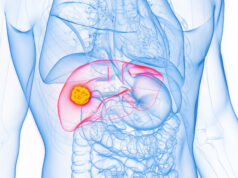
 A newly published international survey by the Cardiovascular and Interventional Radiological Society of Europe (CIRSE) offers a real-world evaluation of intercontinental disparities in transarterial radioembolization (TARE) practices between North America and Europe. Among key variations, the survey, published in the journal Current Oncology, reveals differences in hospitalisation, product utilisation, and procedural techniques.
Led by Grace Keane from the University Medical Centre Utrecht (Utrecht, Netherlands) et al, a survey of 32 multiple-choice questions was distributed to CIRSE members between November and December 2022. The questions addressed steps of the TARE workflow, including treatment work-up, planning and dosimetry, intervention, follow-up and innovations.
Responses were obtained from 30 countries and 133 hospitals, including 87 European and 21 North American centres. North America predominantly used yttrium-90 (Y-90) glass microspheres, whereas Europe used Y-90 resin. Procedural differences included the adoption of intra-procedural computed tomography (CT) imaging, employed by all North American sites, versus 89% of European sites. Outpatient treatments were favoured in North America (85%), while in Europe, most patients remained hospitalised for one night (51%). Both regions increasingly emphasised dosimetry-guided treatments, with personalised dosimetry planning in 71% and 84% of North American and European sites, respectively.
Keane et al note that this analysis illustrates variability in TARE practices, underscoring the need for standardisation efforts, asserting that organisations such as CIRSE must play a “crucial role” in achieving harmonised global practices.