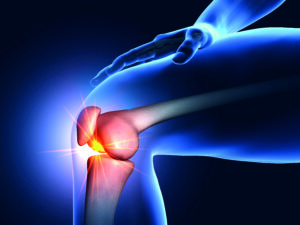
 A new Society of Interventional Radiology (SIR) position statement provides evidence-based support for the use of genicular artery embolization (GAE) as a minimally invasive treatment option for patients with symptomatic knee osteoarthritis (KOA) who have failed conservative therapy and are not candidates for, or wish to delay, total knee arthroplasty.
Published in the Journal of Vascular and Interventional Radiology (JVIR), the manuscript cites clinical data supporting GAE as a safe, durable, joint-preserving intervention that targets the inflammatory and neurovascular drivers of osteoarthritis-related pain. It also calls for larger, randomised controlled trials to confirm early clinical data and to inform patient care guidelines for KOA.
“Knee osteoarthritis affects millions of patients worldwide, yet many remain stuck between conservative therapies that may not provide adequate relief and surgery they are not ready for or cannot undergo,” said Saher S Sabri (MedStar Georgetown University Hospital, Washington, USA), president of the Society of Interventional Radiology. “This position statement reflects the maturation of the evidence for genicular artery embolization and underscores SIR’s view that GAE represents a viable, minimally invasive option for appropriately selected patients when performed by trained interventional radiologists within a multidisciplinary care model.”
The position statement highlights mounting evidence that that KOA is more than a “wear-and-tear” disease, but results from enzymes released as the cartilage breaks down, which causes inflammation and pain. By reducing the abnormal blood flow in the affected knee, GAE effectively reduces painful inflammation.
“Patients with KOA would benefit from individualised treatment approach to managing their pain and GAE provides that targeted option for patients whose symptoms are driven by inflammation in addition to degeneration,” Sabri said. “While more studies need to be done, the current evidence strongly supports GAE as another tool to fight KOA pain.”