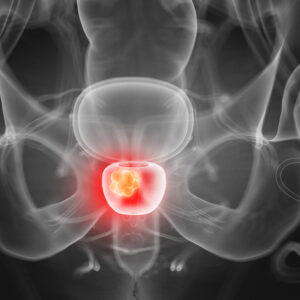
 Magnetic resonance imaging (MRI)-guided transurethral ultrasound ablation (TULSA) has demonstrated “excellent” technical feasibility and minimal major morbidity for localised prostate cancer in a recent systematic review and meta-analysis led by Arsalan Nadeem (Allama Iqbal Medical College, Lahore, Pakistan).
Published in the journal CardioVascular and Interventional Radiology (CVIR), the meta-analysis included 13 studies comprising 650 patients. Findings showed “universal” technical success for MRI-guided TULSA, a 2% major complication rate and 97% continence rate in treatment-naïve patients compared to 47% in the salvage setting.
Findings also showed that prostate-specific antigen (PSA) deceased by a mean of 5.02ng/mL, representing an 85% reduction from baseline. Nadeem and colleagues report that biochemical recurrence (BCR) occurred in 13% of patients, significant cancer recurrence in 22% of patients, and salvage treatment progression in 14% of patients. While these figures suggest “encouraging” short-term oncologic control, the investigators state that they warrant “careful contextualisation”.
They highlight that the majority of patients had low- to favourable-intermediate-risk disease—a population with inherently more indolent biology, and that BCR rates in higher-risk cohorts would likely be substantially greater. Among other limitations, Nadeem and colleagues note that the maximum median follow-up period in included studies was 36 months, “which is well below the 5–10-year horizon at which BCR risk plateaus after local prostate cancer treatment, and at which metastasis-free survival differences between modalities become apparent”.
“Our findings suggest that MRI-guided TULSA can offer men with localised prostate cancer a minimally invasive option with a favourable safety profile and strong preservation of urinary function, and that careful patient selection is central to achieving those outcomes,” say the authors.
They continue: “By bringing together the current evidence on TULSA in a single meta-analysis, this study gives clinicians a clearer picture of where the technology stands today. As randomised data comparing TULSA with surgery emerge, we will be able to define its role far more precisely, but this work shows that image-guided, organ-sparing treatment is becoming a meaningful part of the prostate cancer conversation, and one where interventional radiology has an important role to play.”