Why talking for too long is worse than bad manners.
I can’t remember when I attended my first conference, but it was several decades ago. In all that time I have come across many brilliant lecturers, many more indifferent ones and a few that bored me so much that only the desire not to give offence kept me from yawning too much. Every lecture takes some effort, and even terrible lecturers deserve some respect for the hours they have spent preparing their slides and gathering their thoughts.
Of course, some lecturers are more gifted than others, and there is a yawning gap (pun intended) between the best and the worst. In the days when consultants would not have dreamt of not wearing a suit and tie, I shall never forget a young specialist in oncology standing in front of a large audience dressed in jeans and an open-neck shirt, with his hands in his pockets, starting a lecture on complex chemotherapy—perhaps not the easiest of subjects. He had no slides. I was convinced it would turn out badly but could not have been more wrong. The talk was stunning, and I remember it to this day. Of course, that young man was destined for stardom, and became one of the most eminent professors of oncology in the UK. At the other end of the spectrum, I remember a pillar of the medical establishment giving a lecture on the rules and regulations governing conduct in the medical profession. He had many slides— all of them copies of text from the articles and rules of the General Medical Council—and he read them out word for word for a whole hour. I think it was the only lecture that almost moved me to tears, of boredom.
There are no rules about lecturing. Slides or no slides, jokes or no jokes, beautiful pictures or depressing ones, complex concepts or very simple ideas, mad predictions about the future or deep historical reviews, detailed scientific analyses or technical talks on gadgets with no science at all, long lectures or extremely short ones, political talks or complex accounts of randomised trials— all of these can work, and all of them can fail disastrously. It all depends on how good the speaker is at getting their points across.
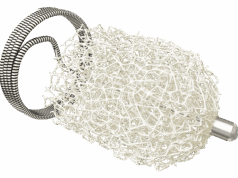
Sticking to one’s remit is important. A common error is to give a talk on the subject that you wish you had been asked to address rather than the topic you have actually been given. We have all witnessed this. A speaker has been asked to talk about the complications of biliary drainage. But they loves metallic stents, and they considers themselves an expert on these devices. So, they makes some cursory references to bleeding and sepsis but then talks at great length about the springs they love. This will always be inappropriate but is particularly bad when another speaker in the same session has been asked to talk about metallic stents. The audience is short changed and left potentially confused.
I have left the worst for last. Exceeding your allotted speaking time is a cardinal sin. There are two different types of speakers responsible for it, one much worse than the other: the less pernicious one is the incompetent speaker who has not bothered to practise their talk or is simply incapable of timing it. Such people are not malicious. Thankfully, they are unlikely to receive many invitations to major conferences. Much worse, is the person who speaks for too long deliberately, knowing exactly what he is doing. They are likely to be arrogant, lacking in insight and they are certainly inconsiderate. This behaviour is particularly bad when the talk is one of several setting the scene for a ‘round table’ discussion because, by speaking for too long, the discourteous speaker has curtailed the available time for debate. Very often, such people think they are more important than anyone else and that what they have to say is so significant that the audience should hear it regardless of time.
For goodness’ sake, if you think that your allocated time slot is too short, you should contact the organisers well in advance and ask them to make it longer. If your request is granted, fine. If not, you have two choices: refuse the invitation or stick to the time that has been allotted to you.
Moderators who do not stop people from speaking too long are complicit in such rude and inconsiderate behaviour. Often, they are too timid to do it, particularly if the speaker is eminent, or a friend. Such moderators are letting the audience down by not administering some timely loperamide to stop the verbal diarrhoea.
Perhaps conference organisers should adopt a system I saw in place at a major scientific meeting: a green light under the speaker’s microphone goes orange one minute before the end of the time allocated to them. When the time is up it goes red. Thirty seconds later the microphone is switched off.
If you like the sound of your own voice so much, just sing in the shower.
Andy Adam is emeritus professor of interventional radiology at King’s College London, UK and joint editor-in-chief of Interventional News.